Support WBUR
Senate unanimously approves $63.4 billion annual state budget bill
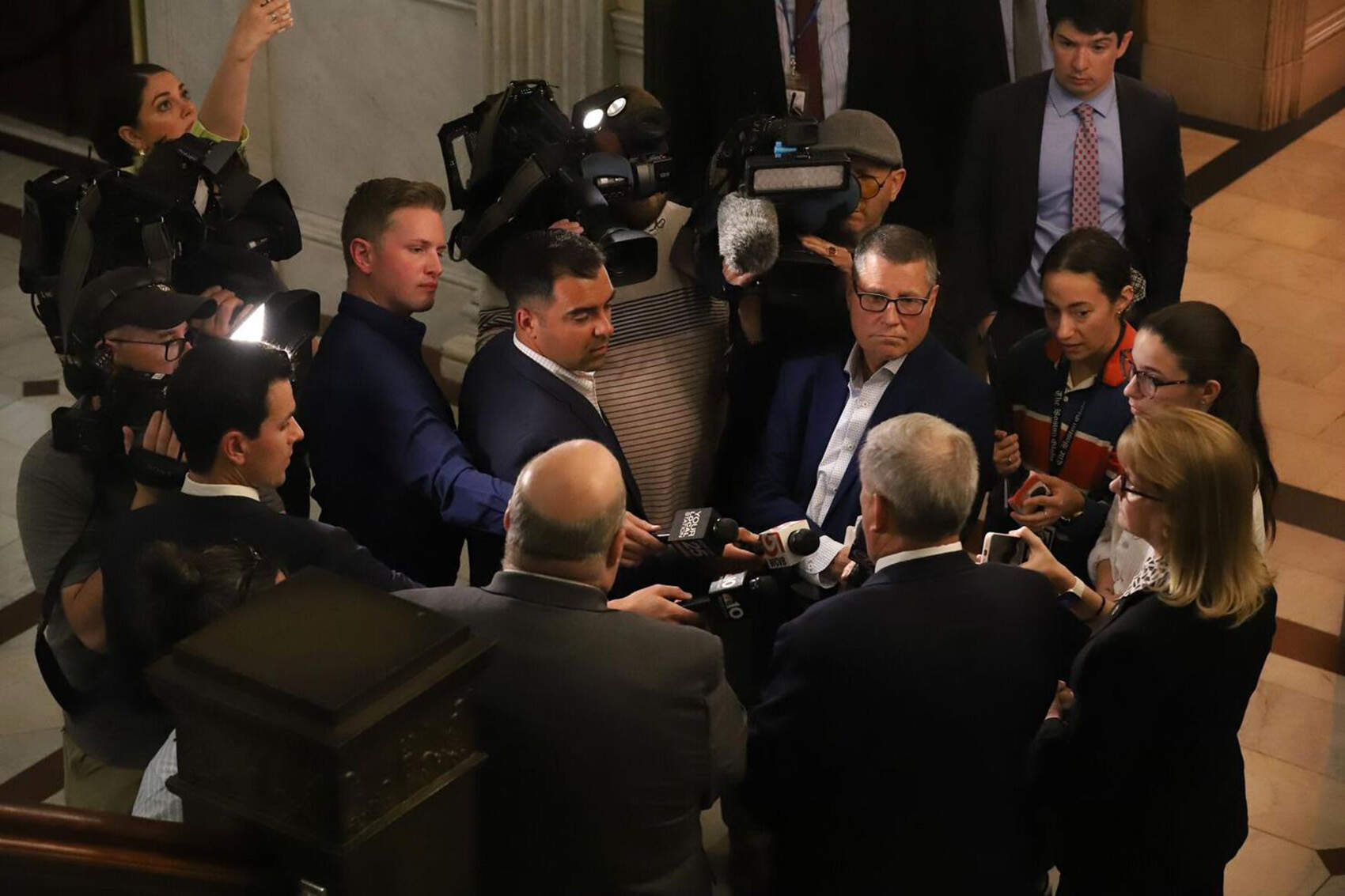
Senators voted unanimously Thursday to approve an annual state budget bill that grew by about $70.5 million over three days of deliberations.
The Senate's $63.4 billion fiscal year 2027 budget will next move into conference committee negotiations with the House, which last month passed a fiscal 2027 budget that included about $50 million more in spending and an array of different policy riders.
The new budget year begins July 1, but Massachusetts has not had its annual budget in place by that date in years and lawmakers often pass a temporary budget to cover at least the first few weeks of the fiscal year.
Some senators were unable to force votes on tax-related amendments, others worried that spending levels were not adequate to meet program and service needs, but ultimately the bill drew bipartisan support.
"I think it's a terrific budget and really responsive to the people of Massachusetts and our needs," Senate President Karen Spilka told State House News Service after deliberations ended.
Though Senate Democrats celebrated the spending plan as one that makes responsible and meaningful outlays during a time of economic uncertainty, the week of discussions on the Senate floor made clear that not all were totally satisfied with the final product.
When he talked about the budget during Monday's session, Senate Ways and Means Chairman Michael Rodrigues said it had "absolutely no impact on any state taxation," in either direction. That part of the Senate budget disappointed senators on both sides of the political aisle, though one senator said upping the budget's expected revenue was not an option for the Senate to begin with.
"We have spent the last three days discussing how to spend $63.3 billion, approximately. We have spent not one minute discussing any measures that could provide tax relief for the folks that have to pay those bills," Senate Minority Leader Bruce Tarr of Gloucester said Thursday afternoon as Democrats ruled about 10 of his tax relief amendments out of order.
On Wednesday night, Needham Democrat Sen. Becca Rausch withdrew her attempt to raise the corporate tax rate through the budget but gave a detailed speech about what the state could do with the estimated $700 million of additional annual revenue she said her proposal would have generated when fully phased in.
"We desperately — desperately — need to address revenue," Rausch said. She added, "We all know as we are debating the fiscal '27 budget that our reality is one of tight fiscal times. We have so many important agencies, programs and communities that need our support — our schools, our healthcare, our seniors, our transportation, our families, our environment. We can't do everything we want to do without the revenue to do it."
Rausch said she withdrew her amendment "because the bill before us is not a money bill and we in the Senate procedurally cannot make it so." A money bill refers to legislation that transfers money or property from residents to the state through taxation, and those bills must originate in the House. Tarr's amendments were ruled out of order for the same reason, though he disagreed with the ruling.
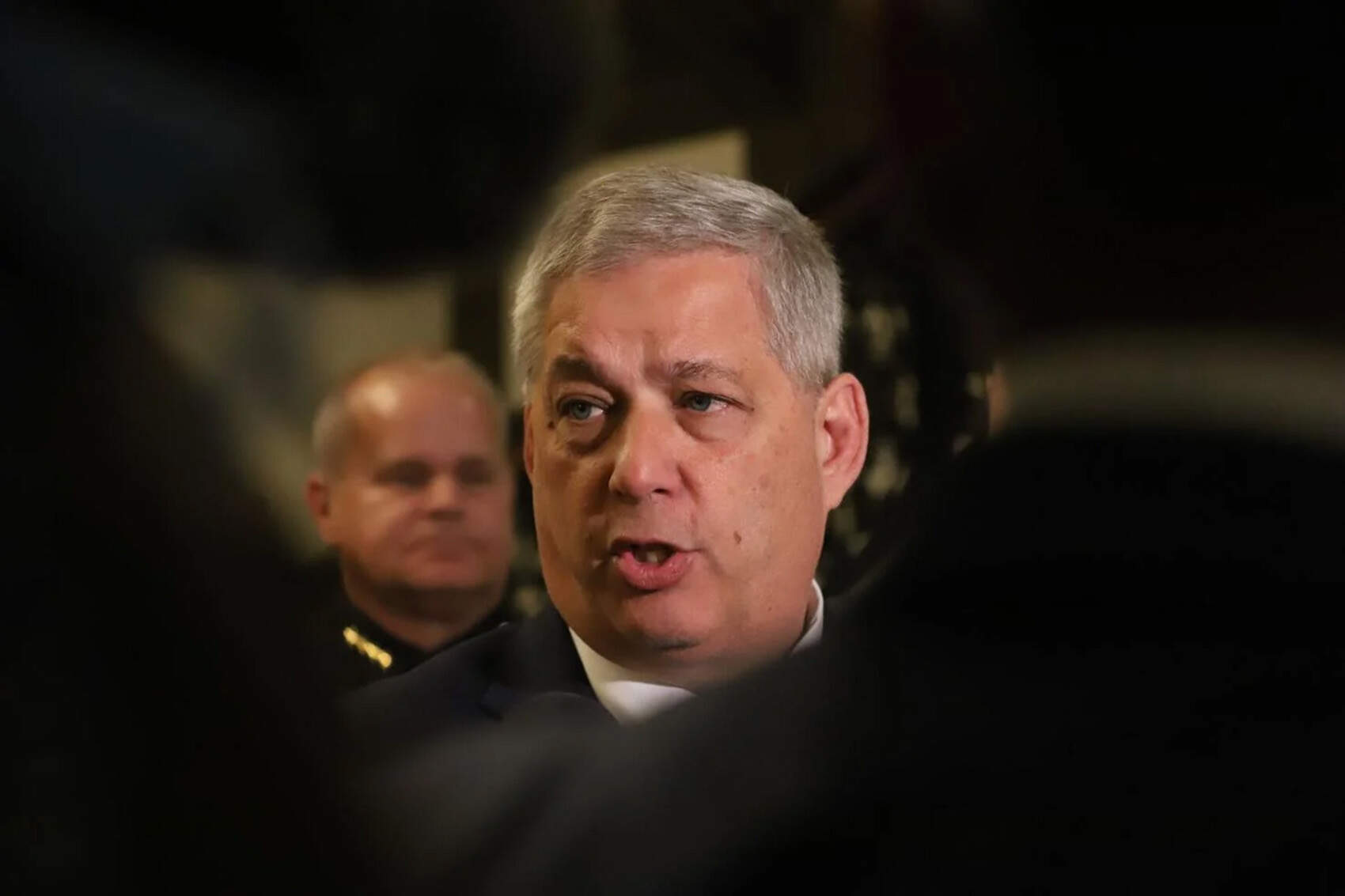
Sen. Patricia Jehlen, a Somerville Democrat who is not seeking reelection, said the chamber was advancing "an austerity budget" that's not keeping up with demand for elder care services especially. She called for a corporate tax hike to generate revenue the state could apply to elder care and elsewhere.
"We have not considered increasing revenue, for example, by passing the corporate fair share bill, which has a lot of support," Jehlen said, referring to legislation (H 3110 / S 2033) that has majority support in the House and Senate to increase the share of excess foreign profits that Massachusetts taxes. "I hope the Legislature will take it up, and I probably won't be here, but I hope it will happen. I think it's really important for voters to understand how tight this budget is."
Among the earmarks senators approved this week were an extra $1.2 million into a program that provides intensive resources to young adults with disabilities; a $1 million bump to state parks and recreation operations; $1.25 million for a program for mothers experiencing acute trauma; an additional $450,000 for a program that helps cover security costs at nonprofits that are vulnerable to hate crimes or terrorist attacks; $700,000 to improve Boston's Herter Park; $500,000 for LGBTQ+ homeless youth services; $500,000 for a program that provides youth behavioral intervention within schools; $250,000 for the ALS Association; $300,000 for a UMass Lowell co-op program; $100,000 for the New Bedford and Fall River youth court programs that support juvenile diversion based on the principles of peer-lead restorative justice; $10,000 to support for drug and alcohol free entertainment for high school seniors through Grad Nite Live in Marshfield; $125,000 for Lawrence High School for a career pathway partnership with Merrimack Health; and $100,000 for additional MBTA police patrols.
On the policy side, senators also adopted amendments that would study GLP-1 coverage loss; remove candidate street addresses from the ballot, something Rausch said would align with 44 other states; require a plan for steps necessary to transfer oversight of Bridgewater State Hospital to the Department of Mental Health; repeal a 1995 policy that strips low-income families of their transitional aid to families with dependent children benefits if there is a student in the household who has too many unexcused school absences; allow criminal complaints to be submitted electronically; and help immigrants become citizens of the United States.
Senate Democrats also shot down a series of Republican-backed amendments, including proposals to investigate the drivers of Massachusetts's chronically high electric rates, probe the Group Insurance Commission's spending and block SNAP benefits from being used on certain food, give communities subject to the MBTA Communities Act an extra two years to come into compliance, and have the UMass system conduct a study of population change as well as the positive and negative factors influencing that change.
The Legislature routinely underfunds key accounts, and the GIC for the past two years has required emergency infusions. Asked if the agency is adequately funded this cycle, Rodrigues told reporters Thursday, "We fund our line items in the anticipation always that it's going to be significant enough to last them throughout the year."
"That doesn't always happen," Rodrigues continued. "As caseloads that are unpredictable change, as costs rise, especially in the healthcare world, we have to make changes going forward. We'll manage our way through it, and I think this budget is very responsible, balanced and provides enough money for the next fiscal year."
State House News Service reporters Alison Kuznitz and Katie Castellani contributed reporting.