Support WBUR
Review
Apple TV's 'Cape Fear' is a 10-episode boondoggle
In the great Los Angeles crime writer Jordan Harper’s aptly titled new novel, “A Violent Masterpiece,” there’s a funny little detour in which one of the protagonists has an awkward first date with a streaming television executive who brags that he doesn’t make shows, he makes “tiles.” The exec explains that “TV hasn’t been made to be watched for years” and that all their effort now goes into creating an alluring screen menu tile for people to click on — preferably featuring a recognizable premise and a familiar face — convincing folks to sign up for the service so that they’ll hopefully forget to unsubscribe. “All you need is a movie star and concept art,” he boasts.
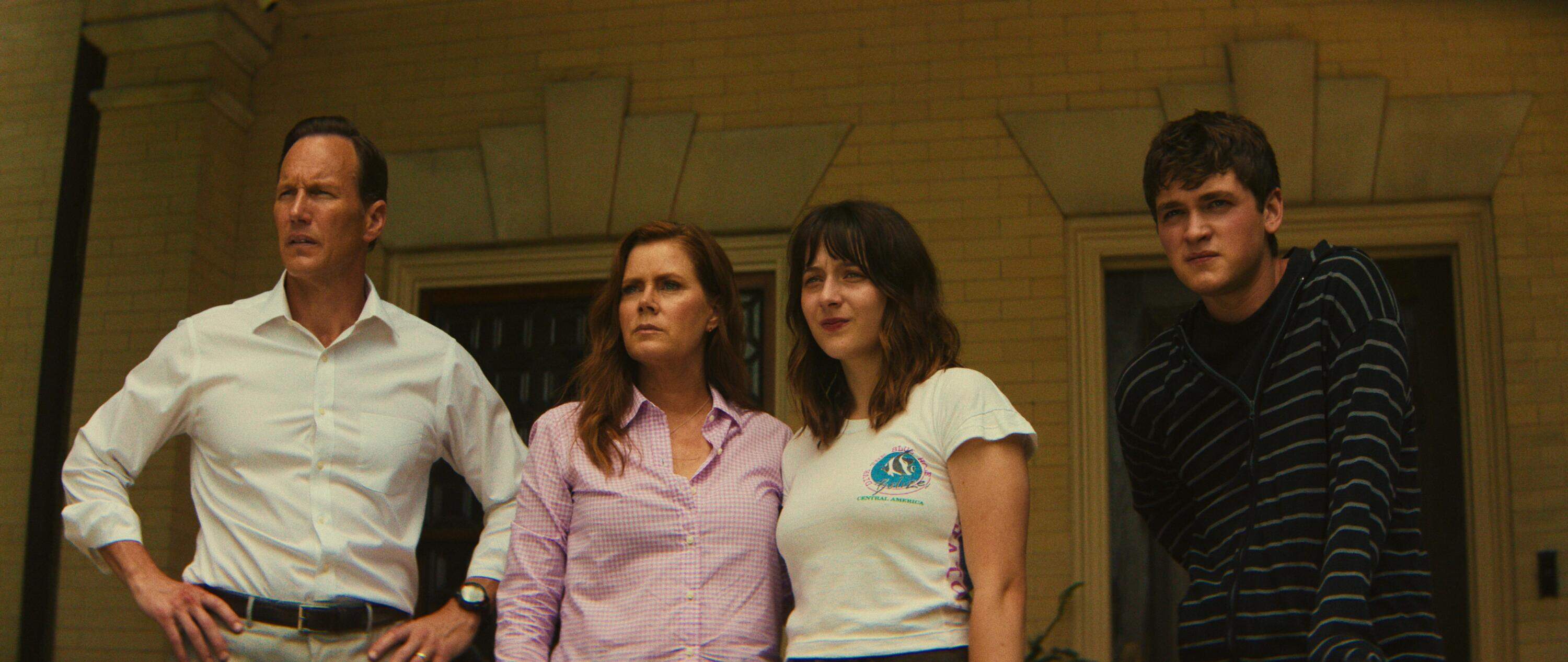
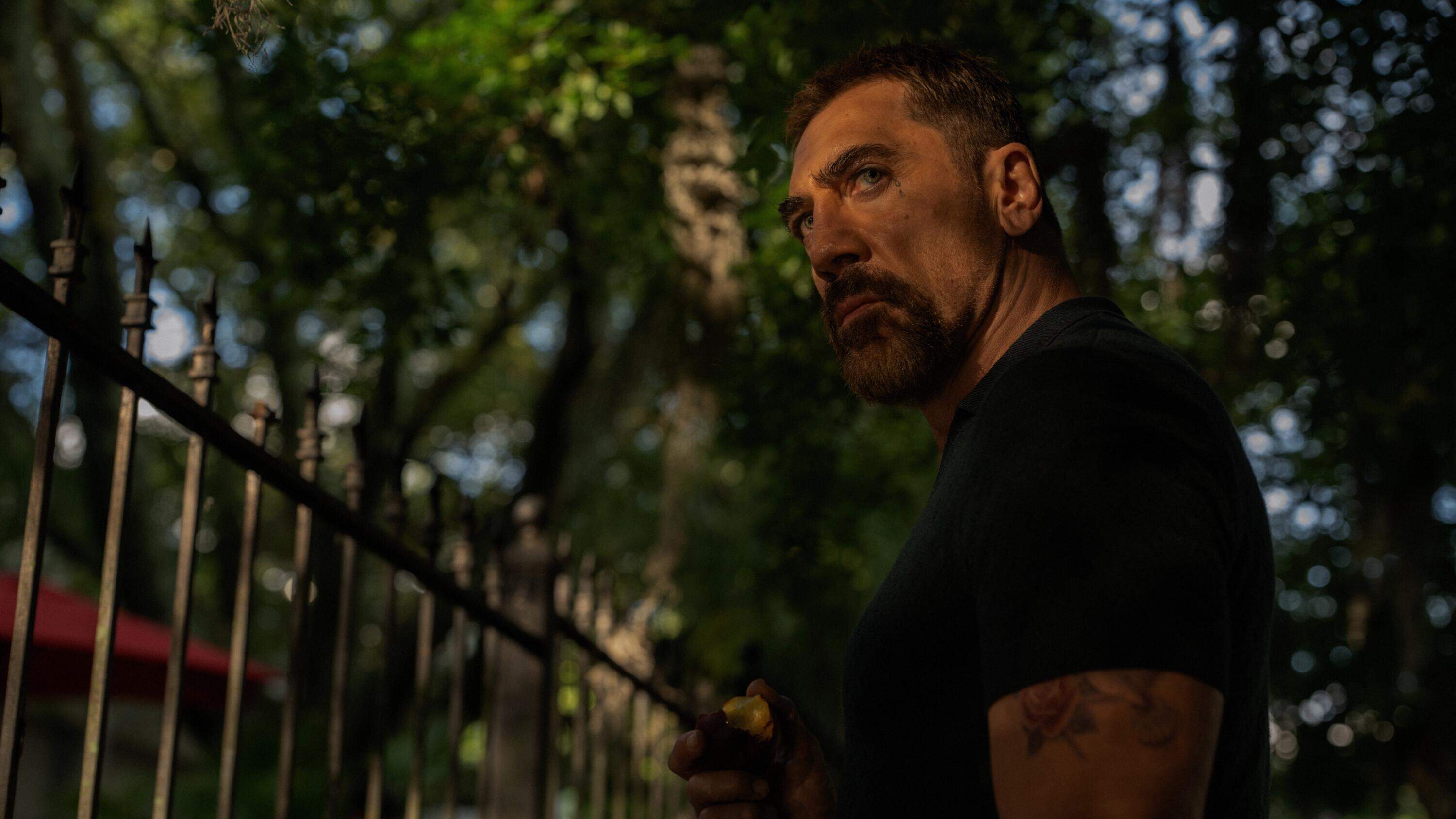
Apple TV’s “Cape Fear” is as terrible a TV show as I’ve seen in years, but admittedly, it’s an excellent tile. Based on the 1957 novel “The Executioners” by John D. MacDonald, the story was first filmed in 1962, with Gregory Peck in full Atticus Finch mode as an upstanding attorney whose family is harassed by a rapist he once put away named Max Cady, played with patented drowsy menace by Robert Mitchum. “Cape Fear” was memorably remade in 1991 by Martin Scorsese, starring Nick Nolte as a more ethically questionable lawyer and Robert De Niro playing Max as an Old Testament avenging angel. So who wouldn’t want to click on Javier Bardem as the scarily tattooed ex-con hovering around attorney Amy Adams and her family? The 10-episode boondoggle is the latest in a spate of star-studded streaming remakes of popular 1980s and ‘90s thrillers, like “Fatal Attraction” on Paramount+ and Apple’s own “Presumed Innocent.” (Peacock even did “The ‘Burbs,” for some reason.)
It’s all part of the “what you liked before, only longer, uglier and not as good” creative model that’s been grinding down the entertainment industry for some time. When watching a trashy potboiler like 1987’s original “Fatal Attraction,” never once did I find myself wishing it had been six hours longer with crummier production values. Streaming business metrics prioritize minutes spent on the service, which is why stories get stretched out like taffy to take up hours of screen time. It’s also a poorly kept secret that most shows are designed to be watched while you’re doing something else, so visual storytelling is discouraged and characters verbally repeat key plot points multiple times for the benefit of viewers playing with their phones.
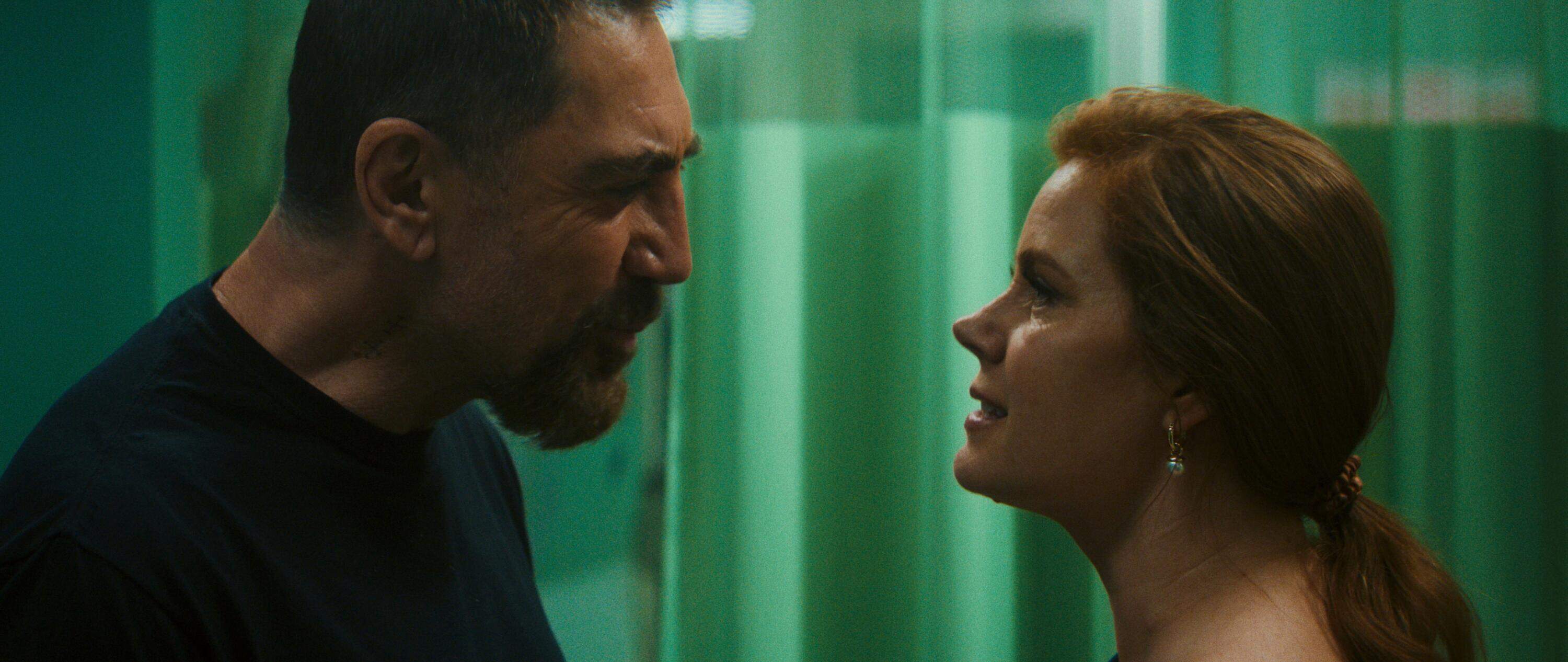
“Cape Fear” is a story so comically unsuited for the streaming miniseries format, I must admit I’ve become a little obsessed with it. There’s simply no sane way to take such a simple, straightforward premise — psycho stalks family — and drag it out for 10 hours. Every episode is structured to begin and end with shocking revelations and gory cliffhangers that radically redefine the narrative, after which everyone bizarrely resets right back to normal and sits around for 50 minutes of filler before the next big jolt. It’s both eye-rollingly insane and weirdly inert because there aren’t any consequences to all the crazy stuff that happens. The forcible amputation of a child’s toe is forgotten almost immediately… even by the amputee! Weeks into the series, members of the family are still getting into cars alone with Bardem’s crazed lunatic and confessing personal secrets to him at a bar.
I must tread lightly here, as Apple sent out a two-page document listing things I’m not allowed to tell you, including the very premise of the program. (Is this normal? Do TV critics really work this way?) But I think it’s safe to confess that I typically tap out about an hour or so into these things, yet I devoured all eight “Cape Fear” episodes made available for review in gobsmacked fascination. There’s not a moment of behavior in this program that does not beggar belief, with characters reacting so nonchalantly to mutilations, decapitations, made-up occult religions and mind control drugs, you’d assume such things were everyday occurrences for them. If I dared risk the wrath of Apple by spoiling some of these story points, you probably wouldn’t believe me anyway. It’s that daft.
Granted, the 1991 Scorsese film was hardly a model of understatement. Steven Spielberg was originally set to direct, but he and De Niro coaxed their pal Scorsese into doing it instead, thinking it would be a fun exercise for the iconoclastic, box office underachiever to helm a big-budget studio thriller. (Spielberg traded it with him for a little project Scorsese had been developing called “Schindler’s List.”) It’s Scorsese’s most self-consciously movie-ish movie: his first filmed in widescreen, leaning into Old Hollywood artifice with showy split-diopter shots and anachronistic rear projection effects. Peck and Mitchum dropped by for hilarious cameos, and composer Elmer Bernstein reorchestrated the late Bernard Herrmann’s iconic score from the 1962 original, with booming brass and screeching strings that rival his theme from “Psycho.”
But Scorsese couldn’t help turning it into a Scorsese movie, muddying up the moral waters by reconceiving the Nolte character as a public defender who betrayed his oath and concealed evidence to help put his client behind bars. De Niro’s Cady is not so much a man as a snarling manifestation of the philandering attorney’s guilty conscience, all muscle and sinew emblazoned with Bible quotes promising vengeance. (The following year, I went to my high school’s Halloween dance as Max Cady. My sister and I spent hours studying the VHS tape to draw the right tattoos on me with magic markers.) De Niro presses on the emotional fault lines of Nolte’s dysfunctional family, turning his wife (Jessica Lange) and daughter (Juliette Lewis) against the patriarch they were both pretty disgusted with anyway.
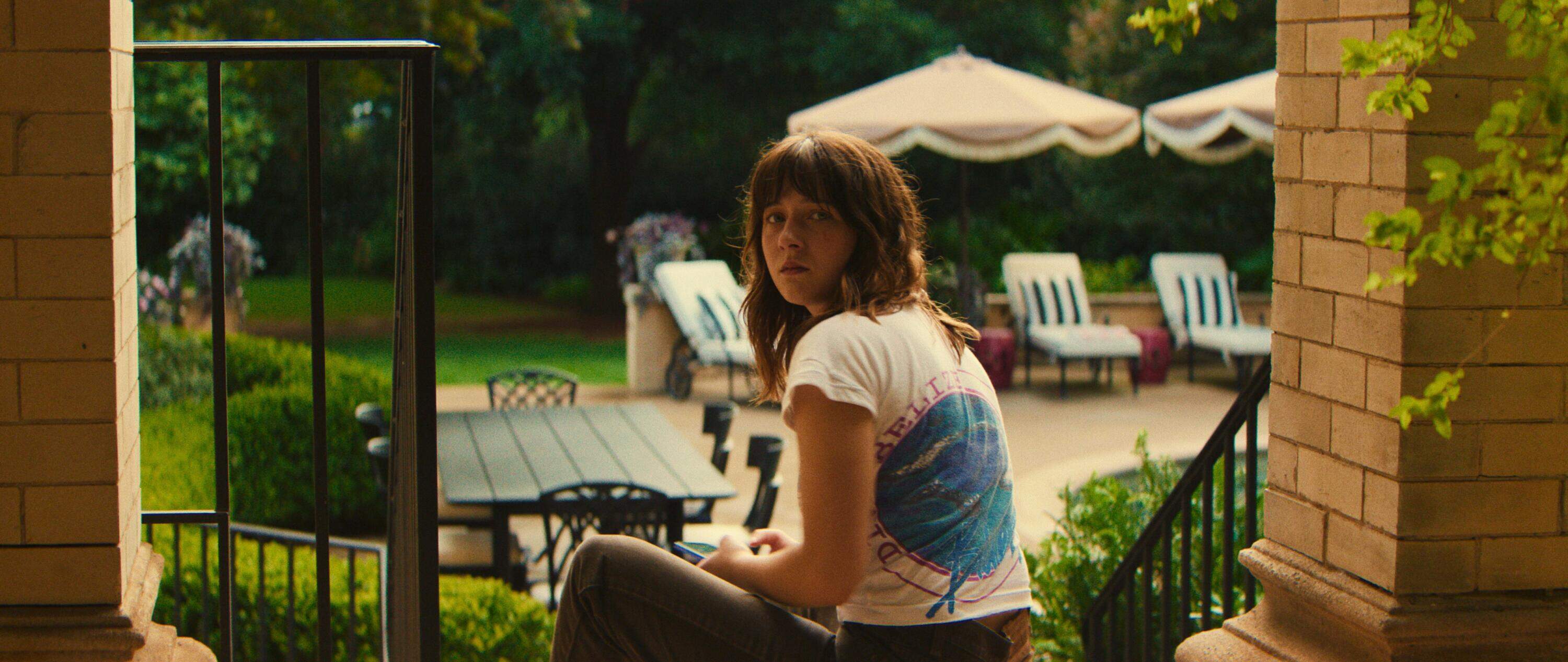
In Scorsese’s hands, “Cape Fear” is both a schlocky thriller and a rich psychological text, with Lewis delivering a star-making performance as a too-trusting teen falling for De Niro’s smooth talk. You can see the miniseries trying to do something similar for Lily Collias, the young actress who made such an extraordinary impression in 2024’s indie hit “Good One.” She takes over Lewis’ role as the resentful daughter drawn to Cady’s dangerous allure, but there’s no way to credibly play some of the decisions the writers force her to make. Watching her valiantly struggle with these scenes, you’ll want to sue them for malpractice.
The 1991 film got a lot of mileage out of the lawyer’s ethical dubiousness, utilizing Nolte’s gift for playing weak, frightened men in the body of a hulking bear. Apple’s “Cape Fear” goes overboard in this direction, making Amy Adams and Patrick Wilson into monsters. The two give the most pinched, least appealing performances of their careers as attorneys acting almost as unconscionably to their children as they do to their clients. Eight hours in, I have no idea what the miniseries is trying to do with these characters. I still don’t have a bead on Max yet, either. From scene to scene, he vacillates between being a ruthless mastermind and a pitiable victim, Bardem reliably bringing whatever the writers need to get to the next nonsensical scare.
The first names you see at the end of every episode are those of Spielberg and Scorsese, billed as executive producers. My understanding is that such credits are usually honorary rubber stamps and don’t imply serious creative involvement. I’m going to assume they only looked at the tile.
Apple TV's “Cape Fear” begins streaming on Friday, June 5.