Support WBUR
Boston's Saturday Morning Newsletter
A point of Pride: 5 standout dates in Massachusetts’ LGBTQ+ history
Editor's Note: This is an excerpt from WBUR's Saturday morning newsletter, The Weekender. If you like what you read and want it in your inbox, sign up here.
June is Pride Month — and this Saturday is Boston Pride for the People, the city’s annual parade and festival. This year, organizers say they’re hoping to emphasize Pride’s history with the theme, “Pride as Protest: Since 1776.”
It’s a nod to “ the individuals who risked their lives and safety so that we can have a parade, so that we can have a festival, so that I can be my authentic self and visible,” Adrianna Boulin, president of Boston Pride for the People, told WBUR’s Dan Guzman. “I'm able to safely do this in public because there are people that put their lives on the line before me … and I want to honor them. We want to honor them.”
Many of those trailblazing individuals called Massachusetts home. To learn more about them (and our state’s LGBTQ+ history), I spoke with Joan Ilacqua, the executive director at Queer History Boston. Her organization has been documenting LGBTQ+ history in the state since 1980 — from photos to ephemera to digital records. She shared five landmark dates from Massachusetts’ LGBTQ+ history that brought the state’s vibrant queer community where it is today.
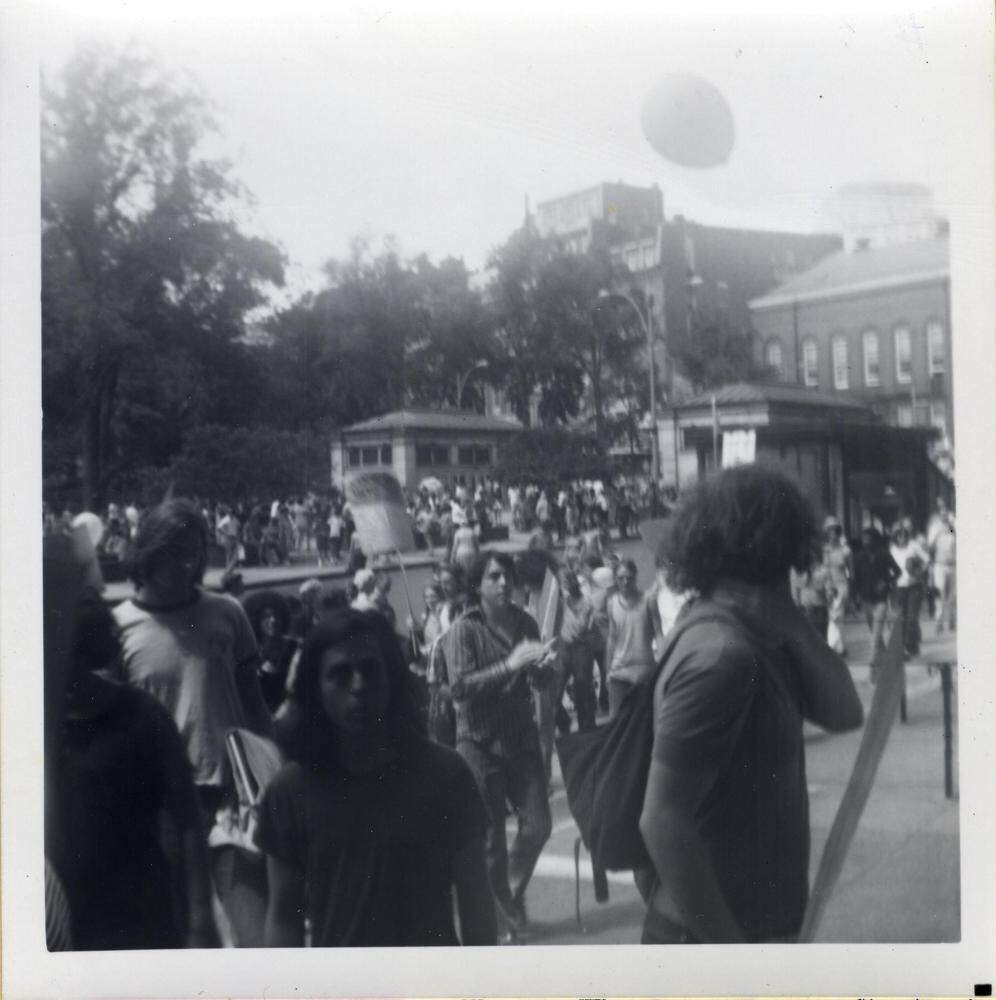
June 26, 1971 — Locals organize Boston’s first Pride March
The first ever Pride March in the U.S. was held in New York City on June 28, 1970, one year after the Stonewall Riots. Boston quickly followed suit a year later.
“Inherently, these are protests, though,” Ilacqua said. “They're not sanctioned by the city. They're not parades. They're people coming together and demanding space and demanding visibility. And so there's always inherently opposition to that.”
Even before Pride marches were formalized, Boston’s LGBTQ+ community gathered for “teach-ins” with lectures and talks, Ilacqua said.
“ At that time, there's no protections for gay people of any kind,” Ilacqua said. Police-run bar raids, similar to the ones that led to the Stonewall riots, were “super common” in Boston. “So, if you get caught doing something gay, your name could end up in the newspaper, your family finds out, your friends find out,” she said.
At these teach-ins, “people came together to talk about, ‘What does it mean to be gay? What does it mean to be part of this community? What's legal and what's not legal,’ because we still had prohibitions against sodomy on the books in Massachusetts,” Ilacqua added.
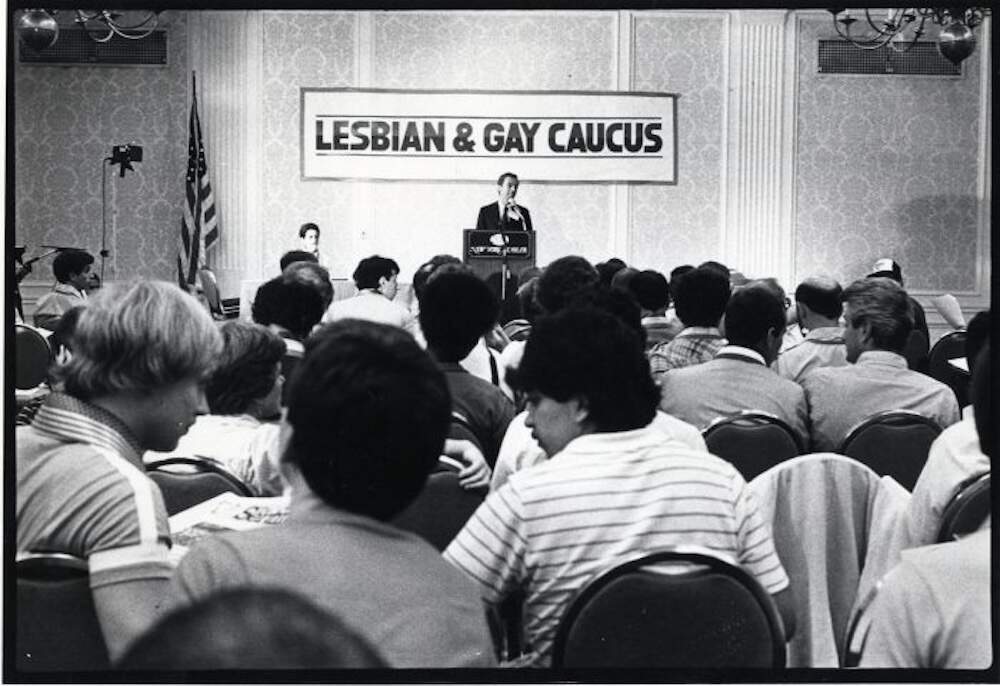
Nov. 15, 1989 — The Gay Civil Rights Bill becomes law
Before 1989, you could not be fired on the basis of race, religion, sex, national origin or age — but you could lose your job over your sexual orientation.
“ And so these stories of like, ‘Well, I got fired because someone found out I was gay,’ were common,” Ilacqua said.
That changed in 1989 when Massachusetts became the second state — after Wisconsin — to enact anti-discrimination laws on the basis of sexual orientation. The bill, signed into law by Gov. Michael Dukakis, extended civil rights protections to gay and lesbian residents, something The Gay and Lesbian Political Caucus had been lobbying for since 1973.
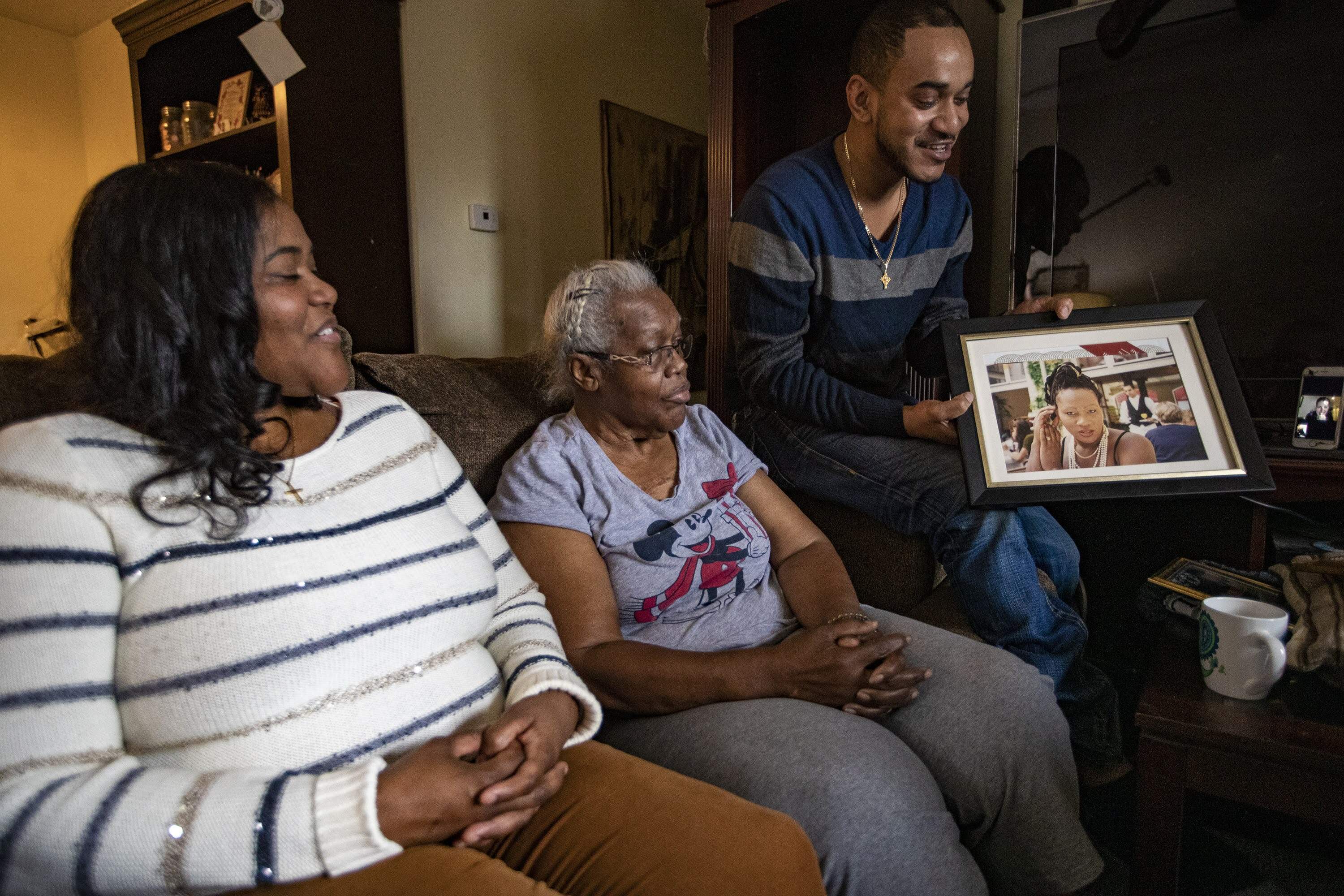
Nov. 28, 1998 — Rita Hester’s murder sparks Transgender Day of Remembrance
Transgender Day of Remembrance has a “very strong Boston connection in its root that I think often a lot of folks just don't know,” according to Ilacqua.
Rita Hester, a black transgender woman who lived in Allston, was stabbed 20 times and killed in her apartment, and her case remains unsolved to this day. Her death sparked the first-ever Transgender Day of Remembrance in 1999. It’s now observed annually on Nov. 20 by the LGBTQ+ community and allies to mourn Hester and transgender people like her who have been killed worldwide.
“ This was a devastatingly sad story. It's also one that brought a lot of attention and visibility to the everyday danger that trans people face in the world,” Ilacqua said. “Now, Transgender Day of Remembrance has become really an international day where we can mourn and acknowledge this violence, and also reignite the flame of fighting for protections for transgender people.”
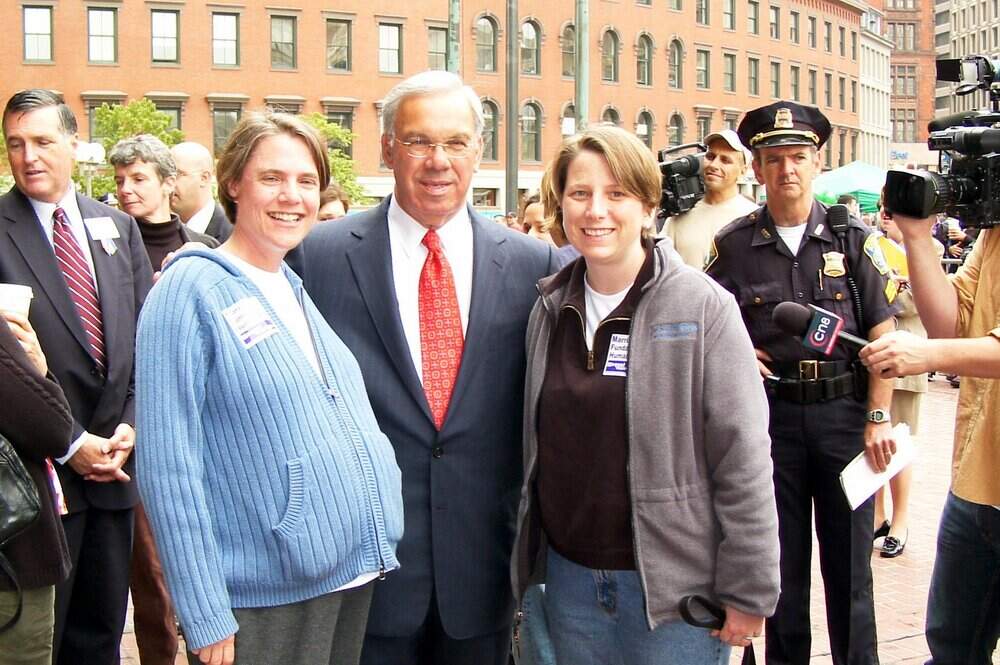
May 17, 2004 — Marriage equality passes in Massachusetts
Massachusetts was the first state to legally recognize same-sex unions. (You can get a glimpse of the excitement that ensued as part of those first weddings — six months after the Supreme Judicial Court’s November 2003 ruling that allowed same-sex couples to marry — in this photo collection.)
Ilacqua said their archive does show a history of LGBTQ+ people taking vows in the 1970s and ‘80s, long before marriage was legal.
“We have pictures of people who are having celebrations in gay bars where they are getting married, and even though it's not necessarily legal, they're creating these deep partnerships,” she said.
Nov. 8, 2022 — Massachusetts elects the nation’s first out lesbian governor
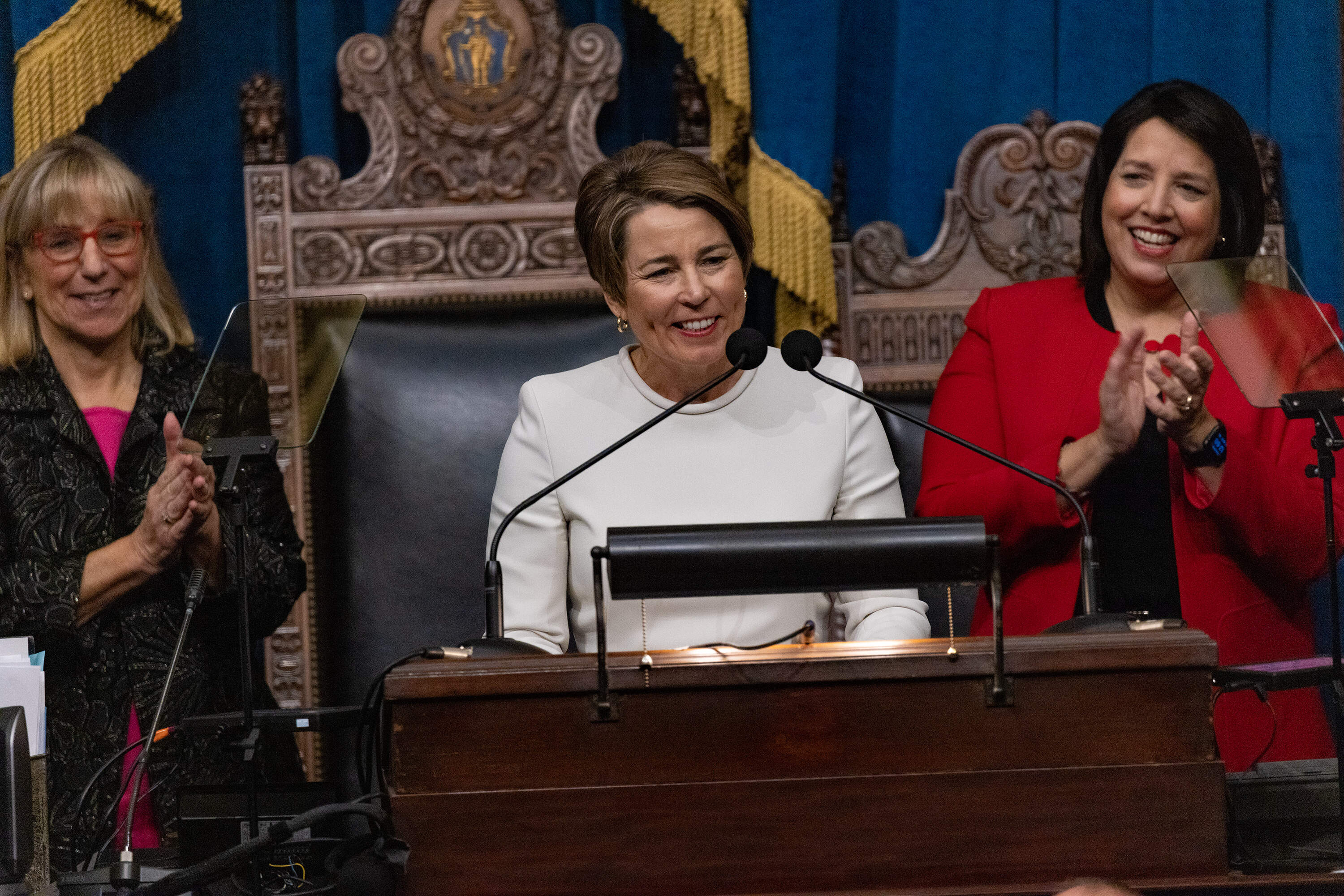
Massachusetts was the first in the nation to have openly gay representatives in its state legislature, including Elaine Noble and the late Barney Frank. But Gov. Maura Healey’s election made her the first out lesbian governor in state history.
“I am proud of who I am,” Healey told WBUR in 2021, while serving as the state’s attorney general.
Healey was elected governor on the same day as Oregon Gov. Tina Kotek, who is also a lesbian. But “[Healey’s] technically the first lesbian governor in America because of the time zones,” Ilacqua said. “Which I think is a fun loophole.”
P.S. — Want to experience history IRL? The Freedom Trail’s LGBTQ+ history tour, “Rainbow Revolutionaries,” is back for its third year starting today. Led by a costumed guide, you can learn more about Boston marriages, political milestones for LGBTQ+ rights and storied romances in this tour through the city.