Support WBUR
Tiny forests are a growing trend in Mass. and beyond
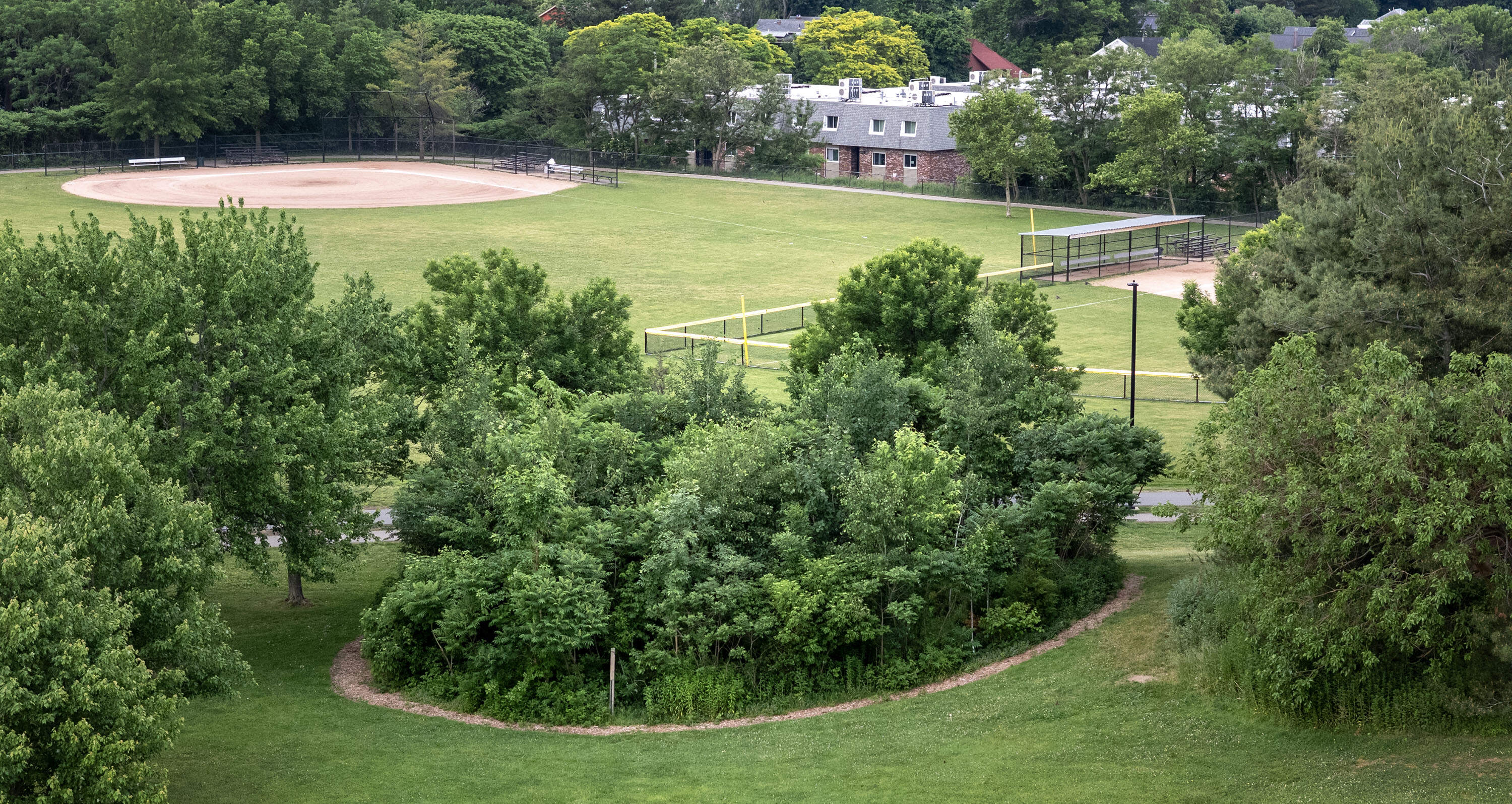
In April, there was a frozen, patchy, underused baseball field behind Attleboro High School.
“ It feels dead,” said senior Alex Maia, standing by home plate.
A month later, when the ground had thawed, staff from the Attleboro Parks and Forestry Department dug up a patch of packed dirt between home plate and the pitcher’s mound and replaced it with new, healthy soil. Near the bleachers, they lined up 550 saplings. Then, students, residents and city employees got to work on the forlorn field.
Volunteers in gardening gloves and wellies slotted themselves into a tree-planting production line. Some dunked saplings in troughs of water to soak their roots. Others stepped on shovels to dig holes for the trees.
In just a few hours, the group installed a nascent forest, tiny in both height and footprint, yet containing a wilderness-worth of native plants.
They planted according to the Miyawaki method. It allows 350 plants to fit into a plot the size of six parking spaces. Devotees say the resulting thicket turbocharges biodiversity, enriches the surrounding soil, mitigates the intense summer heat and soaks up carbon emissions that contribute to climate change.
The method is named after the Japanese botanist who established it in the 1970s, Akira Miyawaki. These "pocket forests" have taken root across the world, from the subtropics of São Paolo, Brazil, to the temperate zone of Scotland, and the high desert of Washington state. They can be found in backyards and city blocks.
At Attleboro High School, sophomore Sydney Battle had been learning about the Miyawaki method in an environmental science class, so she was excited to volunteer for planting duty. She cradled a sapling by the roots before patting it into the ground.
“I want to place a different variety of tree or plant in each hole,” Battle explained.
The Miyawaki method calls for diverse native vegetation that will reach varying heights when full-grown. Each sapling or young shrub is planted about 18 inches apart.
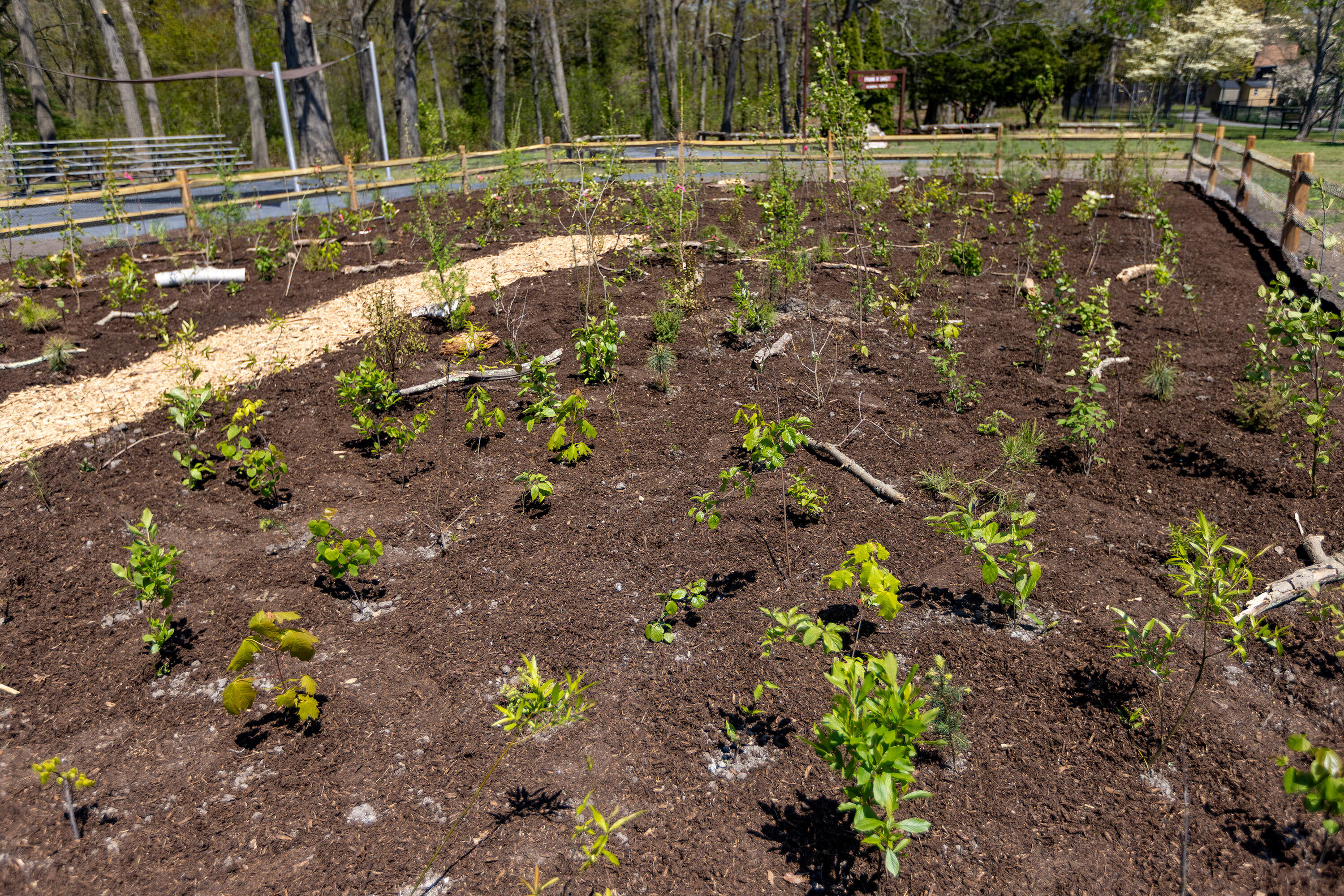
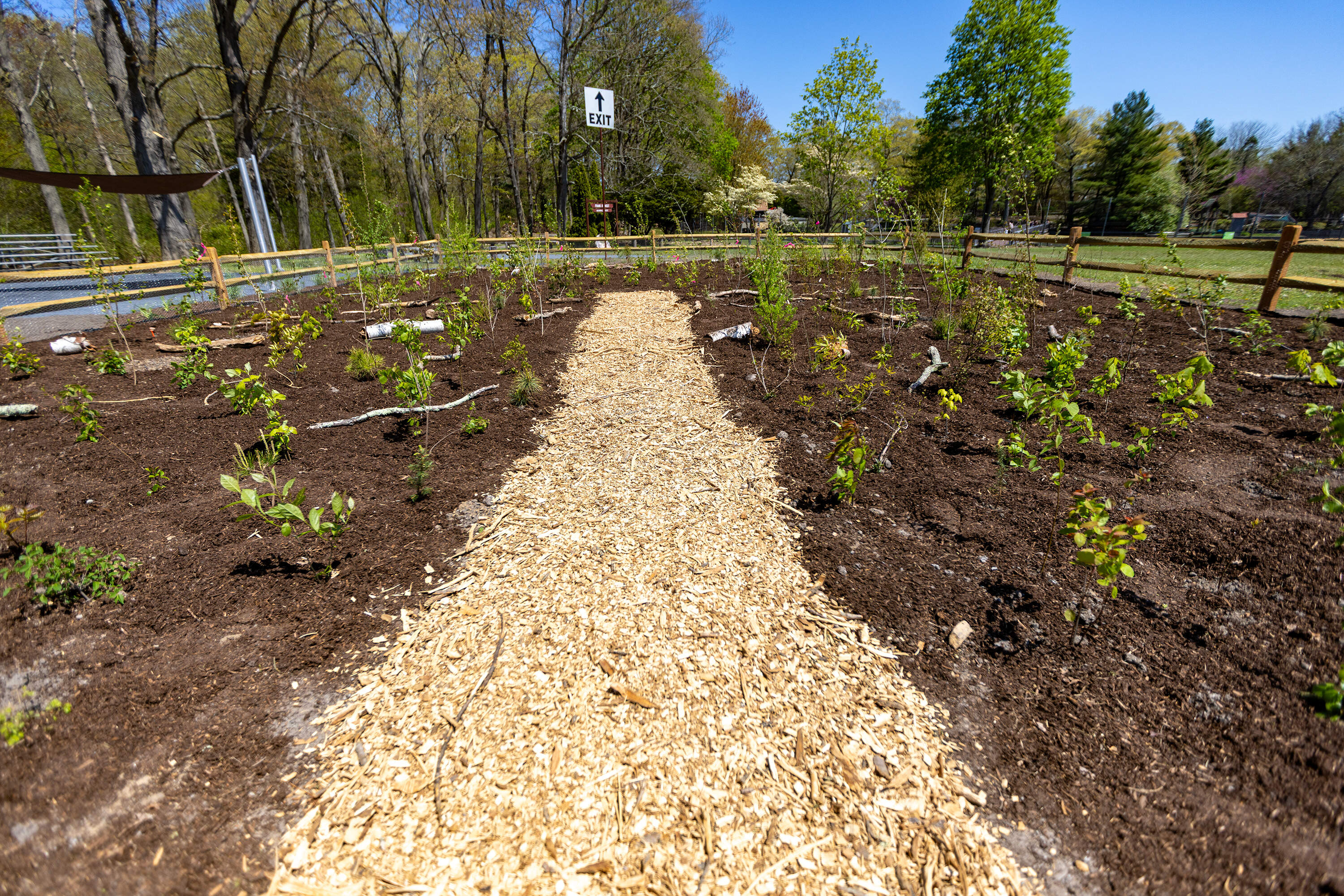
In such tight quarters, the canopy species — the tallest of the bunch — race toward the sunlight before they can be overshadowed by their neighbors. All the other species clamor for nutrients and sunlight. The competition forces the forest to mature in 20 years, rather than the usual 200.
In as little as five years, the planting should be able to survive without help from humans. The trees will remain shorter than they otherwise would be, because the plants are all so close together.
Miyawaki designed the method to reforest industrial areas in Japan, which had been cleared of natural vegetation after World War II to make way for manufacturing. He worried that without native trees, Japan’s population would be vulnerable to natural disasters like floods and fires.
Organizers of the Attleboro project hope it helps protect their city from flooding driven by climate change.
In 2023, a storm dumped seven inches of rain on Attleboro. Water pooled on compacted soil, concrete streets and sidewalks with nowhere to drain. With a warming climate, the atmosphere is able to hold more moisture, so scientists say residents can expect more extreme rain in the years to come.
Rob Moir, director of the Ocean River Institute, a Cambridge-based non-profit, raised funds and helped plan Attleboro’s Miyawaki forest. He said its root structures would break through the compacted soil, making it more absorbent for floodwater in the immediate area.
While Miyawaki forests have gained popularity in recent years, not every scientist is sold on trendy technique as a climate solution.
Narkis Morales is a forestry expert at the Bioeconomy Institute of Sciences in New Zealand. He reviewed dozens of scientific studies on the planting method and found scant evidence that Miyawaki forests are better than other forestry methods at capturing carbon, increasing biodiversity or speeding up plant growth.
“Perhaps there are better options,” he said.
The Miyawaki method also requires vigorous soil preparation and hundreds of saplings, which can lead to an hefty price tag, according to Morales.
"You are applying a one-size-fits-all thing,” said Morales. “Some sites, they don't need it.”
In Cambridge, city officials have installed three Miyawaki forests and said they’re pleased with the investment. A pocket forest in Danehy Park grows atop a former landfill where crews once dumped debris from the MBTA’s Red Line extension.
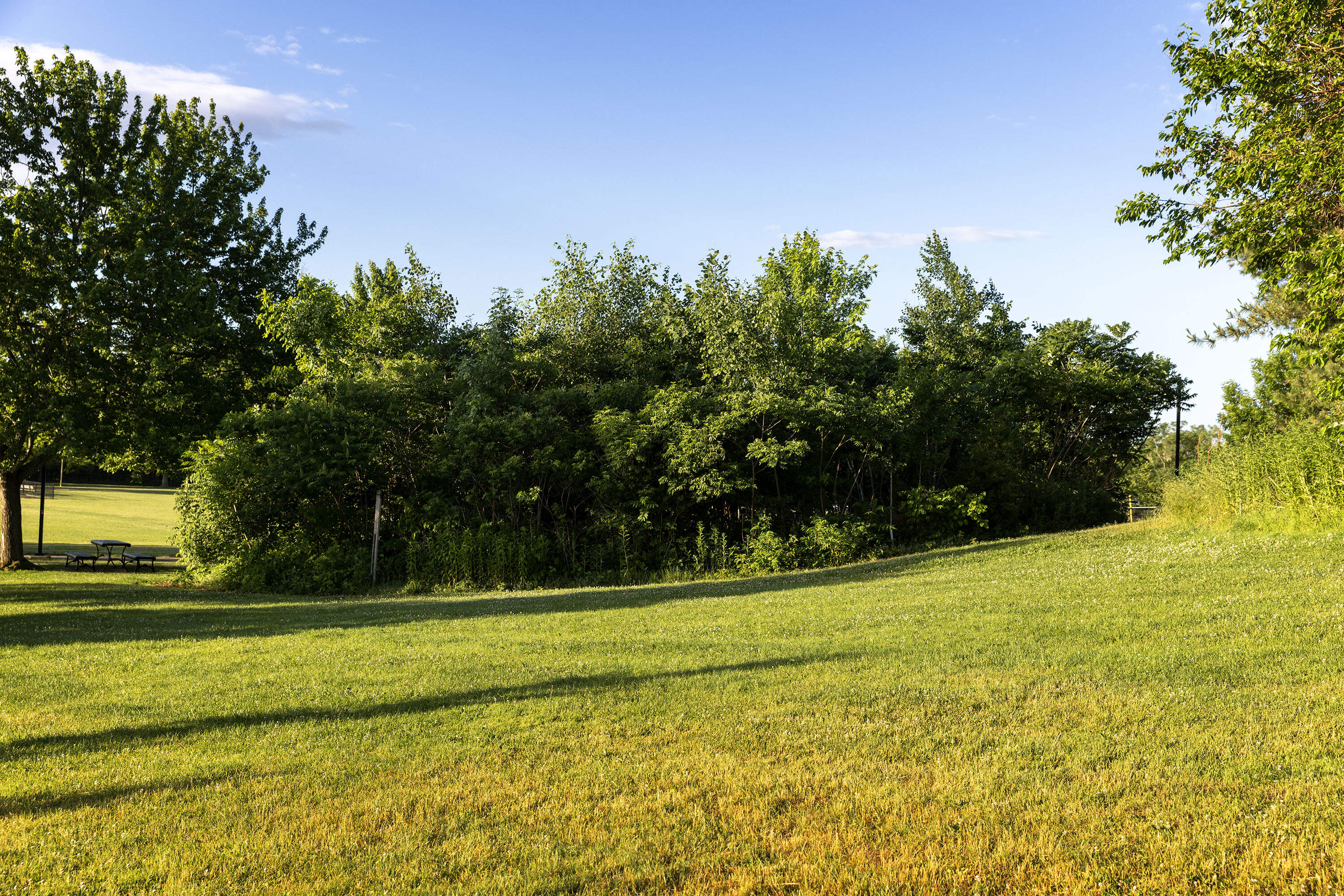
Andrew Putnam, Cambridge’s superintendent of urban forestry and landscapes, said each installation cost about $25,000, and they’ve been a big hit with residents.
The Miyawaki forests are “by far the most well-received urban forestry program we have,” he said.
Cambridge has a goal to cover 30% of its landscape with tree canopy and plant 1,250 trees per year. Putnam said he hopes this will improve quality of life for city residents and reduce urban heat.
Miyawaki forests can present challenges. Before settling on Danehy Park, for example, Putnam said it was hard to find a site with 4,000 available square feet. Then, there was the sumac.
It’s a famously resilient species. That’s why Putnam wanted to plant a native variety in the forest. But the nursery raising saplings for the project came up short on a few other plants and subbed in some extra sumac — three times the intended amount.
“ They outperformed everything,” said Putnam.
Even as a summer drought stymied the other greenery, the sumac thrived. Putnam had to reach into the forest with his shears to stop it from choking everything else out.
Still, “failure is definitely not how I would categorize it,” said Putnam.
He applied the lesson, and others, to the Miyawaki forests he planted at Cambridge’s Greene-Rose Heritage Park and Peabody Elementary School. And he's shared what he’s learned with others hoping to plant pocket forests in the Northeast.
John Rogan, a professor of geography at Clark University who studies urban planting, called the Miyawaki method “fashionable.”
He's worked with a team in Worcester, where city officials received a grant to plant two Miyawaki forests. Rogan said the proposal was widely popular with residents because the city experienced an invasive beetle infestation that forced crews to take down thousands of trees.
“Many cities are longing for public participation and involvement,” said Rogan. His research suggests that community buy-in is crucial for urban tree survival.
Though the science behind Miyawaki forests may be unproven, the concept that trees can help cities adapt to a changing climate is. Studies have shown their shade can cool heat islands in urban neighborhoods, and their roots can soak up stormwater.
Rogan said that Miyawaki forests are best suited for concrete-filled areas that need a boost of greenery. But in any environment, “any type of greenery is better than none,” he said.