Support WBUR
Former CDC Director Rochelle Walensky says RFK Jr.-appointed vaccine panel lacks expertise, vetting
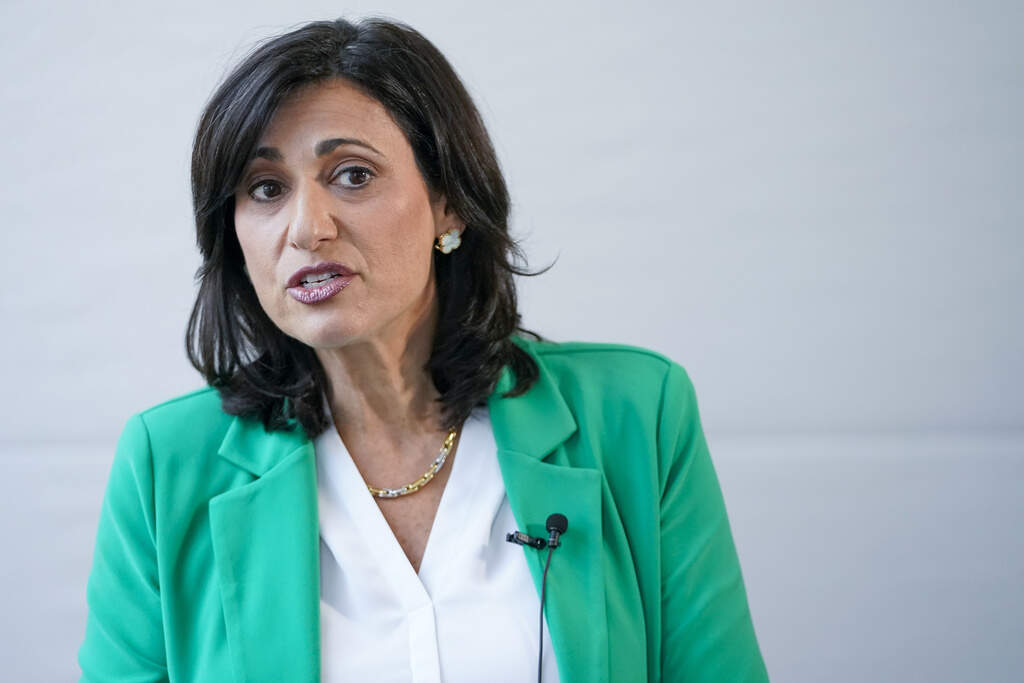
Former CDC director Dr. Rochelle Walensky worries that a powerful advisory panel hand-picked by Health and Human Services Secretary Robert F. Kennedy. Jr. could make some childhood vaccines harder to get.
In an interview with WBUR's Morning Edition, Walensky, who teaches at Harvard Medical School and practices at Mass General, also raised concerns about the country’s readiness for flu season.
Here are key takeaways from the conversation:
She’s troubled by RFK Jr.’s gut remodel of a key vaccine panel
In June, Kennedy fired every member of the CDC’s Advisory Committee on Immunization Practices and replaced them with people known for their skepticism of vaccines. Now, the transformed panel is poised to reshape childhood access in the U.S.
This week, the committee will meet to craft guidance for the agency on which immunizations to recommend for kids, which in turn determines the vaccines programs like Medicaid cover.
As CDC director during the COVID-19 pandemic, Walensky said she relied on the panel’s expertise for “vital” insight on vaccine rollout. Now, she said, the panel appears diminished.
“ I don't get the sense that this set of panelists have the areas of expertise one would want, or have been vetted in the way that was previously done,” Walensky said.
“When you are making decisions for all the children of this country,” she added, “You want to make sure you are relying on the best possible minds.”
She supports Massachusetts breaking with federal vaccine policy, but isn’t sure it will work
In recent weeks, Massachusetts has sought to break off from federal policy on vaccines.
One new rule from Gov. Maura Healey’s office mandates that state health officials, not federal officials, decide which vaccines insurance companies must cover.
Walensky applauded the state's plans, but said they may be limited in their effectiveness because of the nature of infectious diseases.
“We're working at extremes here,” she said. “If Massachusetts is doing this, and the state of Florida is doing the exact opposite, it's not as if people don't travel from Massachusetts to Florida and vice versa.”
Walensky fears that pulling back from illness monitoring will make the U.S. less prepared for disease outbreaks
Early next year, the United States is set to leave the World Health Organization following an executive order signed by President Trump. The White House cited the organization’s “mishandling of the COVID-19 pandemic” and “unfairly onerous” costs imposed on the U.S. as reasons for the departure.
Walensky said it’s the wrong move, and expressed concern about a loss of access to global data.
”For influenza surveillance, for example, we need to look at the trends,” she said. “We need to know if our tests are still working against a circulating virus. We need to know if our antivirals continue to be potent, whether our vaccines will work.”
Walensky also noted concerns about what she describes as the CDC’s dwindling internal capacity to monitor diseases like the flu and syphilis. She said that when she left the CDC in 2023, she was often asked if the U.S. was prepared for the next pandemic.
Now, she said, “not only are we not prepared for the next pandemic, but now I have to be worried about yesterday’s pandemics.”
This segment aired on September 16, 2025.