Support WBUR
Hard hits. Bold nicknames. Boston Roller Derby athletes celebrate inclusive and competitive league
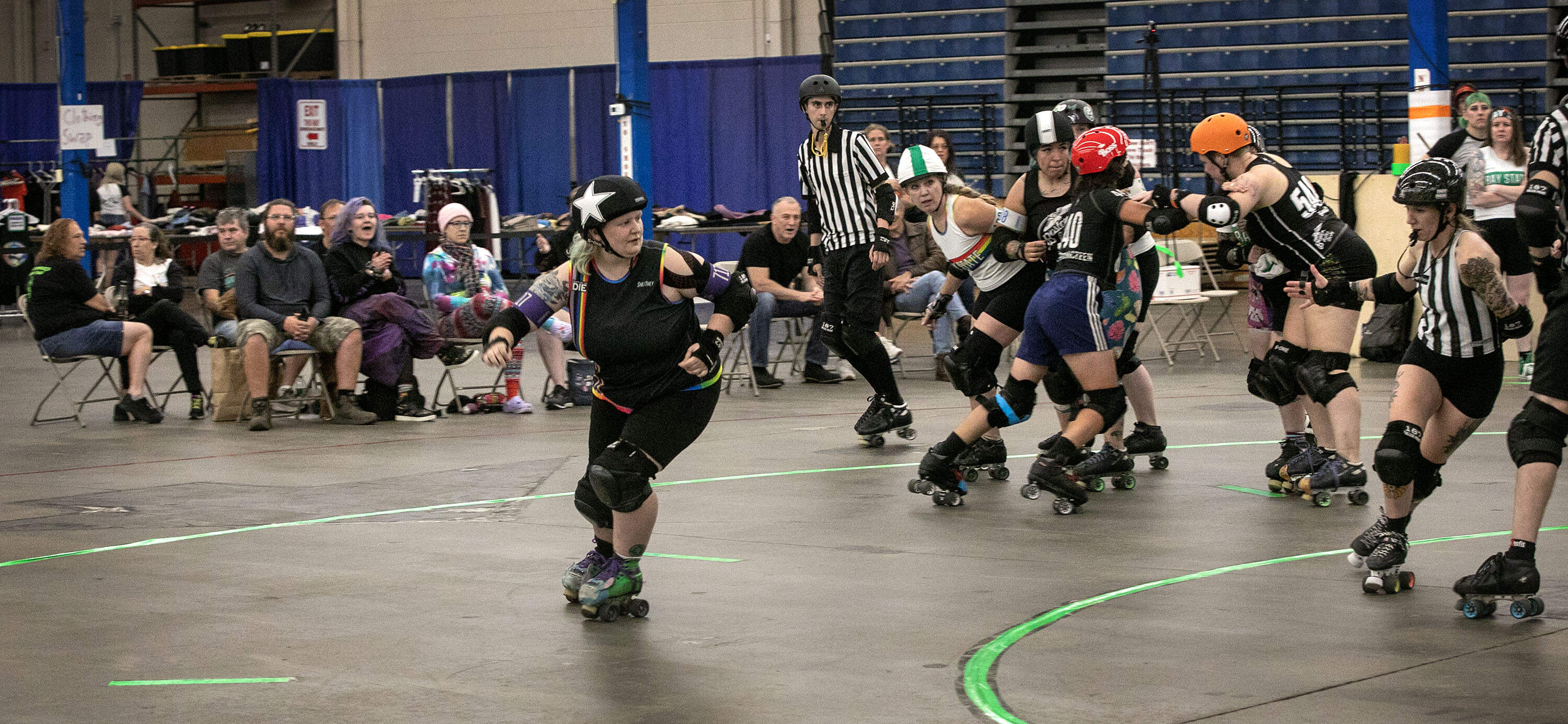
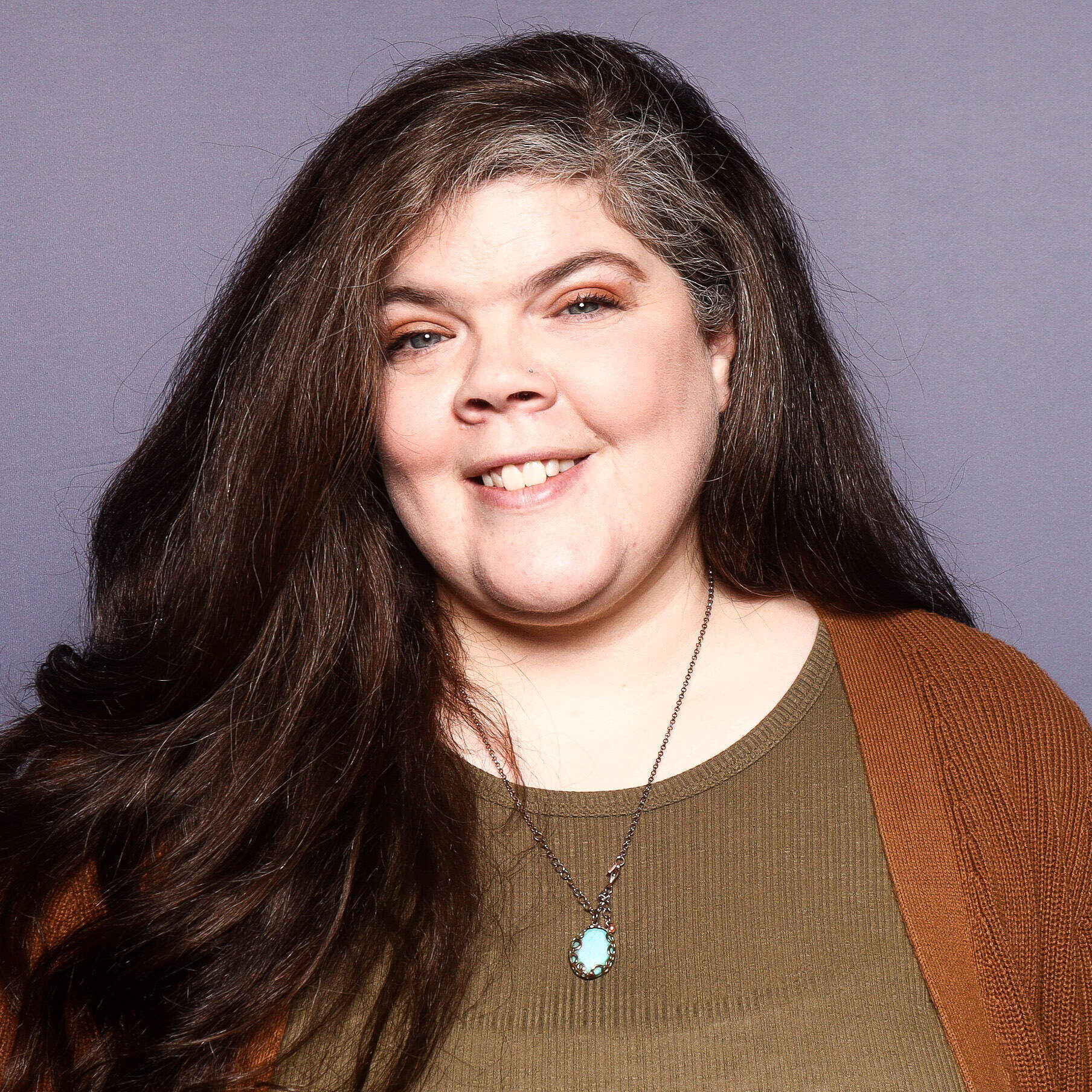
Out on the rink, Boston Roller Derby’s Abby Coburn is known as “Debbie Downher.” But nickname aside, she said she feels nothing but pleased to be crashing into her fellow skaters.
“It's a space where I get to be 100% me at all times,” Coburn said.
As the league turned 20 this year, local skaters like Coburn reflected on how the sport has evolved and come to attract the kind of inclusive culture Boston Roller Derby — and other derby leagues — pride themselves on.
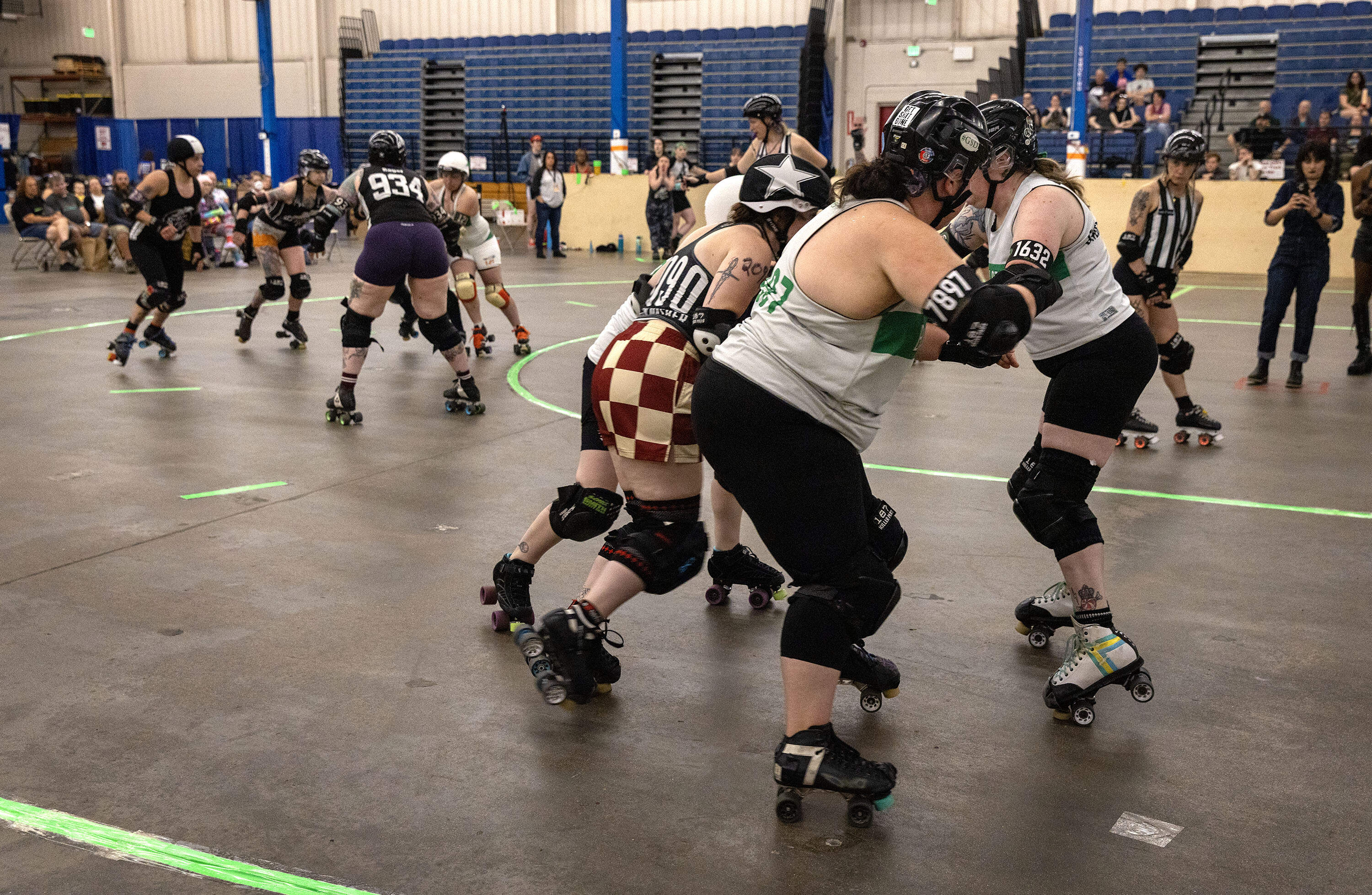
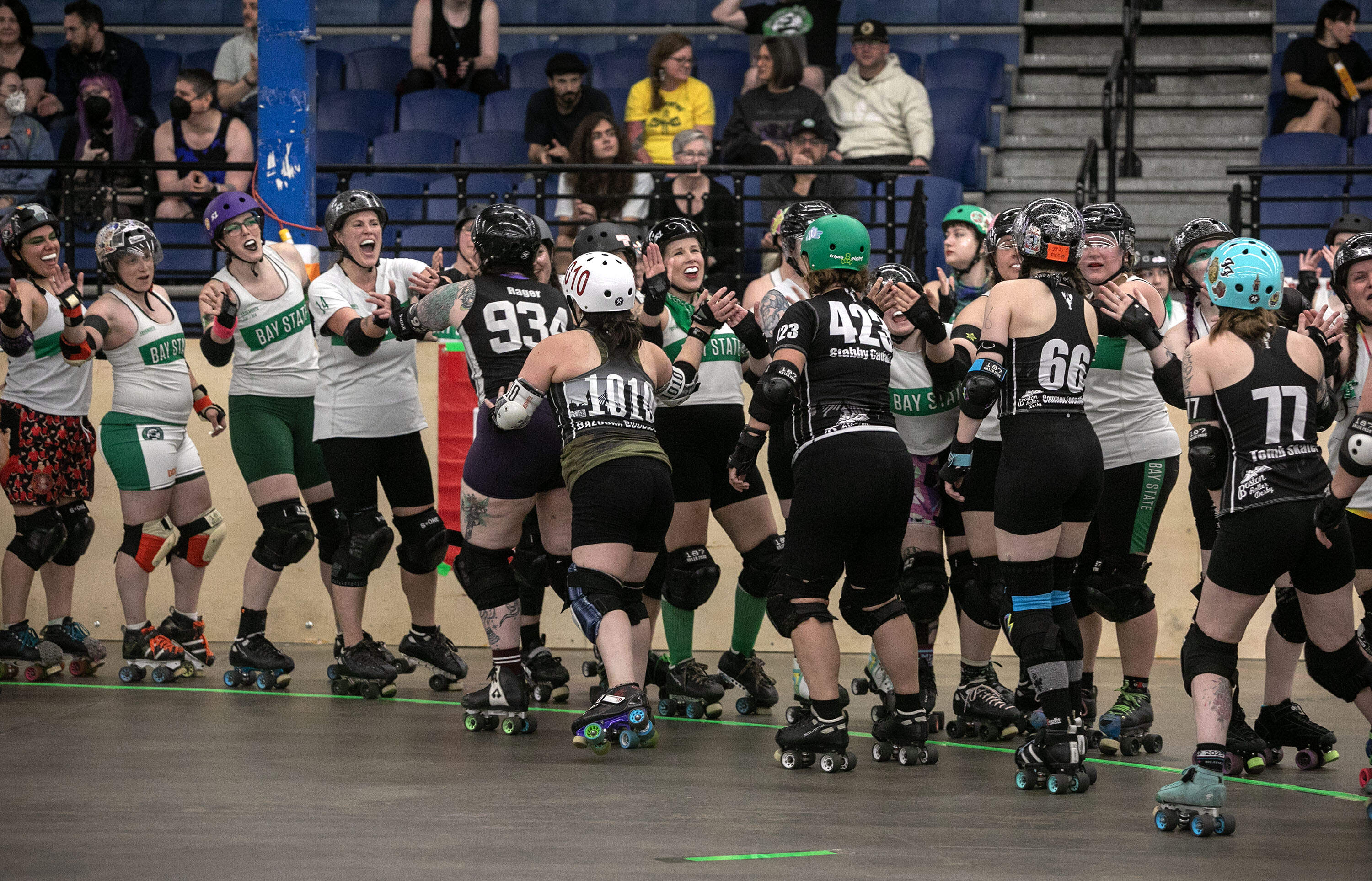
With more than 100 skaters from across New England, the league welcomes athletes of different ages and gender identities. Its leaders’ main focus is on fostering a love for good old-fashioned, hard-hitting competition.
“We have non-binary skaters, we have cis female skaters, we have trans women, we have trans men,” Coburn said. “We have people who come to skate with us because they want that competitiveness, they want that community.”
Roller derby started in 1935. Back then, the sport was no-contact and involved teams of men and women skating laps around the track. Its popularity would ebb and flow over the next 70 or so years. Then in 2001, a team in Austin, Texas started a league that is reminiscent of the sport today: full-contact, ultra-competitive and gender inclusive.
Coburn (whose nickname offers another nickname “Downy”) joined the Boston Roller Derby more than a decade ago. Everyone who skates has a name, and Coburn said the hard hits, occasional costumes and nicknames are part of what makes derby so empowering.
“We're choosing these names that are big and bold. We're taking on these personalities,” Coburn said. “We're allowed to go full contact, we're allowed to have emotions.”
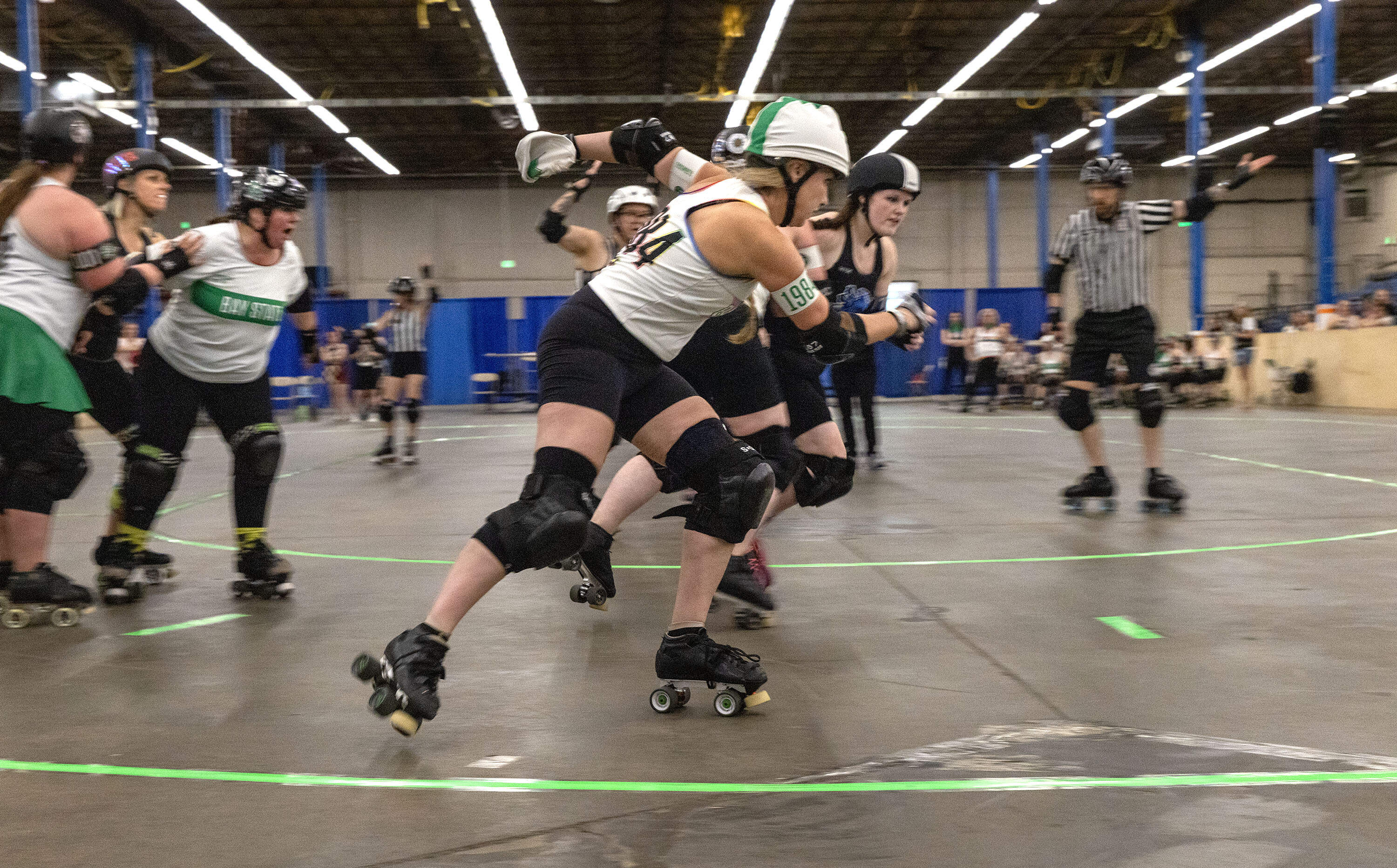
To be sure, Coburn said it’s important to learn how to give and take hits on the court safely. She and others go through a year-long training camp with the league before they’re allowed to skate in games.
Gilesa Thomas, another skater in Boston Roller Derby, is known as “Trini-Deadly.” Thomas is a first-generation American. Most of her family members were born in Trinidad, which is what inspired her derby name.
Thomas plays on the team as a “jammer.” They’re responsible for scoring in matches. Each team has five people on the track during a game: one jammer and four blockers. Jammers try to make it around the track to score a point for their team. Blockers try to block their path.
“I love the community that comes from it,” Thomas said. “I love the athleticism because I need to be tricked into working out … and I love the competitive nature [of the game].”
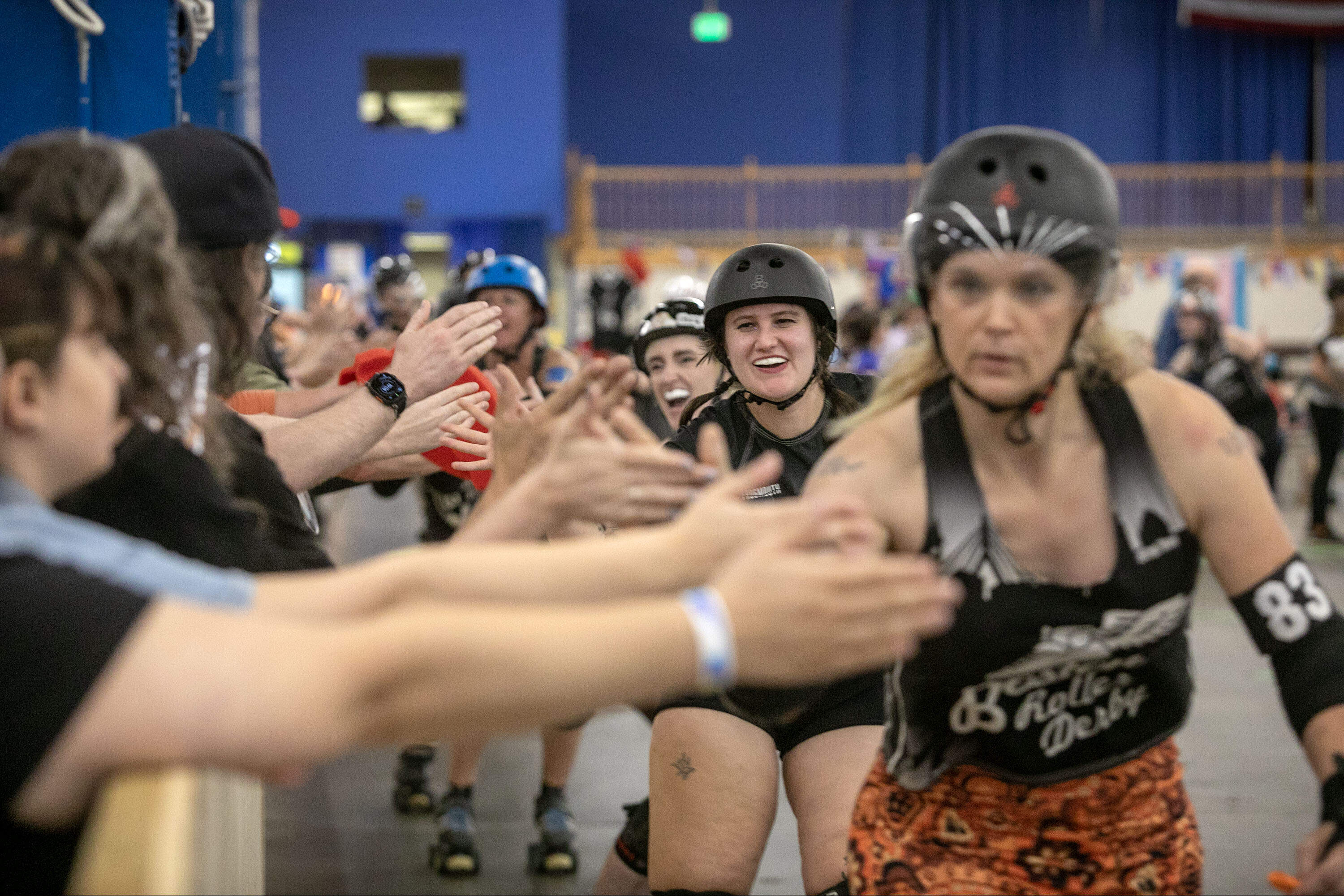
Gwen Blumberg has been with the league for a couple of years and is a captain on one of the league’s teams. Her derby name is “Blister Rogers,” and her friends and foes on the track also call her “Neighbor.” The 54-year-old said she joined after her son went to college.
“I felt like I needed a little something to challenge myself, maybe,” Blumberg said. “So I thought, ‘let's just give this a try,’ ” Blumberg said.”
Blumberg was surprised by how close she grew with the other skaters.
“I started having these friendships with people who were different than me in many different ways,” she said, “and yet we all had this crazy thing that we were learning how to do together.”
One of the people she befriended was Sarah Wells, also known as “Risky Bismuth.” Wells admits the sport can be dangerous, but she’s OK with the injury risks because she loves the community.
“This is my family. You know, for some of us, it's the only family that we have,” Wells said. “Sometimes like you don't wanna show up to practice, but you know you wanna go hang out with your friends and the people that you love.”
Correction: An earlier version of this post gave the incorrect age and position of Gwen Blumberg. She is the captain of a league team and is 54 years old. It also misspelled the nickname of Sarah Wells. It's "Risky Bismuth," not "Risky Business." The post has been updated. We regret the errors.
This article was originally published on November 07, 2025.
This segment aired on November 7, 2025.