Support WBUR
How 'slow birding' — a bird-watching method for novices — works
Counting birds is almost like a sport among the passionate bird-watching community. But for aspiring birders, the rapid-fire memory game can sometimes be a little much.
Enter "slow birding," a movement for novice birders who wish to spot and learn about these winged wonders without pressure.
Bridget Butler, a Vermont birding business owner known as the "Bird Diva," helped popularize the practice. She said “traditional birding” can be competitive because it often hinges on knowledge: correctly identifying what you’re hearing or seeing.
“ Sometimes that can feel really intimidating for folks and kind of keep some people out of the practice of birding,” Butler said.
With “slow birding” Butler said the pressure comes off, and it’s more about the experience of being out in nature rather than having “a right answer.”
“When we practice slow birding, we're asking people to notice, and that's much more accessible because everybody has the ability to pay attention,” Butler said.
Butler said the practice can help you unwind and feel connected to nature.
“ We talk about this fast-paced world that we live in, we're juggling a lot of things, whether they're personal or political, and birds can be that anchor to … find the joy in the moment,” Butler said.
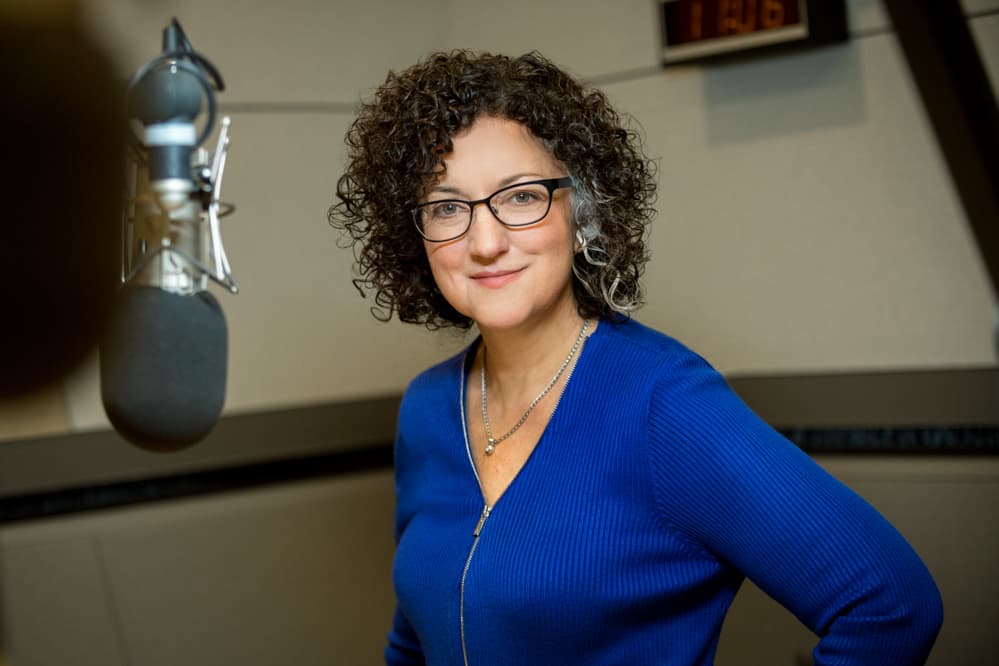
She shared some tips for those starting out with WBUR's All Things Considered host Lisa Mullins.
Find a good spot
The first step to practicing “slow birding" is to find a place that you can visit often.
“It’s not about finding the perfect spot for birds because ultimately there are birds everywhere,” Butler said. “It's just about developing a place that you can go to over and over again.”
Butler said her first spot was right outside her back door. But, you can pick anywhere as long as you know you can get there on a daily basis.
“It could even be the parking lot when you pull into work,” Butler said. “It’s like, ‘I'm just going to pause here for a little bit and I'm going to sit and I'm going to notice birds.’ ”
Keep a journal
Once you have a spot, it’s time to sit there and just observe. What are you seeing? Hearing? Smelling? Butler said taking stock of your space is important. Butler suggested carrying a journal or a notebook.
“You can write in it or draw in it or sketch or whatever feels right in the moment,” Butler said. “It's a way to capture what you notice.”
For those looking for a more active session, Butler offered up the three prompts to get engaged in the space around you: "I notice...," "I wonder...," and "It reminds me of..."
It’s OK to stay inside
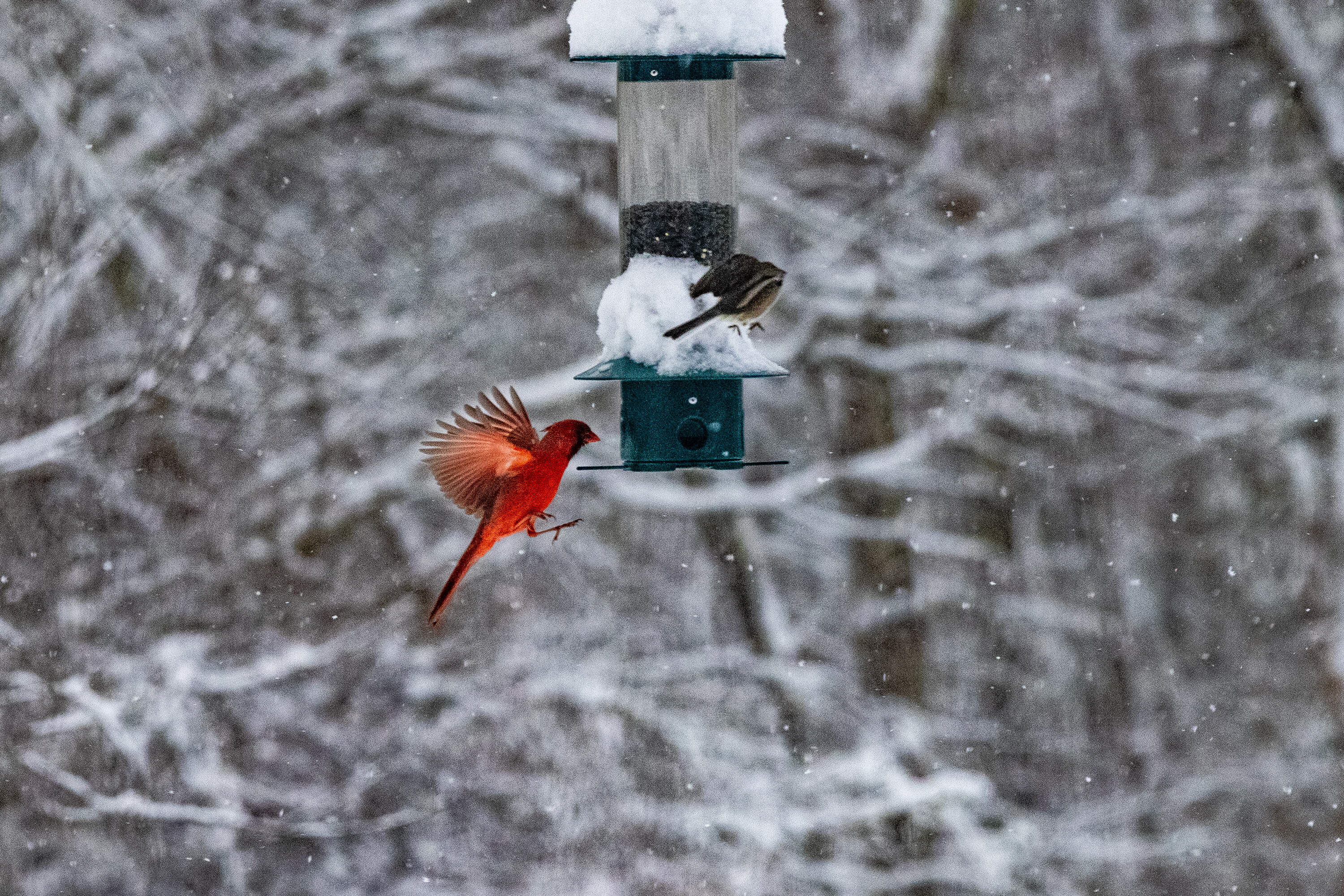
Butler admits that “not every winter day is perfect, so it’s OK to find a cozy spot inside near a window, so you can observe from afar. She said a window near a bird feeder, if you have one, could be a great perch to see a bunch of visitors.
Speaking of the weather, there are ways you can support birds when the temperature drops. Butler suggested giving them food, water and shelter. This could leaving out seed in bird feeders, or planting native species to provide visiting birds with both nourishment and cover.
This article was originally published on February 09, 2026.
This segment aired on February 9, 2026.