Support WBUR
Celtics forward Jordan Walsh doesn't want to be an underdog
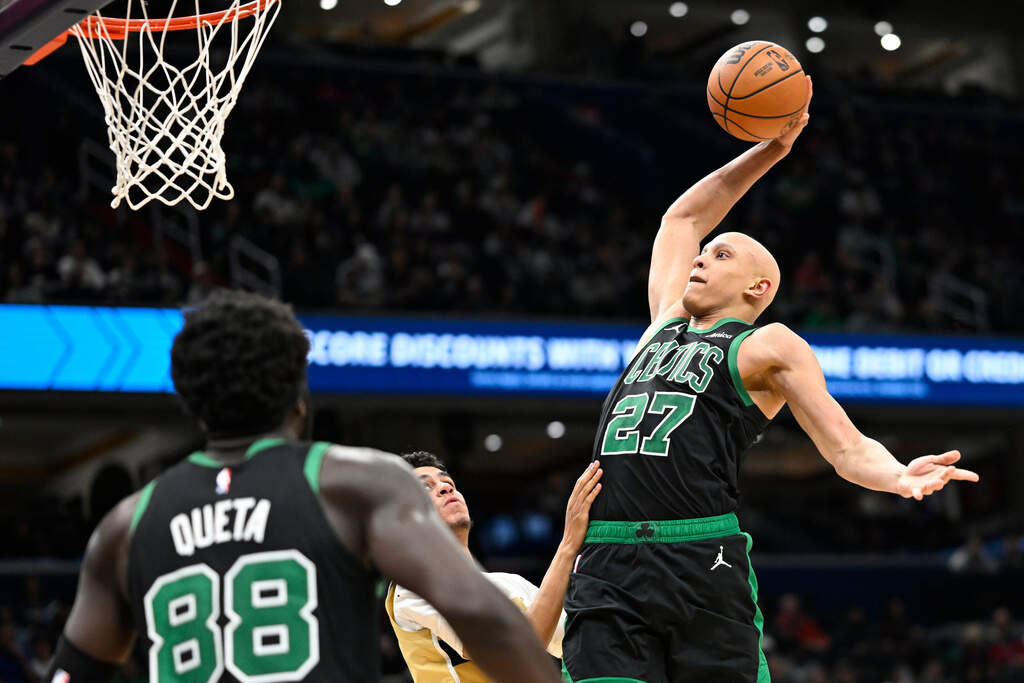
Jordan Walsh has been making his mark on the parquet with the Boston Celtics.
The 6-foot-6-inch small forward has put in minutes nearly every game this season, after splitting his time the past few years between TD Garden and the Celtics' G League team, the Maine Celtics. His stats, from rebounds to assists to blocks, have grown exponentially. The growth is reflective of more play time, but also of the 22-year-old's drive to disrupt the game and make an impact.
For Walsh, impact is also about what he does off the court. He spoke with WBUR's Morning Edition host Tiziana Dearing about that impact, and how he’s thinking about his legacy in Boston.
Below are highlights from their conversation, which have been lightly edited.
Your teammates talk about your drive, kind of your will to make something happen on the court. And if we look at your stats, for example, from 2023 to now, the improvement is just, it's like terminator level, right? You went from playing, in the G League in Maine for the Celtics to starting lineup. You're young. Where does all that drive come from?
"I think at the core of it, you'll see family, friends, people I care about is kind of a driving force. ... My competitiveness is at a different level. I hate losing — ping pong, basketball, video games, whatever is it. I absolutely hate losing.
"Although I've been an underdog for so long, I hate being the underdog because I want people to know that this guy is who he thinks he is. He is here for a reason. I don't want to be always looked at as, 'he's a young guy … he's got time.' Like, no, I want to turn the page, I want to turn the corner and start changing it to, 'oh, he's not a young guy. He's a hooper. He's a guy who can play.' "
This is early in your career. And of course, I know no pro athlete really knows how long that career is going to go. But when you dream about leaving a mark on the game, what does that mean for you?
"It's like a legacy, you know. It's kind of a thing where, after you're done playing the game, people will know you, not by just kind of what you've done on the court, but also off the court, like the community stuff that I do.
"But it's also leaving a legacy for somebody else to kind of follow, set an example for people who are kind of like me, or similar to me, or in similar situations so that they have a path kind of already set for them that they can follow to do the same thing and maybe even make that path a little bit longer for the next person."
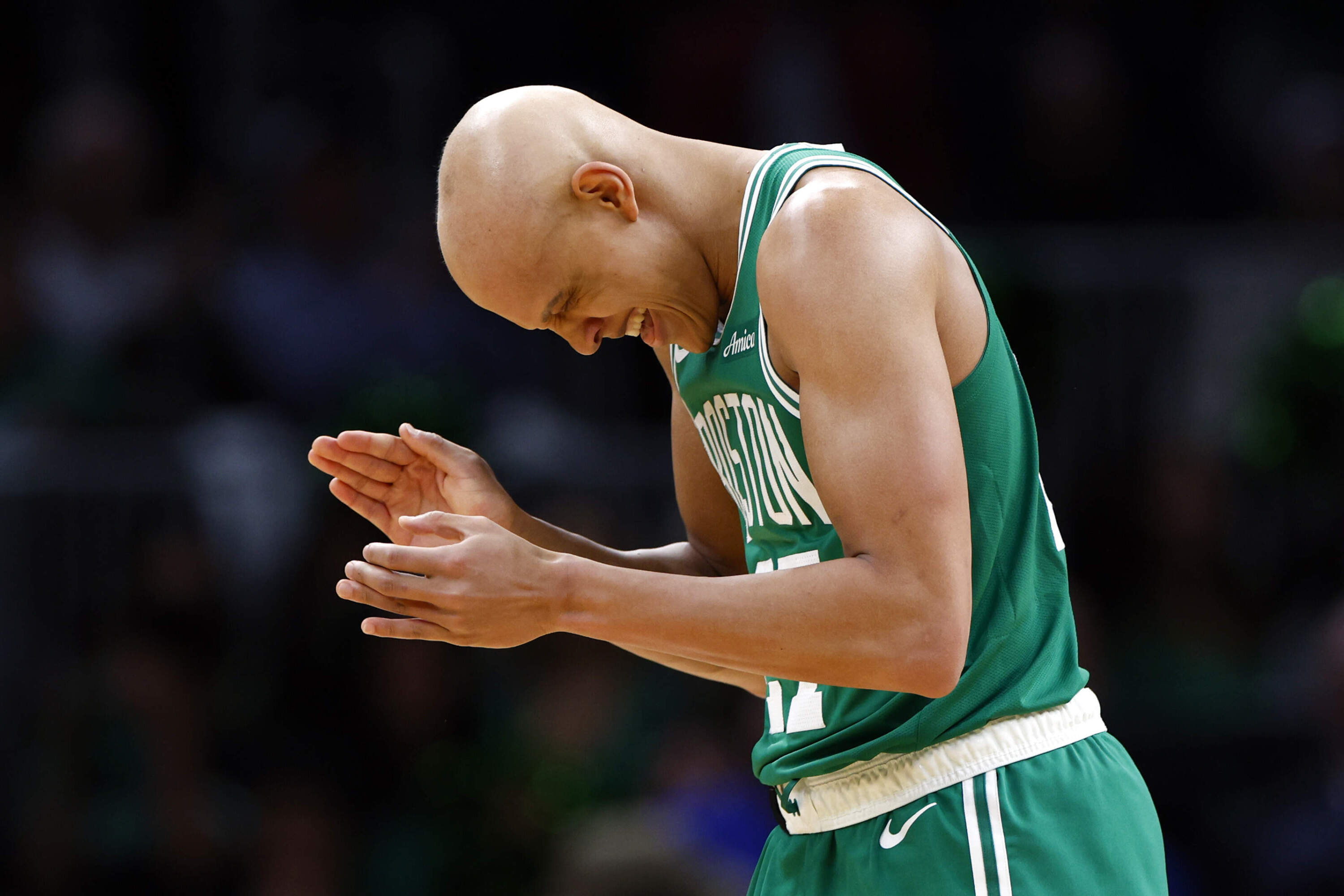
So you say for other people like you, one might think a lot of different things, right? A young aspiring basketball player, somebody who cares passionately about supporting their community, somebody with alopecia, which you have. When you think about the next person like you that you're making space for, Jordan, who is that?
"It's somebody who fits in all the categories you just said. Somebody who's passionate about community, somebody who does have alopecia, or maybe it's just a young kid who doesn't think that they can do it because they're not ranked high in high school or they're not on the best circuit, whatever it is. So it's kind of set an example for those people, anybody who's hungry to get to the next level. "
And were you that kid?
"For sure. I mean, kind of like all through my stages of my career, I've always been like the underdog kind of guy who kind of rose to the occasion and performed and then, you know, everybody saw them and it was kind of like, ‘oh wow, he can do this.’ But obviously for me, it was like I could always do it. It's just now I have a chance to show it. Now I have a chance to do it in front of an audience."
I read an interview where you talked about the fact that when you were a kid, other kids would tease you for your alopecia and then you would kind of fight back. If somebody kind of took a verbal swing at you, you'd take a verbal swing back, but at some point you decided to just let the game that you played speak for itself. Tell me about that moment, because that's a moment of maturity.
"I was fairly young for sure, I was probably a teenager then at this point. Obviously it took me a while to kind of get to that point. ... I would play and more and more people would show up to the games, kind of watch and cheer. And more of my family, more of my friends would be interested in basketball who weren't interested before.
"And it started to become a thing that I was kind of known for, being this basketball player. And it started to change the perception that I had or that people had of me. And so going from a kid, you know, 'he's an alopecia kid' to, 'oh, he's a really good basketball player, we gotta go watch him this weekend.' Like, that's kind of where it started to swing for me."
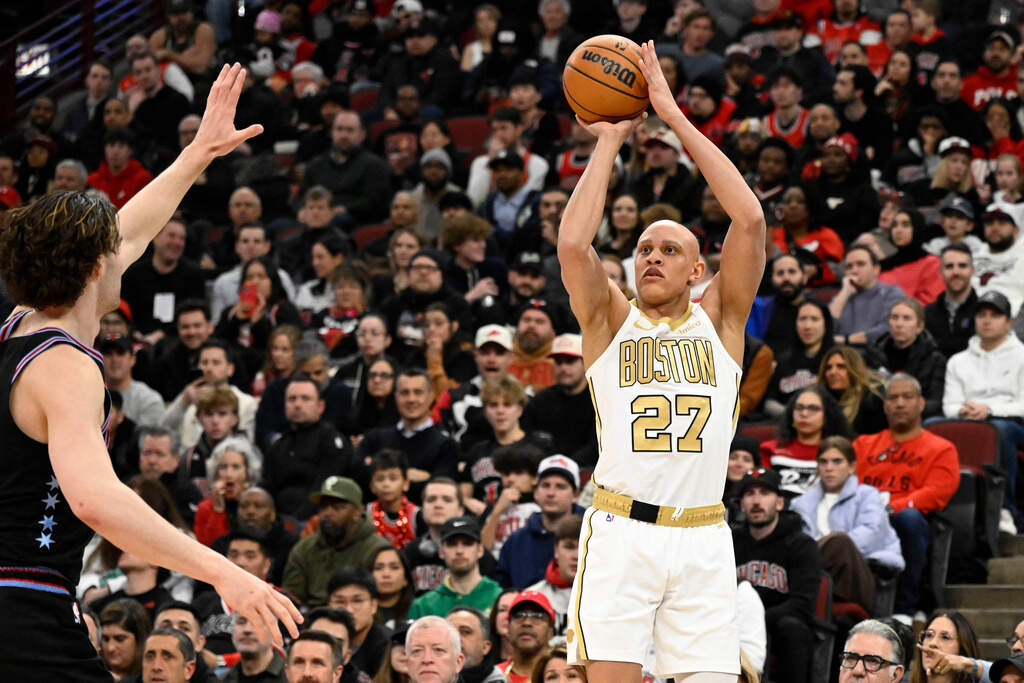
So you talk a lot about your parents raising you to give back. First, what does that look like for you?
"I've done a lot of things with the kids in the area, whether it's Christmas or supplying them school supplies or getting them clothes for the winter … Just small stuff.
"When you see a kid happy about it or excited about it, you see his family come up and thank you. It makes you feel good, something you can't really gain from scoring 30 in a basketball game. It's something you gain by helping somebody else out who needed it."
What do you think that legacy should be for you? What do you want that part of your legacy to be?
"Obviously I'm a basketball player, so I want to leave a legacy that way. But I think that having something outside of basketball that can stick with you when you're gone or you're out of the game or whatever, I think is more important.
"Leaving something behind, I guess, even if it's just a memory for other people or an experience or providing an experience for somebody else that they can take with them the whole rest of their life that they'll remember and maybe pass on I think is a huge thing. And I feel like that's what a legacy is."
This segment aired on March 20, 2026.