Support WBUR
Commentary
D&D turns 50 this year. Gather round the Dungeon Master's table
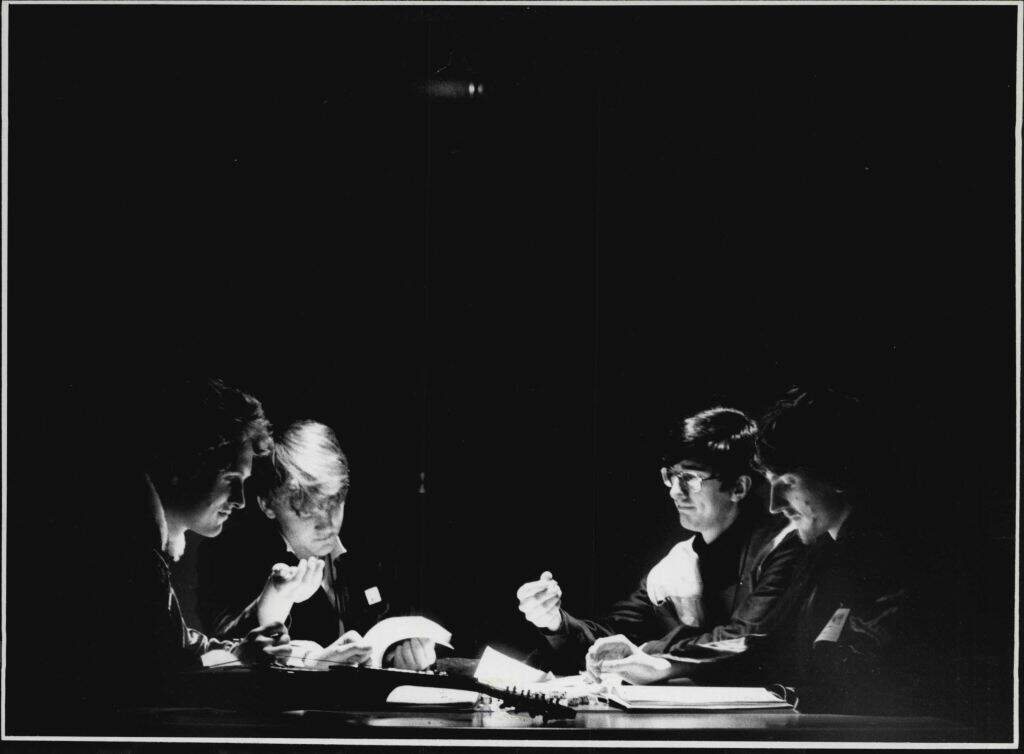
I associate the first time I played Dungeons & Dragons (or D&D) with a feeling of freedom and liberation. Rolling my first 20-sided die, seeing my character’s first adventure unfurl in my imagination, I felt released into a limitless kingdom of possibility.
This wave of potentiality hit me when I was 11, in 1979. As a free-range child of the ‘70s, I literally had too much time on my hands. The era’s meager options for escapist entertainment were limited to the occasional blockbuster movie like “Star Wars,” “Star Trek” reruns on the UHF dial and reading (and re-reading) books like “Mrs. Frisby and the Rats of NIMH,” “Watership Down,” “The Book of Three” and “The Chronicles of Narnia.”
Of course, we also had games and toys: My siblings, the neighborhood kids and I tended towards Monopoly and Battleship, Barbie and GI Joe. I also played make-believe. I made Super 8 monster claymation movies. I doodled and scribbled. But I had no structured place to actively park my tendency to make s— up.
Dungeons & Dragons became that sandbox.
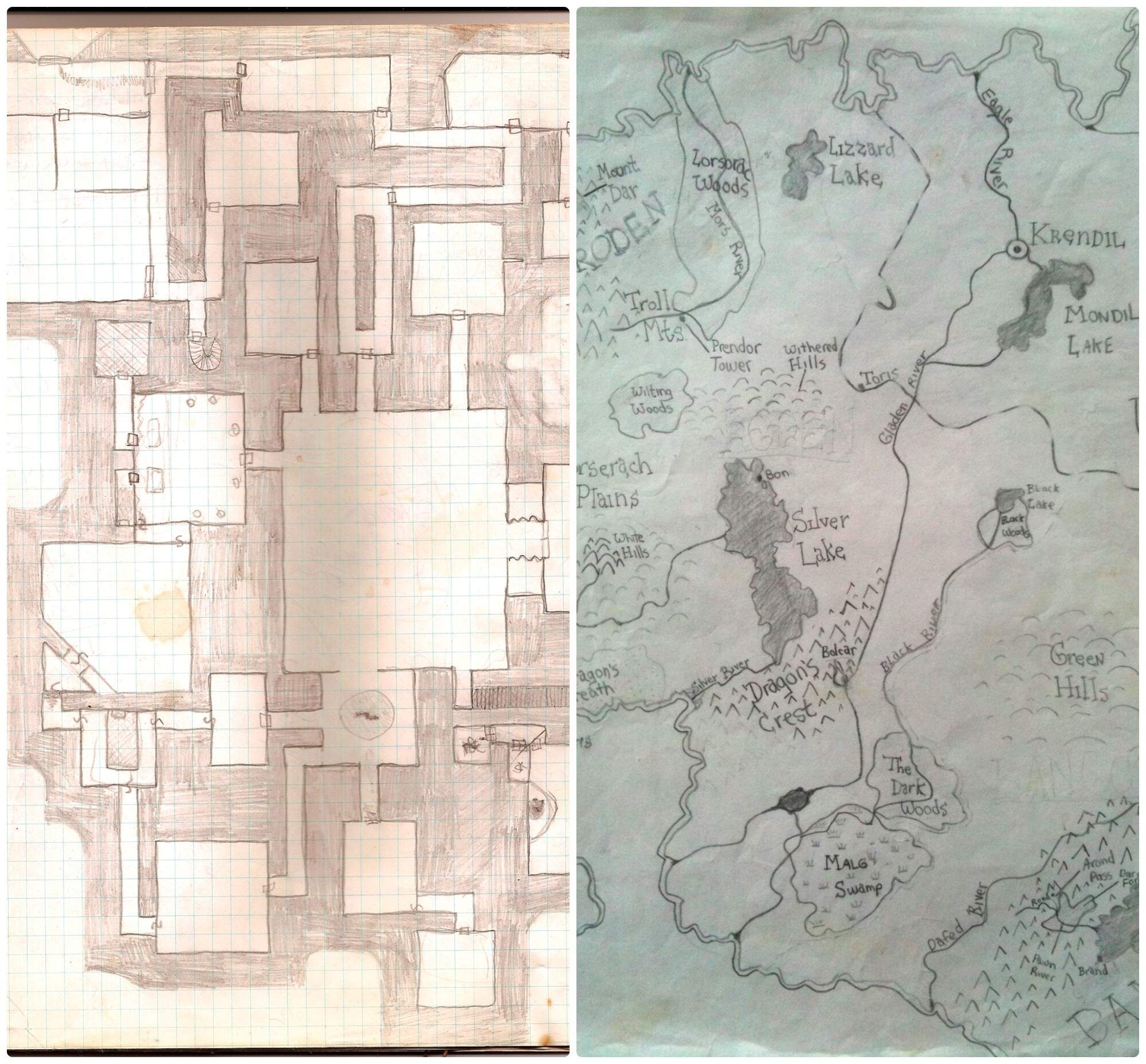
The venerated fantasy role-playing game D&D celebrates its 50th anniversary this year. In 1974, the earliest version of the game was released with little fanfare to hardcore wargame fans. Five years later, news of the game had traveled, like an urban myth, to the far reaches of my small New Hampshire town. A neighborhood pal, JP, newly arrived from California, introduced me to D&D’s world of obscure attributes like dexterity and charisma; “rolling to hit” with funky, polyhedral dice; and designing dungeon maps with number 2 pencils on aqua-lined graph paper.
This year, as designers release a semi-centennial iteration of rules and digital add-ons, they can be confident the game is no longer the sole hobby of basement-dwelling, white boys and men. D&D’s parent company, Hasbro, has shrewdly rebranded the game to appeal to Millenials, Gen Z and players from BIPOC and LGBTQ identities. They’ve scrubbed D&D’s most problematic fantasy tropes (e.g., dark-skinned, evil subhuman orcs). Livestreamers and podcasts such as “The Adventure Zone,” “Critical Role” and “Dimension 20” have helped reposition the game as a hip spectator sport on par with professional football or a Fortnite Twitch stream. With some 50 million players worldwide, D&D is officially cool.
D&D’s legacy looms larger than you might think: The game’s tropes — quests, wizards, elves — blazed a trail for adjacent arcane entertainment. There would be no Harry Potter mania, the umpteen “Lord of the Rings” and “Game of Thrones” sequels or video games like The Legend of Zelda and Elden Ring. And there would certainly be no “Stranger Things,” which takes place in the 1980s and name-drops D&D as the crucible in which its dorky heroes are first tested.
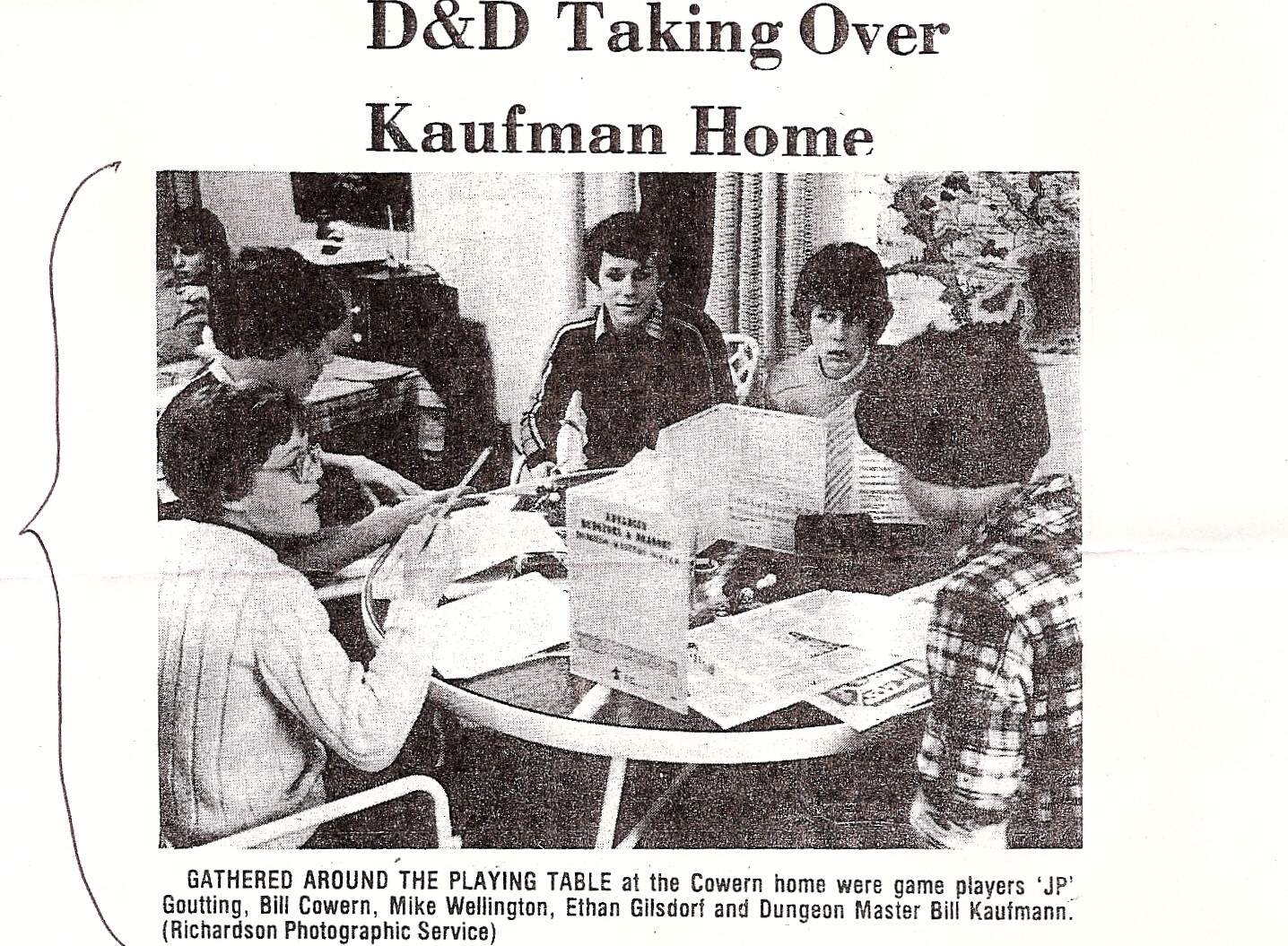
On a personal level, D&D and other tabletop role-playing games offered me a template to create my own fantasies, my own narratives that starred a version of me that was less nerdy and more aggressive, less timid and more adventurous, less self-conscious and more carefree. I think D&D has served that role for many players over the decades. The game has been a portal for many creatives, from Ta-Nehisi Coates and Stephen Colbert to Anderson Cooper, Junot Díaz and Deborah Ann Woll. I’ve argued in a TEDx talk and elsewhere that the game builds character, creates empathy, develops leadership and problem-solving skills, and provides a safe haven for risk-taking. I’m such a firm believer in the benefits of D&D that I teach others to play the game.
Teenage Ethan was not designed for gridiron heroics, but on the playing field of D&D, he could shoot lightning bolts from his fingertips, parley with a dragon or resurrect a wounded comrade.
Yet what’s most remarkable about the game is the unique space it has protected from its pop culture competitors. D&D is not about consuming narratives: The D&D universe hasn’t grown its intellectual property with books, video games, TV and movies ad infinitum, although certainly there are D&D-themed examples of all these. Instead, the focus remains on a shared, communal, imaginative space, which its players agree to inhabit and nurture by spending an evening playing around a table together. In our culture today, there exist few opportunities for genuine collaborative creativity and play that are accessible to anyone of any age and skill level. But D&D has provided that for 50 years.
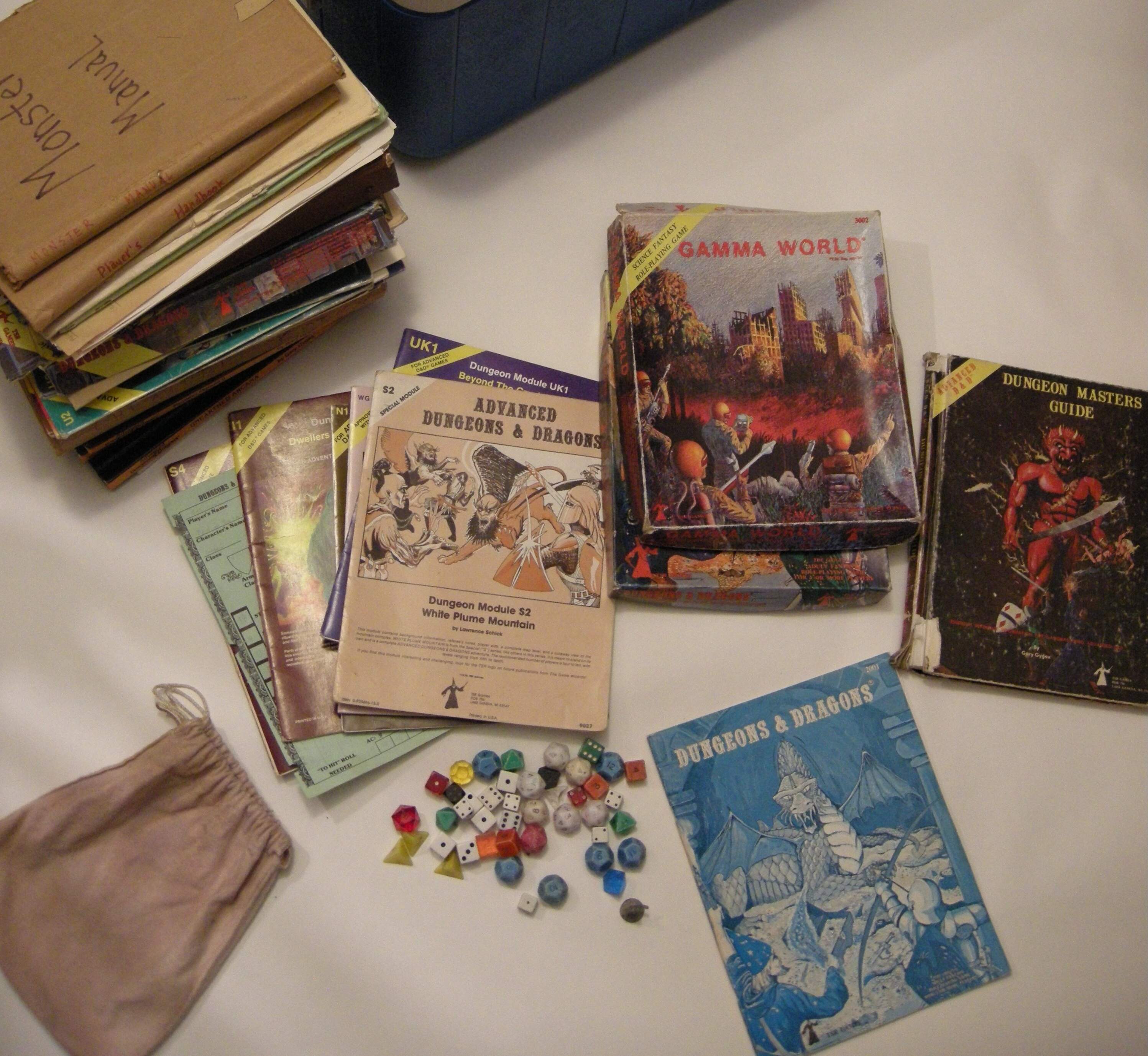
D&D sessions are led by a Dungeon Master, the narrator and arbiter, who guides the adventure. Players are armed with rudimentary tools — rule books, maps and 20-sided dice to determine outcomes — yet the primary game board is an imaginative one. Infinite choices, unexpected plot twists, and improvised banter are the essence of D&D. It is, ultimately, a storytelling game.
Never before had a game suggested, “Here are some rules, but bring your imagination to the table to fill in the space around them.”

In my day, D&D was seen as a Satanic youth-corrupting threat on par with heavy metal, rap music and R-rated horror movies. Nowadays, screen time is the enemy. Hasbro has wisely capitalized on the in-person experiences D&D fosters by releasing free educator resources, including a “D&D Classroom Curriculum” and a webinar called “Building Emotional Literacy Through Dungeons & Dragons.” Educators now believe D&D builds creativity, teamwork and problem-solving skills.
Shelly Mazzanoble’s forthcoming book, “How to Dungeon Master Parenting,” even suggests that running a D&D game can help you run your family. This old-school pen-and-paper game that helped kids and adults battle isolation during the pandemic could foster social development and help address the current epidemic of loneliness. I can’t help but smirk as this once-feared pastime is now embraced by educators and childhood development experts.
Like any passionately nerdy fanbase, some OG players will complain about the new 50th anniversary editions of the three classic rulebooks — the Player’s Handbook, Monster Manual and Dungeon Master’s Guide — and say the "Digital Play Experience" platform (known collectively as “One D&D”) is merely a Hasbro money-grab.
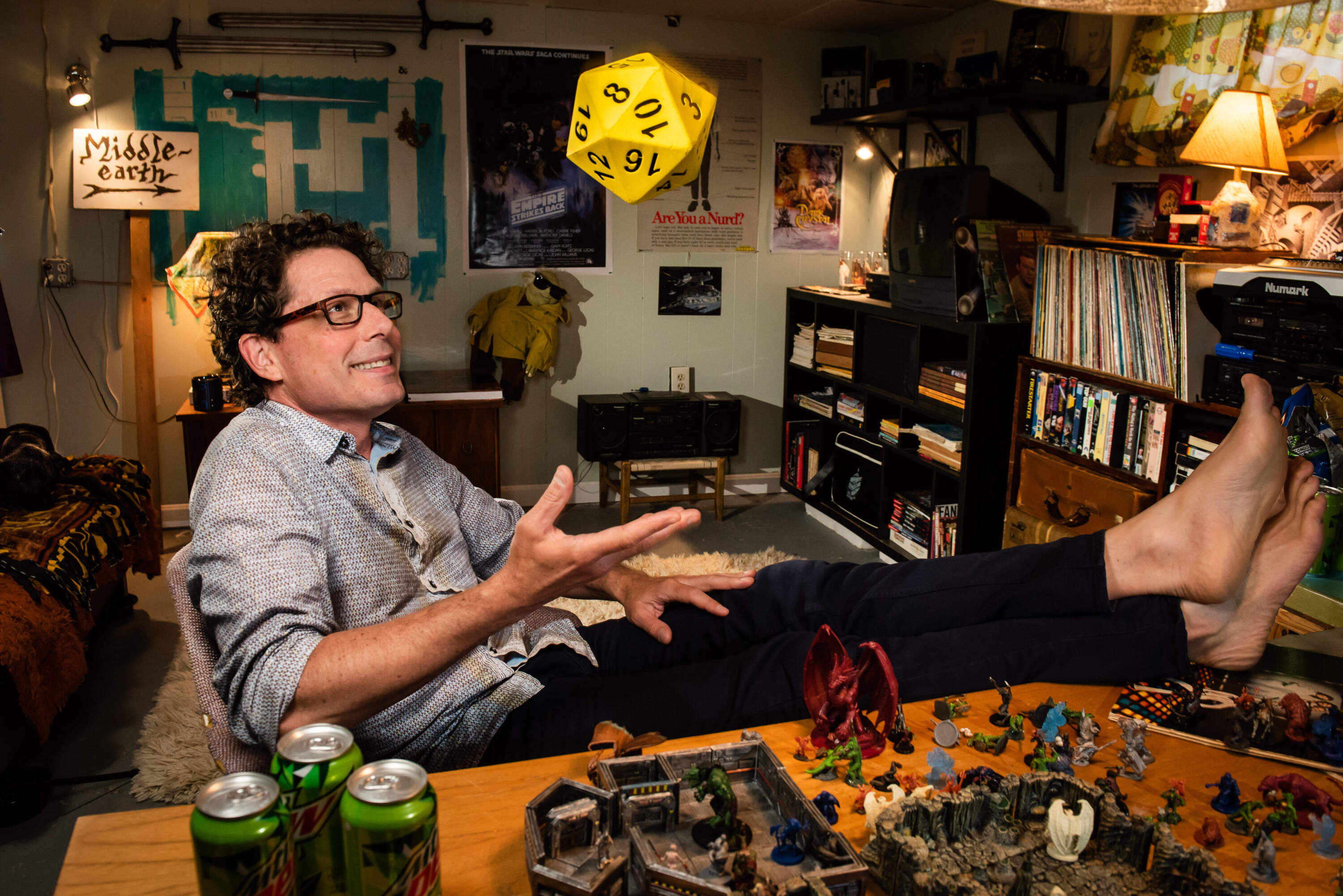
I don’t want to yuck someone else’s yum, but this grumpy Gen X player remains skeptical of screen-based tools that encroach on D&D’s low-tech roots. I long for analog connection. I yearn for reasons to put my laptop and phone away for the evening.
And I’m forever grateful to D&D for creating a rare sacred space where we players can entertain ourselves by spinning a narrative out of thin air. Weaving heroic exploits, suspense, valor and comedy around a table, there’s nothing better than telling that tale together. Where the story will go, no one can ever know.
Happy birthday, Dungeons & Dragons. May you keep rolling natural 20s.