Support WBUR
Commentary
The circle can be broken — and mended again
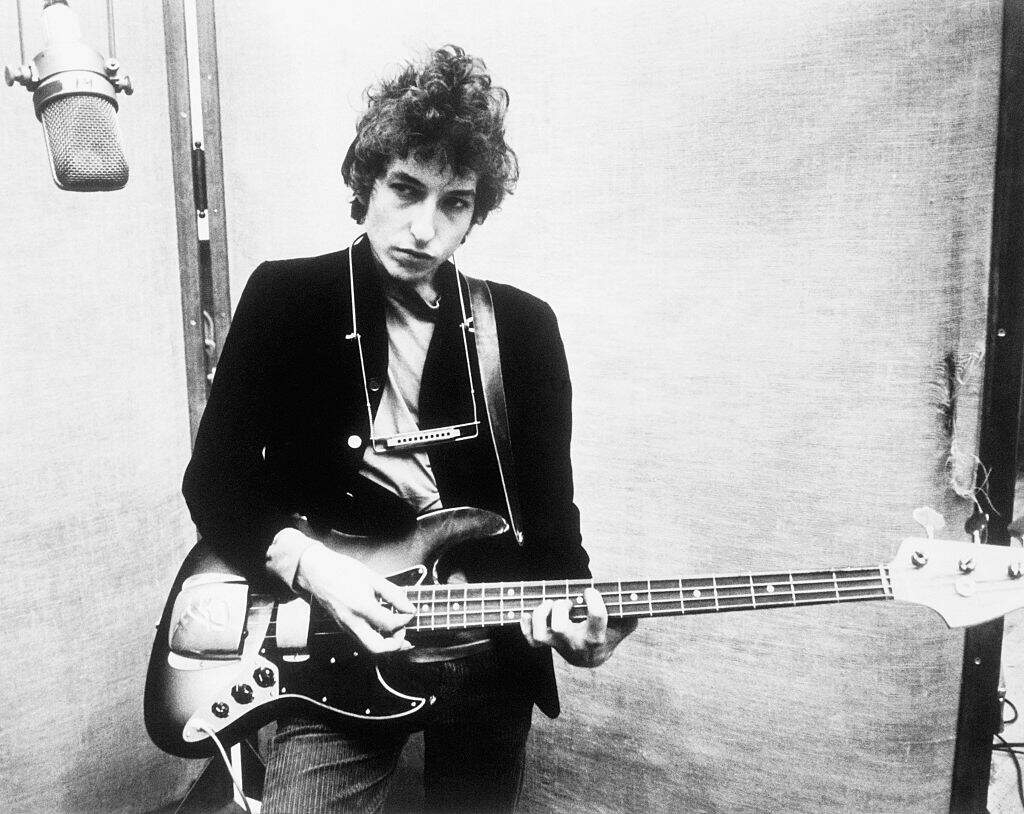
The classic 1935 Carter Family country/folk song “Can The Circle Be Unbroken (By and By)” is a song that rightly haunts those of us who seek sonic visitations from a loved one who has died. It’s a song about the death, funeral and grieving of the singer’s mother, and the promise of a better world. I came to it many years ago through Woody Guthrie, Pete Seeger, Johnny Cash, Bob Dylan, Bruce Springsteen and so many others who had recorded their own versions. The song runs through my bloodstream. I was raised as a second-generation Beatles fan, and at 16 I was devastated by the murder of John Lennon. It seemed that the circle could be broken, fractured, bifurcated and twisted.
I’d thought this understanding of death’s inevitability was enough to protect me when I someday lost a loved one. But folk music and murder ballads like Bruce Springsteen’s 1982 classic “Nebraska” made death poetry, not reality. I never thought I’d be dealing with death as a 20-year old. So I was unprepared when my sister Lauren died as a result of the heartless aim of a drunk driver on Easter Sunday in 1985. I fell down for a few years and didn’t get back up again for several more.
Therapy, self-reflection and logic taught me that Lauren’s death was the fissure point for my parents and my four remaining siblings. We were heartbroken. We managed to carry on, but after her death, there was always a gap that couldn’t be filled.
As a singer, poet, painter and avid music fan, Lauren offered me many things during her short life. From her I learned about the romantic entanglements of Fleetwood Mac, the sonic majesty of Stevie Wonder and the romantic longing of Joan Armatrading. She introduced me to Bob Dylan in 1980, five years after his release of “Blood on the Tracks.” Dylan was deep in a religious phase then, so all I knew were these songs of lost love and heartbreak.
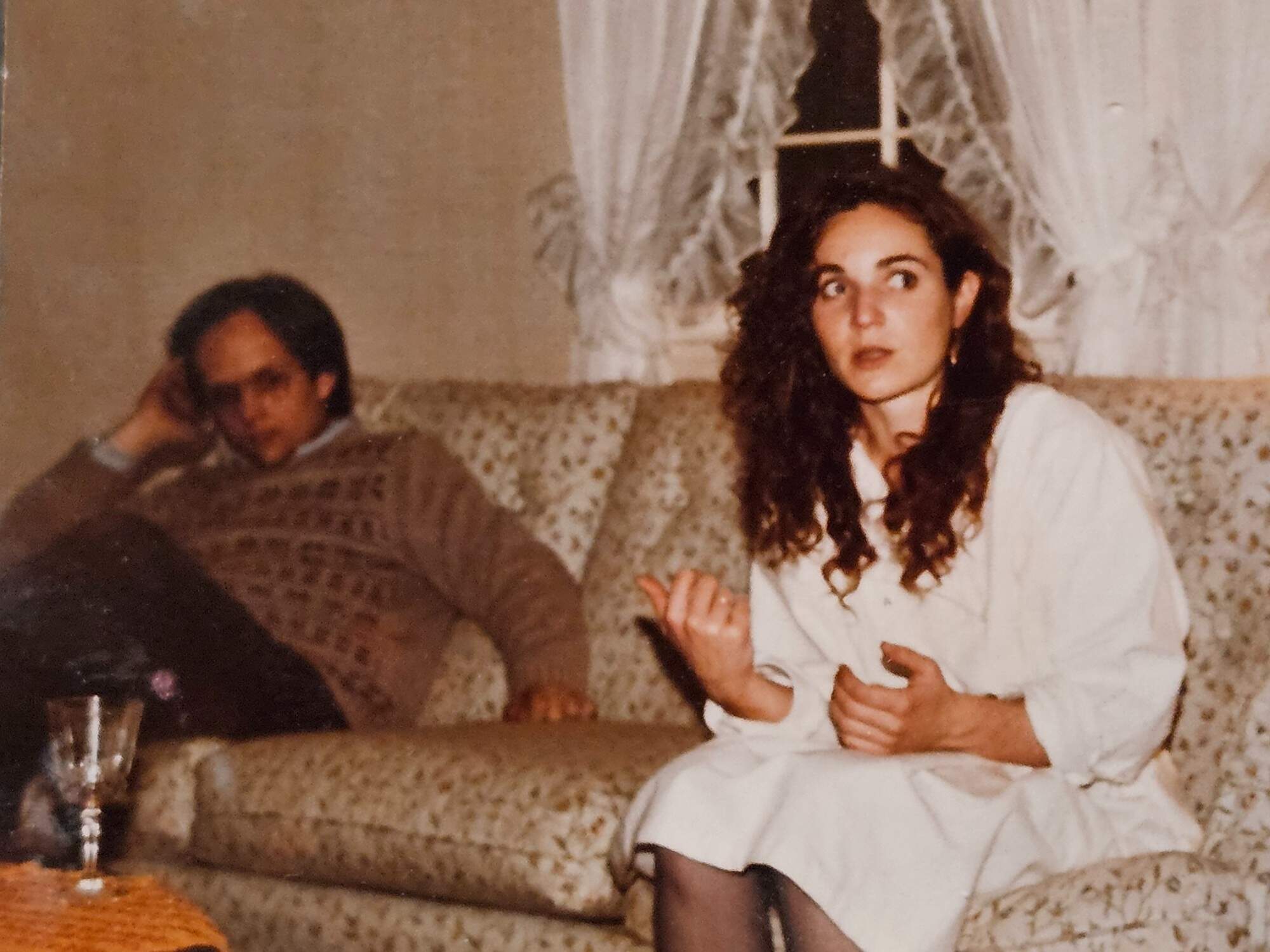
We mythologize lost siblings because it’s easy, convenient and romantic. It was especially easy with Lauren. She was a tragic figure whose self-loathing manifested in an extreme eating disorder that almost took her life as a teenager. I suspect she was traumatized by sexual abuse, but I’ll never know for sure because she kept so many secrets in her 23 years on this Earth and most of her small circle of friends have either disappeared or conveniently forgotten to remember her.
Here’s what I know. My sister Lauren could play the flute solo to Chicago’s “Colour My World.” She could sing the main melody (and harmony) to Crosby, Stills & Nash songs whose lyrics she scribbled on the hardcovers of weather-beaten dictionaries. She spent a year living in Greenfield and started a liberal arts degree at the community college, and for a time she lived alone in a cabin in the woods of Boxford, Massachusetts. But there’s a lot I don’t know. What did she do at night? Who came to visit? How did she keep warm?
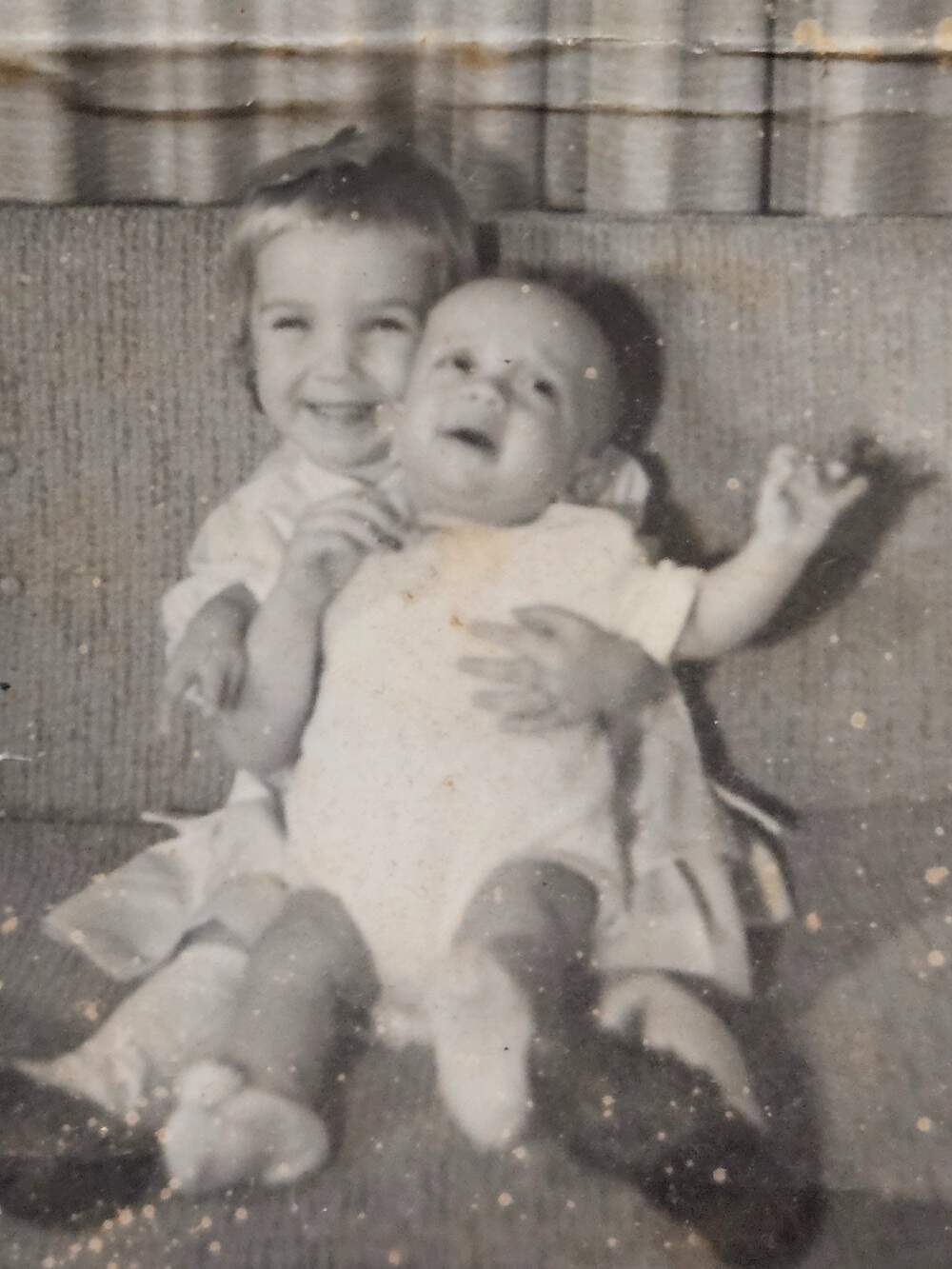
Lauren left behind warped record albums, smeared journals and a few portfolios of visual art, but not much else. Everything she owned could be contained in three large trash bags, but everything about her still looms large in my life. Lauren was and is a circle creator in my life, and as is the case with so many of us who mourn the dead, there are moments when she comes back to me. They’re not forced, not painful — just perfect.
One of these happened recently, just a couple of days after Christmas when I saw “A Complete Unknown,” a loose interpretation of the events that brought Robert Zimmerman (who became Bob Dylan) from Hibbing, Minnesota, to New York City in 1961 and what happened after he arrived. Veracity seems to be the first thing to go in musical biopics, especially about somebody as elusive as Bob Dylan. In the film, the timeline is compressed and Dylan comes off as gifted, brazen, brilliant and insufferable — both a cold opportunist and a scared young man, afraid that he was going to be compartmentalized forever as the voice of a generation. His going electric at the 1965 Newport Folk Festival is portrayed as tantamount to Stravinsky’s 1913 Rite of Spring riot. Sometimes, we’re led to understand, you have to burn it all down before you can rebuild it in your own image.
I watched the film with my soon-to-be 20-year-old godson. I’d raised him on a steady diet of Dylan, Bruce Springsteen, The Beatles and Simon & Garfunkel. According to the film, Dylan conquered the world armed with only an apparently encyclopedic knowledge of folk, and then rock and roll. As I sat next to my godson, I realized how much of a burden it might be for creative young people like him to watch this story and feel like they need to live up to it.

I can relate. The path I was “supposed” to follow — successful short story writer and humble college professor — never fully manifested. I’ve written things over the past 40 years, taught many classes and rambled, but there was always that missing factor. I’d lost Lauren, my champion, my sponsor, my artistic guide. My parents were both supportive in their own ways, but neither of them made it past 70. It took me years to get back on the circle’s path after my sister died.
The only way we heal, it seems, is to allow for the miracle of presence, the blessing of those who’ve passed but remain with us. The other person in the movie theater with me that afternoon was Lauren. Maybe she was sitting between my godson and me, or comfortably three rows ahead of us. Maybe she was wondering if Dylan was the best hero to offer me as an impressionable 16-year-old. Maybe she knew I was pretending to understand the heartache, longing and regret of “Blood on the Tracks,” but I knew a little about the “Idiot Wind.” I knew too much about being “Tangled Up in Blue” (“All the people we used to know/ They’re an illusion to me now.”)
Lauren was in the theater that afternoon, watching Timothée Chalamet play Dylan absorbing the folk music world of New York City in the early ‘60s with me. She knew 45 years ago that Dylan’s journey could be an inspiration for what I’d do (or not do) for the rest of my life. I’ll never be sure if there’s a better world awaiting, as so many have sung, so the only option I have is to just keep listening to the music.
Follow Cognoscenti on Facebook and Instagram. And sign up for our weekly newsletter.