Support WBUR
Commentary
Five years on, the isolation of the COVID-era haunts us still
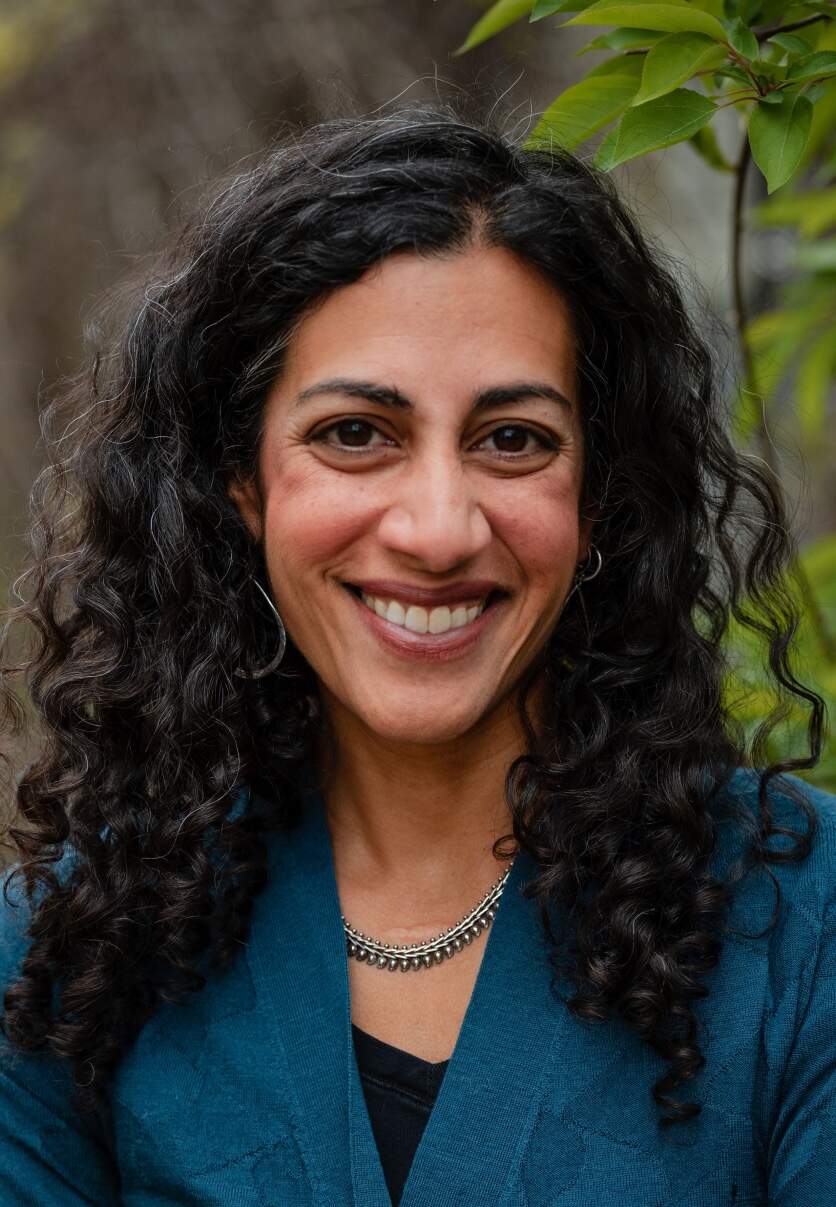
I’m a perinatal psychotherapist who specializes in supporting clients through the transition to parenthood and into early parenting. In March of 2020, when the COVID-19 pandemic hit, I knew that it would have drastic impacts on perinatal mental health, primarily because new parents would lose vital hands-on support from extended family members, postpartum professionals, and their local communities. I witnessed many clients express deep grief and sadness about the loss of numerous postpartum supports that they had counted on while navigating a massive life transition. For many new parents, this sudden and unpreventable loneliness and isolation was traumatic.
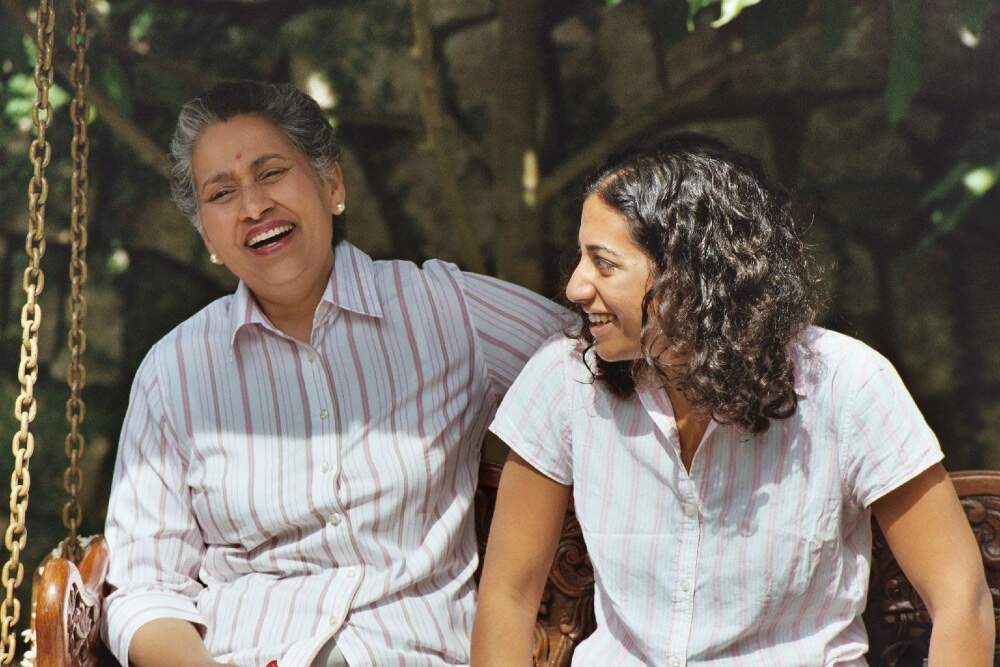
My mother’s death in May of 2021 was a life transition that happened to fall, for me, within COVID times. Most adults and teens had been vaccinated, and we were in cautiously optimistic stretch before the Delta variant arrived in July. Thankfully, I saw my mother a few times that spring, and when she died, we were able to have a funeral that local friends and family could attend. I counseled myself that this was enough.
I am an only child of Indian immigrants; our relatives are scattered all over the country and globe. Due to COVID constraints, most could not make the trip to attend my mother’s funeral. Also, vaccines for kids under 12 were not yet available, and many of my friends in Boston had unvaccinated children. Several close friends told me how sorry they were that they couldn’t come to Connecticut to attend the funeral. I understood and assured them that I would be fine.
Loneliness set in when I returned home after the hazy blur of the funeral. Dear friends of ours set up a meal train, but I found it hard to eat. I was debilitated by insomnia. While I once had welcomed the early morning light of summer, now I lay awake listening to birds singing gleefully and felt like I was the only person in the world, stuck in some purgatory-esque portal of sadness while the earth spun on its axis and brought another day that I would have to slog through—mostly in isolation. As the Delta variant spread through summer and fall, folks became reluctant to gather inside, and as the mother of an unvaccinated 11-year-old, I understood. Friends texted to check in or offered to meet for a walk or an outdoor gathering, but the atypically rainy and cool weather were constant obstacles.
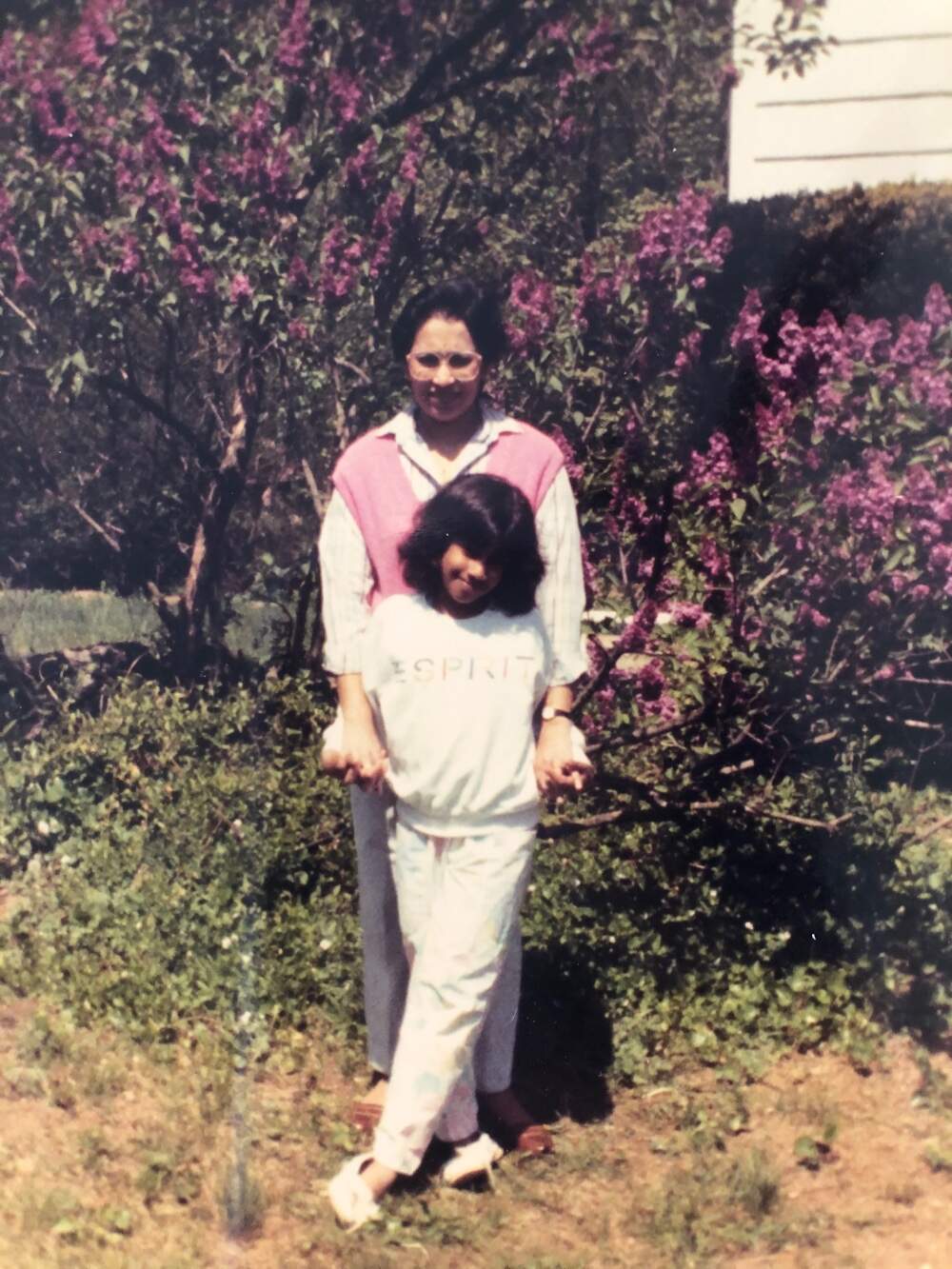
The following spring triggered memories of my mother’s final weeks. The magnolia tree in our backyard bloomed, and I remembered that when I went to visit her in the hospital, in 2021, an April snowfall ruined the early blooms, rendering them brown and limp. I stuck my nose into fragrant lilac blossoms and imagined my mother young and smiling by the lilac tree outside my childhood home. In June, I found myself awakened by the same bird calls in the early morning hours, feeling pangs of pain about the previous summer. Confused, and frankly irritated by this prolonged grief, I couldn’t quite understand why I was plagued by memories of my own sadness.
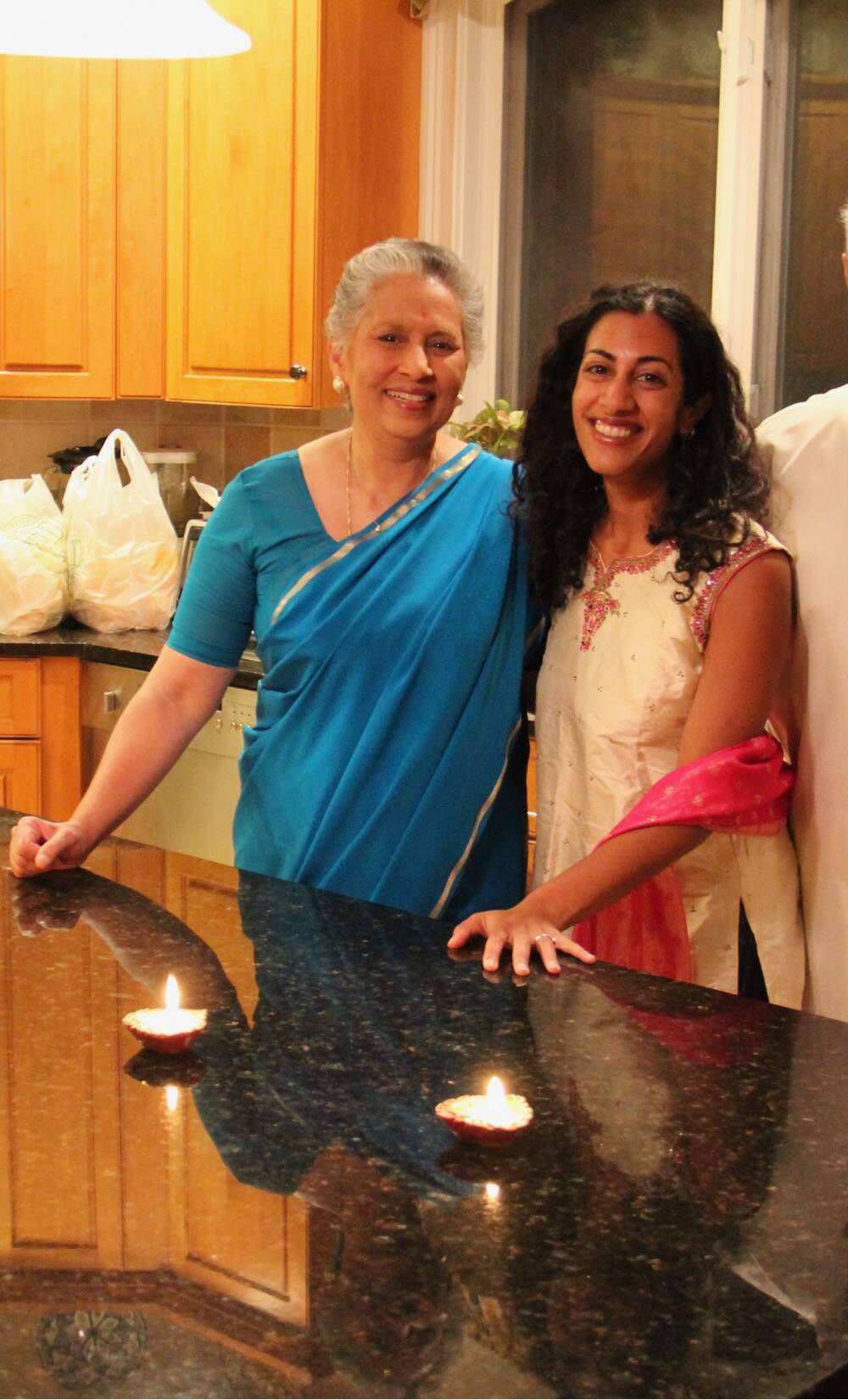
In April of 2023, a close friend of mine who is also an only child of Indian immigrants lost her father after a long battle with a pulmonary disease. I helped her procure items for the funeral puja, and as we wandered around Patel Brothers, we chuckled and reminisced over shared childhood memories evoked by the store’s sights and smells—jars of mango pickle, bins of vegetables we could not name in English, bags of saffron threads and cardamom pods. I sat with her in the funeral home while she reviewed and signed numerous legal documents. After the funeral, friends gathered in her home, shared food and filled her house for hours. Throughout the days following her father’s death, she was surrounded and cared for by friends and loved ones.
Confused, and frankly irritated by this prolonged grief, I couldn’t quite understand why I was plagued by memories of my own sadness.
While I was glad that I could support my friend, I also felt waves of grief about the support I never received because of the pandemic. That summer, as the days stretched longer, and that same bird sang loudly in the early morning hours, I realized that so much of my lingering grief was rooted in the loneliness—struggling through the summer of 2021 without the physical connection that many folks need while grieving. Someone to sit with you quietly without the pressure of having to talk or text or explain or communicate or ask for what you need. Someone to attend to logistical tasks so that you can sleep. Someone who will laugh with you and stay in your kitchen for hours with a cup of tea or a glass of wine. I was grateful for the company of my husband and kids, but also, I saw what more I had needed, and never got.
In 2020, in the acute trauma of the pandemic, we perinatal therapists focused on helping our clients find physical and emotional safety and stabilization as they navigated the massive life change of birth and new parenthood during an unprecedented time filled with constant changes, uncertainty and fear. At that time, I knew that therapists would spend decades helping clients process the trauma of the pandemic, as well as the accompanying grief from the loss of normalcy, social support and community connection.
As the pandemic abated, and as several parents approached a subsequent pregnancy and birth, they expressed relief that family members could visit, they could hire a postpartum doula, and they could attend in-person new parents’ groups. At the same time, though, many experienced a reminder of the trauma of their COVID postpartum; many struggled with resurgences of grief and mourned the loss of pregnancy and postpartum they never had because of the pandemic. I saw many folks go through more iterations of reflecting, processing, understanding and making meaning of these experiences.
I now realize that a big piece of the trauma of my mother’s death was the isolation and loneliness in the aftermath, just like it was for so many people who went through massive life transitions during the COVID pandemic—life transitions that impact an entire family and are usually marked by support, community, and care. Like so many others who are processing layers of trauma from the early pandemic times, I continue to reflect, make meaning and further understand what was so unfathomable at the time.
Last June, as another summer arrived with its long days and pink dawn skies, I better understood this lingering piece of unresolved grief and loss. Yes, my mother died, and also, not having physical connection was a loss in and of itself that warrants its own mourning.
Understanding this one piece of my own loss feels like a relief, and at the very least, I can tolerate that bird call now. In fact, upon hearing it one morning, I almost smiled.
Follow Cog on Facebook and Instagram. And sign up for our weekly newsletter.