Support WBUR
Commentary
The America that welcomed me 9 years ago was generous. Today's refugees deserve the same
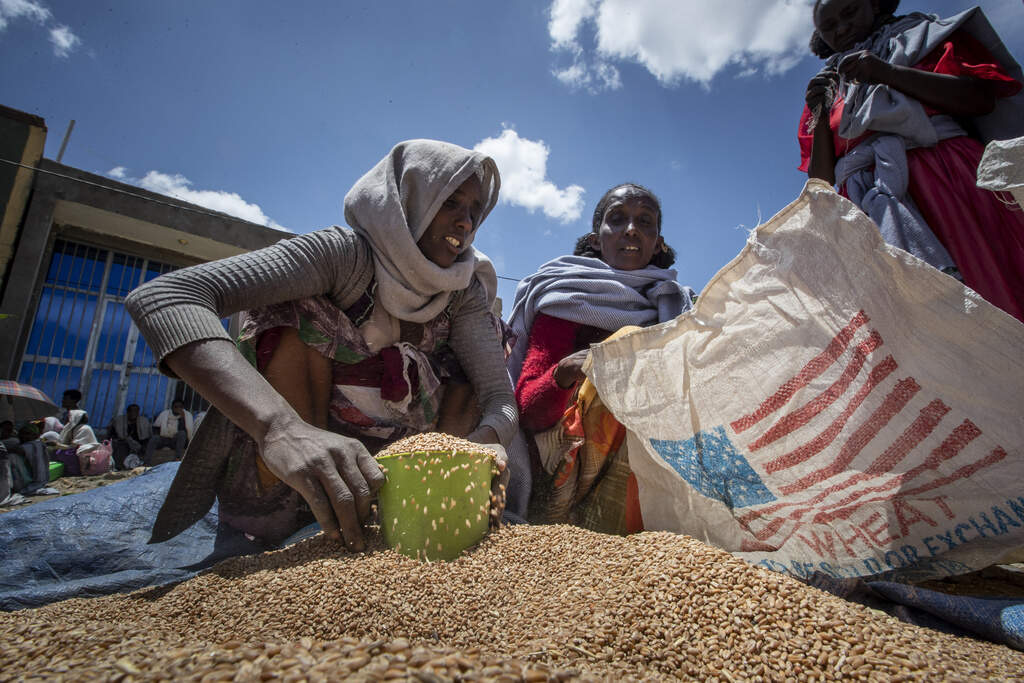
When I was a refugee, I was fed, educated and taken care of by the American people. From New Jersey and Vermont, to Connecticut and Texas, communities welcomed me and supported my transition to the U.S. I’m now a proud naturalized American, whose taxes help make the world a better place: feeding the hungry, treating the sick fighting pandemics and poverty, and advancing human rights, democracy and the rule of law across the world. I have proudly adopted American culture. However, I’m saddened by the Trump administration's suspension of the United States Refugee Admission Program (USRAP), the program that brought me to America, and the freeze of humanitarian aid through institutions like United States Agency for International Development (USAID).
I know Americans as generous. When I was 14, I fled war in my home country, the Democratic Republic of the Congo (DRC) to Uganda, where I spent 17 years in a refugee camp. I still have memories of receiving yellow peas, flour and cooking oil packaged in tins and bags stamped with the USAID logo and the words “From the American People.” I was educated by Americans in that camp: they taught me to be generous and to care for others in need.
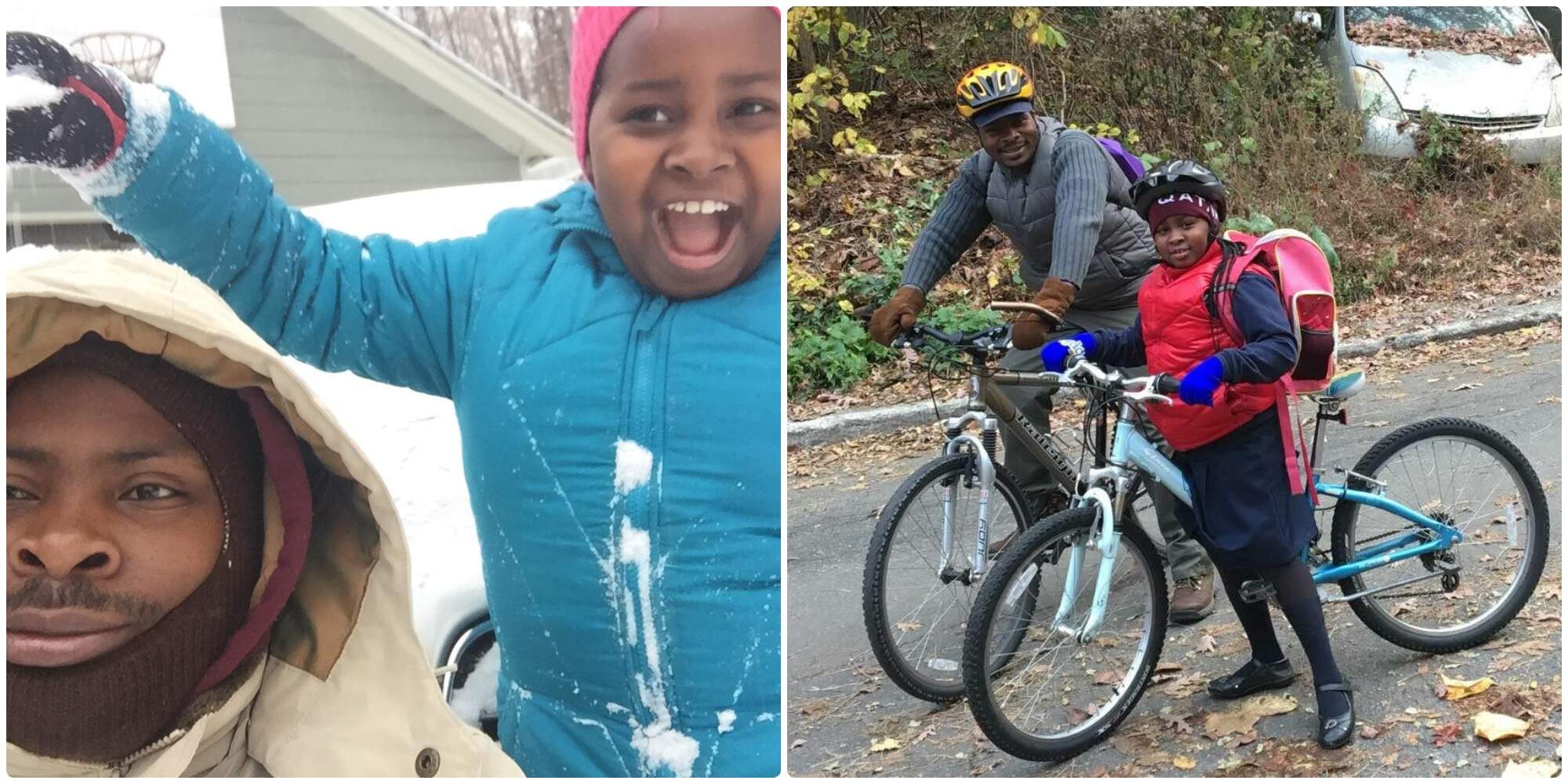
I experienced the same generosity after I was resettled to the U.S. in 2016, as I was welcomed by the International Rescue Committee (IRC), one of the resettlement agencies that facilitated my new life here. I later moved to Vermont to begin my graduate studies on a scholarship provided by the School for International Training. The community in Brattleboro warmly welcomed my wife, daughter and me, and provided everything we needed, including food and household items. When I moved to Texas, the community supported me by helping me find housing, learn to navigate the city, search for jobs and acquire a driver's license. This is what America is known for: hospitality and generosity.
For half a century, America has been a home for refugees fleeing persecution. Until recently, the USRAP helped nearly 100,000 refugees resettle in the United States every year since the enactment of the Refugee Act in 1980. It is estimated that a total of 3.7 million refugees have been resettled in the U.S. since 1975.
U.S. humanitarian assistance not only helps save the world’s poor and persecuted, it benefits the U.S. in return. Many of the children saved by U.S. humanitarian efforts have since been resettled to the U.S. and now contribute, by serving in our military, working as nurses in our hospitals, teaching in our schools and constructing our roads. Refugees also make great economic contributions to the U.S. Between 2005 and 2019, refugees contributed nearly $124 billion more in state and local revenue than they received in services. During the same time period, refugees contributed an estimated $581 billion in federal, state and local taxes.
USRAP is a lifesaver for lucky refugees like me who are selected to be resettled in the U.S. The refugees chosen for these programs are mostly children and women at risk, people escaping wars and persecution. Suspending USRAP is inhumane. It leaves many at-risk refugees, who can’t safely return home, in limbo.
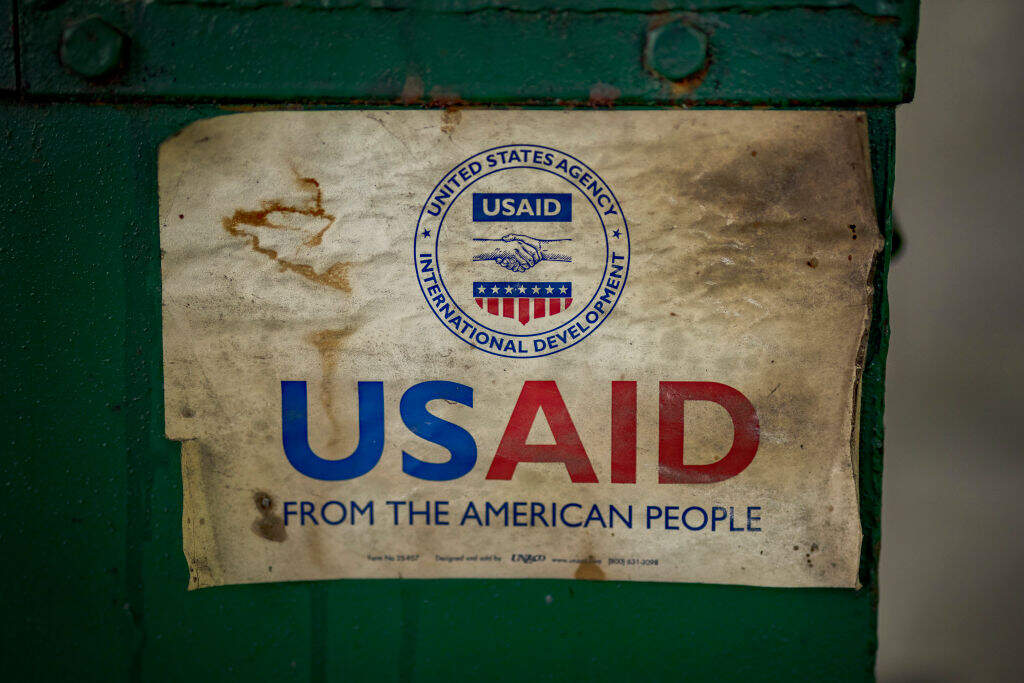
On the same day he suspended USRAP, President Trump issued another executive order “reevaluating and realigning” U.S. foreign aid. This country's contribution to the humanitarian sector is critical. It’s estimated that gutting USAID has created a critical funding gap of nearly $1 billion that will affect economic stability, food security, health and education programs, and disaster and humanitarian responses, especially in conflict-affected regions like Sudan, South Sudan and DRC. Experts warn us about the chaotic destruction that will result from freezing USAID.
When I was a refugee in Uganda, malnourished refugee children were saved by feeding and health programs established by U.S. humanitarian funding. Pregnant refugee mothers received vital antenatal care services at health centers funded by the U.S. government.
Foreign service workers also provide urgently needed services to Americans traveling around the world, include evacuating Americans in case of emergencies, providing medical assistance and replacing lost passports. Without their services and presence, American travelers are at risk.
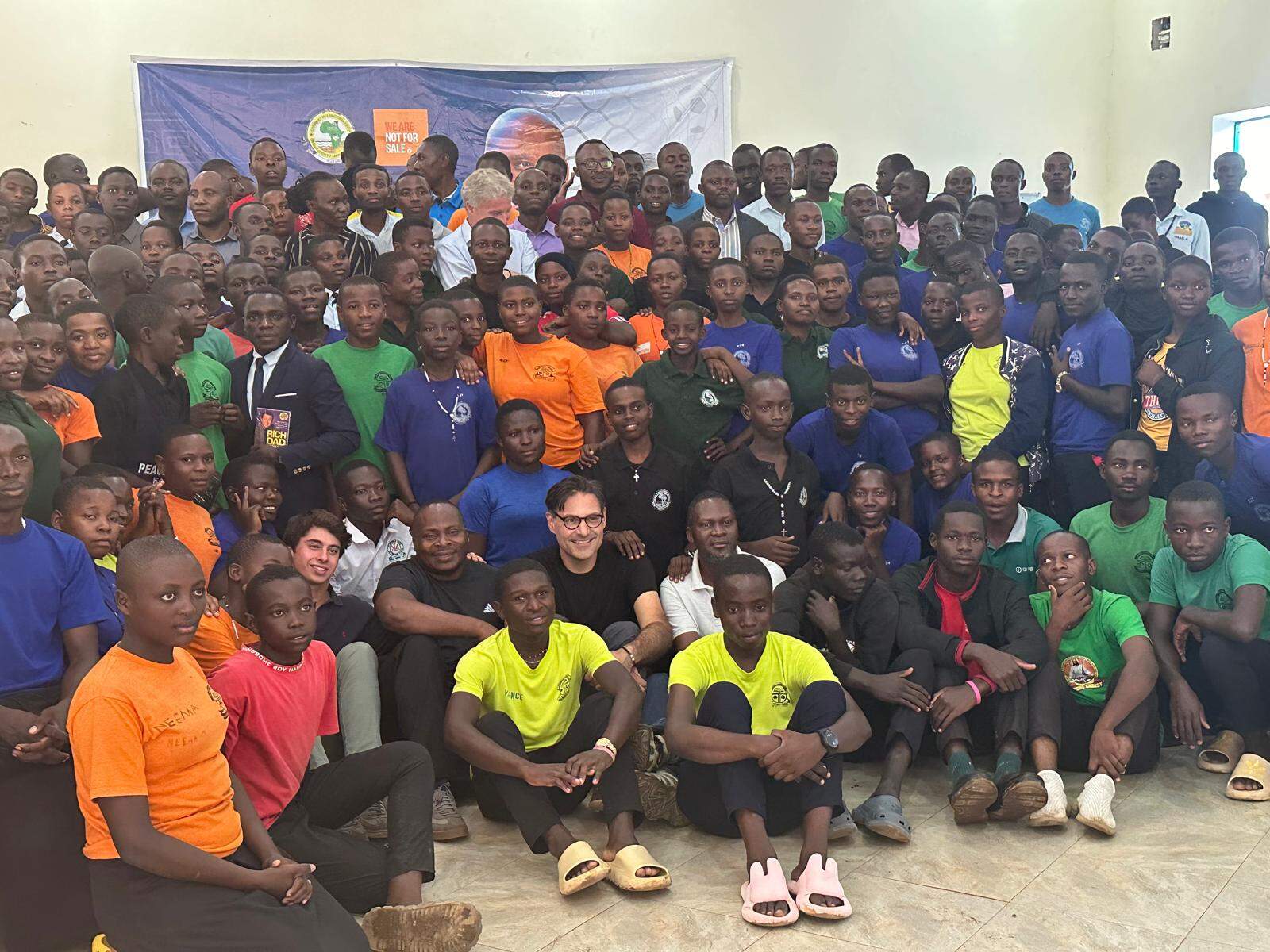
When I travel across the globe for work, l witness firsthand the importance and impact of American humanitarian funding. With major crises and displacements exacerbated by wars in Gaza, Ukraine, Sudan and my home country of DRC, this is not the time to abandon those in need.
Humanitarian assistance from the United States saves lives and addresses complex problems around the globe at the same time it benefits America. Dismantling important humanitarian programs and institutions and suspending aid is a step backward that will ultimately hurt the U.S. as much as it hurts the rest of the world.
Follow Cog on Facebook and Instagram. And sign up for our newsletter, sent on Sundays. We share stories that remind you we're all part of something bigger.