Support WBUR
Commentary
How the Temporary Protected Status program saved my life
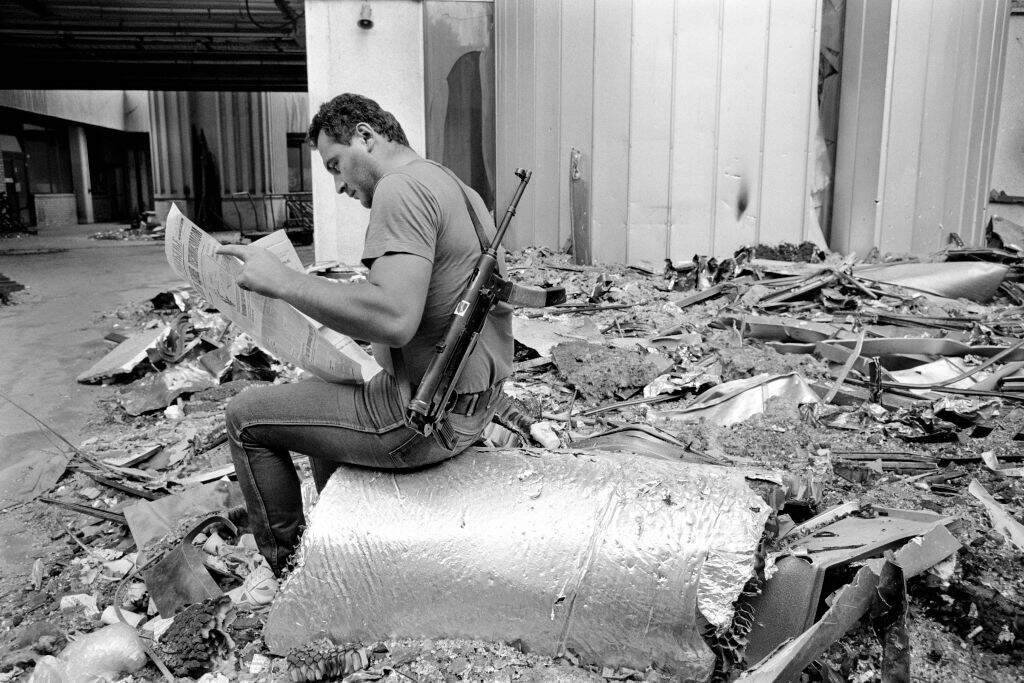
In spring of 1991, a U.S. Consulate employee in Belgrade, Yugoslavia, decided the fate of my life. They stamped my passport with a tourist visa, allowing me to visit my uncle that summer. He had already lived in Boston for a few years, and it had been my dream to visit him and see America, the land of Michael Jackson and the NBA that I worshipped as a teenager.
Not too long into my two-month stay in Boston, I was on the phone with my mother, updating her on all the cool stuff I’d been doing. But then, in a grave voice, she said: “A war is coming. You should try to stay there for a little while.”
My heart sank. I was 17 and had just finished my junior year of high school in Sarajevo, Bosnia — then still a part of Yugoslavia — and had no desire to leave my family, friends and the band I played in.
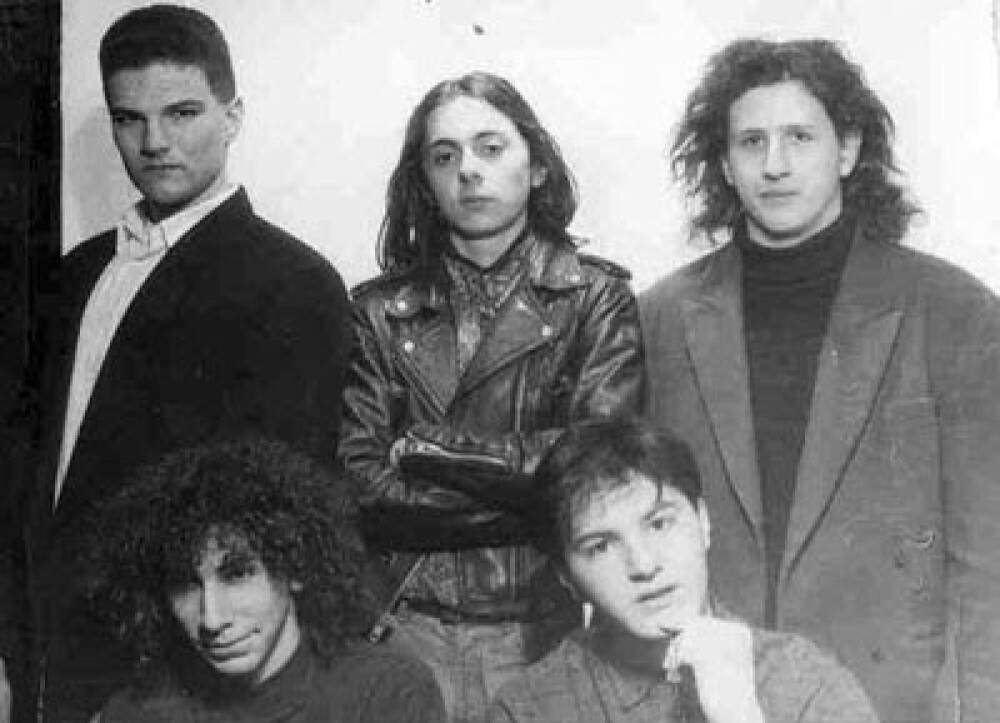
But I knew my mom was right. The Yugoslavian federation was falling apart. Two Yugoslav republics that had declared independence were attacked by Serbia, which was intent on holding onto centralized power. A brief conflict had already taken place in Slovenia and a full-scale war was underway in Croatia. If Bosnia followed Slovenia and Croatia’s lead, Serbia’s violent response was all but certain.
With little time to act, I managed to change my tourist visa to a student visa and enroll in high school. I still remember the interminable silence as the immigration official deliberated my fate. Finally, she stamped my passport and said “I hope you enjoy school in America!”
As I was getting ready to graduate the next spring, my mom’s premonition came true. In April 1992, war erupted in Bosnia. It would become the bloodiest conflict Europe had seen since World War II: 100,000 people were killed between 1992 and 1995. Soon after I graduated, my uncle moved and could no longer take care of me. With a student visa, I was not allowed to work, so I could not support myself. College was out of the question because I was ineligible for financial aid and could not afford it any other way.
I was on the verge of becoming undocumented. Deportation loomed – but to where? Sarajevo was under siege. Even if I somehow managed to return, I would immediately be sent to the front lines, as most 18-year-old men were, and possibly never return, as was the case with many of my friends.
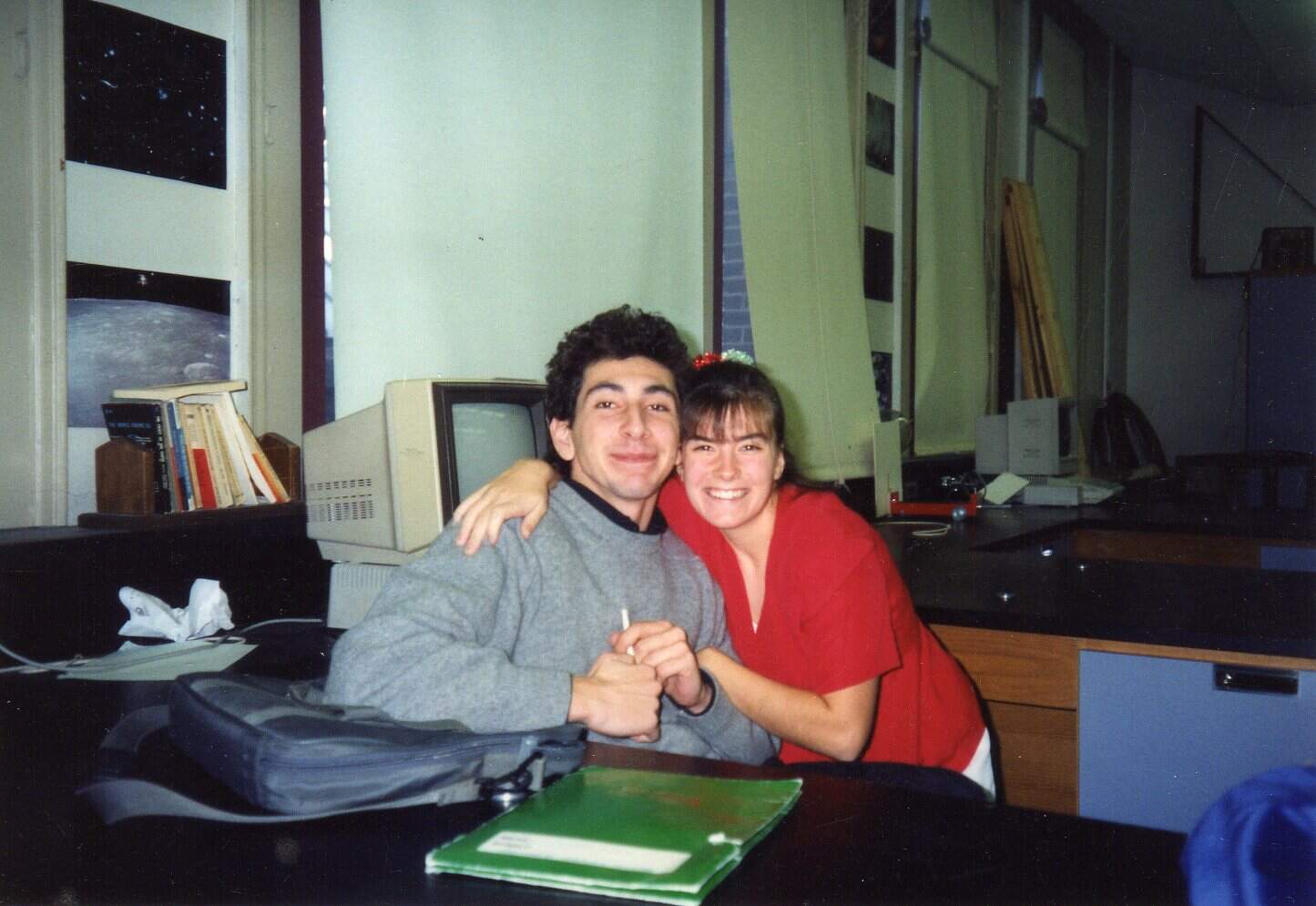
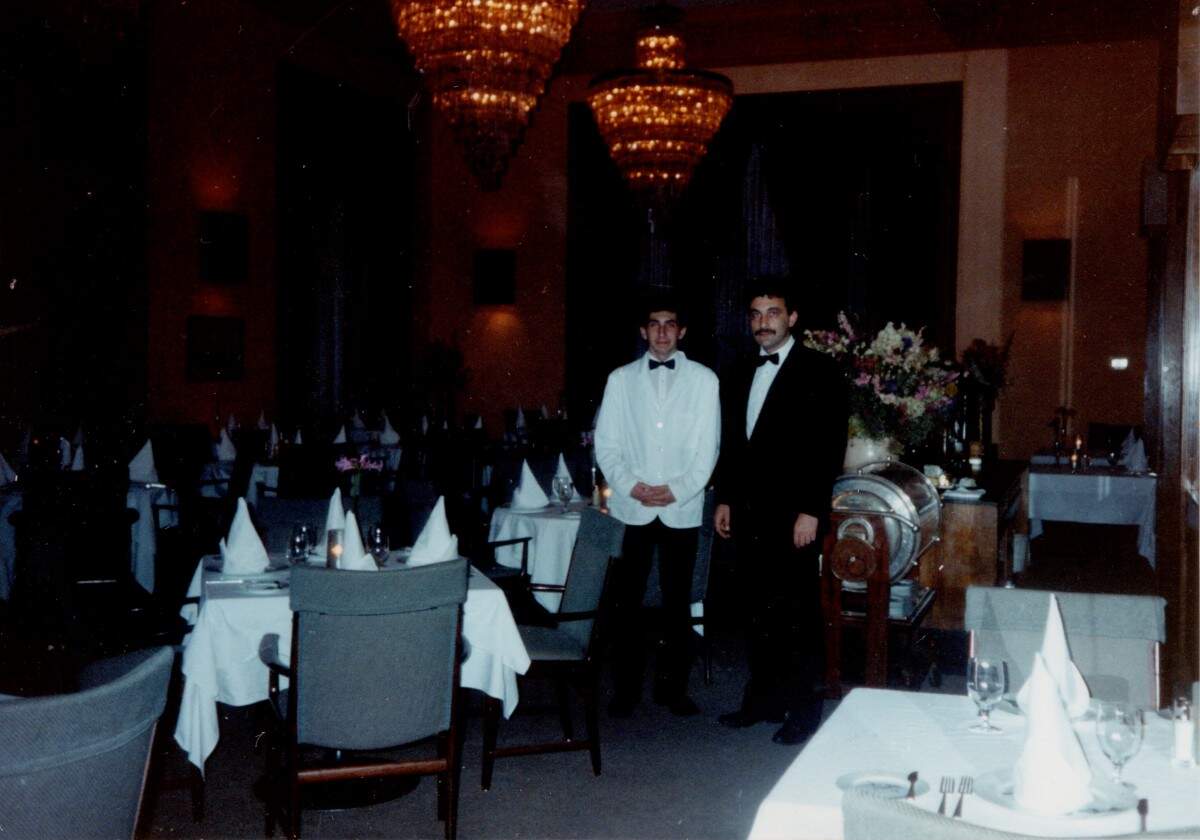
Temporary Protected Status (TPS) rescued me. Established for Bosnians in August 1992, TPS allowed me to remain in the U.S., work legally, enroll in college and even receive scholarships. I rejoiced at this new lease on life. I got a job waiting tables, which I continued to do for nine years as I put myself through college and graduate school.
Realizing that my studies could be cut short by a peace agreement in Bosnia and the subsequent expiration of TPS, I applied for a green card. Yet another immigration official, heeding the passion and the conviction in my voice as I explained how I just wanted to study so I could become a mathematician, granted me permanent residency. The relief and gratitude I felt were indescribable. It was clear even then that Bosnia would suffer the consequences of the war for a long time — it still does, 30 years after the end of the conflict — and that, if I went back, I would likely be just another young person with no prospects and withering ambitions. With the green card, I had a future.
I became a mathematician and a professor, fulfilling my dream. It took hard work, which I was always willing to put in. But that alone could not have done it. It took the empathy and generosity of immigration officers who acted on behalf of a system that valued the contributions immigrants make to the U.S. It took the time to look at me and see a kid who could not go back to a shattered country, a motivated student who wanted — more than anything — to immerse himself in the world’s best education system.
Today, I would not make it in the U.S. for a minute. In 2025, deportation would be a much more likely outcome at each and every of the junctures of my immigrant life. The empathy that saved me is gone, replaced by cruelty and heartlessness. Sweeping actions and hacksaw measures devoid of compassion and tolerance are now the pillars of our immigration policy. TPS is being revoked for more than half a million immigrants. International students, even those with legal status like Rumeysa Ozturk and Mahmoud Khalil (who has a green card) are getting arrested in the streets and in their homes. Immigrant kids are scared to go to school. Trump is using the 18th-century Alien Enemies Act to justify deportations, bypassing due process. If I were not already a U.S. citizen, if I were still under any of the previous statuses I held, I would be terrified. Even with citizenship, I am not entirely at ease as talk of denaturalization escalates.
The power wielded by the Trump administration, U.S. Immigration and Customs Enforcement (ICE), and those acting at its behest is immense and must be exercised with care, transparency and humanity. Immigration policy is not an abstract discussion happening far away from us; it is the difference between hope and despair, between opportunity and ruin and sometimes between life and death for people living in our midst.
It’s America’s turn to stand at a fork in the road and decide what the future looks like for millions of people like me. Because nothing less than human lives are at stake.
Follow Cog on Facebook and Instagram. And sign up for our newsletter, sent on Sundays. We share stories that remind you we're all part of something bigger.