Support WBUR
Commentary
Everyone should have a chance to tell their story. Federal grants helped make that possible — until now

I saw the subject line of the email – "Notice of Termination: NEA AWARD" – while on a three-day drive with my husband across 12 states, in a rented SUV loaded with my mother-in-law’s artwork, vases and other physical manifestations of her life and interests. She had just passed away, and we were heading back home to Boston from Florida in the kind of fog that comes from having disappeared into the cocoon of sitting vigil and waiting for death to come.
After getting over my anger at the loss of significant funding that GrubStreet, the nonprofit creative writing center where I am executive director, had relied on for over 16 years, I thought of my mother-in-law. As a woman who devoured books, she was incredibly proud of my work and of GrubStreet’s mission of removing barriers – social, cultural, financial – to put the writing life within reach of people of all backgrounds and ages.
Born in 1943, my mother-in-law was 22 years old when President Lyndon Johnson, on the heels of the Civil Rights and Voting Rights acts, signed the legislation paving the way for the National Endowment for the Arts. Johnson believed that civil rights were a way “to eliminate the last vestiges of injustice in America,” and he understood the power of arts and culture in moving us closer to the promise of a multicultural democracy. Of the arts, Johnson said: “There is a quality of art which speaks across the gulf dividing man from man, and nation from nation, and century from century. That quality confirms the faith that our common hopes might be more enduring than our conflicting hostilities.”
In line with this vision, the NEA’s Literary Arts division has historically supported the work of a wide range of writers and translators to write, publish and connect with audiences by funding programs, literary centers, small presses and individual writers across the country. With their Big Read program, the NEA encouraged community-wide discussions by encouraging residents of cities and towns to participate in a shared reading experience at a time when communicating across divides is challenging. Since 2005, their Poetry Out Loud program has engaged over 4.4 million students from 20,000 schools across the country.
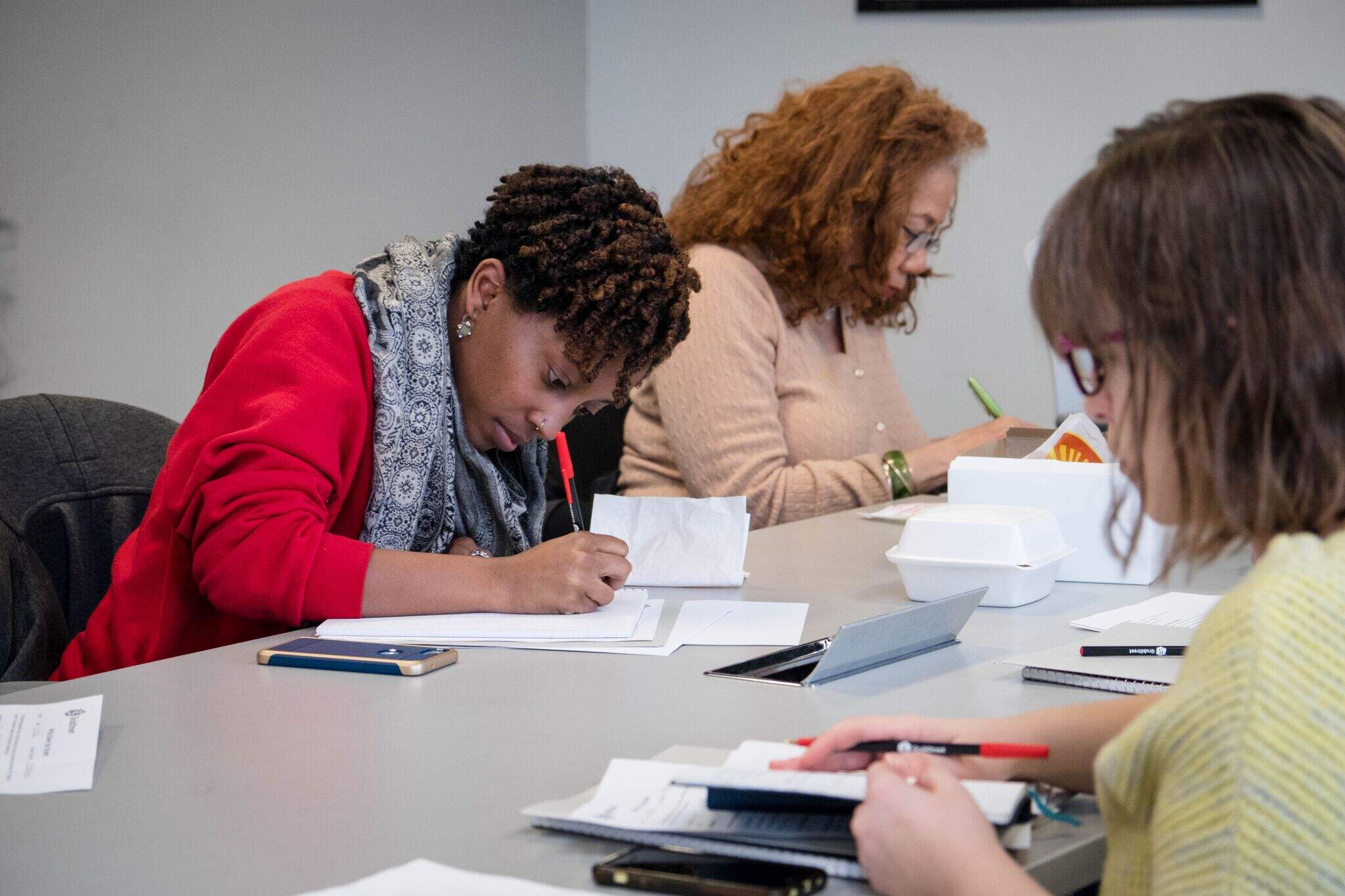
At GrubStreet, the NEA’s consistent general operating funds have enabled us to expand access to the literary arts. The funding has enabled us to partner with libraries and housing shelters to deliver free workshops to hundreds of writers in economically disadvantaged communities. It has supported our work nurturing new literary voices through three annual Emerging Writer Fellowships, which include a year of tuition-free access to our classes and publishing networks. And it has allowed us to pilot a free mentorship program, which has served hundreds of writers across the country, many of whom are underrepresented in publishing. Moreover, the NEA’s required one-to-one match has inspired other funders, enabling us to increase scholarships year-over-year for teen and adult writers.
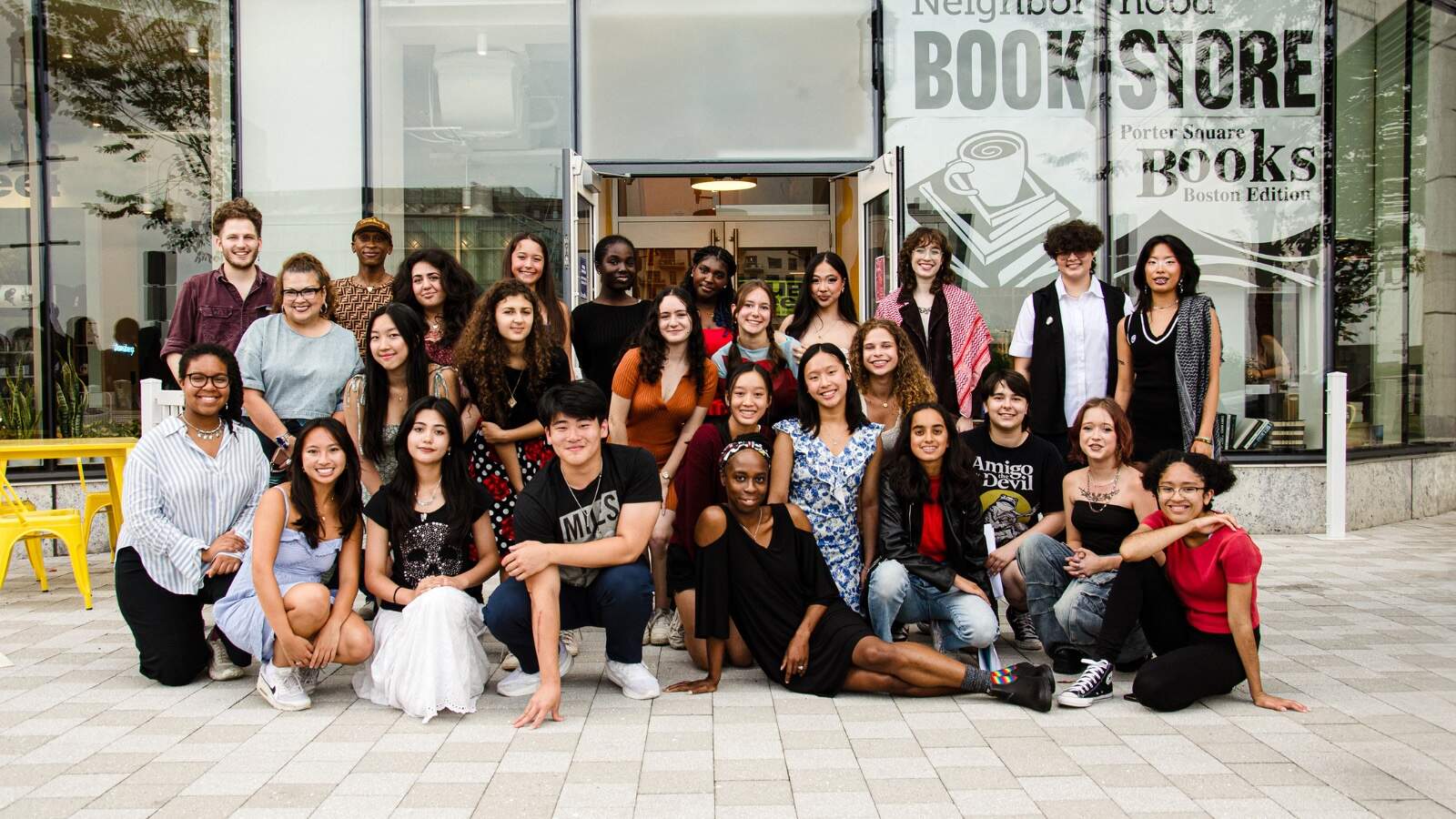
This investment has produced an amazing track record. In the past five years alone, GrubStreet’s diverse student body has produced over 1,715 publications, across various genres, including novels, essays, short stories, memoirs, poems, and more (including 249 books!). The beauty and power of the NEA’s literary investment at GrubStreet and elsewhere lies in the rich spectrum of voices and perspectives that make up the tapestry of our story. No one voice dominates.
But the NEA email made it clear that, from here on out, NEA grantmaking would “focus funding on projects that reflect the nation's rich artistic heritage and creativity as prioritized by the President.” GrubStreet doesn't impose priorities or positions on our writers, nor did the NEA as it previously existed. Instead, we're dedicated to supporting diverse writers in crafting their stories and sharing their ideas on their own terms. According to the email, our purpose to broadly “support literary programming” was no longer in scope. The email’s stated list of go-forward priorities includes, among other things, making America healthy again, fostering skilled trade jobs and making the District of Columbia safe and beautiful – an absurd list in the context of art.
One would be forgiven for laughing, but there is nothing funny about Trump’s moves to bend culture toward his will.
In January, the NEA announced that grant applicants would be required to affirm that federal funds would not be used to promote what the Trump administration’s January 20 executive order calls "gender ideology." The Trump administration defined this as including "permitting the false claim that males can identify as and thus become women and vice versa." After being sued by the ACLU and others, the NEA dropped that requirement, causing even more confusion. It’s no accident that the Trump administration’s first moves toward the arts were in the form of anti-trans bigotry and discrimination. Without art produced or written by trans authors on their own terms, they become invisible and voiceless. True again for migrants and immigrants or for any group of people that the president decides to target. That vacuum creates room for false, demeaning and fear-based narratives that justify discrimination and civil rights infringements.
Back at home, I received another email from LitNet, a national literary advocacy group, forwarding an email they had received from four staffers of the NEA Literary Arts team announcing that they were leaving their posts together. (The fifth and final resigned a few weeks later.) Combined, those four people had dedicated 57 years of service to championing the literary field. Echoing Johnson’s words about the quality of art, they wrote: “You [writers] allow us to enter the depths of love, fear, sadness, anger, and connection, and to understand the hardships of others. You allow readers to discover themselves in your pages, and you connect us with our past and have the power — the superpower —to guide our way toward a hopeful future.”
That’s exactly why my mother-in-law loved reading. She was a naturally curious person, interested in cultures different from her own, interested in exploring what she didn’t know. It breaks my heart to think that my children, now the age my mother-in-law was when the NEA was born, are coming into adulthood in an era in which there is no longer an American consensus about the promise and hope of a pluralistic democracy in which we respect each other despite our differences, are curious about and listen to one another, and negotiate and debate our way forward.
Without government funding, it’s now up to us – “we the people” – to ensure that the arts continue to thrive, that our narratives speak truth to power and shine a light on the stories of those whose human rights are being trampled. It’s up to us to keep sharing our stories with one another – to collectively remind ourselves of our common dignity and worth. The arts, to paraphrase the great writer Ursula Le Guin, don’t just ensure our freedom, they are our freedom.
Follow Cognoscenti on Facebook and Instagram. And sign up for our weekly newsletter.