Support WBUR
Commentary
Cost-sharing ministries are not the answer to what ails our health care system

Getting hit by a pickup truck rattles the mind. Getting the medical bills focuses it. I’ve written about my experience with both in 2016, when I ignored a don’t walk light during the morning rush hour. Ignoring the resulting monsoon of doctor and hospital charges wasn’t an option; if I hadn’t had health insurance, they would have bankrupted me. (Of course, my debt to those who saved my life can’t be repaid.)
Outside of my Catholic parish, I don’t know that anyone prayed for my recovery; my family and friends skew non-religious. Yet about two-thirds of Americans are professing Christians. And in a spasm of resistance to Obamacare, increasing numbers of conservatives – led by Christians, but expanding to secular types as well – have supplemented entreaties to the divine during illness with “health cost-sharing ministries.” These groups collect fees, cheaper than the premiums of traditional insurance, that the ministries tap for members’ medical costs.
These ministries imitate the Acts of the Apostles’ communal resource-sharing; the most religious ones ask members to observe practices such as churchgoing and sexual abstinence outside marriage. Fishing for secular subscribers, some have tempered their religious principles with demands that members adhere to more generic, less biblical ethics.
God is merciful; economic and bureaucratic forces are not.
Pooling resources is an old tradition among the Amish and Mennonites, an idea picked up by other Christians beginning in the 1990s. Since the advent of the Affordable Care Act (aka Obamacare), these ministries also have drawn more secular subscribers who object to that law’s mandate that all Americans have coverage or pay a penalty. (Obamacare exempts ministries’ members from the mandate and the penalty was reduced to $0 in 2019.) Today, more than 100 ministries cover at least 1 million Americans. Vox reports that they have been “surging in popularity over the last decade, alongside growing distrust in our health system.”
As a protest against that system, these ministries are morally superior to shooting insurance executives in cold blood, contrary to the bloodlust of those who applauded Luigi Mangione. And Americans do put up with world-topping health care prices. But there’s no praying away the built-in unaffordability bedeviling U.S. medicine. Subscribers to faith-based plans have found themselves denied coverage and on the hook for stratospheric bills, for everything from childbirth – which traditional insurance must cover – to heart surgery and cancer. (I’m also a cancer survivor, so I’ve seen those bills, too.)
Why do these plans so often engender members’ weeping and gnashing of teeth, to stick with the biblical motif? Because faith-based plans face the same relentless economics as traditional insurance – but without the same regulatory requirements.
If insurance covered everyone, premiums could be spread to, and kept lower by, the young and healthy, who would pay into the system, but cost little on average. (The national uninsurance rate hovers around 8%.)

For-profit insurance meanwhile charges high enough premiums to pay shareholder dividends.
Worst of all, our balkanized payment system – workplace insurance for the employed, Medicare for seniors, Medicaid for the poor, the VA for the military, Indian Health Service for Indigenous people – saddles us with multiple, costly bureaucracies.
God is merciful; economic and bureaucratic forces are not. Facing their unforgiving math, faith-based plans often decline to pay for things like pre-existing conditions – and don’t have to, because of loosey-goosey regulation. Health cost-sharing ministries escape most government oversight as nominally religious groups that are not legally classified as health insurance.
Without the better angels of regulation, devilry can ensue. A ProPublica exposé of one ministry, Liberty HealthShare, declared, “For generations, members of the Beers family of Canton, Ohio, have used Christian faith to sell health coverage to more than a hundred thousand people," but delivered "pain, debt and financial ruin,” and escaped any serious legal penalties. The Beers’ patriarch admitted that the plan had set its fees too low to cover many of its members' medical bills.
More impiously, the report said, the family had used its revenue to buy an airline, real estate and “scores” of businesses, including a winery they converted into a pot farm.
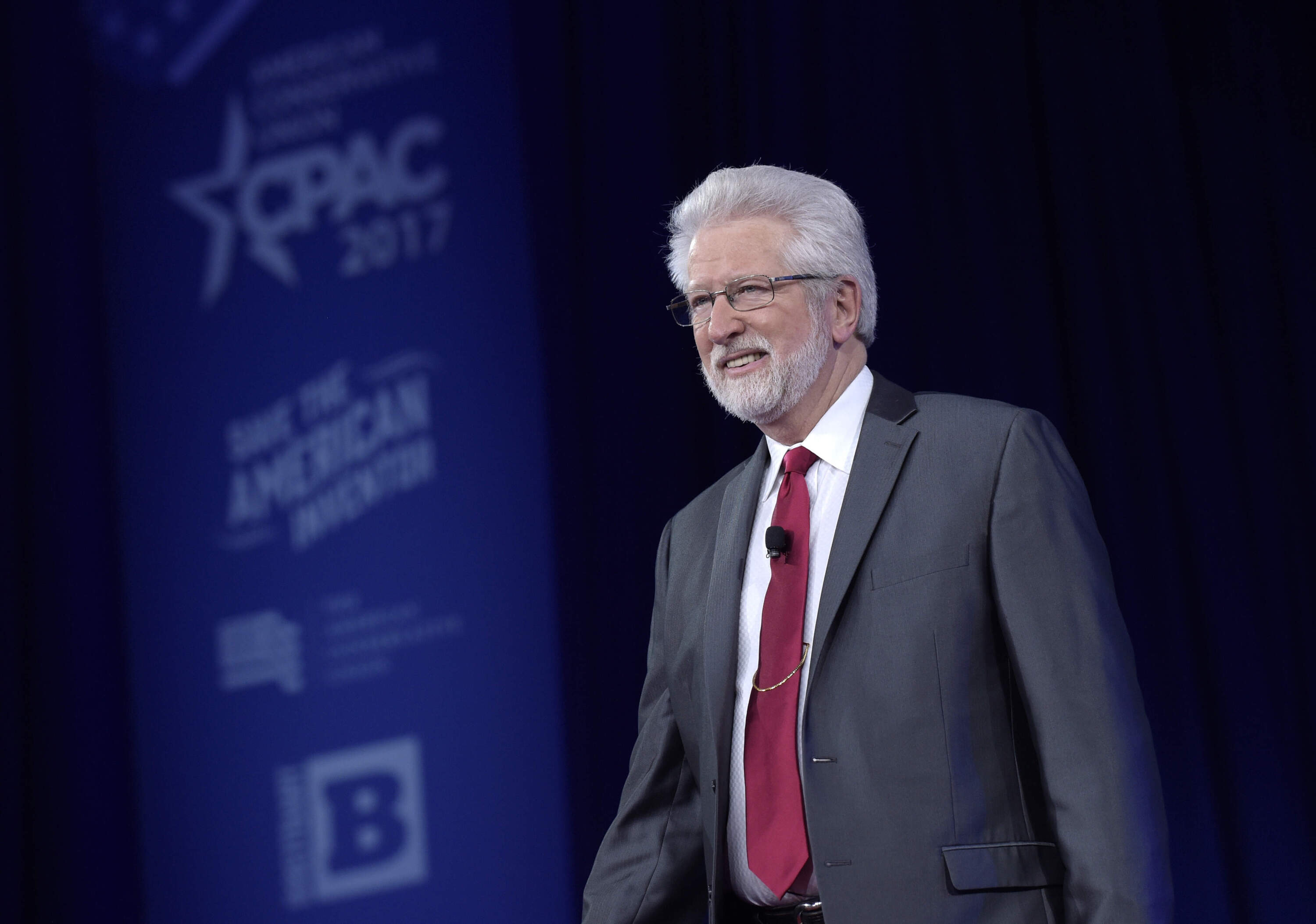
Donald Trump and Congress now toy with the idea of cutting Medicaid, though that would require the president to violate the Commandment against bearing false witness. Meanwhile, a Catholic health cost-sharing ministry lobbied the president to support “care tailored to each individual person,” which, not coincidentally, the group claimed is provided by such ministries.
But affordable, private insurance can’t be conjured on a wing and a prayer. Countries that have it enact the necessary guardrails cited above: Every citizen is covered, by legal requirement and in one unified, nonprofit system. Those countries also shun small-bore Band-aids like faith-based ministries, whose customers’ sad experiences suggest that the aforementioned Ten Commandments may need a health-related eleventh: Buyer beware.
Follow Cog on Facebook and Instagram. And sign up for our newsletter, sent on Sundays. We share stories that remind you we're all part of something bigger.