Support WBUR
Essay
Hope alone is never enough
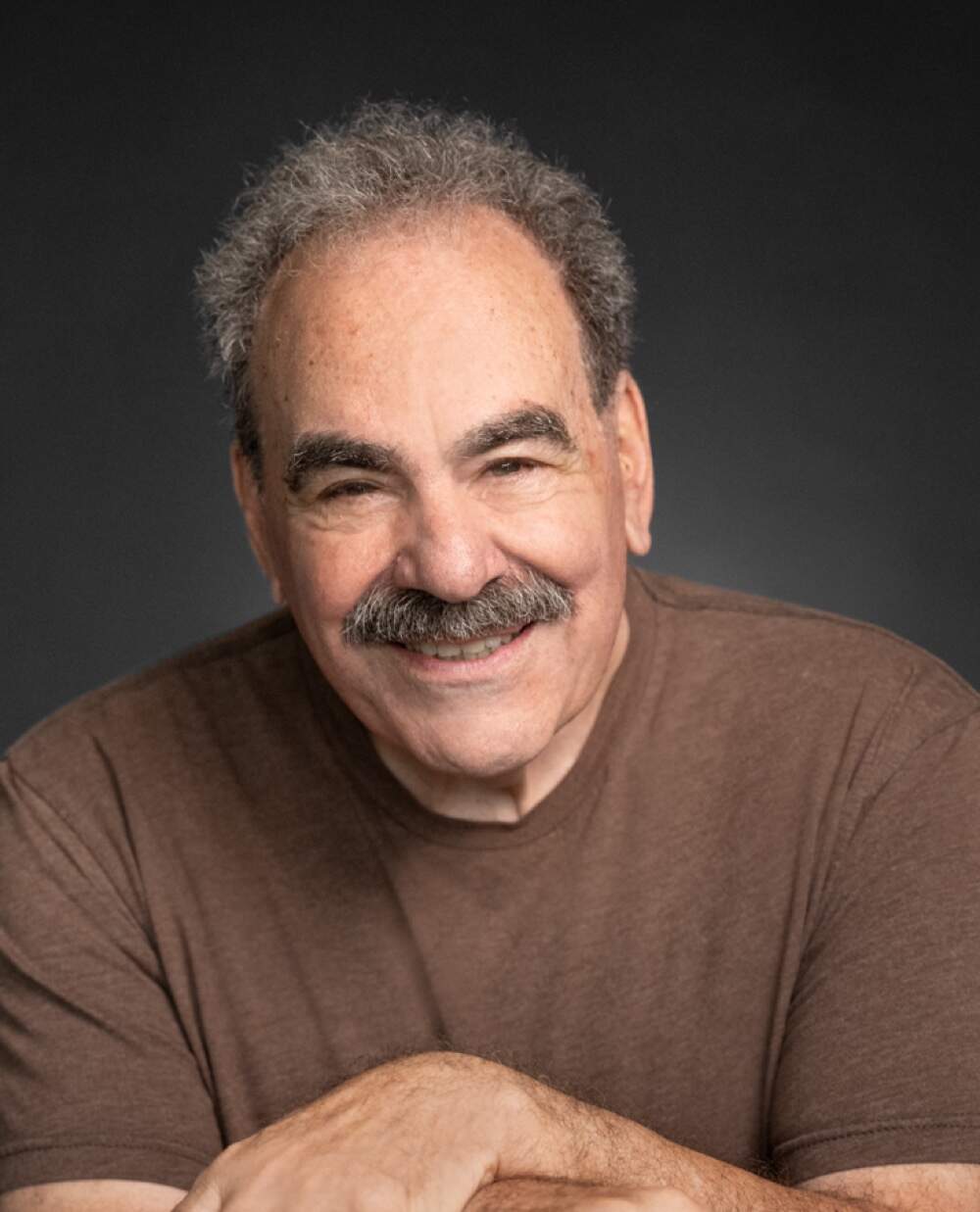
Editor’s note: Michael Ansara is a long-time activist and organizer whose work dates back to the 1960s and ‘70s — from the Civil Rights Movement to antiwar demonstrations. His memoir, “The Hard Work of Hope,” was published last week. In the essay below, he reflects on his experience on the front lines of movements that contributed to lasting change, and why it’s essential to not only hold onto hope but to act on it — and keep acting on it — together. It’s followed by an excerpt from his memoir.
I think often these days of the heroes of my youth, the civil rights activists and organizers in the South. When Rosa Parks refused to leave her seat at the front of the bus, white supremacy was the law in all the Southern states, and no one thought it would change. Ten years later, despite beatings, jailings, bombings and murders, legal segregation had been abolished. That only happened because of the courage, commitment and organizing of the civil rights workers. I remind myself of this over and over.
Hope is essential. Without it, we despair, concede, give in and obey. But hope alone is not enough. What is needed is the hard work of organizing that made possible John Lewis’ “good trouble.” The demonstrations, sit-ins, boycotts and marches were possible because of the constant work of building organization, engaging those sitting on the sidelines, developing leaders. Organizing is what transforms hope from aspiration into actuality.
In 1962, I was a young activist in Boston. Not a single bank I encountered had any senior managers who were Black. Few colleges had any deans who were Black, with a notable exception of Howard Thurman at Boston University, in 1953. Black construction workers were shut out of the building trade unions.
The Boston Action Group led by Noel Day and the Rev. James Breeden challenged the rampant job discrimination. Continental Baking company, the makers of the ubiquitous white bread, Wonder Bread, had a plant in the middle of Roxbury that refused to hire any Black person for jobs other than menial low paid janitorial positions. I was part of the effort to go door to door canvassing virtually every Black family in Roxbury and Dorchester, building a system of block captains and convincing families to join the boycott. Wonder Bread sales dropped. In the end, we won. Continental agreed to hire Black people for the better paid jobs. Soon even the threat of boycott had Boston’s banks and other major employers opening up paths to senior positions. I experienced how organizing loosened the iron grip of racism.
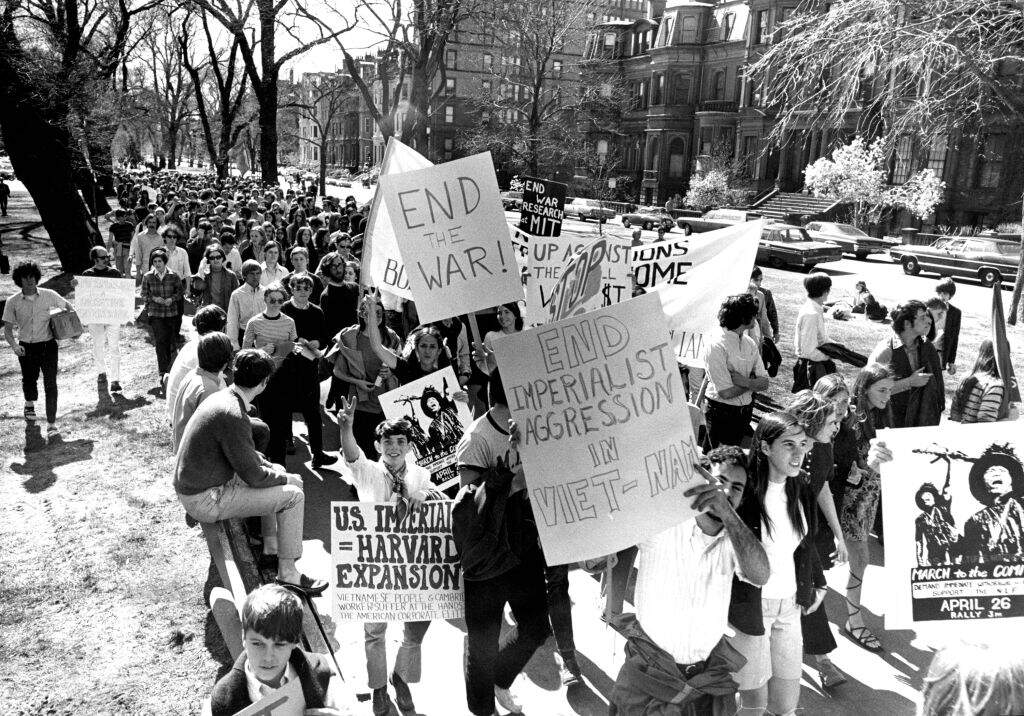
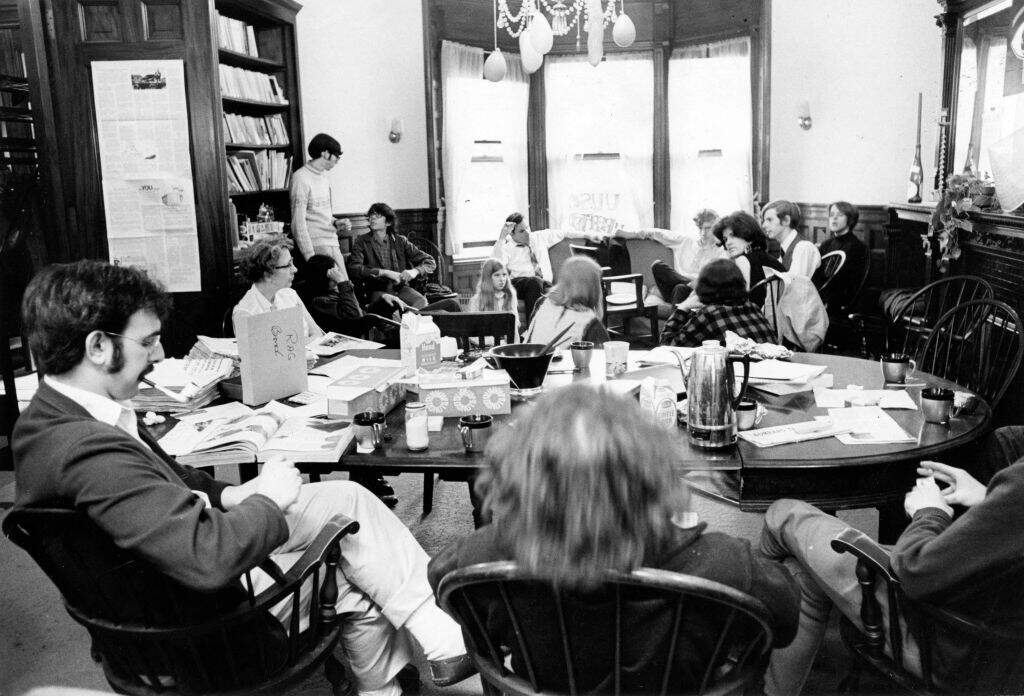
The same was true of building the anti-Vietnam war movement. What people remember today are the demonstrations, protests and students’ strikes. But it was constant engagement, constant organizing that made those possible. I and many other student organizers spent long hours talking with students about the war, their lives, their dreams and why it was so important to join the movement. When we started opposing the war, it had overwhelming support on campuses and across the country. Ultimately it was the facts of the war that caused a majority to turn against it, but the organizing was essential to that process.
I and many other student organizers spent long hours talking with students about the war, their lives, their dreams and why it was so important to join the movement.
Now, as we face a growing list of challenges to the Constitution, attacks on higher education, cuts to Medicaid, and students snatched off the street, people of conscience are asking “What can we do?” The answer is that we must urgently build the power of decency and democracy. To do that we must organize and educate and organize again. We must build a movement that has 20 million or more Americans in groups, working to save our democracy. The most important work is that of engaging those on the sidelines and convincing them to form or join a group. That is how we will build the political power to ultimately defeat the MAGA agenda.
We need scientists and researchers who are witnessing the destruction of America’s scientific infrastructure to band together in city after city and tell the community what the consequences will be, how many potential cures will be abandoned, how many possible breakthroughs will now not occur.
We need those who are dependent on Medicaid to organize in advance of the impact of the cuts coming down the road. (The Republicans cynically timed the worst cuts not to take effect until just after the midterm elections.)
We need alumni to organize to support academic freedom and free speech and to pressure their colleges to stand against the unconstitutional demands of the Trump regime.
We need farmers who are being hurt by tariffs and by the loss of their workforce to organize to put unrelenting pressure on their elected officials to change course.
We need communities, churches and schools to organize collective support for immigrants being threatened every day.
Most importantly we need everyone who opposes Trump to talk to their friends and neighbors. Join boycotts. Keep growing the protests so that they reach even more massive levels of participation.
No one is coming to save us. The job of defending democracy and decency is up to us. With hope, courage, and organizing, we just might be able to do it.
Book Excerpt: “The Hard Work of Hope”
By Michael Ansara
We had to explain the basic facts about Vietnam over and over. In leaflets that we would slide under every dorm room door. Over meals in dining halls. In small groups. After classes. Everywhere we could, we explained how Vietnam, after centuries as an independent country, had been colonized by the French, how then the Japanese had occupied the country during the Second World War, and how the United States had supported the resistance to the Japanese led by the communist Ho Chi Minh. Then after the defeat of the Japanese, the attempt by the French to reassert their colonial control and the new war of independence once again led by the communists and Ho Chi Minh… Over and over, we would use this quote from President Dwight D. Eisenhower in his memoir Mandate for Change: “I have never talked or corresponded with a person knowledgeable in Indochinese affairs who did not agree that had elections been held as of the time of the fighting, perhaps 80% of the population would have voted for the communist Ho Chi Minh as their leader.”
We educated. We listened. We organized. We produced fact sheet after fact sheet, our hands stained purple from running leaflets on Gestetner machines, our clothes splotched, black from mimeo ink… In the month before the March, the faculty and graduate students at the University of Michigan held the first “teach-in.” Amazingly 3000 students cycled through the prolonged event. Soon Students for a Democratic Society (SDS) and sympathetic younger faculty were organizing teachings at 100 universities across the country.
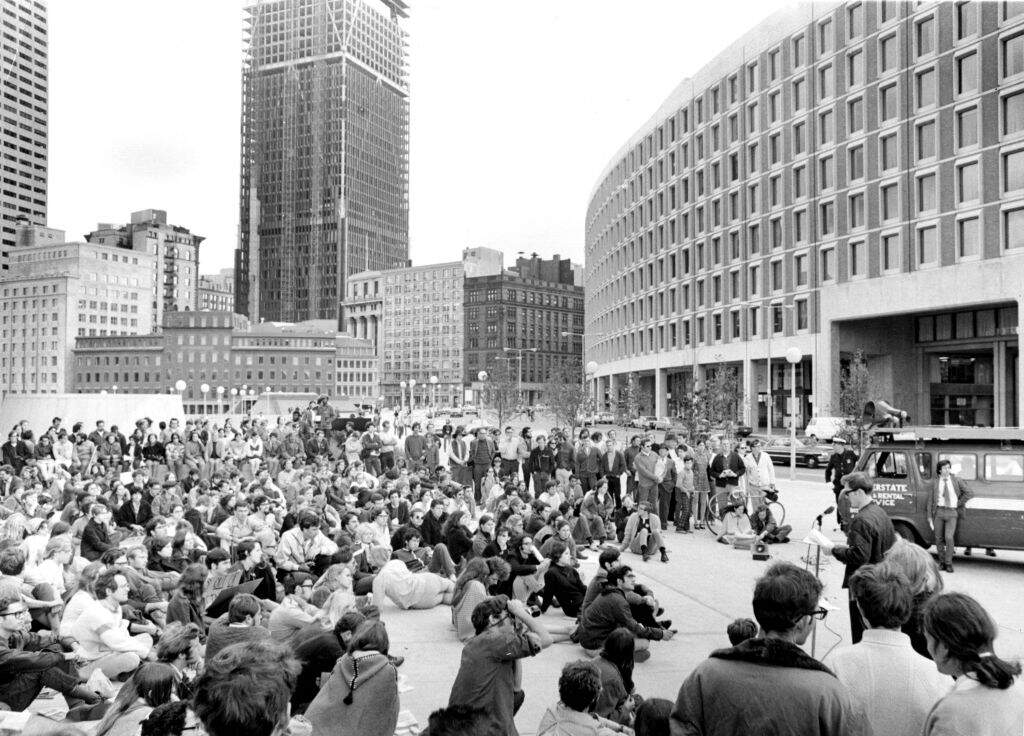
They were meant to be like a “sit-in,” professors, teaching fellows, and students making presentations and speeches, one after the other, hour after hour. The crowded halls were filled with couples snuggling, antiwar activists recruiting the people in the next seat over, wide-eyed freshmen from conservative families wrestling with what they were hearing, a few members of Young Americans For Freedom at the doors denouncing the whole affair as a red conspiracy, and large numbers of reporters writing furious notes and doing interviews in the hallways outside… That spring opposition to the war was taking root on America's campuses… Each time we marched, there was a reaction against us that opened room for discussion and debate. Each march, each bus ride to DC, each demonstration, forced students to choose — would they stay silent or would they act? Once you pinned on an antiwar button, once you passed out a leaflet, once you boarded the bus to DC, once you marched, you were committed and part of a new community of activists. Each time a student said to me, “I think you are wrong to protest,” I had the chance to make the case against this wrong war, to plant a seed of doubt, share facts, and offer an alternative framework.
In the long run, real world events would prove decisive in building the opposition as the war was brought into living rooms through television in a way that no other war had been. But our organizing, educating, and constantly engaging with the young was required to create the room for dissent and build an organized antiwar movement... It is easy to write about the demonstrations, the marches, the confrontations. They were dramatic and essential, however they were only possible because of long hours of outreach, discussion, connecting. It was the mundane work of reaching out to students that occupied me and the other SDS organizers and that made it possible for people to join the march, get on the bus, join the movement.
Demonstrations not immediately followed by engagement, education, and organizing would do little to build the movement.... No one was changed in a single discussion. It took time and persistence. SDS distributed mimeographed leaflets in all the dorms once a week discussing the latest developments. SDS members talked, distributed newsletters, and talked more. Over and over again, we returned to the question of how we could manage to live a moral life in the face of mass consumer culture, racism, stifling consensus in support of the corporate liberal state, and, above all else, an immoral war.
Follow Cog on Facebook and Instagram. And sign up for our newsletter, sent on Sundays. We share stories that remind you we're all part of something bigger.