Support WBUR
Essay
Libraries are public health hubs

In yet another example of actions that conflict with stated priorities, the Trump administration wants to eliminate federal funding for our nation’s public libraries while at the same time it “Makes America Healthy Again.”
Although many Americans don’t realize it, the roots of community health and wellness extend out into the 9,000 or so public libraries across the United States, which are supported mostly by local funding, like taxes. However, nearly seven in 10 libraries are located in rural communities or small towns, where that funding cannot sustain operations. They instead depend on federal dollars and leverage every penny to fund programs that keep Americans healthy.
Last year, public libraries received about $190 million in funding, mostly through the federal Institute for Museum and Library Services (IMLS), a sliver of the approximately $6 trillion the federal government has spent so far this year.
But the Trump administration has moved, through executive order and a proposed budget, to shut down the IMLS and thus end federal funding for public libraries. For the first time since 1956, the federal government may no longer support America’s libraries.

Here’s why that shouldn’t happen.
First, libraries serve as public health hubs — sometimes the only health hub — offering the community access to critical health information. For example, at the Waukegan Public Library in Illinois, community health workers run free health awareness classes (in English and Spanish), on topics like hypertension, diabetes and obesity. At the Tulsa Public Library in Oklahoma, patrons join a free, six-week course on caring for a loved one with dementia.
Second, libraries directly connect their community members to health care services and supports that they might not otherwise be able to access.
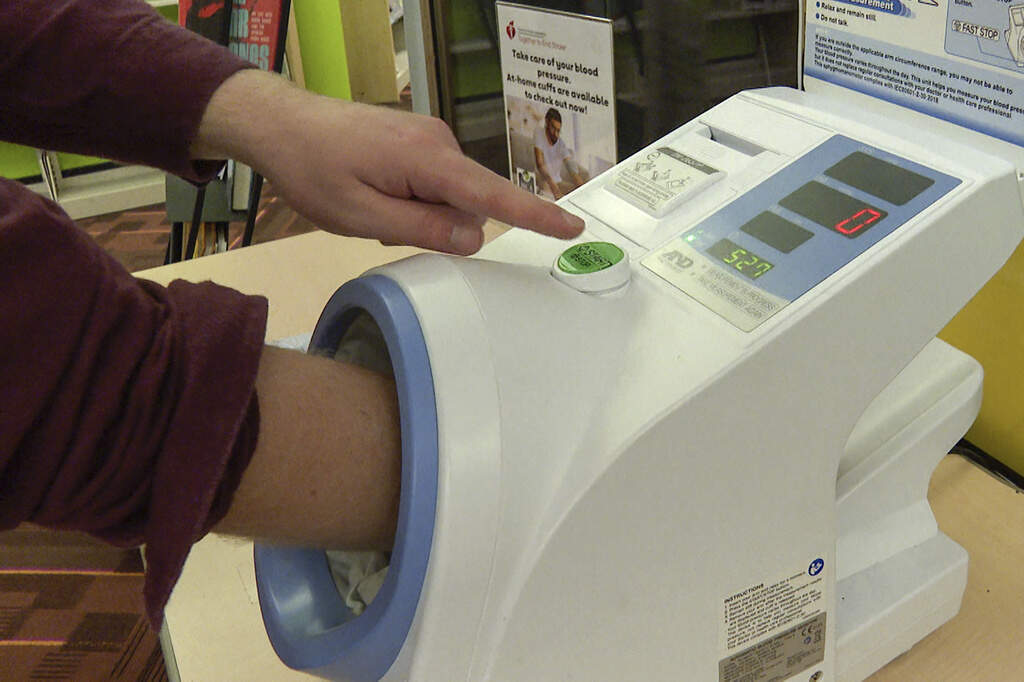
Especially since the pandemic, libraries serve as critical access points for annual flu and COVID-19 vaccines. What’s more, patrons in rural areas can also use public libraries to visit their doctor via telehealth in private videoconferencing rooms, minimizing travel, technological and financial barriers to care. Librarians in half of America’s libraries even assist patrons with health insurance enrollment, and about three-quarters refer patrons to social services.
Third, libraries serve as lifelines for vulnerable populations, including low-income families, homeless individuals and older adults.
Libraries offer these groups safety, independence and support. Many Americans seek refuge in libraries during extreme heat or cold, while others rely on them for nutrition assistance. The Las Vegas Public Library served over 2,300 free meals to kids and teens last summer alone. Libraries offer free overdose prevention and naloxone training, and some states mandate that they stock a supply of naloxone in case of emergency.
Last, but not least, libraries offer resources to combat isolation, loneliness and depression. Libraries across Southeast Arkansas facilitate social programs for aging patrons like bingo and paint nights, while the Sacramento Public Library in California hosts therapy dog visits for teens.
Empirical research linking public library programming with positive health outcomes is still nascent, but there are some data to suggest that it works.
For example, researchers found that an asthma education program administered in Ohio public libraries improved compliance with medication and control of asthma in children.
We can also gauge the effectiveness of library health programs and resources through community feedback. Eighty percent of Americans report that library use has a big positive impact on their well-being, and nearly 90% say that libraries are important components of their community.
Communities feel so strongly about their public libraries because these institutions have earned high levels of trust. About eight in ten Americans say that the information libraries help them find is reliable and trustworthy, and one-third of Americans who use the library do so to access health information.
Americans also visit the library much more often than the doctor, making them opportune places to promote well-being and disseminate health information.

But libraries can’t live up to their reputation as trusted, community-centered resource hubs without the federal funding they’ve depended on for almost 70 years.
They are already feeling the heat thanks to preliminary IMLS funding cuts: Maine laid off one-fifth of its public library staff in April, and other libraries, like the one in Klukwan, Alaska, have drastically reduced their hours. That town’s library is now only open four hours a week.
Library funding cuts will upend the very local resources for learning, literacy, and community connection that make America truly great. When it comes to libraries as health hubs, the Trump administration has a choice: it can either follow through on its promise to “Make America Healthy Again” by preserving public library funding, or it can haphazardly close the book on some of the most trusted, community-based resources left in America. The latter choice could adversely impact community health for generations.