Support WBUR
Essay
Daylighting rivers. Unburying myself
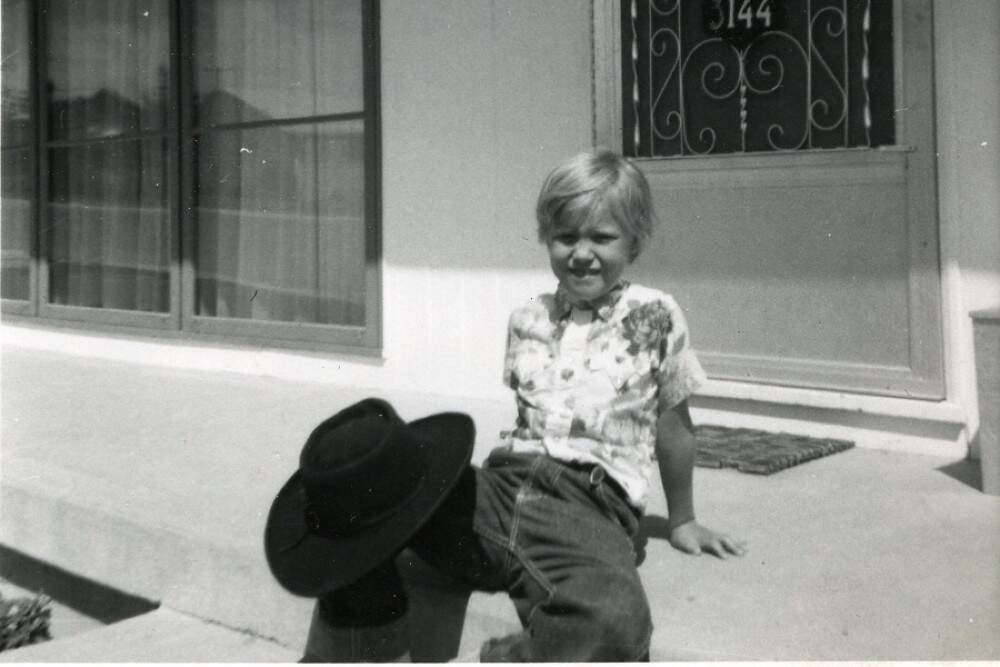
I live between the Hudson River and one of its tributaries, the Saw Mill River. Just four miles south of my home, there is a park called Van der Donck, also known as Yonkers Daylighting Park, named that because the Yonkers portion of the Saw Mill was buried in the early 1920s. But now, after much planning and expense, the river is unburied or “daylighted.”
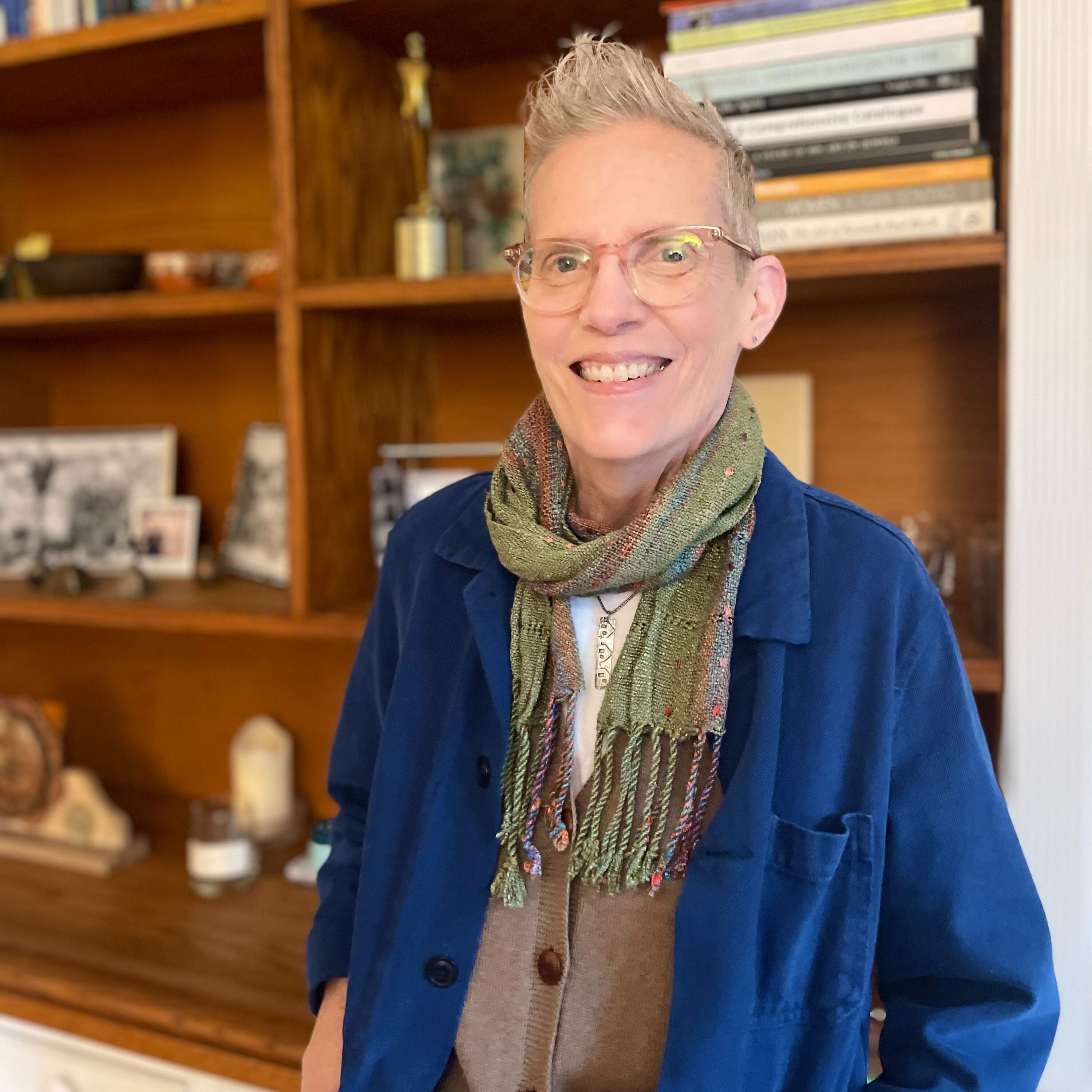
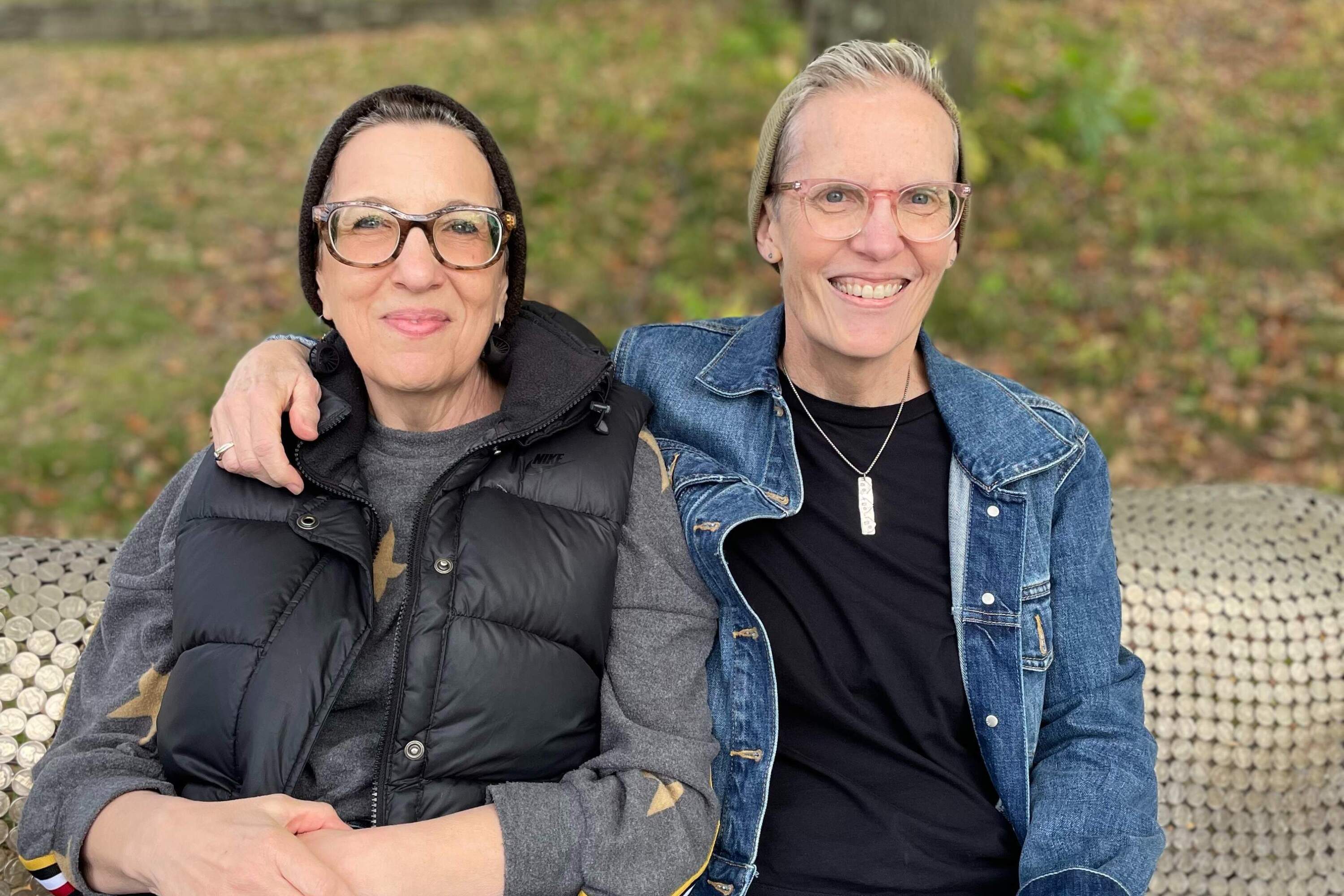
I had never heard of daylighting rivers until the day Diane, my spouse, suggested we visit Lost Borough Ice Cream Shop, which happens to be across the street from the daylighted Saw Mill. The reason Diane wanted to go for ice cream was to get me out of the house, to do something different, to pull me — even a little bit —out of a depression I had fallen into. Some unexpected changes and the 2024 election sent me into a spiral that led me back to therapy after years away from it. While Diane thought ice cream might help, it was actually the daylighted river that lifted my spirits.
The verb “daylighting” appeals to the poet in me. Bringing something out of the shadows and into the sun — allowing its essence to flow — is, after all, a poetic story. So standing there that day, watching the river flow, the river that had been unseen and was now seen, moved me.
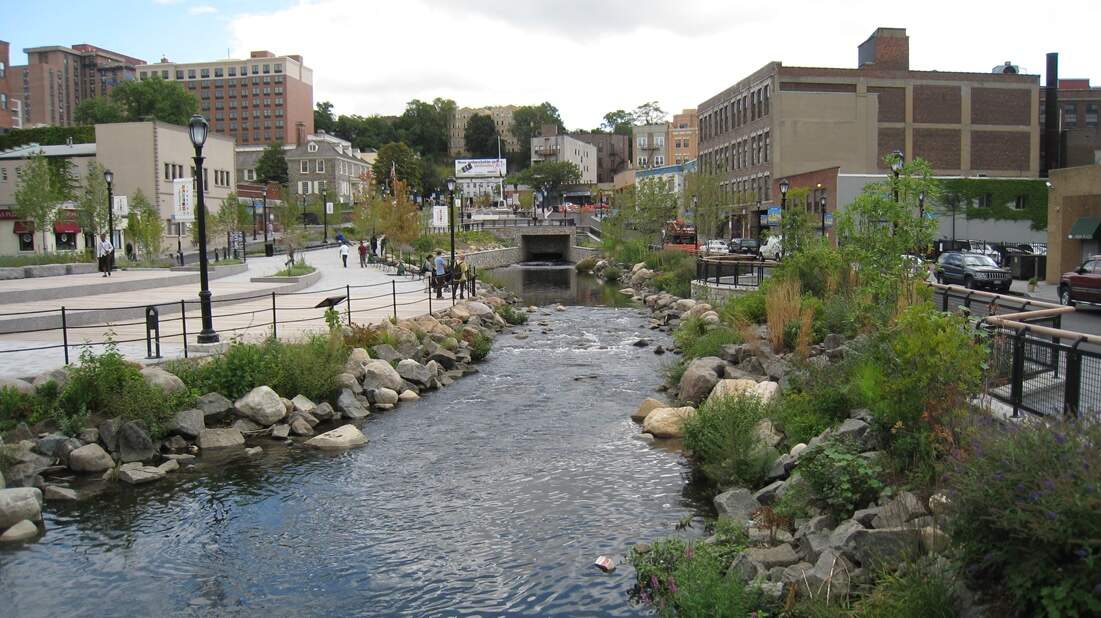
Even from a very young age, my depression came from feeling unseen. I didn’t have the words for it as a child, wouldn’t have known to use that language, but I felt constantly misunderstood and mischaracterized. I remember looking at a mirror one day, really staring into it — I must have been 6 or 7 years old — and feeling alien even to myself. Like, who is that?
At around the same time, I created costumes for myself—perhaps ways to alter or discover who I might be. I told the same joke over and over, in character. I’d dress up in a cowboy outfit and say, “My name is Tex.” And the adults were supposed to ask, “Oh, are you from Texas?” and I would answer, “No, I’m from Louisiana.” And the adults would ask, “Then why do they call you Tex?” and I would answer, “‘Cause I don’t wanna be called Louise.”
I was a girl performing as a boy, telling a gendered joke. I don’t imagine any of the grown-ups thought of it that way in the early 1960s. A little girl pretending to be a cowboy was merely cute, something to laugh about at a family gathering.
But somehow even at that young age, I was uncomfortable with their laughter, did not like their eyes on me. I had gotten their attention, but they still weren’t seeing me. They didn’t get it. As I grew into a decidedly girl-ish shape, I had an even harder time growing into my clothes and my body. I developed a fear of clothes shopping. I developed an eating disorder. Whatever image I had of myself was masked by the expected image of girl, girl body, girl behavior. I could not find myself in my body or my clothes. I was trying to hide, not just from others, but from me.
Had there been language such as “gender non-conformity” when I was that age, and if there had been grown-ups around who understood the fluidity and construction of gender, maybe I might have felt seen. I didn’t want to be a boy, but I also didn’t want to be a girl — at least not the girl I was expected to be.
In the 19th and 20th centuries, many sections of rivers that ran through cities had become polluted with factory waste. Rivers could no longer offer haven for wildlife to thrive or places for humans to swim and bathe. Instead, they brought foul smells and disease. The waterways, once places that sustained life, had become dangerous. Too often, the human-made solution to that which no longer works is to bury the evidence.
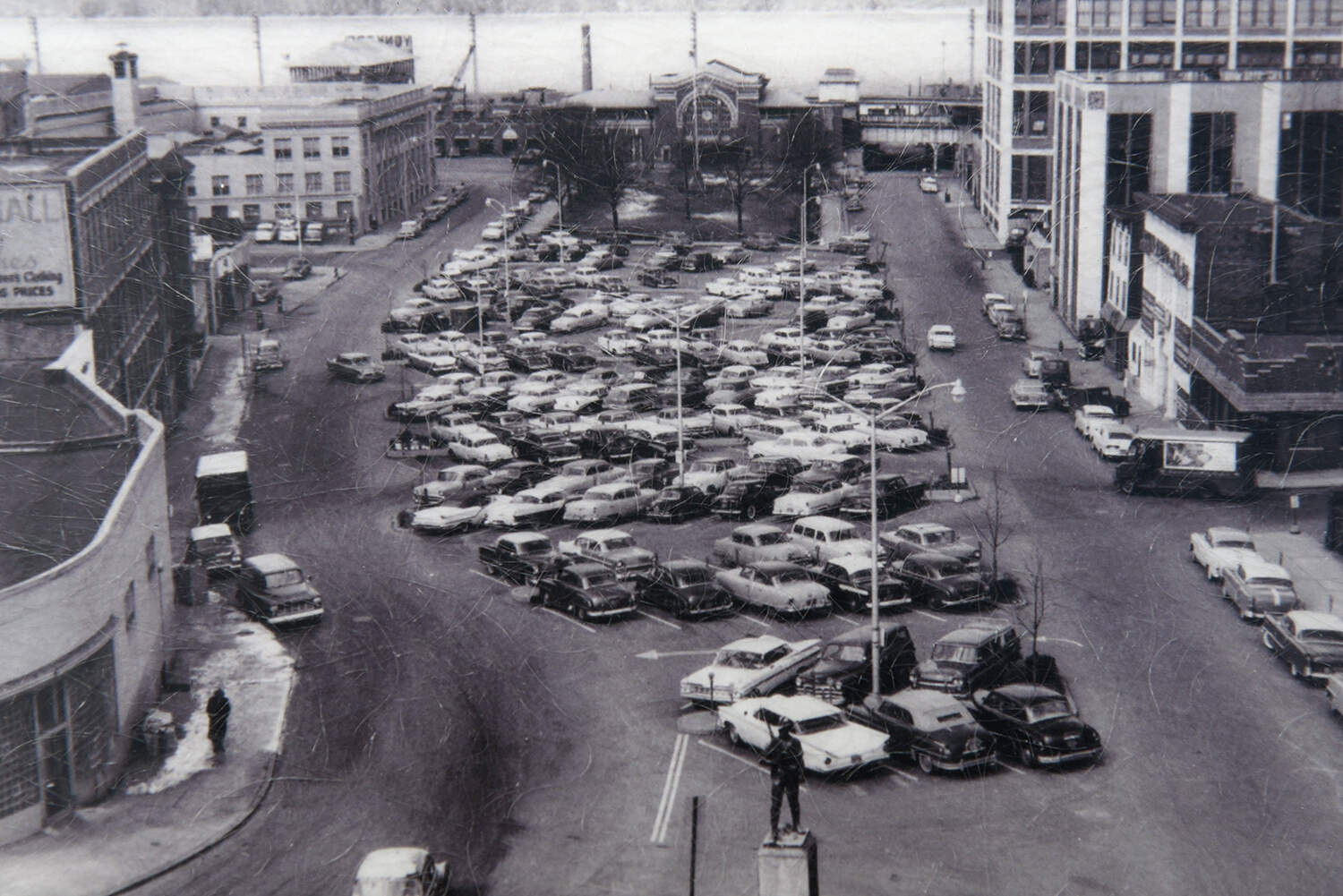
And that’s what happened with so many city rivers, including the Saw Mill in Yonkers, which was buried in 1920. But starting in 2011, in an effort to revitalize a struggling city, engineers took on the task of daylighting the Saw Mill. Other cities around the world are daylighting their buried rivers, too. Because, as it turns out, burying rivers isn’t a sustainable solution. But daylighting rivers — the evidence shows — can help us adapt to climate change and can also improve our quality of life.
It’s a fascinating choice humans make, to hide or bury that which makes us uncomfortable or doesn’t conform to expectations — be it a river or a person. And the truth is, it wasn’t just my family and community who buried me. I did a good job of burying myself. I’ve been daylighting for years; but even now, after my parents have died, when so many of my chosen family and friends have truly seen me, I sometimes still have trouble seeing myself.
Taking the time to dig, to uncover, getting the help I need to pull the pieces of myself out of the dirt, has led to new discoveries. Still, I didn’t expect at my age, to be at the edge of an unburied river, seeing myself in its flow.
Follow Cog on Facebook and Instagram. And sign up for our newsletter, sent on Sundays. We share stories that remind you we're all part of something bigger.