Support WBUR
Opinion
Calling the war in Iran a success doesn’t make it so
In observing the events in the Middle East over the past two weeks, I have found myself forming thoughts that I feel compelled to blurt out, but then swallow them back before the words escape.
This reticence to speak about the war in Iran is not due to a lack of confidence in my position so much as an overabundance of it. To advocate against this war is to be forced to state the stupefyingly self-evident. Any American who has been alive for the past quarter century — especially veterans of our post-9/11 military adventures like me — has seen this movie before and knows how open-ended wars in that part of the world play out. But, at the risk of stating the obvious, allow me to deliver something akin to a full-throated defense of the proposition that the sky is blue.
President Trump himself seemed to have, at least at one point, understood the dangers of military adventurism or, at least, to have understood the rhetorical and political utility of positioning one’s self as anti-war. After all, opposition to the Republican establishment’s support for the Iraq War was a centerpiece of his 2016 campaign. Again in 2024, Trump surrogates positioned him as the peace candidate, an “America First” candidate, diametrically opposed to the globalist entanglements his opponent was sure to get us into.
“Trump has no plan to avoid escalation into a wider conflict that puts more servicemembers in harm's way,” said Sen. Mark Kelly, of the administration’s position entering the war. To be fair to the administration, it is difficult to have a war plan when you are unclear about your goals.
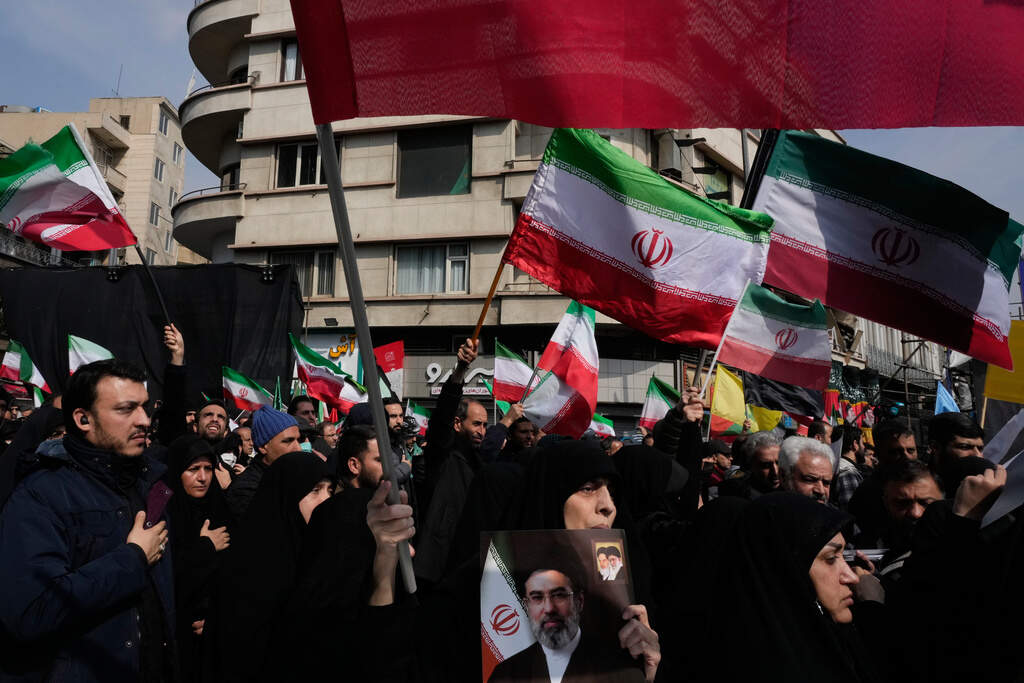
To say that the government has been sending mixed messages about the aims of the war would be overly generous. "The mission of Operation Epic Fury is laser-focused," said Secretary of Defense Pete Hegseth — who has yet to face any consequences for inadvertently sharing war plans for a strike in Yemen with a journalist a year ago — at a briefing on March 2. "Destroy Iranian offensive missiles, destroy Iranian missile production, destroy their navy and other security infrastructure, and they will never have nuclear weapons." Even if you were to concede that this laundry list of broad tactical goals were indeed “laser-focused,” and ignore the fact that, in June of last year, the administration claimed that the Twelve-Day War had completely destroyed Iran’s nuclear program, Hegseth has been repeatedly undercut by his boss, who, at times, seems set on regime change as a goal of the operation and at other times suggests the U.S. has already achieved its aims in the conflict. As the President said Tuesday, "We could call it a tremendous success right now. As we leave here, I could call it. Or we could go further and we're going to go further."
Indeed, the executive branch appears to be engaging in a determined crusade against the idea that words have meaning. Listen to Secretary Hegseth describe the operation: “No stupid rules of engagement, no nation-building quagmire, no democracy building exercise, no politically correct wars. We fight to win, and we don't waste time or lives.” It pointless to ask how servicemembers could possibly operate in a conflict in which there are no rules of engagement or what would constitute a “politically correct war.” He is a man well out of his depth speaking in a pablum of anti-woke buzzwords and military clichés completely devoid of substance.
Perhaps the most believable explanation for military action against Iran came from the Secretary of State, who stated that the U.S. had to preemptively destroy Iran’s ability to retaliate to an imminent Israeli attack. Besides begging the question of which country in that bilateral alliance is the superpower and which the client state, Secretary Rubio essentially admitted that the lives of American servicemembers, civilians in Iran and other Gulf countries, and affordable energy prices are all being sacrificed to further Israel’s interests. Or, if one were to take a more cynical view, given that Prime Minister Benjamin Netanyahu remains embroiled in a corruption scandal and a state of permanent national security crisis is likely to benefit him, the political interests of Israel’s prime minister. But this justification is unlikely to please the increasingly Israel-skeptic MAGA base.
With gas prices on the rise, at least some in the White House seem to understand they have something of a political crisis on their hands. Last week, Chief of Staff Susie Wiles apparently attempted to crowd-source ideas from cabinet officials and aides on how to lower prices at the pump, belying the fact that the administration appears to have had no plan for this very predictable externality of starting a war at the chokepoint through which one-quarter of the world’s seaborne oil trade and one-fifth of its liquified natural gas trade transits.
The solution that they appear to have landed on may be strategically even stupider than the problem they created. To blunt the rise in energy prices, the administration has eased oil sanctions on Russia, allowing Putin’s government to export additional petroleum and benefit from higher commodity prices even as that country aides Iran in targeting U.S. forces and continues its invasion of Ukraine.
Beyond the supply shock the world’s energy markets, thus far, the war has yielded an arguably more radical leader of Iran with ample personal and political incentives to continue the fight. Even were Trump to call the war a success and “TACO” on the conflict now, he would leave Iran with a more extreme government with greater incentives to pursue nuclear weapons while energy prices would remain high due to damage to infrastructure incurred during the fighting.
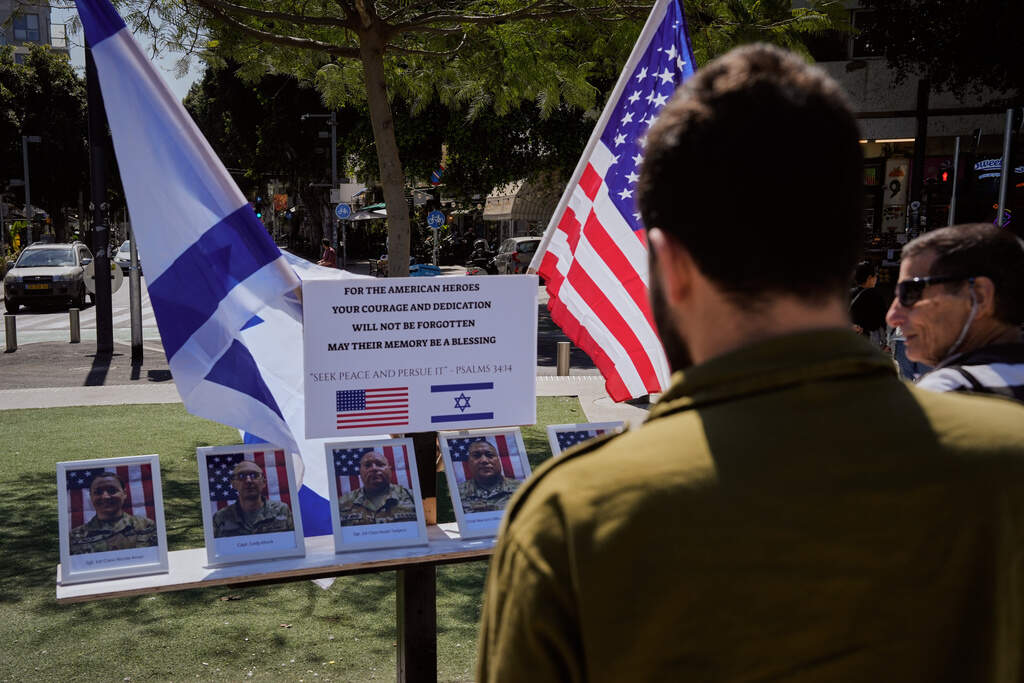
While the masterclass in dumbfounding incompetence being put on by our government is something to behold, it is the crassness with which Trump has undertaken such a serious endeavor that most shocks me and is most reflective of what we have decided to tolerate as a nation.
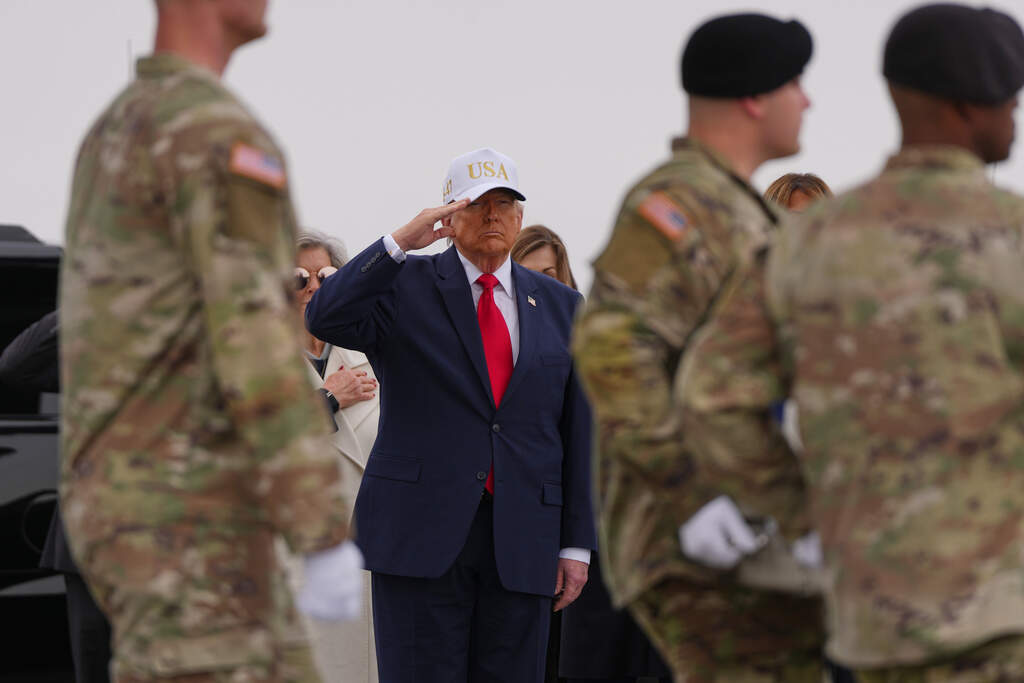
Following his attendance at the dignified transfer of the remains of six servicemembers killed in the war in Iran, Trump spoke about meeting the parents of the dead: “They said to me one thing, every single one: 'Finish the job, sir, please finish the job.'"
Donald Trump has history of misrepresenting conversations with military families, insulting Gold Star parents, and disparaging servicemembers. We should not be surprised that he would attempt to mortgage the grief of others to advance his political ends. Still, it turns my stomach that tens of millions of Americans will see and hear all of this and continue to support this man.
I have no illusions that bloodshed far away, even when it involves the blood of Americans, is of little import to the average voter. (We fought a war in Afghanistan for 20 years that barely made headlines after the first year.) And while I doubt this latest war will have great popular support, once military action begins, events are set in motion that are often beyond our control.
Even if this war does not devolve into quagmire, the world will feel the consequences for decades to come. The men and women of our armed forces who are impacted by it — and their families — will live with the consequences for the rest of their lives. How unworthy we are of their sacrifices.