Support WBUR
Essay
Larry called me to complain about one of my stories. Then we became friends
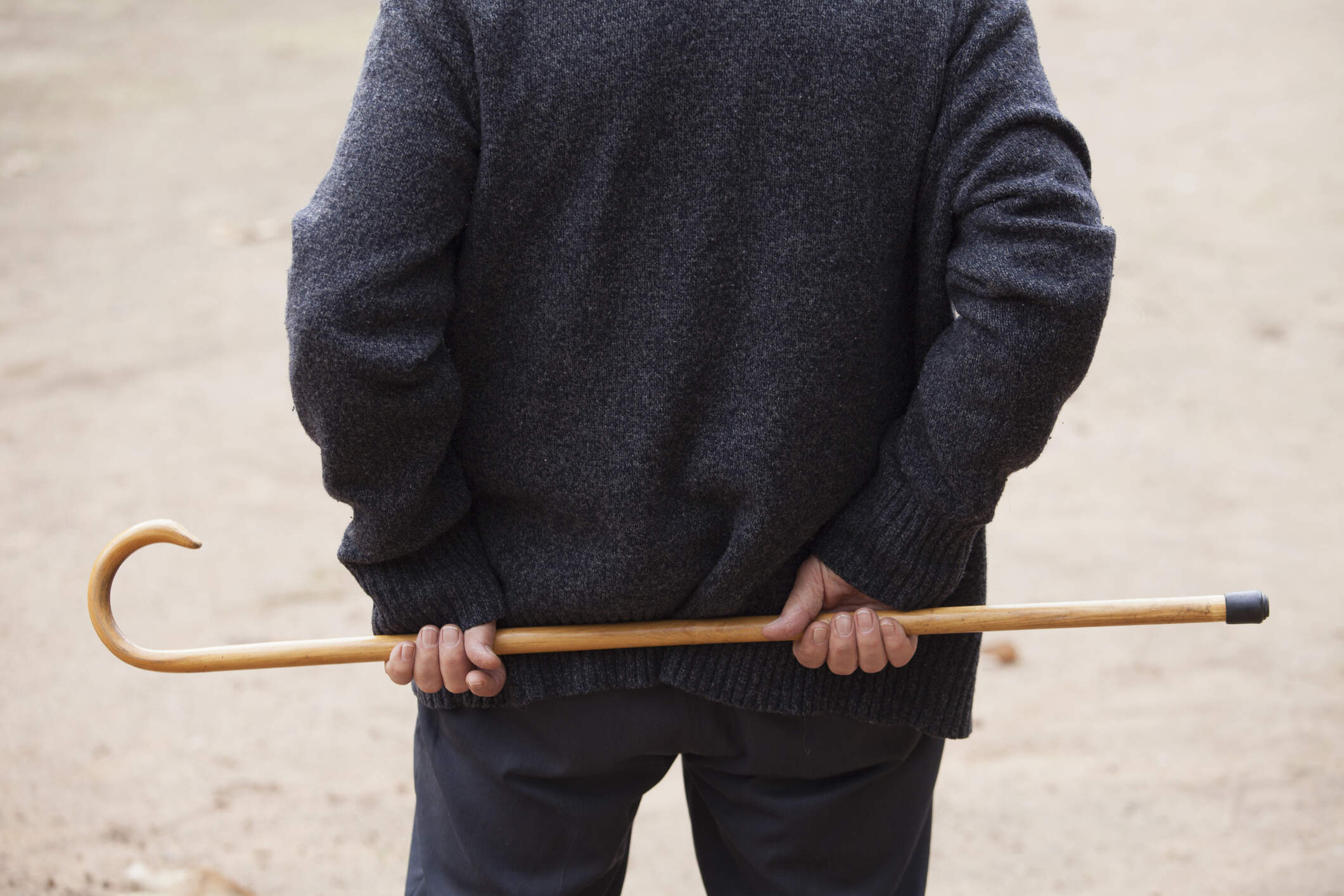
I first heard from Larry more than a decade ago when he called me at my office at WBUR to complain about one of my stories. Larry was a near-constant WBUR listener. Being blind, he relied on the radio to keep him informed. His feedback about my work centered on his desire for more nuance and depth. “You didn’t present the whole picture in your story, and I’m going to tell you why,” he explained.
His criticism was valid. But, in my defense, I explained my time constraints.
He called the next week about another story to inform me that I had “done better.”
I thought, “Who is this ornery guy?”
Eventually, he became my friend, whom I remember with a sense of gratitude as I mourn his death in February at the age of 89.
Lawrence (“Larry”) Clifford’s accomplishments were significant — including his military accolades from decades in the U.S. Air Force, his multiple advanced degrees, his teaching and international relations lectures and his ability to fully engage in life despite losing his vision as an adult. He began calling regularly, and I came to enjoy our conversations about world events. He had served in Vietnam, spoke several languages and loved to tell war stories. He could recite — without the help of Google — the dates of every Vietnam War battle, the name of every former supervisor and colleague and the history of Vietnam and other U.S. military conflicts. I marveled at his mind and his memory. Sometimes I would fact-check the events he was describing while we were on the phone. He was always correct.
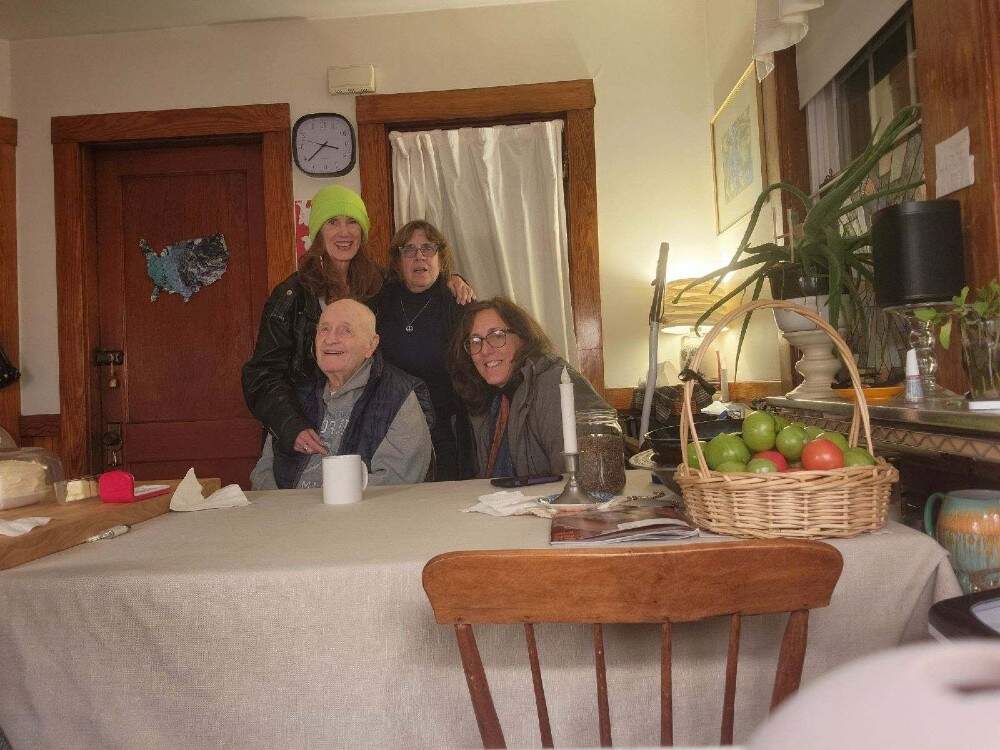
Eventually, he started sharing personal stories. He often mentioned his late wife Joyce, who died in 2011. One day, he called to tell me that it was the anniversary of her death.
“I’m really down today,” he said. “I’m sorry to call to tell you that, but I needed to say how much I miss my wife.”
“I wish I had met her,” I said. “Tell me more about her.”
He told me about their great love affair and their mutual admiration and respect, how she cared for him after he became blind and how he cared for her when disease ravaged her body. He lamented that they weren’t able to have children, but he relished being the godfather to the children of his closest friend, James Ahmann, with whom he had served in the military. Larry often touted his wife’s accomplishments, leading the nursing staff at Beth Israel Deaconess Medical Center and founding The Institute for Nursing Healthcare Leadership.
“I don’t know what she saw in me,” Larry said. “Nobody was as surprised as I was when Joyce agreed to marry me.”
Larry eventually started dating after Joyce’s death. Once, he invited my husband and me to celebrate his birthday with his “woman friend” Jessica, who was nearly 90 at the time, at Symphony Hall. As we were leaving the concert, Larry almost got into a fight with a much younger man who was trying to push Larry and Jessica aside to exit more quickly. Larry threatened and yelled expletives (his language could be rough at times). The man eventually scurried away with his head down. Larry never shied away from speaking out about injustices.
Larry became blind before the digital transformation of the world so he didn’t scroll or vent in the comments. He wasn’t looking for the visceral reactions or verbal fights that have become so commonplace in our online, often anonymous, discourse. He sent letters with his name, address and phone number. He didn’t read or watch others’ opinions before forming his own. His judgments were based on his intellect and instincts. And despite bleak events in the world, and in his life, he refused to disengage.
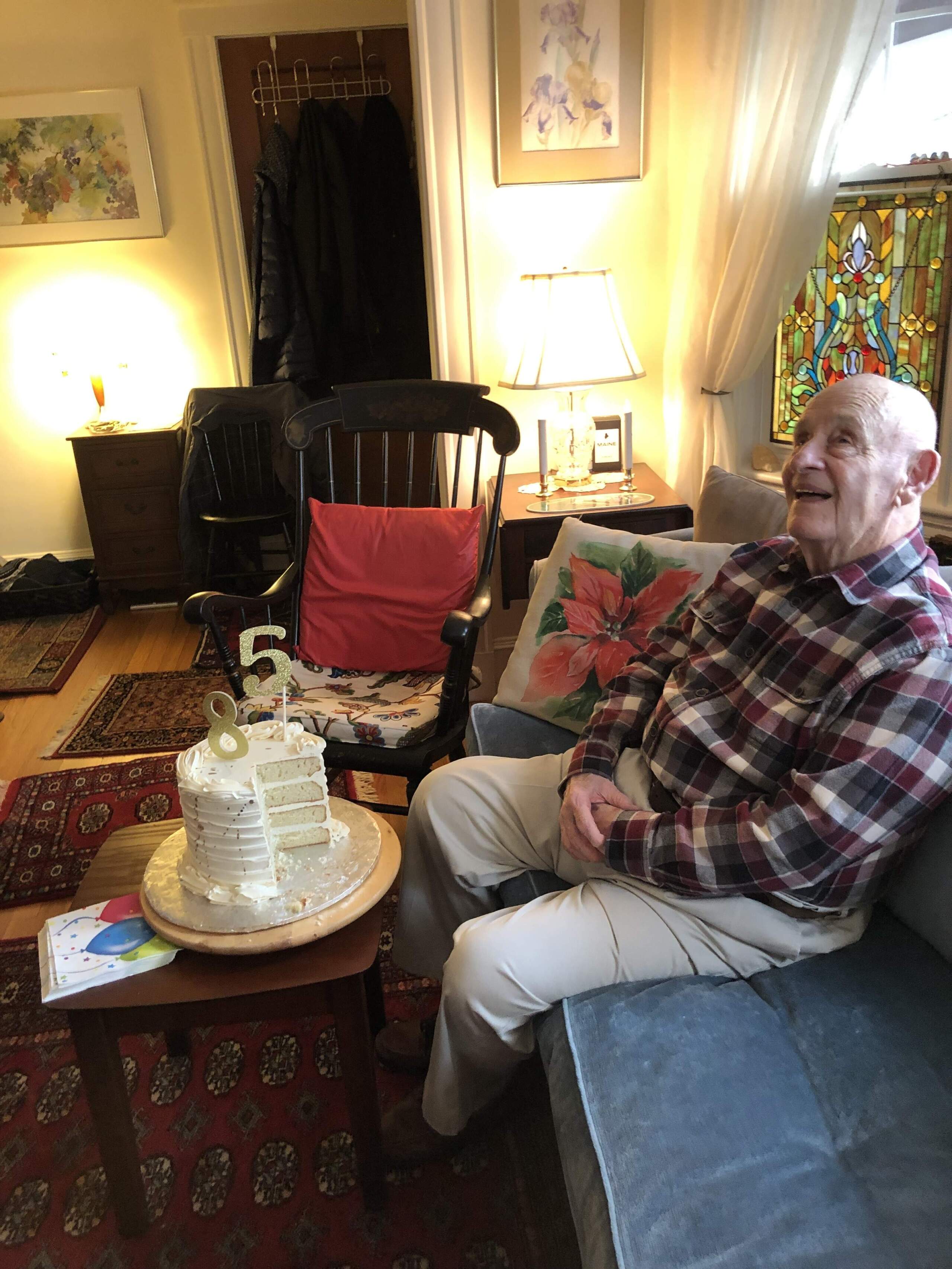
His resilience over his loss of sight was a constant source of inspiration: He had a personal trainer and an elaborate daily exercise routine at the YMCA; he created and led international relations discussion groups around Boston; he made regular trips to his favorite place on Cape Cod and to his godchildren; he developed new friendships, tried new restaurants and had the latest books read to him. (Then he sent those books to friends so they could discuss them together.)
Larry worked his way into many people’s hearts, despite his strong opinions and sometimes curmudgeonly behavior. And he worked hard to maintain those connections. His main caretaker in his final days was Steve, son of his late “woman friend” Jessica. Larry was instrumental to Steve in helping care for Jessica in her final days. Because Larry and Jessica lived in the same senior care facility, he often assisted Jessica and kept Steve informed about her condition. Steve then returned the favor and generously cared for Larry until the end.
Larry was not perfect. He could be obstinate and gruff, sometimes downright difficult. One of his last voicemails to me was a message he wanted me to pass along to WBUR news managers about what he felt our coverage of the Middle East was lacking.
But he could also be sweet. “I’m grateful for our friendship, you know.” he said softly in one of our last phone conversations. “You’ve been kind to me, and I appreciate that.”
We didn’t always agree, but kindness and fairness were what mattered to Larry. Not profession, pedigree or status. He chose to surround himself with — and was fiercely loyal to — people he felt were simply kind. At his funeral, people shared stories of how Larry went out of his way to help them or how he urged them to look after someone else.
There’s a quote on a Post-It above my desk from “The Little Prince” by Antoine de Saint-Exupéry.
“It is only with the heart that one can see rightly; what is essential is invisible to the eye,” it reads.
That sentence has been above my desk for years — a reminder to trust my gut.
Today, it reminds me of Larry, who didn’t need eyes to tell him what to think or to believe or whom to invite to join him on his journey in life. I am humbled to have been included.
Goodbye, my friend.