Support WBUR
Essay
Send your friend a voice note. You’ll feel better
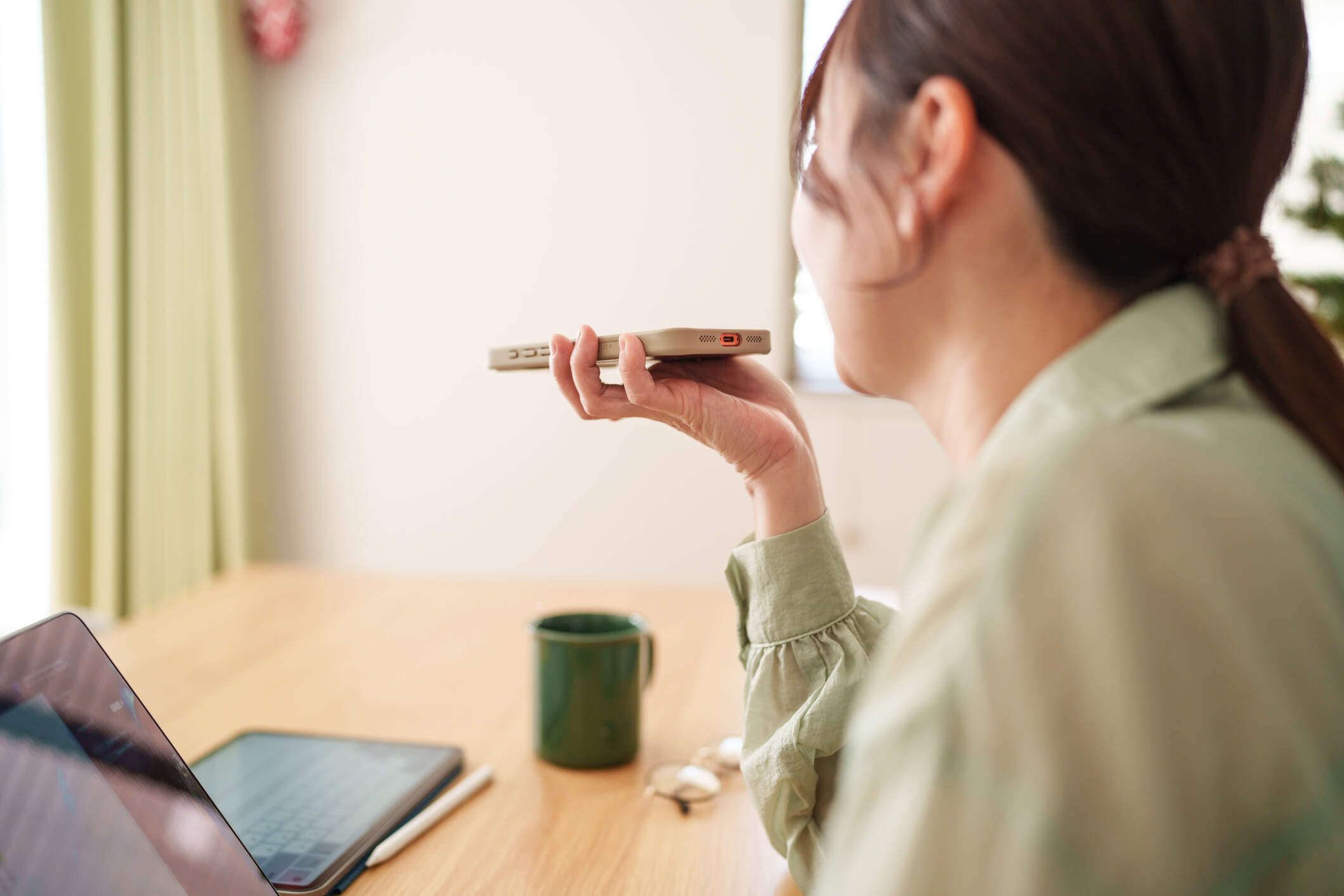
I can count on one hand the number of times my best friend and I have spoken on the phone over the past year.
Twenty years ago, when Adele and I graduated from our small Midwestern college and retreated to opposite coasts, we talked every day. I’d call on the way home from work while she took a late lunch, or she’d call after work as I was settling in for the evening. We sifted through the confusing politics of our entry-level office jobs, analyzed OKCupid profiles and griped about our roommates. We knew every detail of one another’s lives.
Now we’re in our 40s. Adele is a successful lawyer in California, living with her partner and working long hours. I’m a teacher in Boston and a parent to two young children. The time difference feels harder than it used to; when I’m arriving at school, she’s just waking up. When she’s done with work, I’m putting the kids to bed (and, more often than not, falling asleep alongside them). I've got to figure out dinner, pack lunches and adjust my lesson plans, while she has to respond to client emails, walk the dog and squeeze in a workout. Phone calls feel almost impossible. But I miss them — and the closeness they brought.
It’s been three years since the U.S. Surgeon General declared loneliness a public health epidemic, pointing to the links between social isolation and physical health hazards such as anxiety, depression, dementia, heart disease and premature death.
According to a 2024 report, things haven't improved much since then. Nearly a third of people aged 30-44 say they are frequently or always lonely, while 24% of 18-29 year-olds and one in five people aged 45-64 report high levels of loneliness. The group with the lowest rate of loneliness — at 10%— are adults aged 65 and older.
Researchers cite an array of reasons for the increase in social isolation: reliance on technology, insufficient time with families, the changing nature of work, and lower participation in religious and spiritual groups. It’s hard to imagine enacting solutions that change our societal structure. But the vast majority of participants felt that “taking time each day to reach out to a friend or family member” would be a meaningful step toward reducing the loneliness that plagues so many of us.
Phone calls can be hard to schedule and, for many younger adults, awkward. Some have developed “telephobia”: a fear of talking on the phone. For many people, an unexpected phone call feels intrusive, even aggressive.
Texts are convenient, but they can feel impersonal. There’s no emoji adequate to express how sorry I am that the latest round of IVF didn’t work, that your dad’s in hospice, or your partner's been laid off — or to convey my delight in your hard-earned promotion, your pregnancy announcement, your clean bill of health.
I realize we’re not going back to the days of frequent phone calls. So over the past year or so, I’ve tried something different: voice notes.
I’ll record a message for Adele on my commute, or while I’m on a walk during my prep period, and send it her way. She’ll listen and respond with her own updates when she’s able. Sometimes it’s the same day, and other times, several days pass before we can reply to each other. I’ve started to exchange voice notes with other people, too: friends from childhood; former neighbor-friends who now live out of town; and even some local friends who I don’t bump into during my day-to-day life.
Some of our voice notes are just a few minutes long, missives sandwiched between meetings or rattled off in the preschool parking lot. Others last much longer — dispatches recorded while folding laundry or during the kids' swim practice. The content varies. Sometimes, it's quotidien updates: Costco finds, weekend plans, book recs or funny kid anecdotes. But we also share the heavy stuff: disappointments, insecurities, resentments, grief.
Voice notes offer the convenience and flexibility of texts, but with far more intimacy. I love to hear Adele’s familiar vocal cadence, the little chuckle she makes when she finds something amusing, the references to inside jokes from 20 years ago. I relish Catherine’s asides, followed by her self-deprecating interjections of “Why am I telling you this?!,” and the way Jacqueline interrupts herself with clarifications of her clarifications. I get to hear Maeve’s daughter babbling in the background of her messages. A voice note makes it possible to talk about deeply personal things — relationship conflict, aging parents, miscarriages, toxic workplaces, parenting woes — in a way that a text message simply can’t. In a voice note, you hear delight, yawns, hesitation, incredulity, tears and laughter.
While 85% of U.S. adults say they send text messages on a regular basis, only 10% use voice notes regularly.
It’s time to change that. If loneliness is a public health crisis, pressing record may be part of the solution.