Support WBUR
Commentary
The Blue Envelope Program protects police officers and autistic drivers. Let's make it law
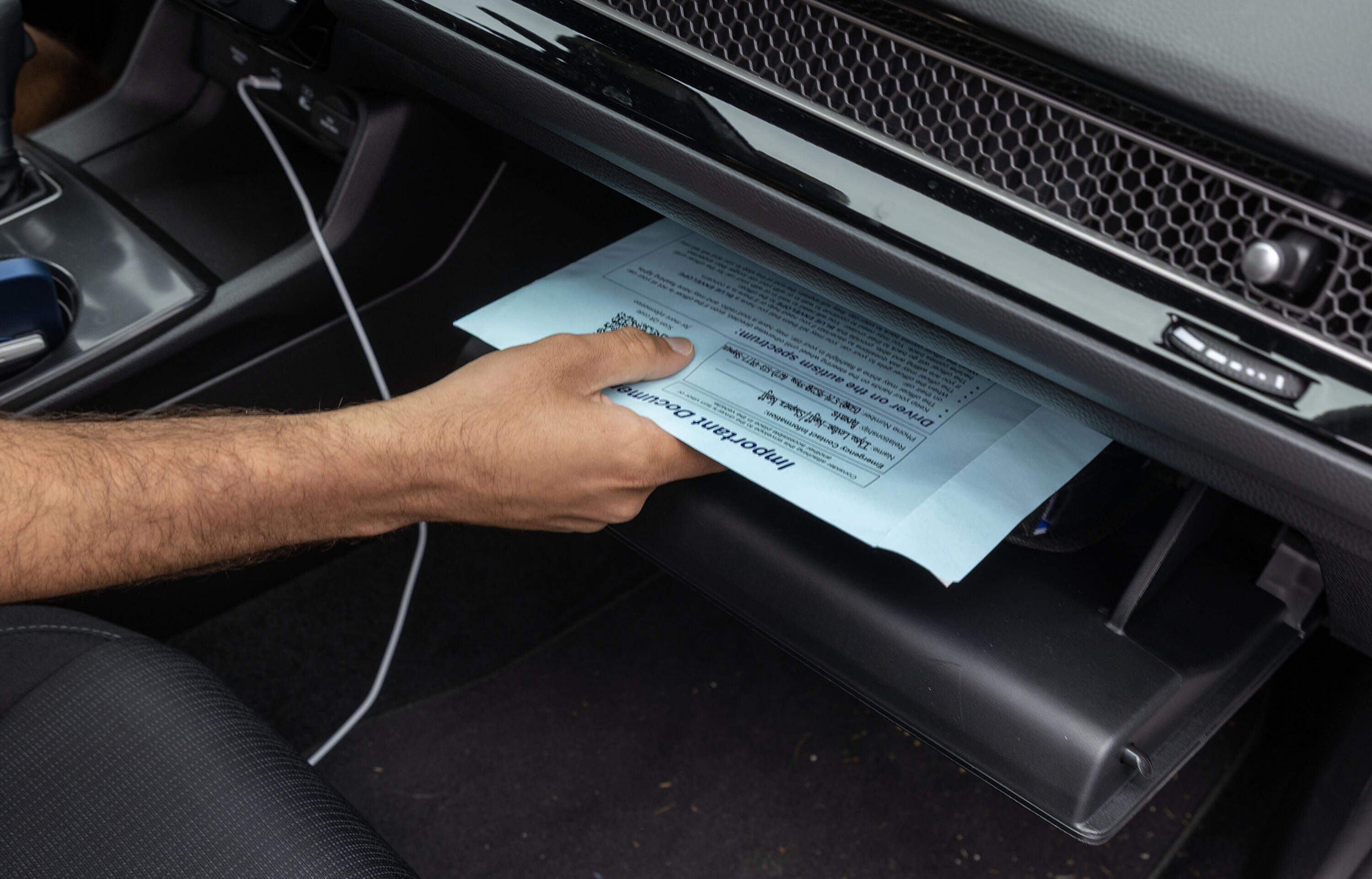
The Massachusetts House will begin floor debate on the House Ways and Means Committee’s $63.3 billion budget proposal (H.5500) the week of April 27. I will be particularly focused on Amendment 541, the “Blue Envelope Bill” introduced by representatives Mindy Domb and Sean Garballey.
The Blue Envelope Bill would allow autistic drivers to request a blue envelope that they could present to law enforcement in case of a traffic stop or accident to alert an officer of the driver’s diagnosis. The front of the envelope reminds the driver what to expect during a traffic stop to decrease anxiety, while the back of the envelope provides tips to help police officers communicate with drivers who have autism and recognize that unexpected behavior — such as lack of eye contact, agitation, garbled speech, or delayed response time — is likely a symptom of autism, not a tacit admission of guilt. There is also a box on the envelope where the driver can choose to write the name and phone number of an emergency contact for an officer to call if needed.
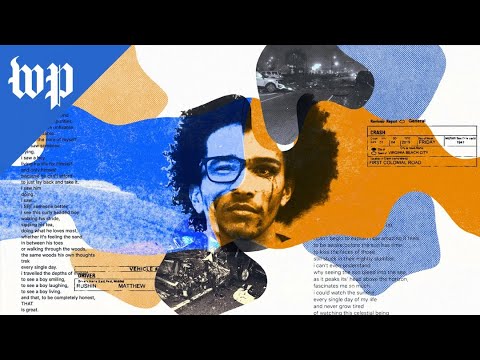
The Blue Envelope Bill is enthusiastically supported by both the autism community and law enforcement, with no known opposition. Its price tag is small. Yet its impact is significant because it could help prevent avoidable misunderstandings, such as the tragic stories of the imprisonment of Matthew Rushin and the shootings of Linden Cameron and Charles Kinsey, who was caring for Arnaldo Rios Soto.
The Massachusetts State Police and Massachusetts Chiefs of Police Association recognized the importance of the Blue Envelope concept and chose not to wait for legislative action. In April 2024, they rolled out a Blue Envelope program for all state troopers and any local police department that chose to participate. Since then, law enforcement has distributed more than 12,000 envelopes. However, the program must still be codified into law to ensure its longevity and because the envelopes aren't as helpful if an autistic driver gets stopped in a city or town that is unfamiliar with the program.
My 27-year-old son, Sam, has autism and keeps a Blue Envelope in his car. Sam is an excellent driver and has never had an interaction with police since he got his driver’s license in 2016. Before he turns on his car, Sam always puts his phone in “do not disturb” mode. Unlike many neurotypical people, Sam would never text while driving or speed recklessly. He would never drink alcohol or take drugs before driving. He has an amazing memory for directions and focuses intently on the road.
Like many people who have autism, Sam doesn’t have any physical characteristics that alert a stranger to his significant neurological differences. I routinely observe strangers being confused or misinterpreting Sam’s actions — until they finally realize he has a disability or I explain. I worry about what could go wrong when I’m not there to help.

But if Sam were pulled over, he might get very anxious and upset, worrying that the police were going to take him to jail, crying and talking incoherently at a mile a minute. Even though I’ve explained he should wait in his car if he ever gets stopped by police, Sam might be too anxious to sit still and instead run towards the police car (most likely waving his Blue Envelope). An autistic friend of Sam’s was rear-ended while driving on a busy road. The friend got out of his car and paced erratically by the side of the road because he was so anxious. Thankfully, his dad was also in the car and was able to keep him from walking into traffic and to explain the situation to the other driver and the police. But had Sam’s friend been alone, the story could have had a much different ending.
Police responding to an accident or traffic stop don’t have the luxury of spending a few minutes to understand a person’s unusual presentation. Officers must often make split-second decisions about whether a driver is a threat or if the driver’s garbled speech means the driver is high or drunk and therefore more dangerous. A Blue Envelope can help clarify the situation quickly.
Importantly, presenting a blue envelope doesn’t mean that the autistic driver is cleared of any potential wrongdoing. It is not a get-out-of-jail-free card. Its purpose is simply to notify the officer that any unusual presentation may be due to autism and to recommend communication strategies such as allowing the driver extra time to respond to questions and process directions.
It’s time for the House to pass the straightforward, uncontested and inexpensive Blue Envelope Bill, which would be transformative for both law enforcement and the autism community, making all parties involved safer.