Support WBUR
Essay
In the Human Library Organization, people are books to be read
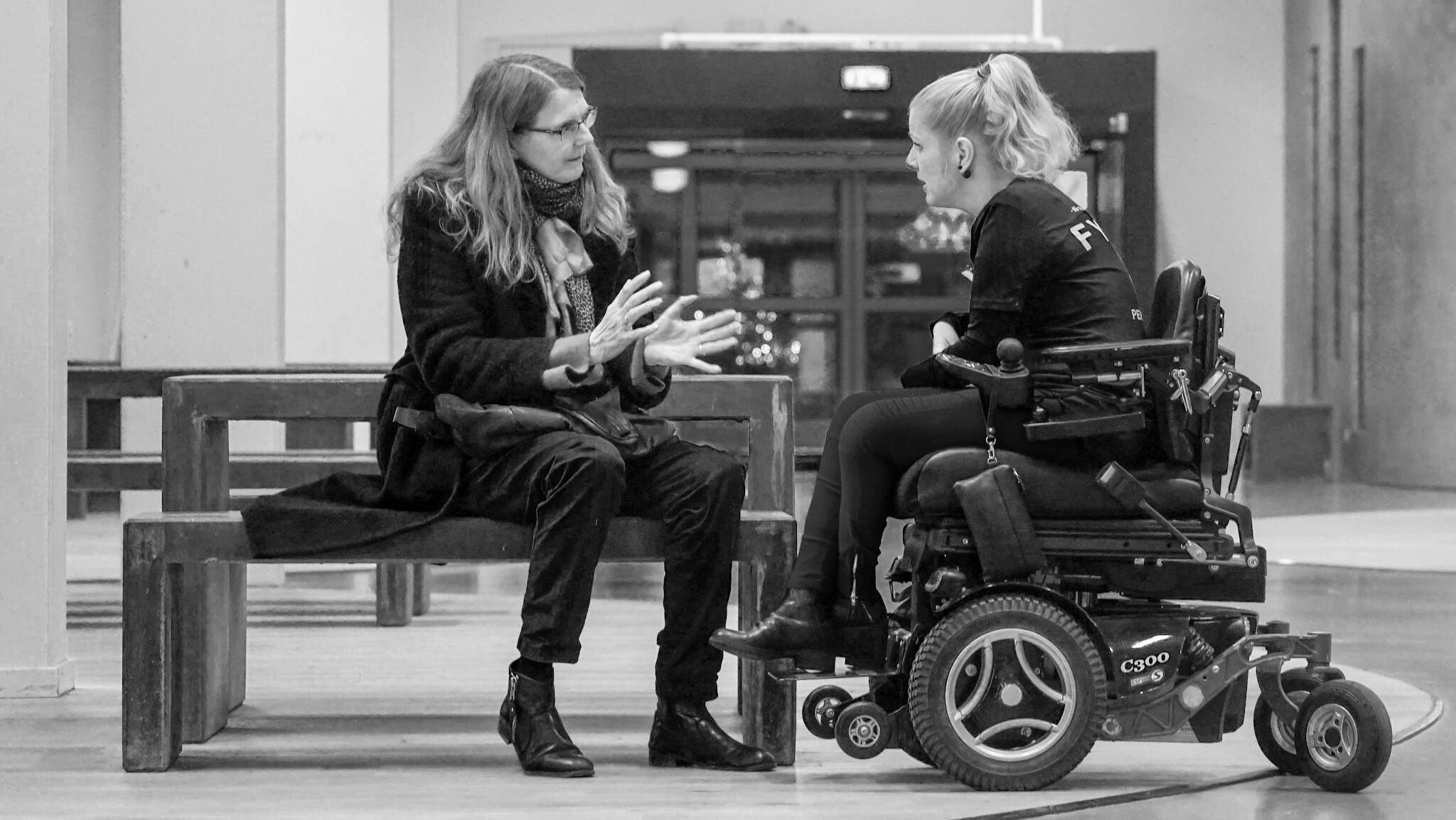
America’s public libraries have consistently reinvented themselves. These days, stacks of books are complemented by videos, e-books, board games, DVDs and other media. In Massachusetts, where I live, some libraries offer a supplemental “library of things” with items ranging from birdwatching kits to a Braille typewriter. At the Sacramento Public Library, patrons can check out musical instruments and induction cooktops, and most everything in between. But the Human Library Organization (HLO), a nonprofit registered in Denmark in 2000, takes this expansion even further.
Human Libraries live up to their name – they are comprised of people who present themselves as human books to be “read” by other people. One of HLO's taglines is to “unjudge” rather than prejudge.
The HLO shares many of the same objectives as a lending library. It serves as a public resource intended to be a safe place to learn and exchange ideas, but it also confronts stigma, discrimination and prejudice.
One way to understand HLO is to see its similarities to NPR’s StoryCorps. The latter, founded in 2003, considers everyone’s story important, “illuminating the humanity and possibility in us all — one story at a time.” After StoryCorps conversations are aired, the recordings are archived in the Library of Congress.
I learned about the Human Library from a friend a few years back and was intrigued. Could I “read” the human books I encountered deeply and fairly? Could I challenge my own biases and truly “unjudge” someone? I challenged myself last month by registering as a reader for a virtual HLO session over Zoom.
People volunteer to become human books for various reasons. They have an unusual story they hope readers can learn from. They are keen to challenge stigma and stereotypes. They are curious and excited to learn from people who are different from them. One of the questions on the application to be considered for becoming a human book asks, “What title would you select for yourself?” A follow-up question asks, “Which pillar of prejudice do you think your title best represents?”
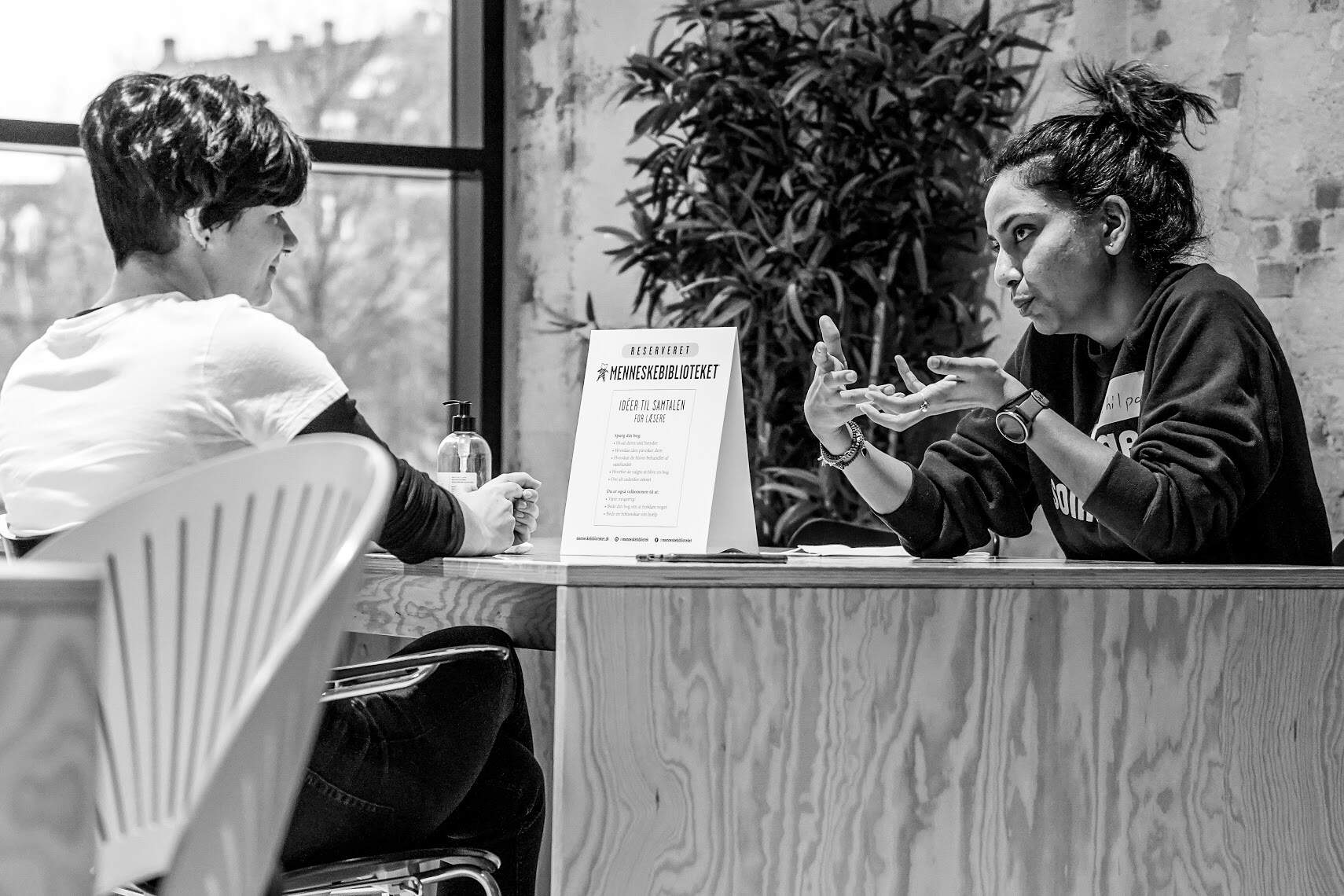
Just as in a conventional library, human books are categorized under subjects: adoption, alcoholism, autism, bipolar, Muslim and polyamory to name a few. My title would be panic disorder. The pillar of prejudice associated with my book is the stigmatization of mental health conditions.
The titles of the two books my group was assigned to read were adoption and polyamory. To respect these books’ privacy, I will talk about their stories in general terms and use neutral pronouns.
There were three other “readers” in each Zoom meeting with me. (We represented four different countries.) In this instance, the books were randomly selected. The first book we read was about an unhappy adoption by a biological relative. This person’s birth mother had been committed to an asylum shortly after they were born and their father was unspeakably abusive. My book left their dysfunctional household as a teenager.
After listening to the intimate details of each stranger’s life story, we worked through the awkward silence. We readers rallied as a group to ask affecting questions. The experience showed me how to talk through personal discomfort and listen more closely.
Among the questions I asked them was if they had children. I was curious about how their childhood affected their parenting. They shared that they had two adult children with whom they consciously built loving, close relationships.
Others asked if they had met their birth mother. They had. Did they meet their birth father? They paused and shared that their father had died when they were a young child and the world was better off without this man.
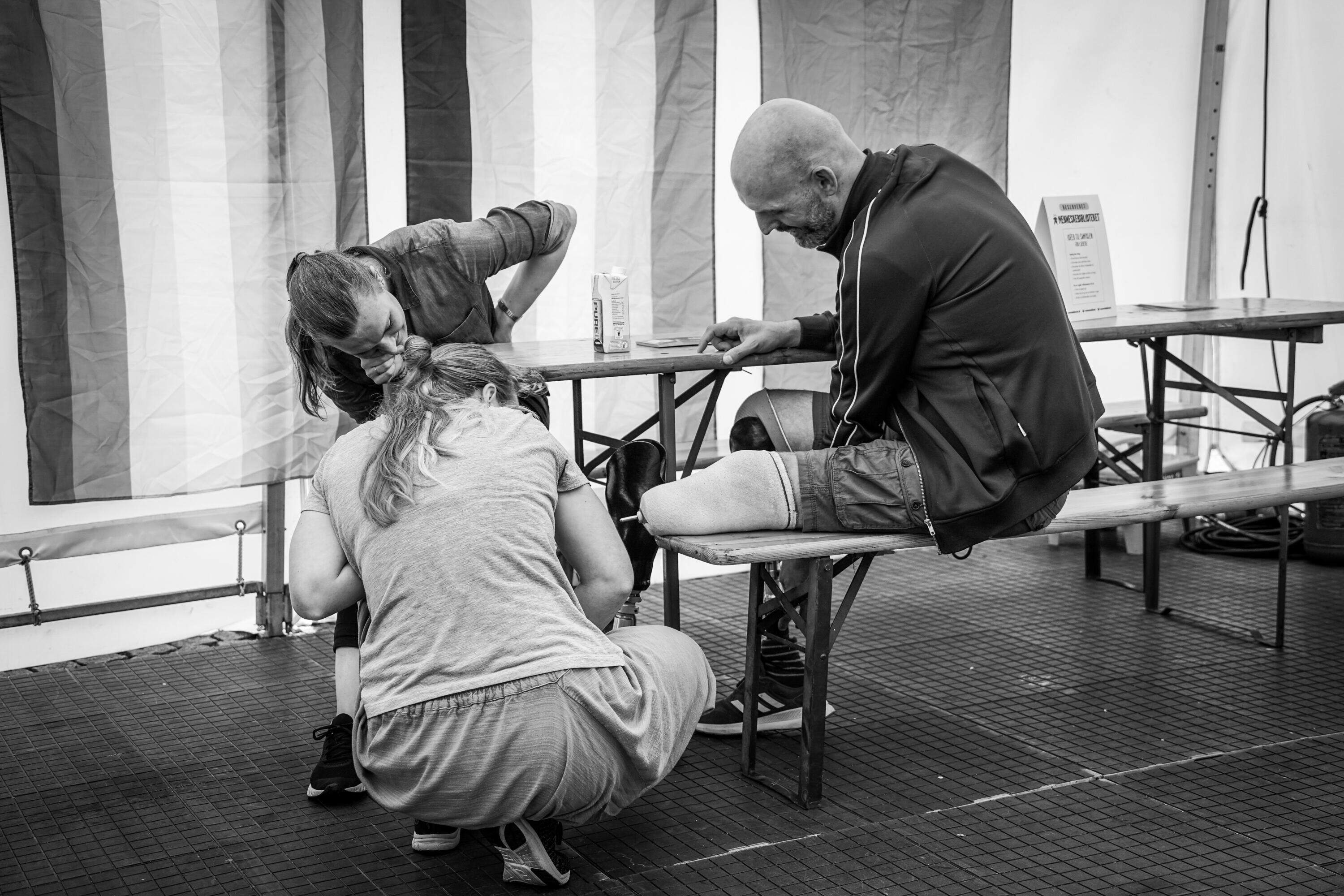
The second book was polyamory, a story about a person who was happily married to their spouse for several decades while also enjoying a close relationship with a partner. Their experience was so different than mine. Part of my unjudging process was to be open to learning about “ethical non-monogamy” and distinguish between consensual non-monogamy and cheating.
This book had been in a polyamorous triangle for almost a decade. In their story, I read that the key to managing both of their sexual relationships was to ensure that neither of the parties felt betrayed.
The book explained that they shared holidays with both of their partners and the book’s children. I said I would be jealous if my husband of 35 years had another partner. Perhaps more importantly, I admitted that I could not cope with the morass of feelings that came with being in more than one romantic relationship.
Yet this book thrived in their polyamorous union. They explained how the three people involved set boundaries together. They and their partners established clear rules regarding sexual health, finances, time management and even jealousy in their relationships.
During these readings, volunteer “librarians” pop into the virtual sessions to ensure the reading and ensuing discussion are respectful and free of judgment. By the end, I appreciated how brave it is to serve as an “open book” (HLO’s term).
Now in 85 countries, HLO is expanding into the United States. I hope more libraries join this growing international network. What better way for a public library to participate more fully in the community than to affiliate with the Human Library as we dig deeper to draw out our humanity and traverse diverse and difficult subjects?