Support WBUR
Cog's Weekly Ideas Newsletter
In praise of public libraries
Editor's Note: This essay appeared in Cognoscenti's newsletter of ideas and opinions, delivered weekly on Sundays. To become a subscriber, sign up here.
I am notoriously bad at remembering movie lines, but this one’s stuck with me:
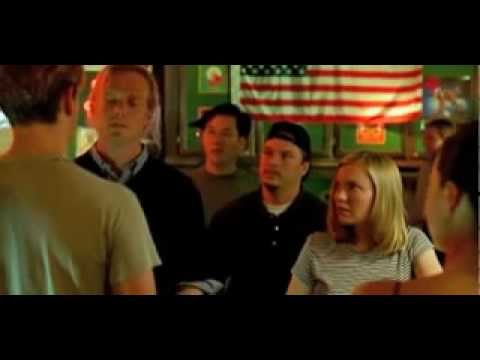
"You dropped $150,000 on a f---- education you coulda got for $1.50 in late charges at the public library.”
It’s Matt Damon’s character in “Good Will Hunting,” responding to a snide, blond-ponytailed grad student who tries to make a (very young) Ben Affleck look dumb at a bar in Harvard Square.
I’m thinking about libraries, because they — like so many institutions in America today — are under threat. Last year, public libraries received nearly $190 million in funding from the federal government, but the Trump administration moved earlier this year to end that expenditure. If the proposal holds, it would mark the first time in 69 years that public libraries would operate without federal support.
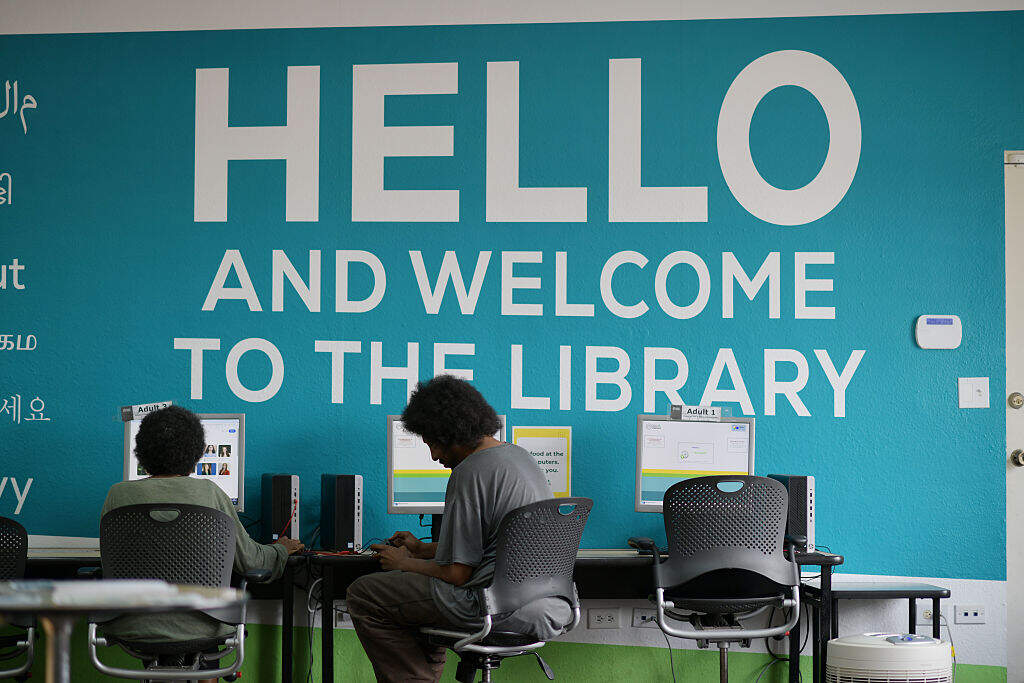
In her essay this week, Katherine O’Malley makes the case that libraries are public health hubs, especially in rural communities. Her piece made me curious about what kinds of services — beyond lending books, kids’ story times, meeting spaces – some of our local libraries have on offer. I spent a couple of hours combing through events calendars and reaching out to libraries in Jamaica Plain, Newton, Leominster, Lawrence, Randolph and Newburyport.
All of them have computer skills classes, book clubs, job search resources, museum passes (borrow a pass to the MFA, Museum of Science, anything really), assistance for patrons who need help filing their taxes, planning for retirement or faxing a document. Ayelet Reiter, a generalist librarian at the Jamaica Plain branch of the Boston Public Library, told me she was commissioned as notary public, so she’d be able to provide the now wildly popular service every week, for free, to anyone who needs it.The JP branch also partners with several programs, including the Age Strong Commission's Memory Café, run by the City of Boston. It hosts a monthly meeting, conducted in English and Spanish, that offers people experiencing memory loss and their loved ones a chance to connect and learn from each other.
English language lessons were also a popular service on offer. Lily Weitzman, manager of programs and communications at the Newton Free Library, told me the one-on-one tutoring program, where the library matches English language learners with English-speaking volunteers from the community, is one of the library’s most popular language offerings. As of last spring, they had 250 volunteers and 316 learners in the program.
Many of these libraries also host yoga classes, mindfulness meditation sessions, film screenings and conversation groups about the end of life. And then there are the “libraries of things.” Leominster’s, for example, lists 112 things patrons can borrow, including a bike pump, binoculars, garden tools, a karaoke machine, a ukulele and a ring light.
I felt a bloom of hope, hearing and reading about all these examples. I imagined all of the librarians and volunteers working at the country’s 9,000-ish public libraries, many from 9 a.m. to 9 p.m. most days, steering young readers to new authors and providing safe places to congregate. I remembered the orderliness of the stacks and the pleasantly musty smell of old hardcovers. There’s something profound in the steadiness of a library: the hushed quiet, items placed where they belong.
“The freedom to pursue knowledge is a foundation of our democracy,” begins the Lawrence Free Public Library’s mission statement. After yet another jaw-dropping week in the news — the killing of Charlie Kirk, the enabling of Jeffrey Epstein’s crimes, another school shooting (in Colorado this time), NATO fighter jets scrambled in Poland, 24 years since the attacks of 9/11 — I’m holding up public libraries as a ballast for good, a bulwark against bad.