Support WBUR
Essay
My body knew it was spring before I did
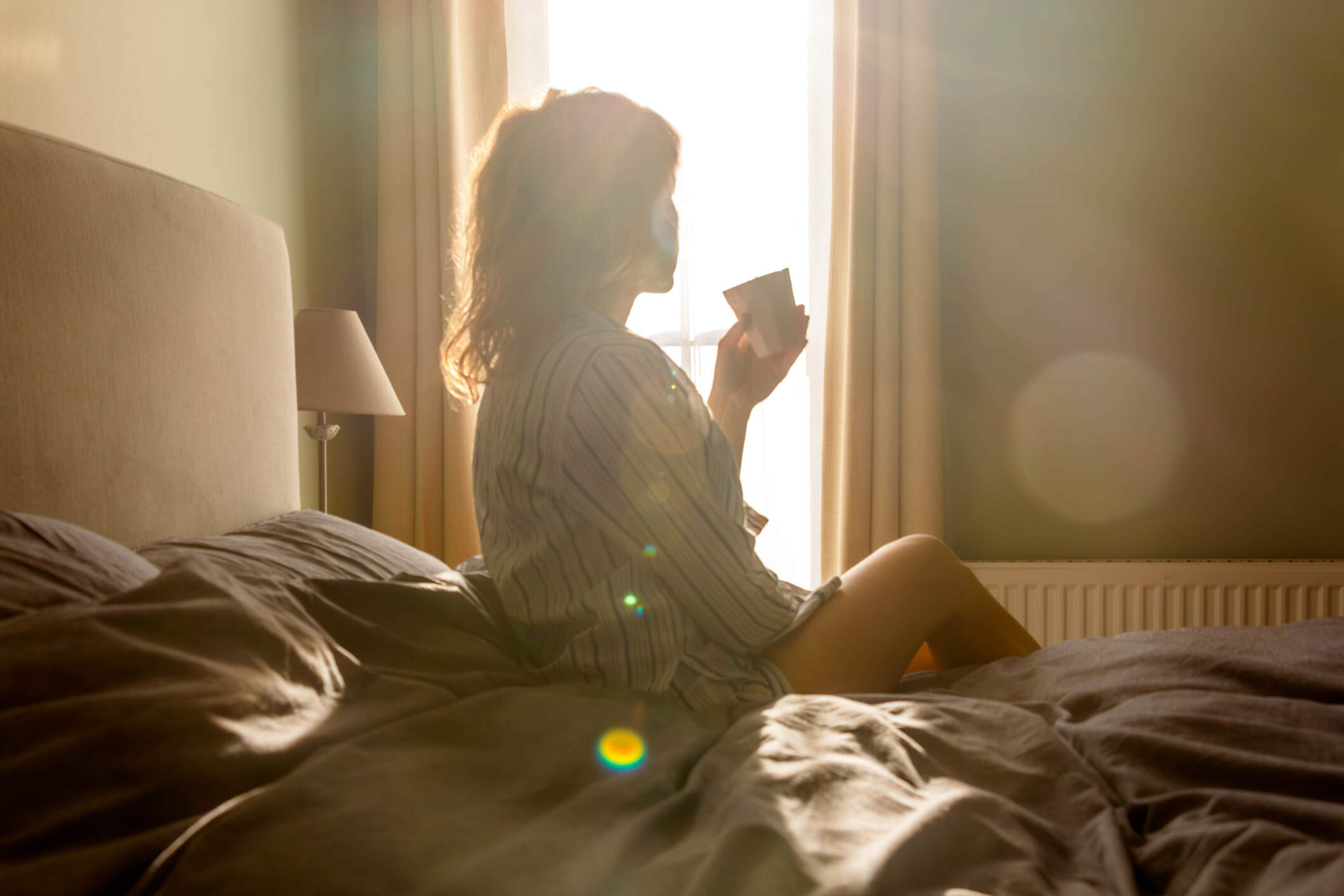
I’m always surprised at the way my body’s needs change heading into spring. Throughout winter, I’ve slept until almost 8 a.m. on some mornings, but for the past month, I’ve been opening my eyes before 7 a.m., feeling like something is wrong with me. This is not an hour I’m meant to see unless I have a plane to catch. But outside my window, it’s already light and the birds are singing — loudly. I roll around in bed for a while. I listen to the birds getting louder. Eventually, I get up and start my day.
For the first week of this, I thought it was stress. There’s been a lot hanging over me lately, so it made sense that my sleep was disturbed. But even when the stress lessened, even when I exercised or had a relaxing day, I only slept about seven hours before waking up, confused but refreshed.
It often feels like we’re very separate from nature. I have curtains on my windows to keep out the morning sun, lamps to make the day last longer, plenty of screens full of blue light to mess with my circadian rhythms. And yet! My body knows something is up.
Over the past month, I’ve watched the dormant brown stems of plants every time I took my almost daily walk to the nearby river. First, they had small brown buds on their branches. Then there was a hint of green. Then one day, I walked outside and suddenly it was unmistakably spring. I’ve taken walks with multiple friends who’ve said, “It feels like all this green came out of nowhere.” Oddly, even when I’ve been watching spring wind up, it feels that way to me, too.
It was around the same time the leaves came out that I started waking up early. I have proof that it’s not just in my head: My Fitbit tells me I slept an average of 7 hours and 43 minutes a night in December, the darkest month. This month, I’m down to 7 hours and 19 minutes. This tracks with what studies of human sleep patterns have found. A German study found that most people slept an hour longer in December than June, the month with the longest day of the year and the one in which people slept least. I’m more than halfway there with 39 fewer minutes of sleep a night. This is true even for people in urban areas with plentiful artificial light.
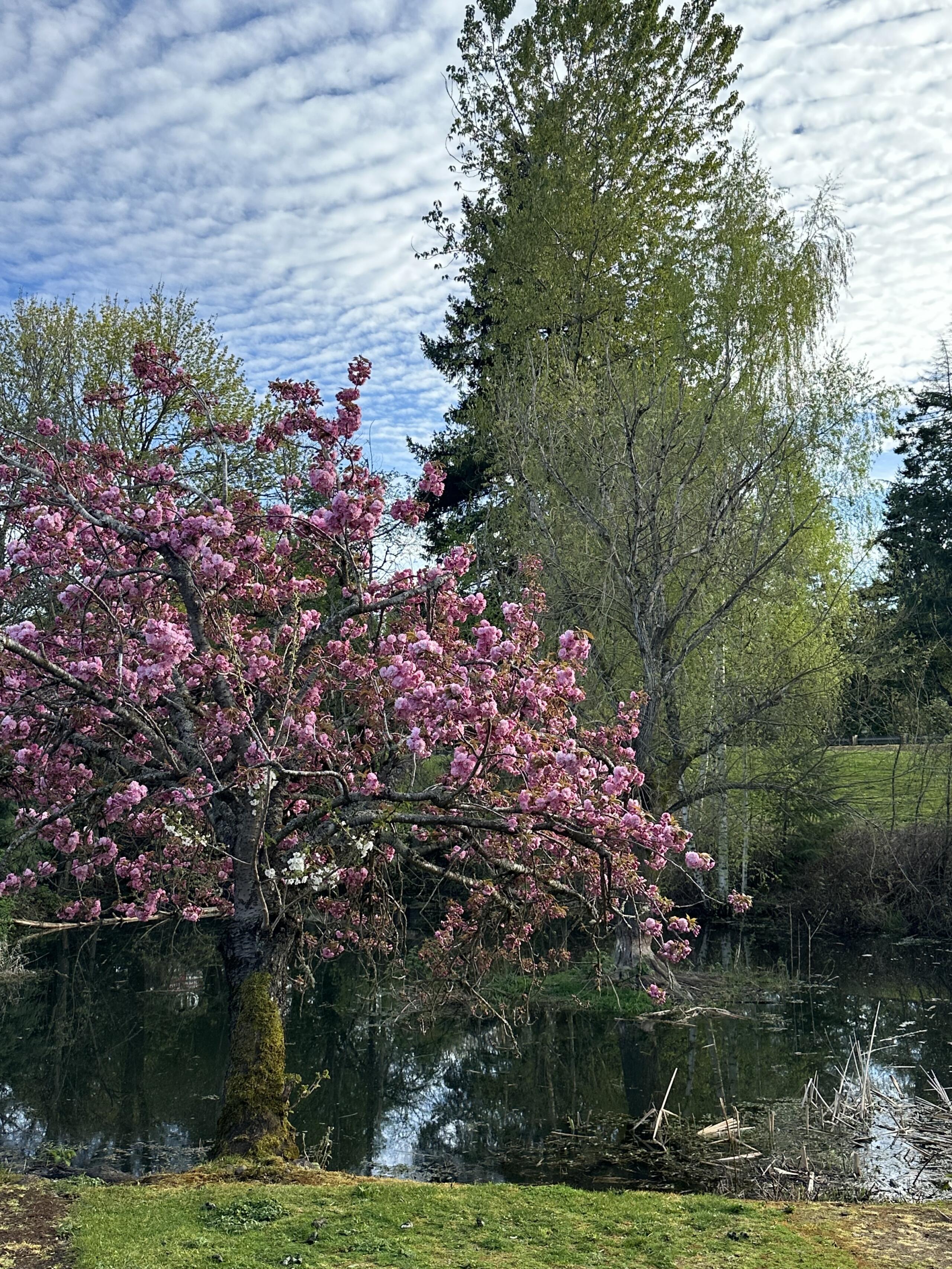
I haven’t gotten used to my longer mornings or the birds singing so loudly I can hear them even when my window is closed. I finish my coffee and morning reading and look outside, where the hill of barren trees has erupted into a wall of green. I have all this energy budding inside of me and am not yet sure what to do with it.
A year ago, I wrote about how it’s hard to give ourselves permission to rest when we need it, but especially during the dark days of winter that signal our bodies to slow down. I’m fascinated by the internal symphony of the body and all of our rhythms which, like musicians following a conductor, tell various systems of our bodies what they need to do and when. We think humans are different from non-human animals — with our clothes and cars and houses and ability to destroy or save the world — but here we are, affected by the length of days like every other living thing.
Birds have a pineal gland that tells them how much daylight there is and sparks processes like egg-laying, migration, sleep and other daily or seasonal rhythms. At the river right now, the peregrine falcons have come back and are sitting on a clutch of eggs in their cliffside nest. The cormorants have mostly gone away wherever cormorants go. The osprey have returned to fish in the river. Everyone is coming and going. Even if a bird is blind, their bodies still sense the light and signal them to begin nesting or migrating.
Longer days also tell bumblebee queens to emerge from hibernation. They buzz low to the ground, looking for food and safe places to start a summer colony. Foxes and other animals with thick winter coats begin shedding them in preparation for hot, summer days. So many different types of lives are affected by the seasons shifting.
We dream differently in spring than in winter. Dreaming most often happens during REM sleep, which we have less of as the days get longer. Our rhythms elongate to encompass the sunlight. I know I’m sleeping less, but there are probably other processes in my body I’m unaware of. Research shows springtime often lifts our moods and makes us want to move our bodies more. Our serotonin and dopamine levels increase. All I know is, I wake up just after the sun rises.
I often think of Ferris Jabr’s book “Becoming Earth,” where he writes of how life on this planet shapes Earth, which — in turn — shapes life. He wrote: “We and all living creatures are not just inhabitants of Earth, we are Earth — an outgrowth of its physical structure and an engine of its global cycles.”
We’re not always privy to the ways Earth has shaped us, or we’re too wrapped up in other things to notice. But this sleep shift makes me wonder what other ways I’m connected to the planet’s rhythms; how else I’m animal without even knowing.