Support WBUR
Commentary
4 things people 'from away' need to understand about Maine
To many people, Maine is an idyllic place, populated by kindly Yankees dressed in overalls, Bean boots and fleece. Everyone lives on a pristine lake or rocky shore. Lunch is a lobster roll and a Moxie. Antique stores dot the landscape, craft beers abound. And, without a doubt, every town is sleepy and picturesque and has a “strong sense of community.”
That is the caricature Mainers are once again subjected to because know-it-alls “from away” — ooh, how they hate them — have descended on the Pine Tree State because they believe the fate of the country is being decided there.
Maybe it is, but in the process let’s get a few things straight about the state where I was a journalist for almost 25 years.
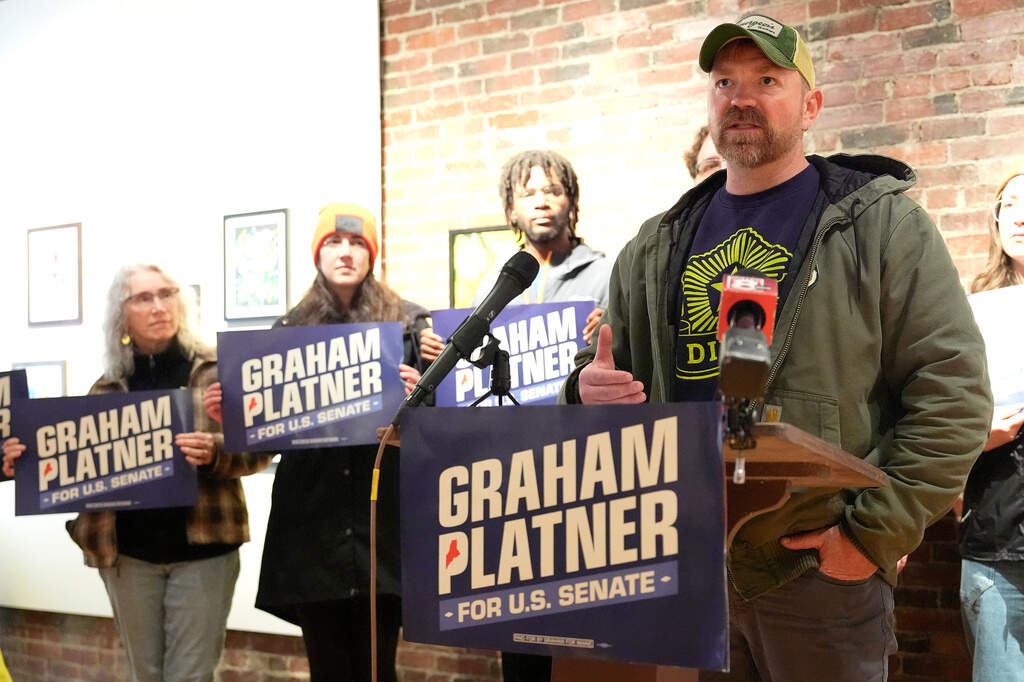
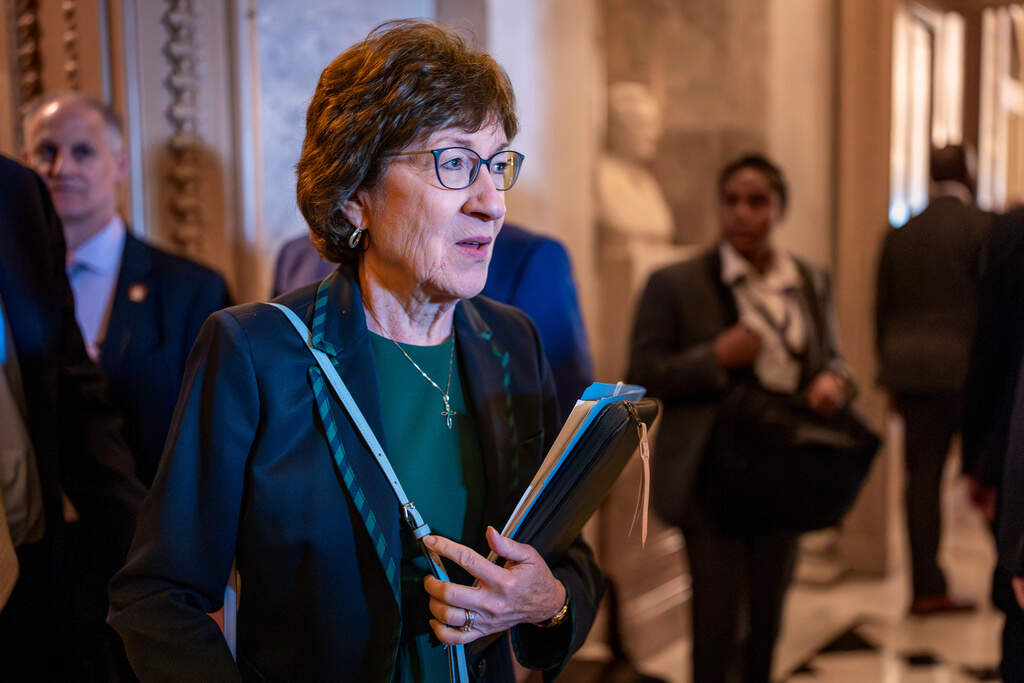
Maine is the focus of what will quite likely be one of the most expensive and hard-fought political races in the country, one that could help determine partisan control of the U.S. Senate, and thus the future of President Donald Trump’s agenda. National interest in the contest between longtime Sen. Susan Collins, a Republican, and likely Democratic nominee Graham Platner has sparked lengthy stories in what seems like every major news outlet.
If the whole world is going to talk about Maine, I thought it would be a good idea to help clarify — for the whole world — a few things about the state they’ve elevated to such importance, because Maine isn’t just spruce trees, wood stoves and flannel shirts. Here are four crucial things you should know.
Mainers are not politically predictable. When I moved to Maine, a former statehouse reporter took me aside and told me the key to understanding Mainers: They may be kindly, she said, but “they’re kindly anarchists.” The largest group of voters is not registered Democrats or Republicans — it’s independents. Since 1994, the state twice elected an independent governor, Angus King, and then sent him to the U.S. Senate. But the state also elected pugnacious GOP candidate Paul LePage governor twice, the guy who said "I was Donald Trump before Donald Trump.”
Mainers are contrarians. They especially don’t like being told what to do by “people from away.” My kids were 5 and 6 years old when we moved to Maine, but even if they spent the rest of their lives in Maine, they’d never be Mainers. “You can put the kittens in the oven, but you can’t call them muffins” was the way my neighbor put it.
Senate Democratic leader Chuck Schumer learned of this antipathy the hard way when he directed huge amounts of PAC money to Collins’ challenger, Sara Gideon, during the Senate race in 2020. Collins, who national pollsters considered vulnerable, trounced Gideon, who projected an image — despite living in the state for some time and serving as speaker of the Maine House — of a person from away. That was never more clear than when she appeared in a campaign ad wearing a fleece that bore the label “Patagonia”-- a big no-no in the land of LL Bean, which is headquartered in Freeport, in Gideon’s state legislative district. Her campaign erased the label in a subsequent version of the ad.
Not everything or every place in Maine is charming. This is a misperception common among people who vacation along the coast. I covered the state’s central, western and northern reaches, where today’s emptied-out mill towns once thrived along Maine’s powerful rivers, providing paper, shoes and even canned corn to the rest of the country. Renters in Lewiston and Auburn are still fighting poisonous lead dust in their decrepit apartment buildings. Some building owners there found the cost of lead remediation was higher than the worth of the building and turned the keys over to the banks who held the mortgage and walked away. In 2007, I talked to a veteran living in a trailer and eating cat food because he was too poor to buy groceries. He was one of the many Mainers whose poverty accounted for the state’s sad distinction of having the fastest growing rate of hunger in the nation. (The rate diminished over the following years but is climbing up again.)
There are two Maines. Maine has 16 counties. In Cumberland County, home to trendy Portland, 7.3% of the population was living below the poverty level in 2024. But in many of the so-called “rim counties” along the state’s borders, poverty is more than double that rate.
In a 2025 study, economists David Vail and Ann Acheson revisit the term “two Maines” coined 50 years ago by George Mitchell, then a candidate for governor and who later became a U.S. senator. They determined:
Wide disparities remain between the rim counties and the rest of Maine. Employment and business formation have fallen; substantial poverty persists; and the aging population is heavily dependent on ‘safety net’ programs.
As far as the U.S. Senate race is concerned, out-of-state politicians from the progressive wing of the Democratic Party are lining up to endorse Platner, whose campaign is heavy on fighting the oligarchs and lifting up the working class. Big money from conservative interests aims to support Collins, who has long portrayed herself as an independent Republican, but has also supported Trump nominees and policies.
Here’s the thing: Most of these folks from away only care about the election because of what it means from a national perspective. Not for what it means for people in Maine.
My corrective to the Maine caricature shouldn’t be seen as a sob story. But it is a plea to understand that simply casting the Collins--Platner race as a matter of urgent national priority ignores the complex reality of life in Maine.
Massachusetts legend Tip O’Neill, the late master of Congressional politics, long maintained that “All politics is local.” He wasn’t simply giving campaign advice. He understood that people in a district or a state had needs that must be met as effectively as possible by elected officials.
You may claim to love or be charmed by Maine and Mainers, but by imagining them to be something they are not, you are denying their actual lives and, perhaps, ushering in consequences that you may never have anticipated — as Chuck Schumer learned.
Subscribe to Cog's weekly newsletter. Essays on friendship, love, loss, parenting, politics and more, from Boston's NPR.