Frederick Douglass writes of his grandmother, Betsey Bailey, in his memoir. Still enslaved, even into her old age, Betsy used her foraging and cultivation skills to get herself and her community by. She was so good at it that she became widely known for her “magic hands.” Though it may seem simple, it encapsulates the intersection of Black feminism and Black ecology well. Teona Wlliams from Yale University sums this up in one sentence in this 2020 lecture: “Black women envision dreams of abolition as linked to the earth.”
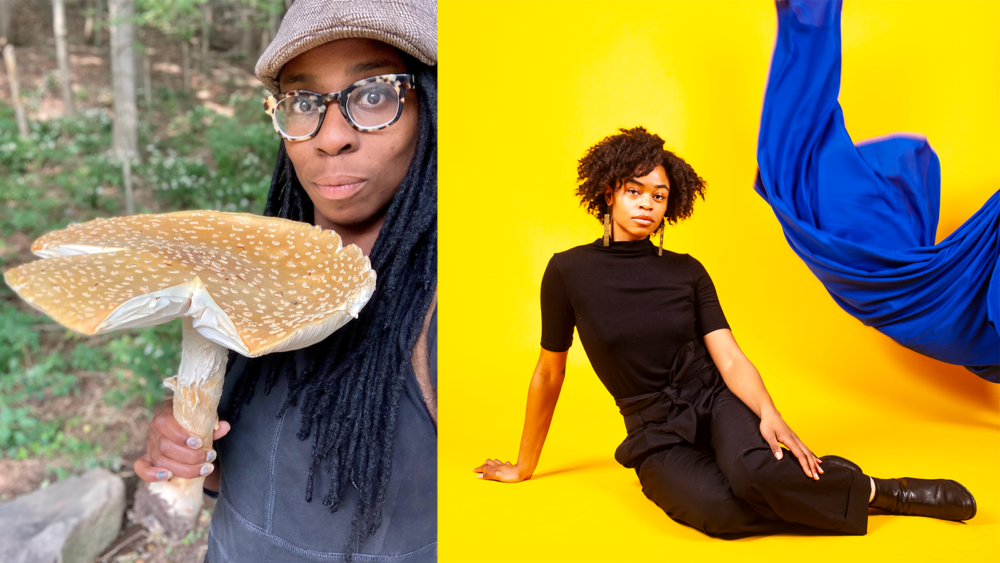
From Miriam Miranda in Honduras to Fannie Lou Hamer in the Deep South to Wangari Maathai in Kenya, land sovereignty and stewardship has always been entangled with liberation. For this second program in the Combahee Conversations series, writer and mycologist Maria Pinto along with artist and land rematriation advocate Nia Holley join Arielle Gray, WBUR arts engagement producer and curator of Combahee’s Radical Call: Black Feminisms (re)Awaken Boston, to talk about the importance of “these magic hands” while exploring sustainable and equitable visions for BIPOC communities. How do Black and Indigenous communities work collectively towards land liberation? What does land and ecological justice look like for BIPOC? How do we honor the land we’re on?
Whether you’re interested in learning about foraging mushrooms or you want to learn more about land rematriation, you won’t want to miss this essential conversation.
Event hosted by Boston Center for the Arts.