Support WBUR
The loneliness epidemic: How to break out of isolation and find connection
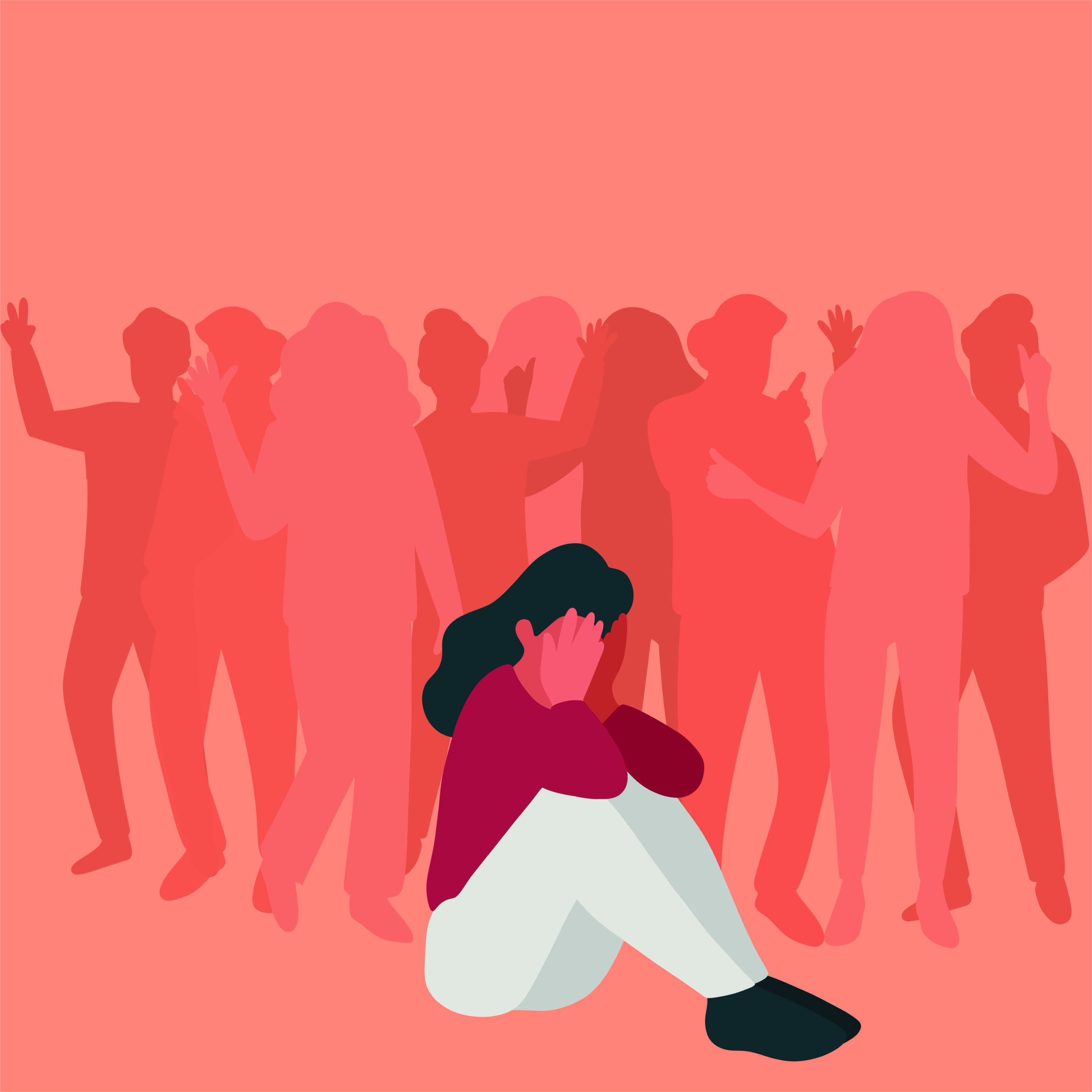
Loneliness is becoming an epidemic for people of all ages.
To kick off 2025, Here & Now is looking at how people can forge connections in this era of loneliness.
Part 1. Surgeon general on loneliness epidemic and his own struggles: A recent Gallup Poll showed that 1 in 5 American adults report feeling lonely every single day.
It’s something that U.S. Surgeon General Vivek Murthy has called a “national epidemic of loneliness and isolation,” something that can have a profound effect on sufferers’ physical and mental health. Murthy joins us to talk not only about the broader impact of loneliness and his personal struggles.
Part 2. How new apps are helping people combat loneliness: While social media is often blamed for making people feel more alone, a handful of new apps are trying to help people make new connections.
We talk with active users of Wyzr, TimeLeft, and Pawmates about their experiences meeting new friends online.
Part 3: Third spaces are a key to fighting the loneliness crisis: A third space is a place that is not your home or your workplace where you can still have vital social connections and interactions.
We hear from people who found friendship at a purposefully created third-space organization called The Jar in Boston, as well as Vox journalist Allie Volpe and Viterbo University ethics professor Rick Kyte, who have researched third spaces.
Part 4. How to cope with loneliness at work: People are lonely in every aspect of their lives: at home, in social settings and at work. Constance Hadley joins us. She is a research associate professor in the Management and Organizations Department at the Boston University Questrom School of Business and an organizational psychologist with the Institute for Life At Work, a research group focused on finding ways to improve work life.
Part 5. How to break the cycle of loneliness and build more social connections: Experts say that loneliness and social isolation carry the same health risks as smoking 15 cigarettes a day. And recent data from Gallup finds that about 20% of Americans report experiencing daily loneliness, the highest rate in two years.
Julianne Holt-Lunstad, a psychology and neuroscience professor at Brigham Young University, joins us to discuss how to break the cycle of loneliness and build more social connection in our lives.
Part 6. How online groups are helping people dig themselves out of the 'hole' of loneliness
While technology is often blamed for making us lonelier, some online groups are actually using it to make connections.
We talk with two organizers of those groups, Lisa Marcellino and Sean Galla.