Support WBUR
Federal employees with disabilities are worried and scared about gutting of workforce
One of the largest employers of people with disabilities in this country is the federal government. Now, disability advocates are worried the Trump administration’s downsizing of this workforce will have a negative impact that could take decades to make up for.
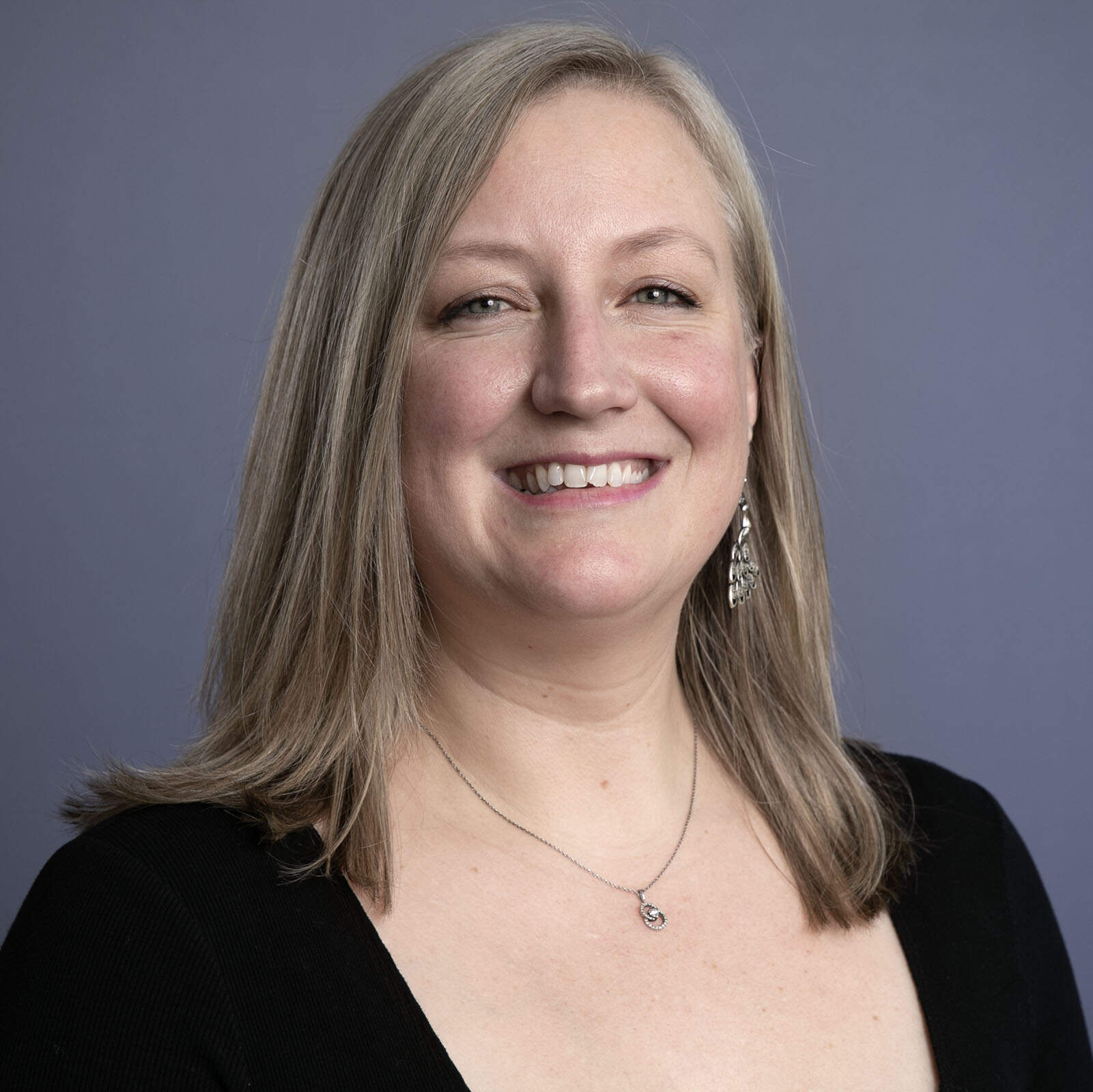
Here & Now’s Asma Khalid speaks with Maria Town, president and CEO of the American Association of People with Disabilities. The group is led by people with disabilities.
Full interview transcript:
Here & Now’s Asma Khalid: One of the largest employers of people with disabilities is the federal government, but that could be changing with the new Trump administration.
Disability advocates are worried about changes that could reverse decades of efforts to increase access and jobs for disabled workers. Joining me now in studio is Maria Town, president and CEO of the American Association of People with Disabilities. The group is led by people with disabilities and Maria herself is a former federal worker. Welcome to the show.
Maria Town: Thank you so much for having me.
Khalid: So there has been a lot, I will say, that has happened in the first four weeks of the new Trump administration. A lot of directives, executive actions, executive orders. What has concerned you the most in terms of its impact on disabled workers?
Town: Probably the fear that all of these orders have instilled across federal employees, particularly federal employees with disabilities. As you just mentioned, the federal government is one of the largest employers of disabled people across the United States, and many of these orders have put these jobs at risk.
They've made people nervous about requesting accommodations or keeping their accommodations and what was a path to economic security and well-being is now one that is causing a lot of fear and anxiety for hundreds of thousands of people.
Khalid: I want to drill down on this in a few different ways. One is we've heard these broad efforts that the president has, in his view, to streamline a bloated federal government.
How significant are his efforts to streamline, in his view, that bloated federal government, specifically for disabled workers?
Town: We all want an efficient government, right? We want government to work efficiently for the people, but in order to do that, you need a qualified, capable workforce that is reflective of the American people.
And we are learning that agencies are either closing altogether — like we've seen with [the United States Agency for International Development] and the [Consumer Financial Protection Bureau] — but also, organizations within Health and Human Services dismissed 10% of their workforce on Friday.
These are agencies that deal primarily with disability issues: health, independent living, rehabilitation. And if we have dismissals of huge numbers of disabled people, we still experience significant barriers in the workforce on a daily basis. It's hard for people with disabilities to get an equal shot at the American dream. And we're concerned that, if the federal government shrinks, not only will it not serve the American people as well, but disabled people won't have another chance at a job.
Khalid: One specific directive from the Trump administration is that federal workers must come back to the office full-time. No more work from home. What does that change mean for workers with disabilities?
Town: I think it's really important to acknowledge that only about 50% of federal jobs are even eligible for telework.
There are a lot of federal jobs that must be done in person. Food inspection, for example, must happen in person. So we're not talking about the whole of the federal government working from their homes, but for people with disabilities, remote work is an amazing opportunity.
We saw gains in disability employment when COVID started and we saw companies and more of the federal workforce become remote. And because these policies have remained in place, there are now many disabled people who have been working remotely, who are now going to have to request that as an accommodation.
Some of these orders have also placed more scrutiny on reasonable accommodations. And so again, coming back to that fear, folks are scared to begin to request accommodations for remote work, worried about those accommodations being denied and ultimately being fired from their jobs.
Khalid: I want to ask you about a specific moment. Last month, President Trump, without evidence, seemed to blame people with disabilities working at the Federal Aviation Administration for the deadly plane crash near Reagan National Airport, just outside of Washington, D.C. The investigation is still ongoing, but. What do you want people to better understand about what the president said?
Town: The president's comments were horrific, and if I hadn't heard them myself, I wouldn't have believed them. The federal government has for a long time had different pathways of opportunity for disabled people.
And I used one of those pathways when I became a federal employee. Almost 15 years ago, I was hired under the Schedule A Hiring Authority, which allowed my agency to hire me more quickly than through a standard process.
Khalid: Okay.
Town: But the important thing was that I still had to be qualified for my policy job that I was getting. For someone like myself, I would never be hired as an air traffic controller because I have no background in aviation or air safety.
So for all of these programs that are seeking to hire people with disabilities, those candidates still have to be qualified and in many, many ways, they have to be overqualified because it is still difficult to get a federal job.
Khalid: Maria, we have just very few brief seconds left, but I want to ask you, what do you see as the broader big picture here for what the administration is trying to do?
Town: People with disabilities have fought for decades to exist in public and to, Be able to show that we can contribute to our homes, our workplaces and communities. And as we see a reduction in the federal workforce, we're going to see people with disabilities once again, forced into the shadows.
Khalid: All right. Maria Town is president and CEO of the American Association of People with Disabilities and a former federal worker. Maria, thank you so much for your time.
Town: Thank you.
This segment aired on February 17, 2025.