Support WBUR
Songwriter Lori Lieberman on writing lyrics for 'Killing Me Softly'
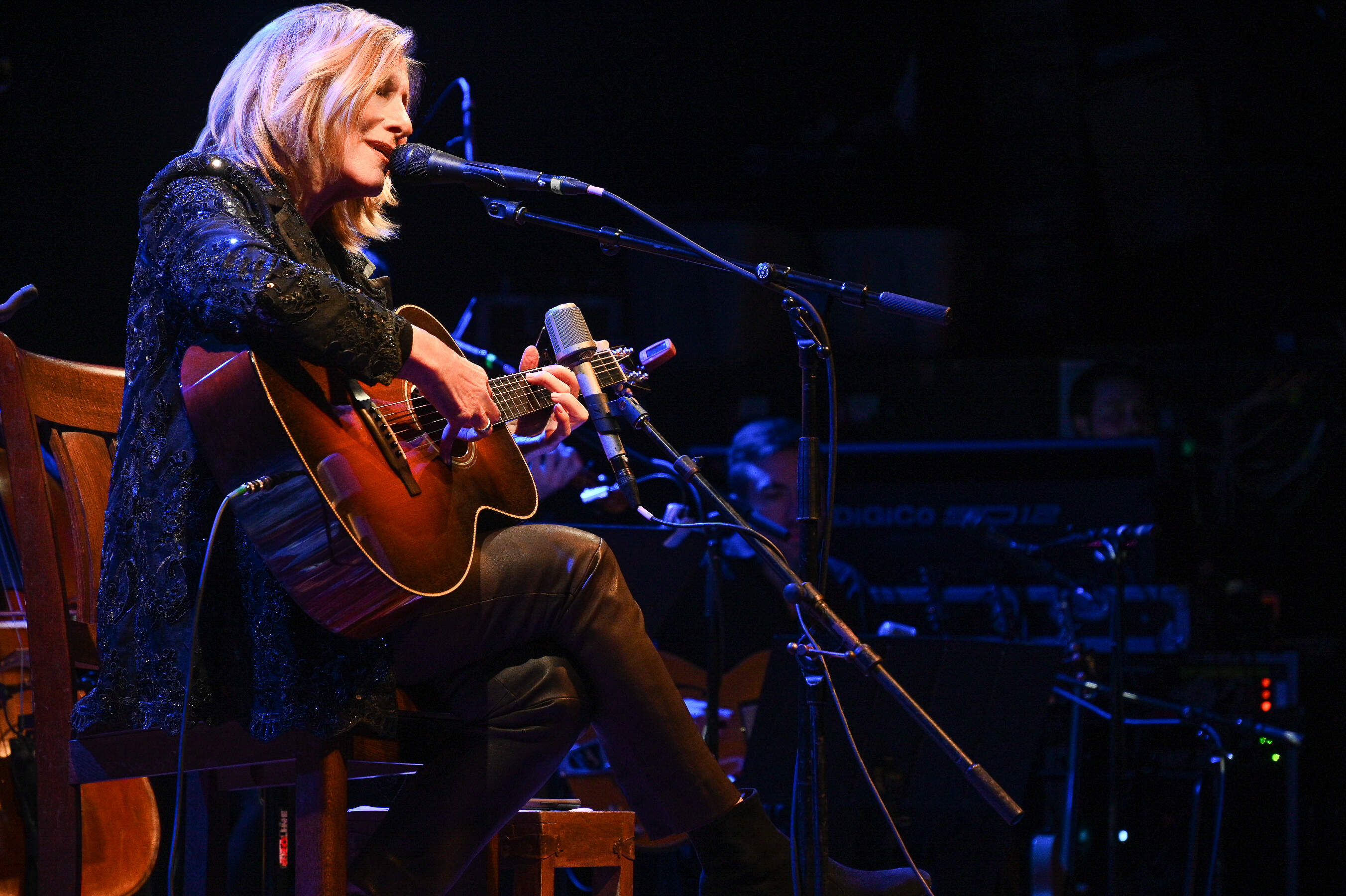
Since Roberta Flack’s death in February, sales of her hit song “Killing Me Softly with His Song” have shot up. Flack popularized the song, bringing it to new audiences. But her version wasn’t the original. Lori Lieberman wrote and recorded “Killing Me Softly with His Song” in 1972.

In 1971, Lieberman was 19 years old and new to Los Angeles. She aspired to be a singer-songwriter like Joni Mitchell and signed with songwriting team Norman Gimbel and Charles Fox. Gimbel — who was in his 40s and married — had an affair with Lieberman that turned emotionally abusive.
“I grew up in Switzerland. I was so naive,” Lieberman says. “I was playing the guitar, and I was singing at some clubs when [Gimbel and Fox] came and heard me sing, and they were looking for a singer to produce and manage and publish. They picked me, and I was so grateful.”
During a rough part of her relationship with Gimbel, Lieberman says she just wanted to stay in her apartment. But her friend coaxed her out to the Troubadour, where Don McLean was performing. There, she heard McLean play “Empty Chairs.”
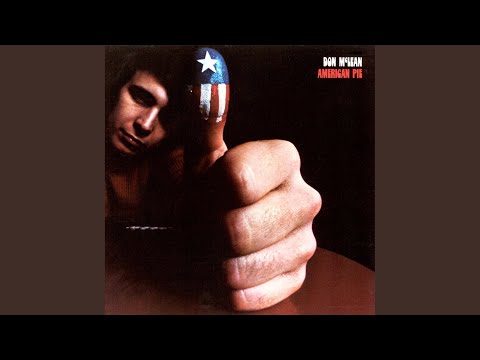
" I truly felt that he was singing to me, about me, that he had sort of picked up my diary and was reading it out loud,” Lieberman says. “When the audience filtered out of that club, I stayed there with my friend and just wrote a little poem on a napkin about going to a club to hear a singer I hadn't heard of and felt that he was singing about me and my life.”
When she returned to her apartment, Lieberman says she called Gimbel and told him about it. He suggested a title: “Killing Me Softly with His Blues.” Over the next few days, Gimbel helped her flesh out the lyrics, asking her questions about where she was sitting at the Troubadour and what she was thinking about as McLean played.
Once she had the lyrics, Lieberman met with Gimbel’s partner Fox to set it to music. The name changed to “Killing Me Softly with His Song,” and it became the last track on Lieberman’s first record with Capital Records, released in 1972. The song did not chart.
But Capitol Records had a deal with American Airlines and played “Killing Me Softly with His Song” on flights. In 1973, Flack heard the song on an airplane.
“By the time she landed, she had all the lyrics and all the chords written down for ‘Killing Me Softly,’” Lieberman says. “She felt that it really spoke to her.”
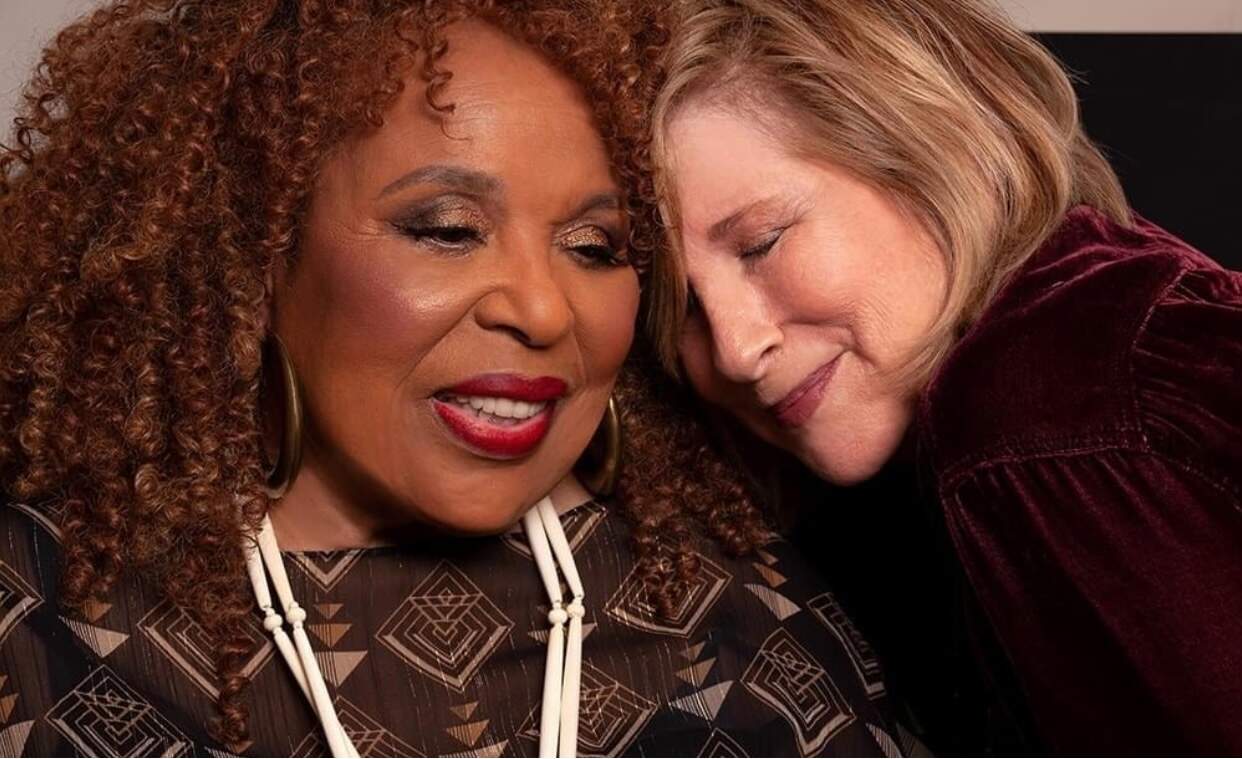
Flack worked up the rest of the song with her band, and when they were on tour with Quincy Jones, she played it as an encore.
“She said that afterwards, the audience would not stop applauding,” Lieberman says. “Quincy said, ‘Ro, don't sing that doggone song one more time until you record it.’ So she did.”

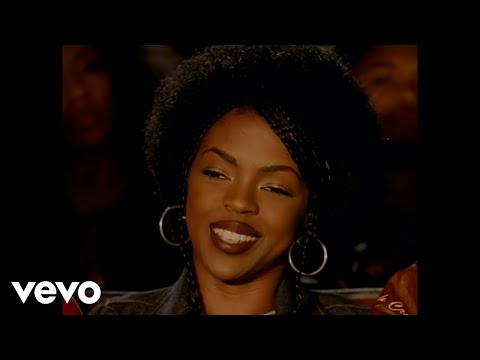
The song became a number-one hit for Flack in 1973, winning her two Grammy Awards — including Record of the Year — in 1974. When the Fugees recorded their version of “Killing Me Softly with His Song” in 1996, it won the group Best R&B Performance at the Grammys in 1997.
For a while, the song’s origins were widely known: When Lieberman performed it live, she often told the story of writing it at the Troubadour. However, she never got songwriting credit on the song; only Gimbel and Fox did.
“I never actually asked for credit. I don't know. I thought we were a team; the three of us were a team together. We were doing this together and they would treat me fairly,” Lieberman says. “It really was not until the Grammy Awards. This was way back in ‘74. And I was sitting with them. They got up and went to the microphone and just said ‘thank you’ and didn't mention me. And at that point I felt, ‘Oh wow, I'm completely invisible.’”
Lieberman says Gimbel and Fox told her not to tell the story behind the song anymore. The pair wouldn’t let her out of her contract, and when she was 23, Gimbel and Fox claimed Lieberman owed them money. She says she could not afford a lawyer, and they effectively prevented her from recording for many years. Lieberman says she left the music industry for around 15 years as Gimbel and Fox continued to benefit from her work.
Even though Lieberman could not get legal rights to “Killing Me Softly with His Song,” Don McLean and Roberta Flack both championed her story. Lieberman got to meet Flack before she died and will remember her at a celebration of life in New York.
“I'll be thinking about how she changed the life of this very young girl and how she saw something in a song that never, ever could have reached the amount of people,” Lieberman says. “Just feeling tremendous gratitude to her.”
Robin Young produced and edited this interview for broadcast with Todd Mundt. Grace Griffin adapted it for the web.
This segment aired on March 10, 2025.