Support WBUR
Elliott Abrams on regime change in Venezuela and why an admiral ordering a boat strike is 'unlikely'
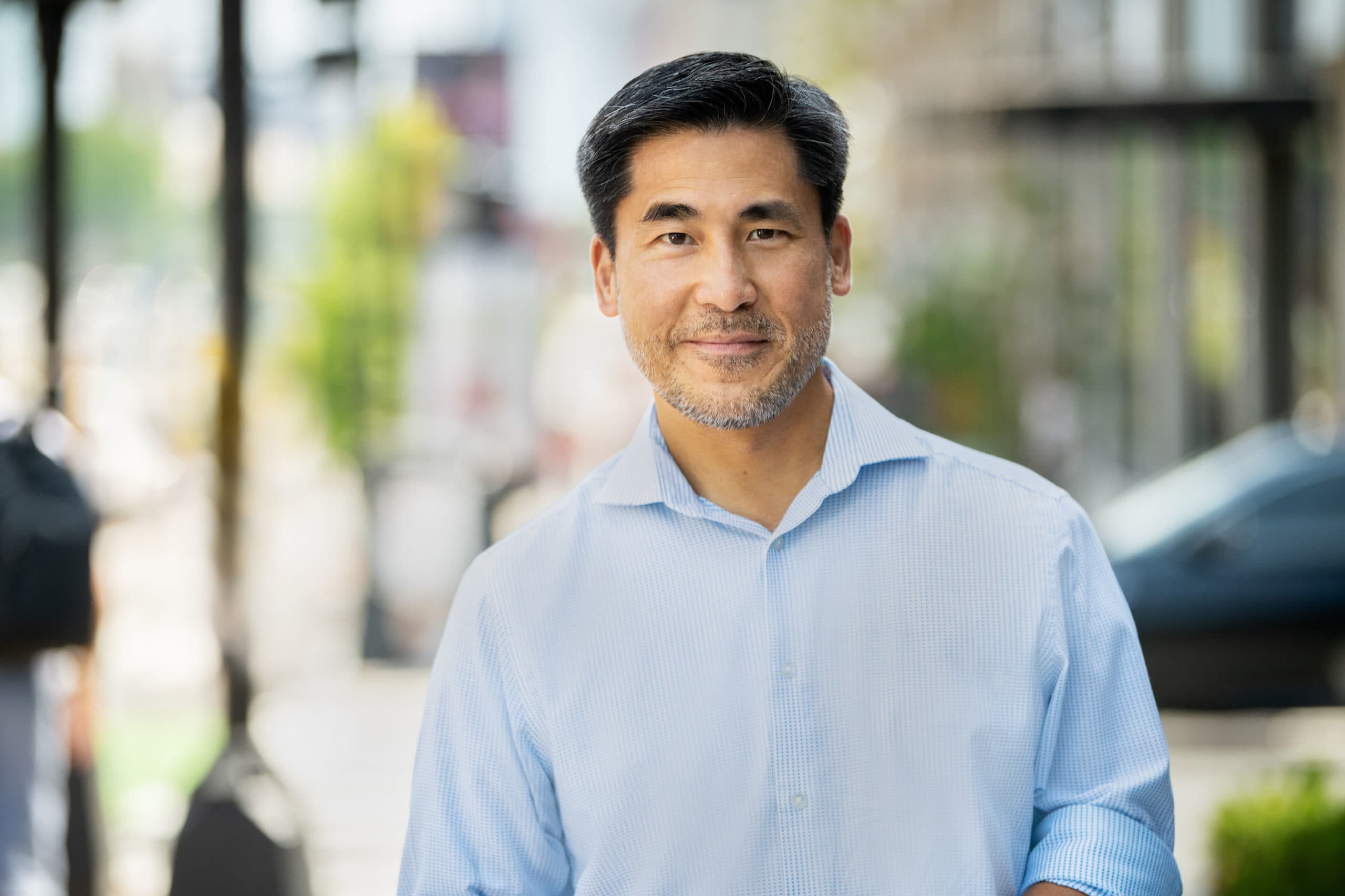
Elliott Abrams has long pushed for the United States to take an active role in nations around the world.
During President Trump's first term, the neoconservative served as Trump's special representative for Venezuela, and during the 1980s, he served as an assistant secretary of state under former President Ronald Reagan.
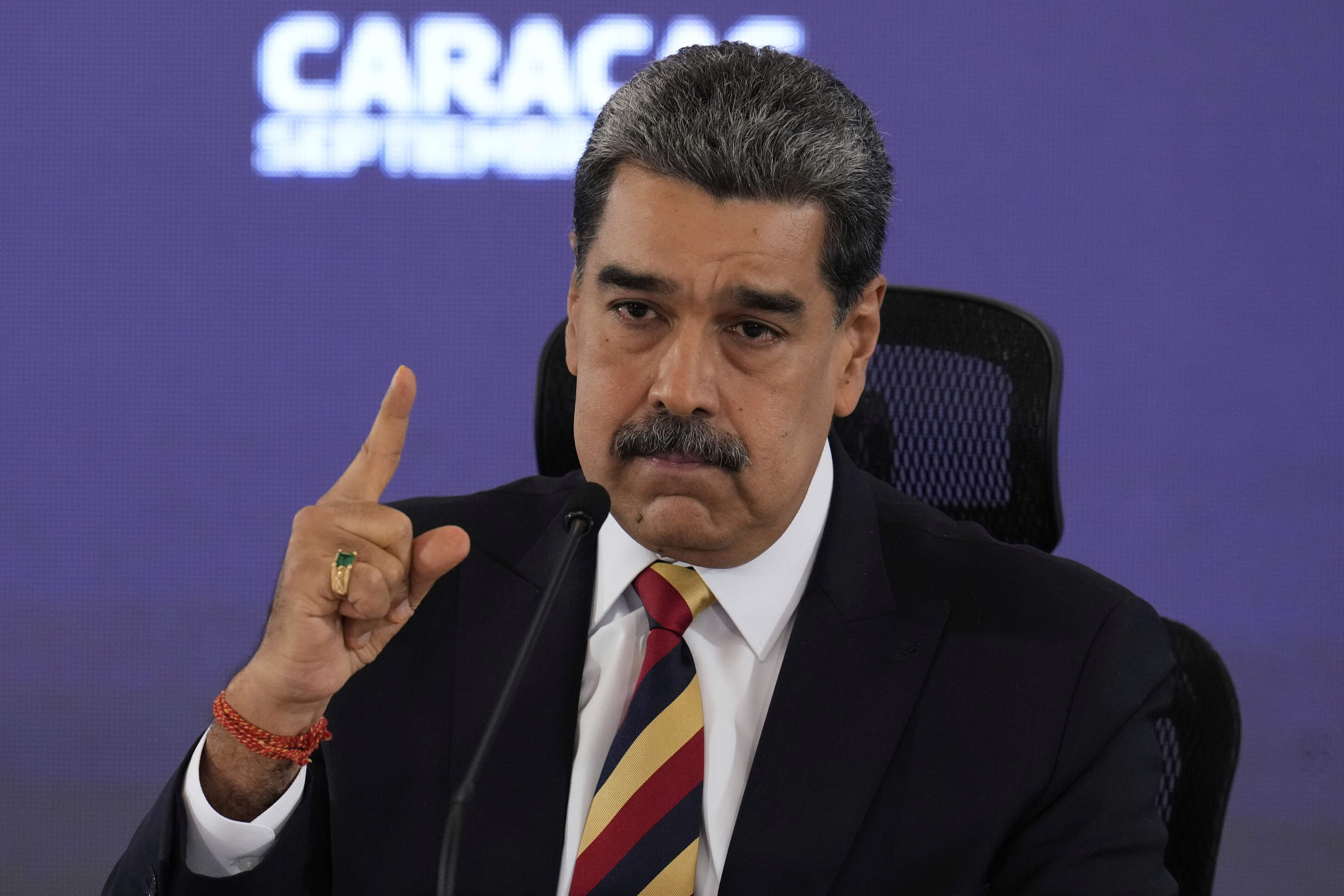
Now, as a senior fellow at the Council on Foreign Relations, he is pushing Trump to increase his pressure campaign on Venezuela and topple President Nicolas Maduro.
6 questions with Elliott Abrams
What does Trump need to do to bring down the Maduro regime?
“One, the president announced the CIA so-called covert activities. They're not very covert. But I hope what they're doing is messaging to the Venezuelan military and to people in the regime that, from the U.S. point of view, ‘Maduro has got to go. But the rest of you don't have to go.’ There will certainly be an amnesty, as there has been in every South American transition to democracy.
“‘We're not looking for revenge; we’re looking for democracy in Venezuela.’ That's on the messaging side.
“On the military side, I think that if the president is serious about bringing down the regime, there will need to be military strikes in Venezuela. That would be partly messaging to the Venezuelan military that the game has changed and that Maduro's time has ended.”
Does it appear the administration is considering military strikes?
“Well, they're certainly considering them. I mean, you don't assemble this gigantic armada in the Caribbean, something like 15%, I believe, of all American naval power, including our largest carrier. You don't assemble that without at least thinking about using it. I don't think the president has fully made up his mind. I don't know. I'm not sure. I don't talk to him.
“I think there's still a possibility that he would say, ‘Well, this was always about drugs. The amount of drug shipments going through the Caribbean has come down.’ And so he can walk away in January and claim victory. But I think he realizes that he's raised the stakes now and that if Maduro survives, Trump loses. So I think he will probably do more.”
NPR has reported that Defense Secretary Pete Hegseth ordered the first strike on an alleged drug boat in the Caribbean on Sept. 2, and a subsequent strike that killed the two survivors on board.
The White House says that Hegseth did not directly order the second strike; Navy Admiral Frank Bradley did. In your view, is it possible that a war crime was committed, somewhere along the chain of command?
“Is it possible? Sure, it's possible. I mean, I have no knowledge of the facts here. I would only say this. When you're an admiral, you've been in the Navy for 30 years. You've studied what happened during World War II to American sailors and others, people in the water. You know you're not allowed to shoot people who are flailing about at sea. So the notion that an admiral would actually give that order strikes me as unlikely.”
Is the window for a peaceful exit for Maduro closed?
“No, not at all. I think the administration is still trying to persuade Maduro to leave. And I think they'll be persuading him even after there are airstrikes, if they happen. I think they'll start, and then the messaging will continue: 'Now's the time to go. Now's the time to go. Get out while you can.'
"So I don't think there will ever be a moment that it's too late for diplomacy until the moment — if it happens — at which he's captured.”
Where could things go wrong and Maduro stays?
“The United States is, I think, counting on either Maduro leaving at some point because he'll look at the fate of Panama's General Noriega, in federal prison for years and decide, ‘OK, I don't want to risk that.’ Or there will be a military uprising.
"Neither of those things could happen. And if they don't happen, then the president has to decide whether to raise his stakes and increase the amount of American military pressure. I think that diplomatic pressure, political pressure, economic sanctions, hitting little boats in the Caribbean won't do it. I think more is going to be needed. And the question for President Trump is how far is he willing to go?”
Why do you think Venezuela is a better candidate for regime change than Afghanistan or Iraq or Syria?
“I think it's a much better candidate for a return to democracy. First of all, it would be a return unlike, say, Libya, where there's never been a democracy. Venezuela overthrew its military dictator in 1958, and they had about 50 years of democracy. So many, many Venezuelans understand what democracy is like. They have all the institutions of democracy. It's a unified country, unlike, say, Iraq or Syria, where you've got Sunni and Shia and Druze and Kurds. Not in Venezuela. So I think the society and the history suggest a much better chance of recapturing democracy.”
This interview was edited for clarity.
Jenna Griffiths produced and edited this interview for broadcast with Michael Scotto. Scotto also produced it for the web.
This segment aired on December 2, 2025.