Support WBUR
Boston's Morning Newsletter
Could Mass. make landlords pay most broker's fees? Here's what to know
Editor's Note: This is an excerpt from WBUR's daily morning newsletter, WBUR Today. If you like what you read and want it in your inbox, sign up here.
We’re in for another hot sticky day, so take this Blue Line driver’s advice: “Stay cool, stay hydrated” — and let’s get to the news.
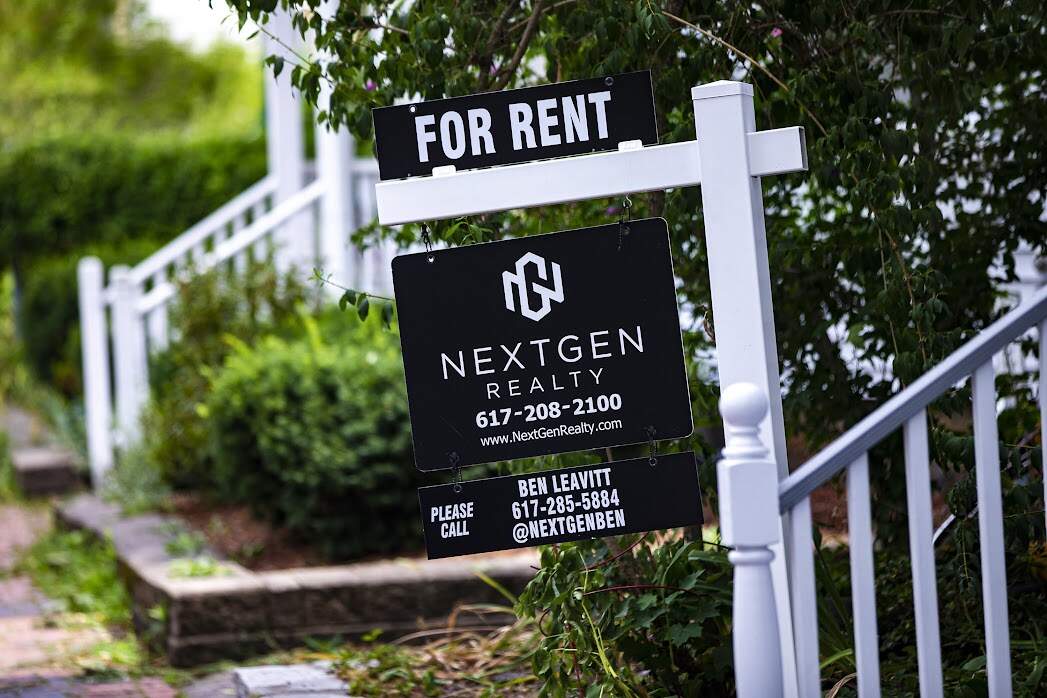
Breaking up with broker’s fees: Buried in last month’s multi-billion dollar housing bond bill, the Massachusetts Senate quietly advanced a major potential change to one of renters’ biggest headaches: broker’s fees. The bill would, in most cases, shift the responsibility of paying the fee from tenants to landlords. Supporters of the change say it would ease the sometimes staggering upfront costs renters face when looking for a new apartment in an already challenging housing market.
- Catch up: Broker’s fees — paid to the real estate pro for listing and/or showing a property — are often equal to the price of one month’s rent. (We’ll let you do the math on Zillow.) When combined with other commonly required payments, like a security deposit and first and last month’s rent, the fees can put the upfront cost of renting a new unit north of $10,000.
- How would that change? The Senate bill would require all broker’s fees to be paid by the party who originally hired the broker. That’s usually the landlord. (However, renters who reach out to a broker for help finding an apartment would still be on the hook.)
- The downside? Doug Quattrochi, the executive director of MassLandlords, says his nonprofit is neutral on the issue. However, if the rule passes, he says property owners would likely find other ways to foot the bill. “They’re not going to stop using the broker because of this rule. They’re just going to increase the rents to cover that cost,” Quattrochi told WBUR’s Cici Yu.
- What’s next: The Senate’s proposal was not included in the House’s version of the housing bond bill, so it’s still unclear whether it will make it to Gov. Maura Healey’s desk. The two chambers have until July 31 to reach a compromise. (Healey’s office says she “supports efforts to relieve the burden of high rents and fees on renters” and looks forward to reviewing the final bill.)
Soft launch: The MBTA is recruiting riders to test out their new contactless fare technology. The new system — which will let riders directly tap their bank card or smartphone to pay for fares — is set to launch Aug. 1. But as WBUR’s Andrea Perdomo-Hernandez reports, T officials say internal testing has gone well enough for them to open it up to the general public over the next few pre-launch weeks.
- Where do I sign up? You can request to participate in the test via this online questionnaire or at pop-up recruitment sessions. (There’ll be one this afternoon at Maverick station in East Boston.)
- Go deeper: The new system also opens the door to “fare capping,” a policy other transit systems are trying to limit what riders pay and bring more passengers back after the pandemic.
Hitting the road: Healey’s office is kicking off six weeks of so-called listening sessions to help policymakers improve child care access and affordability. It begins with an event today at Lynn’s North Shore Community College. The statewide tour will include officials from education to economic development to health.
- The discussions are open to everyone. But Amy Kershaw, the commissioner of the state’s Department of Early Education and Care, tells WBUR’s Carrie Jung they particularly want to hear from parents and providers “to understand what they see as the most important solutions.” Check out the schedule here.
High and dry: A mild drought has been declared in the Berkshires. The state’s Executive Office of Energy and Environmental Affairs says the declaration comes after two months of below-average rainfall.
- What should you do? If you’re a Berkshire resident or business owner, state officials ask that you minimize water use by doing things like limiting outdoor watering and fixing indoor leaks.
Heads up: This week marks the start of a roughly yearlong closure of Haverhill’s commuter rail station. The station, which is the last stop on the Haverhill line, will be closed until next summer due to a bridge project. Riders who use the station will need to take shuttle buses to Bradford station. Here’s a look at the new schedule.
P.S.— Want to level up your charcuterie game? Tickets are still available for tonight’s CitySpace grazing board arranging workshop with cheese expert Kimi Ceridon. It’s not a bad way to spend a Tuesday night, especially with National Cheese and Wine Day around the corner. You might even meet your new favorite local cheese!