Support WBUR
Commentary
The Brattle celebrates summer with Sofia Coppola retrospective
Sofia Coppola makes movies about princesses locked away in castles. Whether in Graceland, 18th-century Versailles or modern luxury hotels, her Rapunzels find themselves isolated by bubbles of privilege, held hostage within often absurdly enviable circumstances. The Brattle Theatre’s “Summer of Sofia” spends the next six Wednesdays screening all eight of the director’s theatrical features, revealing a body of work that’s remarkably consistent, not just in quality but in stylistic and thematic concerns. Watch any scene of a Sofia Coppola picture and you can instantly tell who directed it. These are lush, melancholic movies with carefully embroidered visual schemes floating on pillows of sound. Fuzzy guitars and ethereal synth tones follow our heartsick, usually adolescent protagonists on the cusp of adulthood and self-discovery. Her films are different stories that all seem to share the same soul.
Coppola came late to filmmaking, spending most of her 20s exploring photography and fashion design. Clemson University lecturer and former Brattle Theatre operations manager Amy N. Monaghan’s 2023 book “Sofia Coppola: Interviews” provides an indispensable guide to the filmmaker’s journey, from a very funny interview the young Sofia gave to her father at 5 years old, to her current position as one of the industry’s most honored artists. Coppola was the first American woman to be nominated for an Academy Award for Best Director, and the first to win the Best Director prize at the Cannes Film Festival. As daughter of the most toweringly influential filmmaker/wannabe mogul of his generation, she’s Hollywood royalty, literally born into the business. (Her first screen credit was as the soon-to-be-fatherless baby being baptized during the bloody climax of daddy Francis’ “The Godfather.”) Yet the younger Coppola’s movies are quiet chamber pieces compared to her father’s grand operas. She’s stayed true to a softer, indie sensibility.
One of the things I love most about Coppola’s films is how unabashedly feminine they are, like the pink frilly fonts of her title sequences and attention to girly grooming routines. In Monaghan’s book, Sofia says this was a reaction to growing up surrounded by brothers and boy cousins (including actors Jason Schwartzman and Nicolas Cage) and a dad whose New Hollywood maverick friends trended macho. The aesthetic started out as a way of finding her own space. Coppola’s feature directorial debut, a staggeringly assured adaptation of Jeffrey Eugenides’ “The Virgin Suicides” (Aug. 28) is all about this secret world of teenage girls, of which we get only glimpses via the doomed Lisbon sisters’ obsessed male schoolmates across the street. The whole movie is a memory of doomed, exotic creatures beyond our comprehension, shot in a hazy photochemical approximation of fading Ektachrome colors like a half-remembered story that’s already started to slip away.
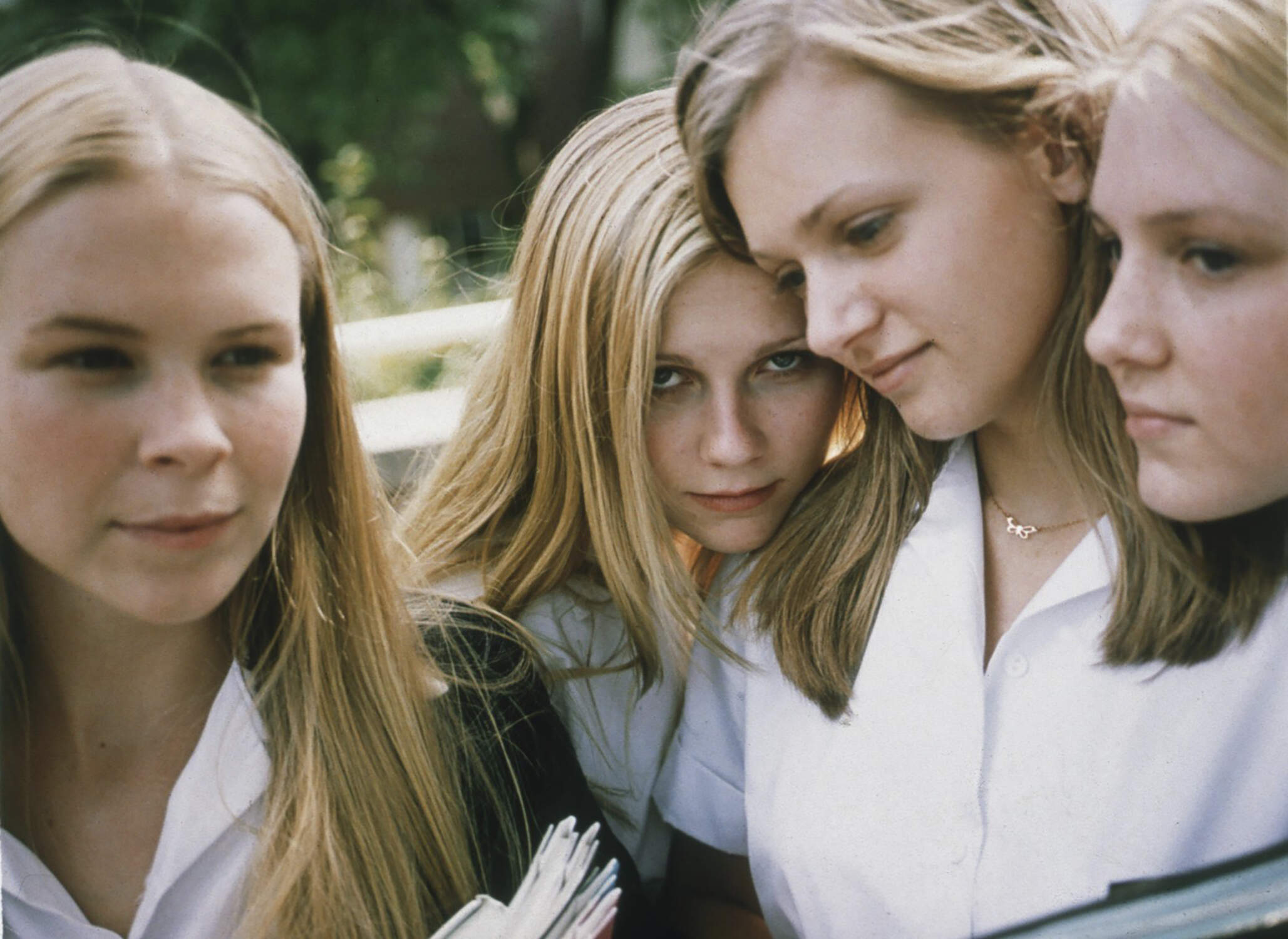
Nobody went to see “The Virgin Suicides” when it was released in the U.S. in the spring of 2000. (The distributor was so desperate, they had to use a quote from me in the marketing materials.) But when I went to a screening at the Coolidge Corner Theatre this past March, the place was packed, mostly with young fans who hadn’t been born yet when the movie was made. The Coolidge was even more crowded a few weeks later for her 2006 “Marie Antoinette” (Aug. 14), complete with college kids dressed up in full period cosplay. The $40 million movie was a box office flop that Coppola says left her “so done with movies.” It’s also something of a masterpiece, a “Barry Lyndon” for the age of Paris Hilton with an incredibly sympathetic performance by Coppola muse Kirsten Dunst and cheeky anachronisms like a New Wave pop soundtrack and a pair of blue Converse All-Stars stashed amid Marie’s massive shoe collection.
“Marie Antoinette” was famously booed at the Cannes Film Festival press screening, and Anthony Lane’s review in The New Yorker remains one of the most sneeringly misogynistic things I’ve ever read in a reputable publication. Coppola’s background and privilege have always brought out the worst in her detractors, who toss around terms like “rich girl cinema” while thinking nothing of praising male princelings like Noah Baumbach, Wes Anderson or Coppola’s ex-husband Spike Jonze. The backlash to her awkward, amateurish performance in “The Godfather Part III” was one of the ugliest I can recall, with the press taking unseemly delight in tearing down a teenage girl. The ogres at Entertainment Weekly put her on the cover a full month after the film’s release with a headline asking if she “wrecked her dad’s new epic?”
I resent even having to type the words “nepo baby,” the trendy slang term for showbiz kids that was the subject of an asinine New York Magazine cover story in December 2022. But it’s apparently become fashionable for folks to feign astonishment that children who grew up on movie sets would naturally gravitate toward the family business. While I’m still waiting for someone to complain about their “nepo baby” plumbers and roofers, what we should be talking about instead are the housing crises and cost of living increases that have made a life in the arts unsustainable as of late to anyone who wasn’t born into generational wealth. Crying “nepo baby” is just an excuse for people to feel self-righteous about not engaging with art.
Besides, one would need to be pretty dim to miss the inherent questioning of such privilege in Coppola’s films, which are all, in part, about the psychologically distorting effects of being sheltered by wealth and status. Her most underrated film, “The Beguiled” (July 31), adapts Don Siegel and Clint Eastwood’s lurid 1971 melodrama following a wounded Civil War soldier who becomes the fox in the henhouse at an antebellum finishing school for girls. Coppola’s remake flips the script to the young women’s POV, becoming a wickedly funny comedy of manners about clueless aristocrats from a vanished class clinging to obsolete traditions and trying to have fancy formal dinners while cannons roar outside the front door. It’s a riff on the controversial French plantation sequence that her father famously cut from and then restored to “Apocalypse Now,” in which fine dining colonialists in denial argue philosophy amid the chaos of the Vietnam War.
Unfortunately, “The Beguiled” was released in the summer of 2017, one of the most apocalyptically stupid periods in the history of American culture writing, and Coppola was called out by journalists for “whitewashing slavery” by eliminating an enslaved character prominent in the Siegel film who wouldn’t have made any sense in her version of the story. The social media backlash got so bad, Coppola had to write a statement clarifying intentions that should have been obvious to anyone who had watched the film in good faith. (This was the same summer the same pundits went after Kathryn Bigelow for “Detroit,” her pulverizing drama about the city’s 1967 race riots, insisting it was not a white woman’s story to tell. Yet Sofia Coppola was supposed to tackle slavery? It’s hard not to notice how it was only female filmmakers on the receiving end of these attacks, and 2017 turned out to be the summer I stopped reading a lot of what passes for film criticism these days.)
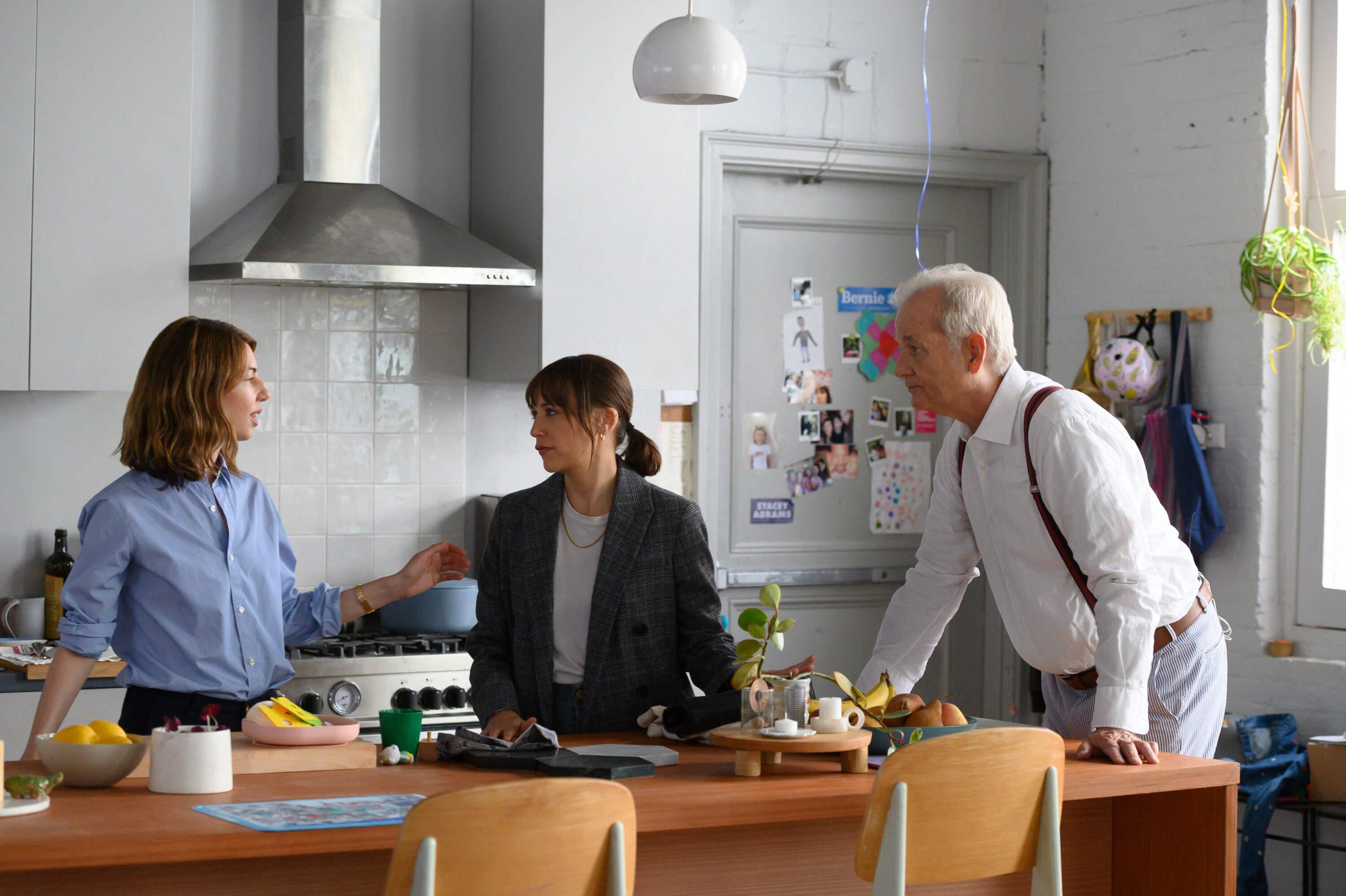
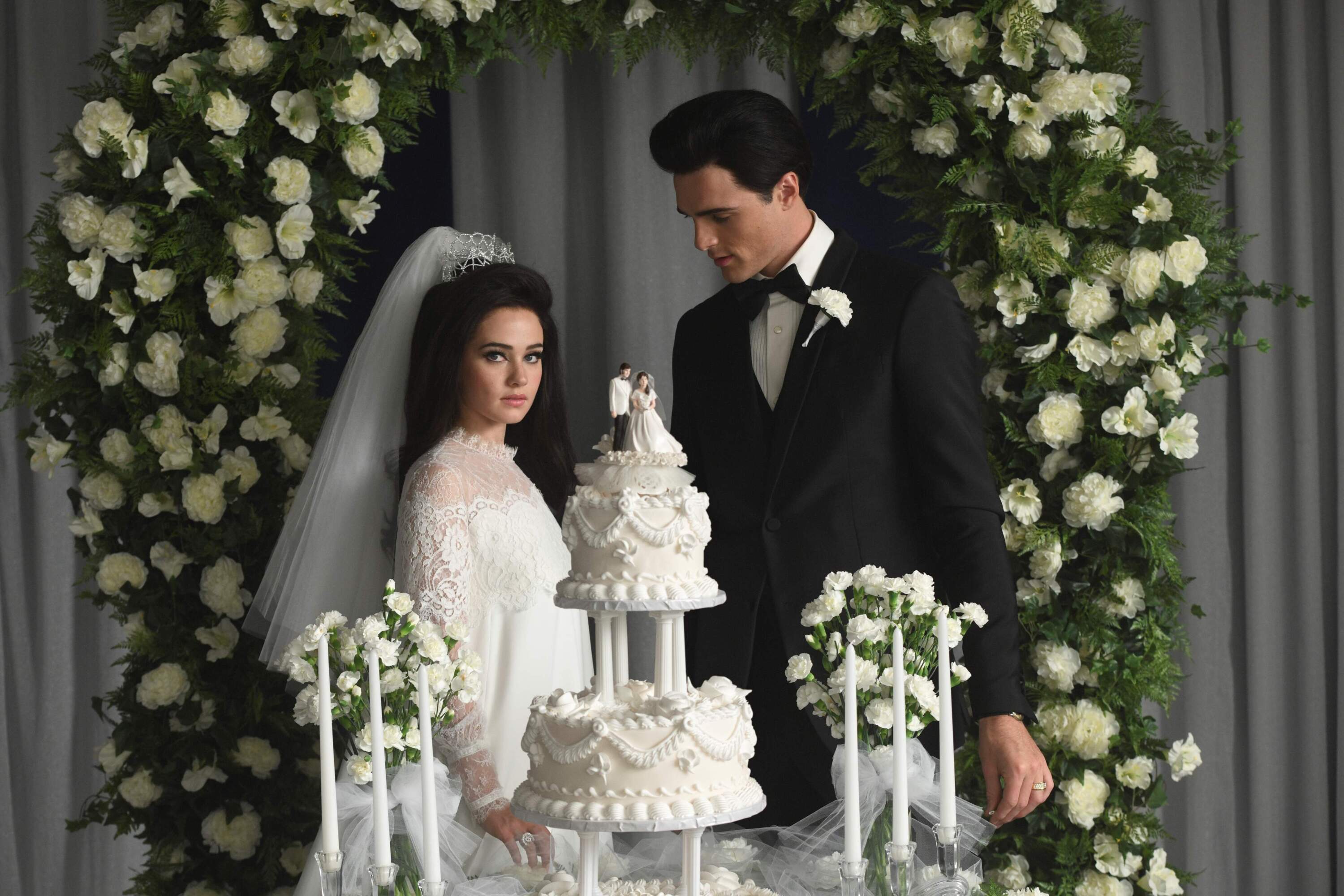
The Brattle series runs in reverse chronological order, kicking off with a double feature of last year’s terrific biopic “Priscilla” and 2020’s unjustly overlooked “On the Rocks” (July 24). The latter film got lost in the COVID-19 industry upheaval, having its New York Film Festival premiere at a drive-in in Queens. But it’s one of Coppola’s funniest and most accessible movies, starring Rashida Jones as a New York housewife who suspects her husband (Marlon Wayans) is having an affair and enlists her philandering father (Bill Murray) to help her find out for sure. It’s a slowed-down screwball comedy about a daughter trying to find her own light in the shadow of a larger-than-life dad. “On the Rocks” is in some ways a sequel to Coppola’s 2010 “Somewhere” (Aug. 7), in which Stephen Dorff and Elle Fanning pal around the kid-unfriendly Chateau Marmont while he slowly realizes he has no idea how to be a father.
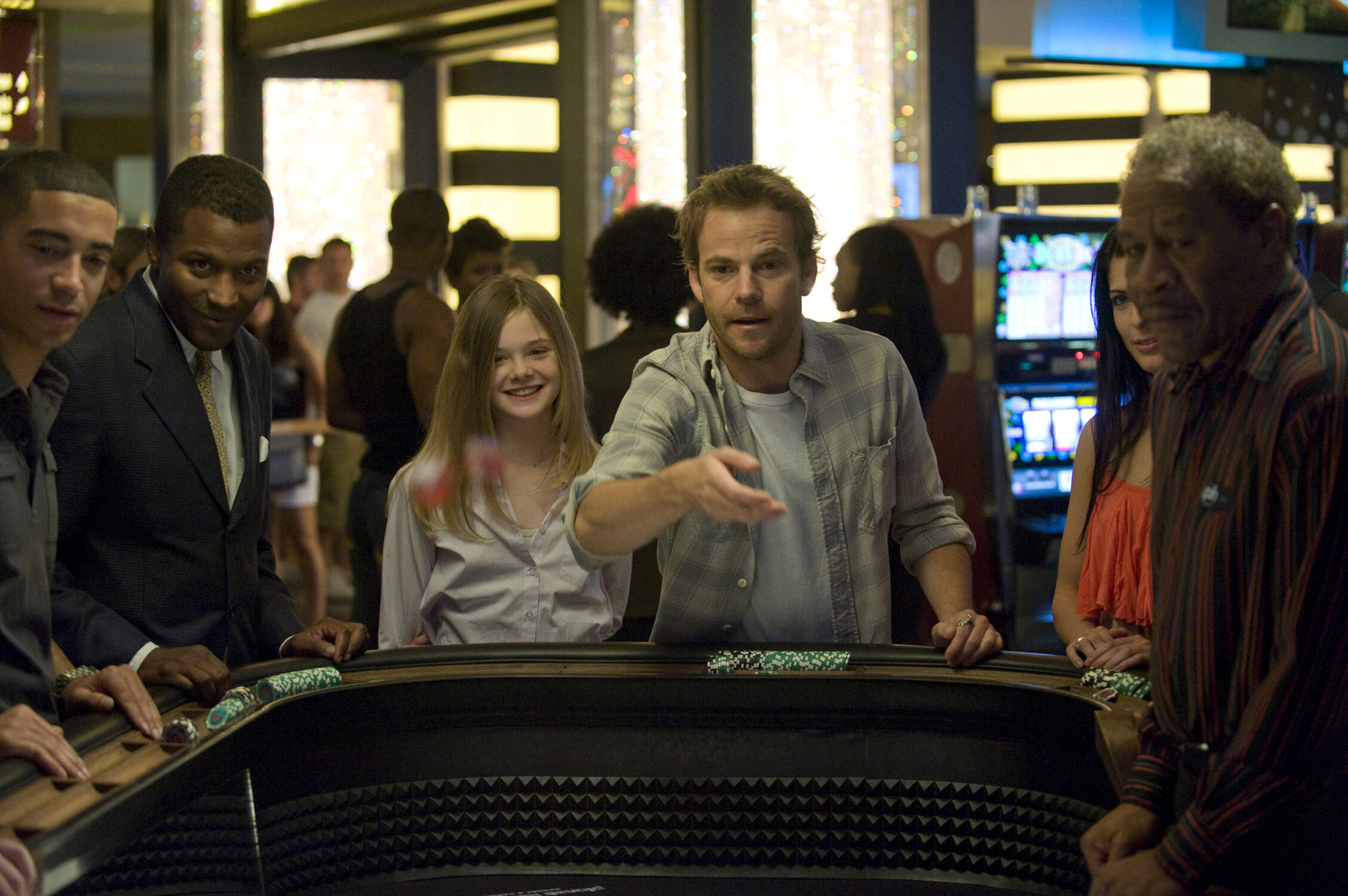
I didn’t like “Somewhere” at all the first time I saw it. But I couldn’t stop thinking about it, either. It’s Coppola’s sparest film — the screenplay was reportedly only 47 pages — yet also her most insistent with regard to the infantilizing effects of fame and fortune. Dorff’s playing a skirt-chasing movie star who’s never had to work at anything, sometimes literally carried from one promotional event to another while fans and groupies fawn all over him. He doesn’t seem like a bad guy; he just never got a chance to develop into a person. But he’s haunted by a realization — one so subtle this dummy missed it on first viewing — that his precious daughter will soon be the same age as the strippers and sex workers he takes advantage of all the time. Beneath the placid surface lies a harsh, heartbreaking film.
In early 2003, I crashed a recruited audience test screening of “Lost in Translation” (Aug. 21) held at the AMC multiplex in Framingham. See, kids, back before social media, studios used to show movies to random mall audiences looking for feedback from regular folks, and I recall writing on the response card that if anyone changed a frame of this beautiful film, I was going to hunt them down and kill them. Later in the year, when the film was released, I got a chance to interview Coppola at the Hyatt Regency downtown, charmed by how quickly the barefoot director had turned the hotel conference room into a messy, lived-in artist’s space. She’s soft-spoken but strong-willed. Bill Murray calls her the “Velvet Hammer,” which she loves. Coppola was flattered by my story about the preview card but seemed genuinely taken aback that I’d watched the film two more times. She didn’t think anyone would want to see a movie about an affluent girl stranded in a luxury hotel, trying to find her place in the world. “It’s like the least relatable thing ever,” she says in Monaghan’s book.
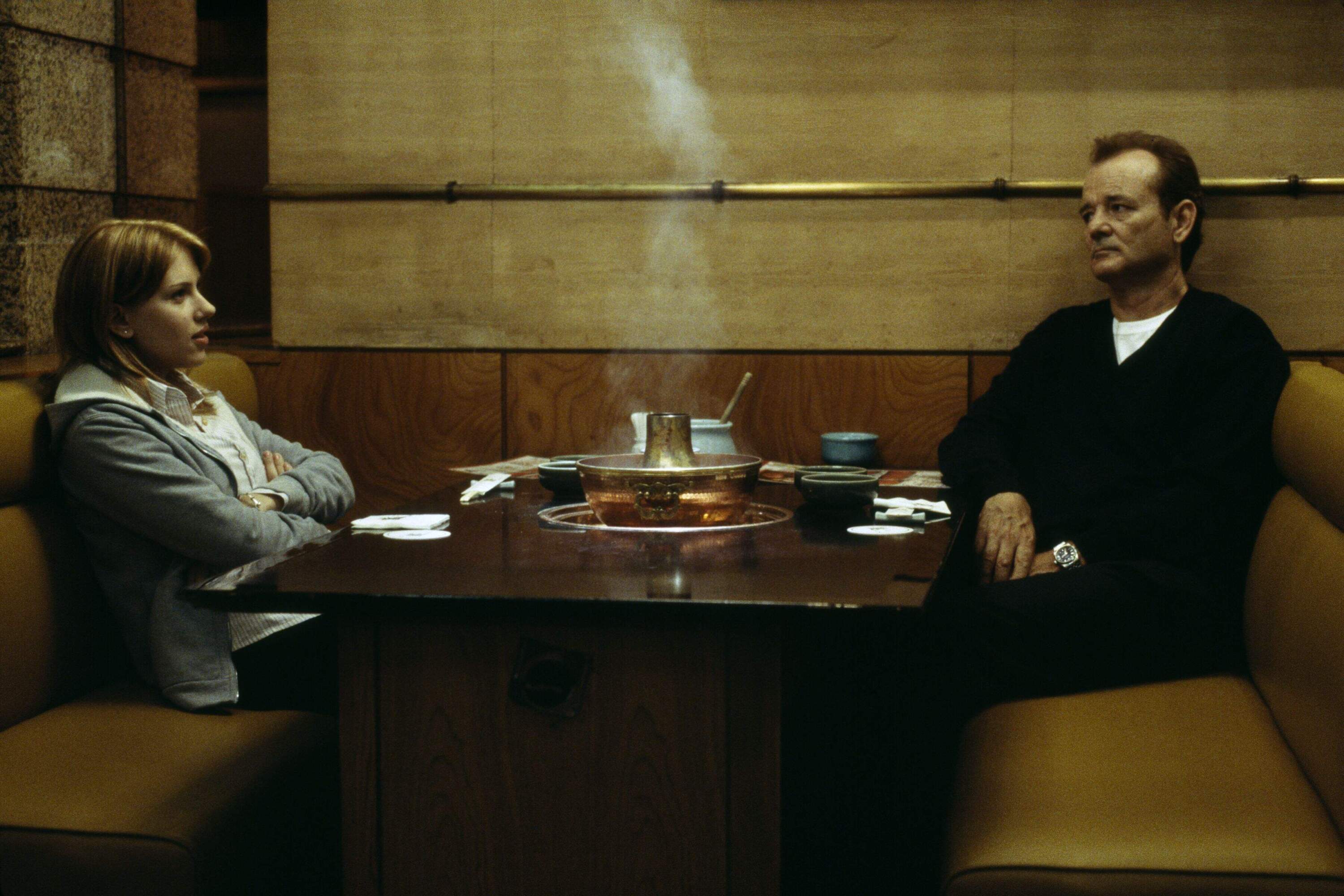
“Lost in Translation” is perhaps Coppola’s most personal movie, with Scarlett Johansson starring as Charlotte, a barely-disguised Sofia stand-in, struggling with her marriage to a photographer (Giovanni Ribisi) who bears a striking resemblance to Spike Jonze. Murray plays Bob Harris, a washed-up action hero reduced to doing whiskey commercials in Tokyo for a quick buck, back when celebrities had a sense of shame about selling out and used to do so secretly overseas. Bob and Charlotte strike up a rapport that’s more than a friendship but not quite a love affair. They’re kindred spirits, and a little snobby, the kind of Americans who go to another country and hang out with other Americans. (“I’m mean,” Charlotte admits. “Mean’s okay,” Bob assures her.)
Yet Coppola is one of the most non-judgmental of contemporary filmmakers, a trait that gets her into trouble sometimes with pop culture hall monitors. The wonder of the movie is in its simplicity and humanity, following two new jet-lagged friends in a strange, groggy dream place. I love the sounds of the hotel, the whir of the elevators and low hum of air conditioners like it’s an organism breathing along with the guests. Coppola taps into a romantic side we’d never seen before from Murray, a dashing sad clown whose hip sarcasm hides a weary heartache. Virtually plotless, it’s a movie about a brief connection and the solace we can find in one another when we haven’t got our own lives figured out just yet. I’m so glad they didn’t change a frame.
The Brattle Theatre’s “Summer of Sofia” runs from Wednesday, July 24 through Wednesday, Aug. 28. "Sofia Coppola: Interviews" editor Amy N. Monaghan will be introducing the screening of "Marie Antoinette" on Wednesday, Aug. 14.