Support WBUR
Boston's Morning Newsletter
Boston is offering $250 grants to help residents throw Halloween block parties
Editor's Note: This is an excerpt from WBUR's daily morning newsletter, WBUR Today. If you like what you read and want it in your inbox, sign up here.
The Patriots ushered in the post-Belichick era with a surprising 16-10 win yesterday under new coach and game ball recipient Jerod Mayo. We’ll see if the Pats can turn the solo win into a streak next Sunday during their Foxborough home opener against the Seattle Seahawks.
But first, let’s get to today’s news:
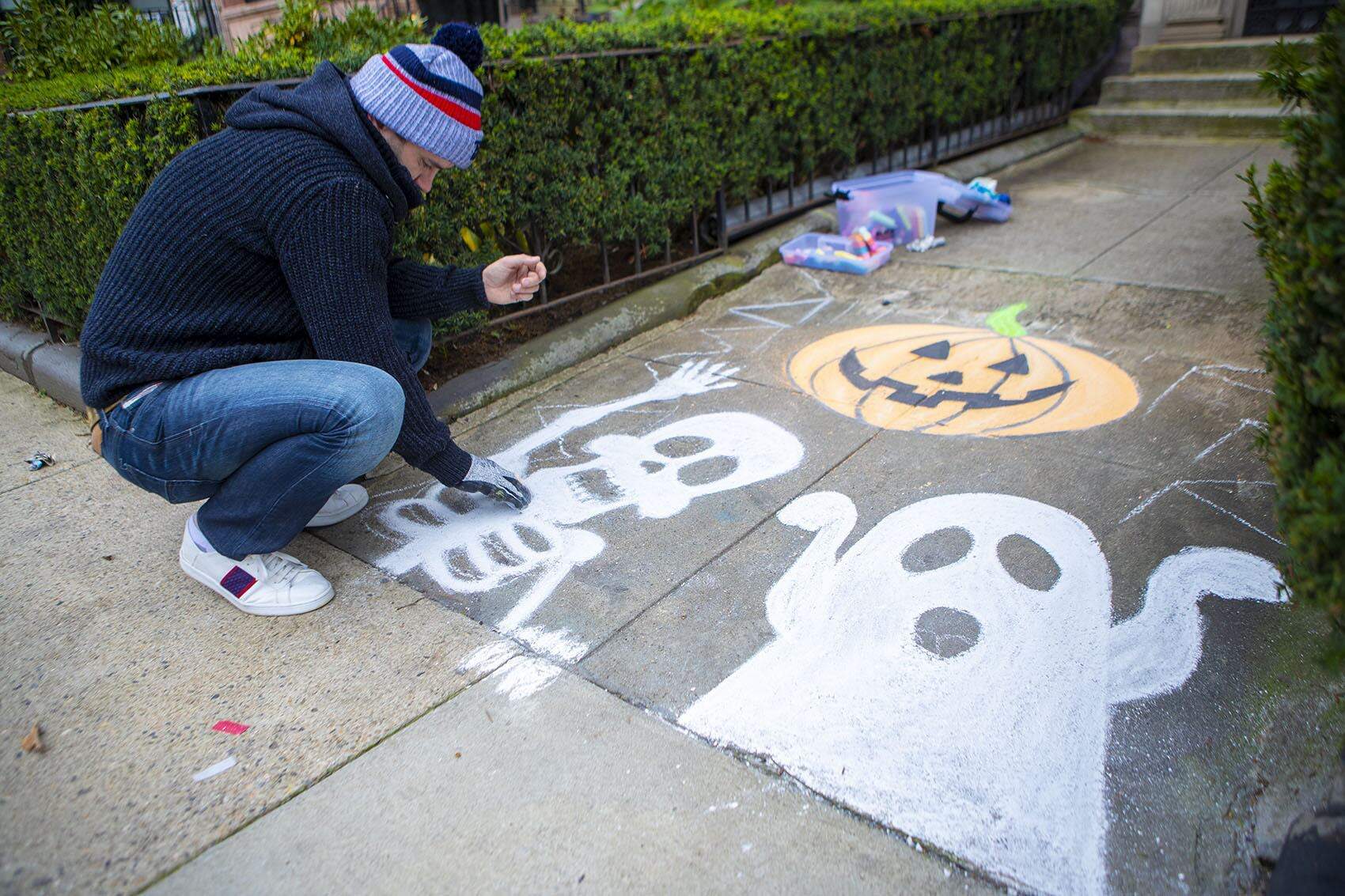
Spooky season: Halloween in Boston could be even more festive this year, thanks to the city’s new Spooky Streets grants. The newly expanded program is offering residents money to host block parties in their neighborhoods. “We’re basically building on the success of our summer block party grants,” Nathalia Benitez Perez, the city’s director of civic organizing, told WBUR’s Sydney Ko. Here’s how her office plans to help Bostonians keep the party going through autumn.
- What’s new? While Boston offered permits for closed-street Halloween block parties last year, this is the first year the city is chipping in with $250 “mini-grants.” Recipients can use the money for items like candy, pumpkins, decorations and face paint. If you don’t celebrate Halloween, fall or harvest-themed parties are also eligible for a grant.
- Why are they doing it? “This is one of the initiatives that we really would like to carry over from the summertime to Halloween,” Perez told WBUR. The city also hopes that closing off streets to cars during trick-or-treating will help prevent evening accidents, which are all too common around Halloween. “October is one of those months that after 6 p.m. is all pitch dark,” Perez added. “We have a lot of families out in the street, and we really want to make it a safe space for everybody.”
- Save the date: The deadline to apply for one of the grants is next Friday, Sept. 20. (Directions to apply are on the city’s website.) Perez says to also keep an eye out for an interactive map of all the block parties, set to release two weeks before Halloween.
On the docket: Massachusetts’ Supreme Judicial Court is set to hear arguments today on whether it should open several upcoming hearings in a high-profile prostitution case to the public. The case — which involves what prosecutors have described as a high-end brothel ring operated out of Watertown, Cambridge, and Virginia — has gained national interest since some of the alleged clients include military officers, doctors, business executives and elected officials.
- Who will be there: The SJC will hear arguments from lawyers representing a clerk magistrate, news organizations and a group of alleged buyers. The clerk has ruled that the hearings to determine whether buyers will be charged should be open, but that court records be secret. (WBUR and other media organizations have sued to make these records public.) The accused clients have requested to keep both the records and hearings private.
- Who won’t be there: Desiree Demos, an advocate for sex workers, says one voice still missing from the hearing is the women at the center of the case. “The absence of representation for women and girls impacted by the violence of being bought and sold in the sex trade is unacceptable,” she told WBUR’s Todd Wallack.
- What’s next: The court is expected to rule on whether or not the hearings will be open and if records will be public by early next year. A recent investigation by Todd found a jarring disparity in charges against those selling sex versus those paying for it — and how many buyers manage to maintain privacy through it all.
ICYMI: Massachusetts and Rhode Island officials announced the winning bids for three offshore wind projects Friday. WBUR’s Miriam Wasser reports that they’re expected to produce a combined 2,878 megawatts of electricity, most of which will go to Massachusetts.
- How much is that? Well, 2,878 is far short of the 6,800 megawatts the regional effort had previously set out to procure. Still, the amount of electricity the projects are supposed to send to Massachusetts is enough to power more than a million homes, and represents about a fifth of the state’s total electricity needs.
P.S.— The registration window for next spring’s Boston Marathon opens today at 10 a.m. Think you’ve got what it takes? Check out this year’s qualifying times and sign up on the BAA website before Sept. 13.