Support WBUR
Elizabeth Warren cruises to victory to win third U.S. Senate term
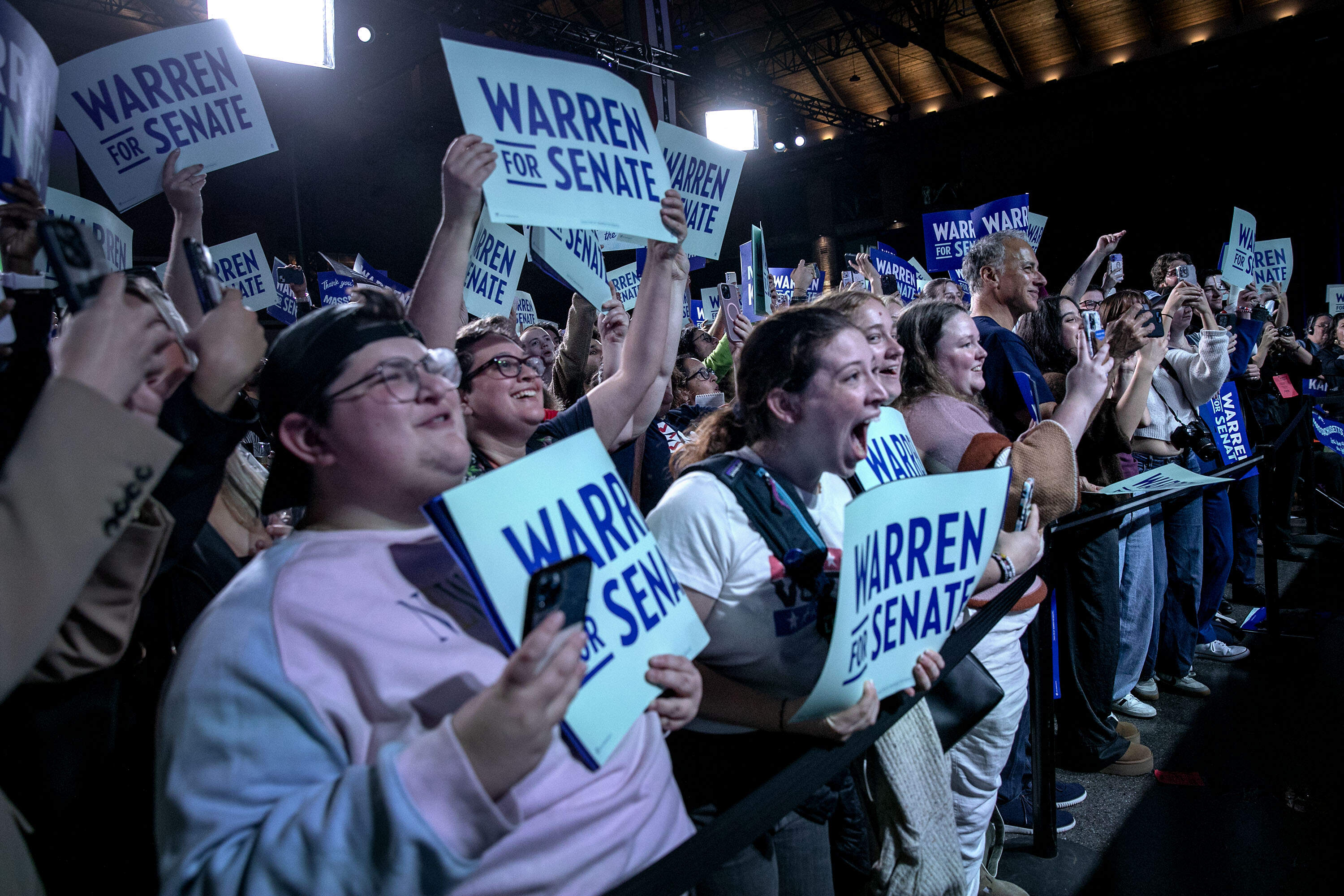
Massachusetts Democrat Elizabeth Warren easily defeated Republican challenger John Deaton Tuesday night, winning her third term in the U.S. Senate, according to The Associated Press.
Warren, who was first elected in 2012, was declared the winner moments after the polls closed in the state on election night. Throughout her re-election campaign, she had argued that a Deaton victory would help Republicans take control of the U.S. Senate and push a conservative agenda that many Massachusetts voters oppose.
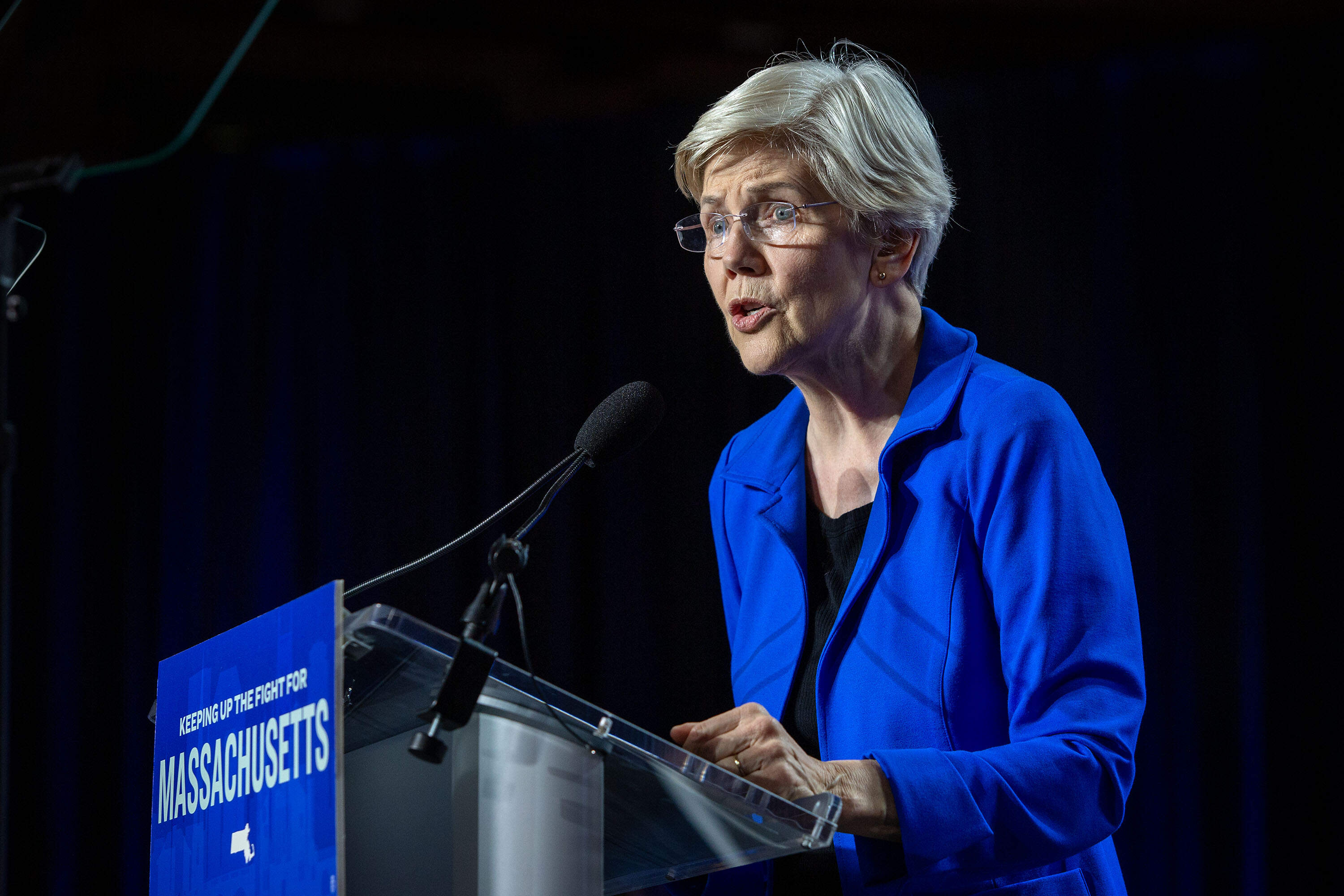
"I am grateful down to my toes that you are sending me back to the Senate to fight for you," Warren told her supporters at her election night watch party in Boston.
In results late last night, it appeared that fight would soon be much tougher, as the Democrats lost their slim majority in the Senate.
As one of the country's leading progressives, Warren has pushed policies to end Washington corruption, strengthen democracy, tackle systemic racism and rebuild the middle class.
"So here's my message to the voters of Massachusetts, my name was on the ballot, but this election is about you and the work we still need to do," Warren said Tuesday night.
During her re-election campaign, Warren said a Deaton victory would have set back progress on climate, health care and gun control, while moving the country a big step closer to a nationwide abortion ban.
"We are potentially talking about the lives of our daughters and granddaughters. And when that's on the line, we cannot trust John Deaton," Warren said in a debate last month.
Throughout the campaign, polls gave Warren a consistent lead over Deaton, an attorney and political newcomer, who tried to cast the Democratic incumbent as an out-of-touch and divisive politician more interested in party and ideology than solving problems.
"I'm the moderate, centrist, common-sense candidate," Deaton said during their first debate last month.
But Deaton, 57, was a long-shot candidate who also did not support Donald Trump, which may have dampened support from GOP voters.
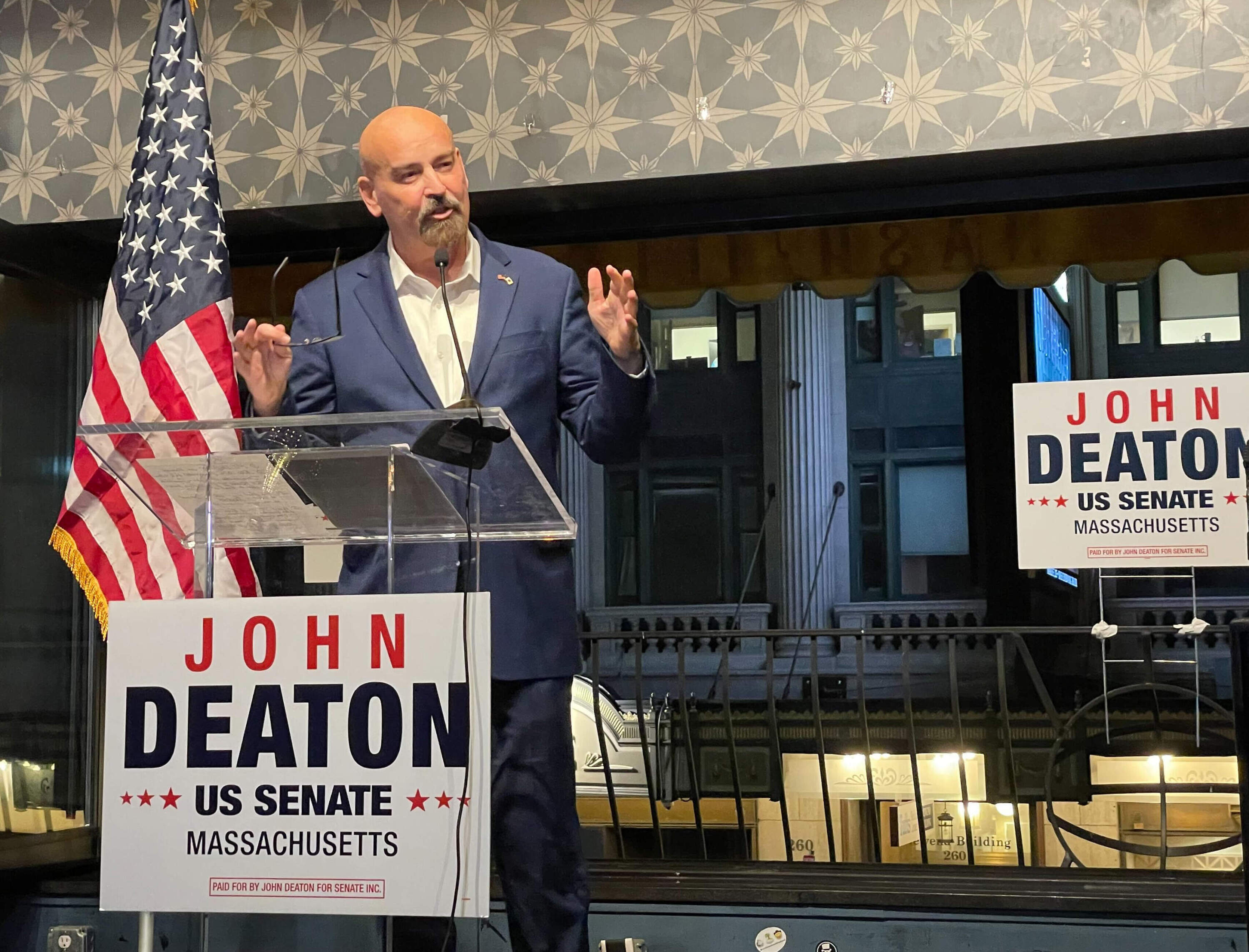
During his concession speech on Tuesday night in Boston, Deaton told his supporters it was an "honor" to travel the state and meet so many residents.
"It's fun to show people you could challenge your political opponents on policy and their record without engaging in these overly divisive attacks that we see in our politics today," he said. "We showed people there's a difference between fighting against things and fighting for things; and fighting against people and fighting for people."
Deaton built his campaign around a personal story of growing up poor in the Detroit area before attending New England College of Law and joining the Marines. He became a successful trial lawyer, representing victims of asbestos poisoning, and last winter moved from Rhode Island to Massachusetts to announce his bid for the Senate. He cast himself as a fiscal conservative who's moderate on social issues, not unlike former Gov. Charlie Baker, the last Massachusetts Republican to win statewide.
Deaton is pro-abortion rights, and had promised that if elected, he would have supported a federal law to protect reproductive freedom.
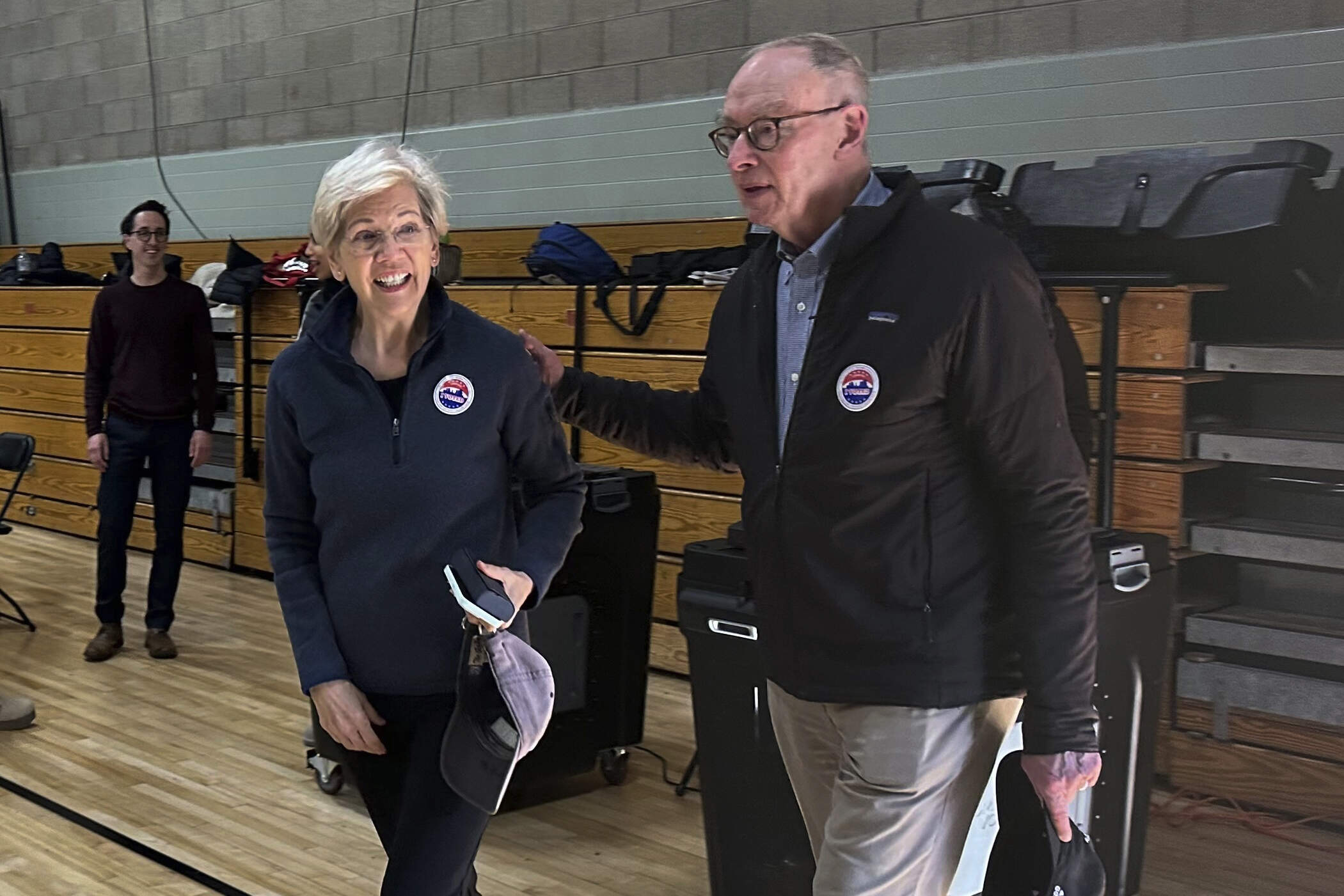
Warren, 75, ran for president in 2020 and has her own story of growing up poor — "on the ragged edge of the middle class," as she often puts it. During her re-election bid, she touted support for a number of polices to help working Americans, including capping prescription drug costs, canceling student debt, and raising taxes on billionaires and corporations.
Warren and Deaton clashed on the future of cryptocurrency, which Deaton touts as a way to “democratize” banking, while Warren has pushed for tougher regulations. Backers of the industry donated millions of dollars to Deaton's campaign, which Warren said would have made him beholden to "his crypto buddies," a charge Deaton denied.
While Deaton tried to thread the political needle — casting himself as a moderate Republican willing to shake things up — his campaign struggled to gain traction against a popular blue-state Democrat with a national profile. A University of New Hampshire survey released two days before Election Day showed that almost a third (32%) of Massachusetts voters knew little or nothing about him.
This article was originally published on November 05, 2024.
This segment aired on November 6, 2024.