Support WBUR
'There's the future': Breaking barriers, classical music students perform in professional holiday concert
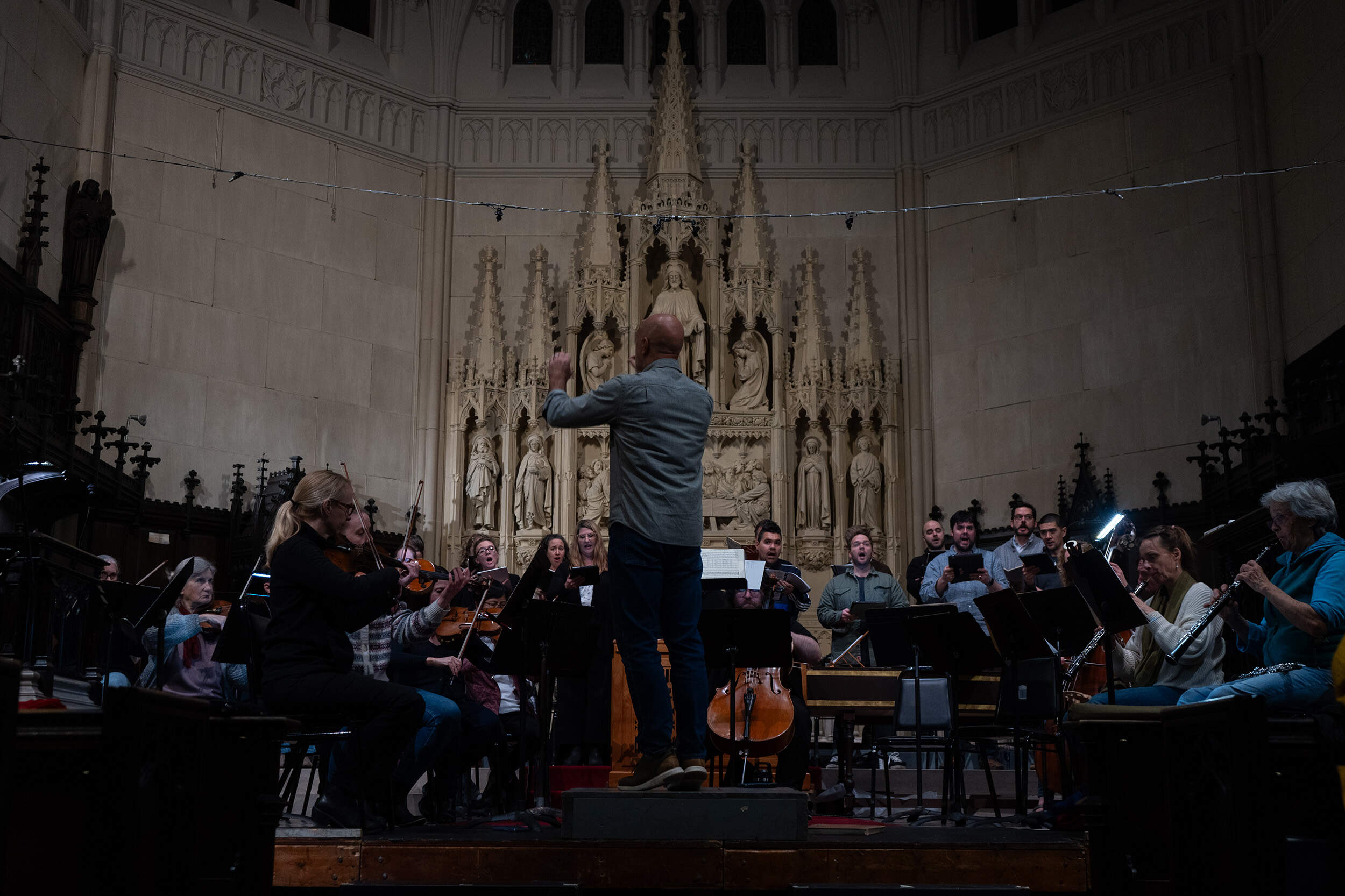
To learn to play a string instrument — like the violin or cello — at a high level takes intense practice, lots of money for instruments and lessons, and ideally, involvement with an orchestra or other ensemble.
Those things can be barriers for some kids — particularly children of color. And that's part of the reason the world of classical music performance isn’t as diverse as the general population.
Nearly 80% of professional orchestra musicians are white, according to a 2023 report from the League of American Orchestras. The group's research finds just 2% identify as Black, and 5% as "Hispanic/Latinx."
But an organization in Boston has long been trying to help change that.
Project STEP (String Training Education Program) provides instruments and classical music training to kids from populations historically underrepresented in the field. The program, founded in 1982, is affiliated with the Boston Symphony Orchestra and is based at Symphony Hall.
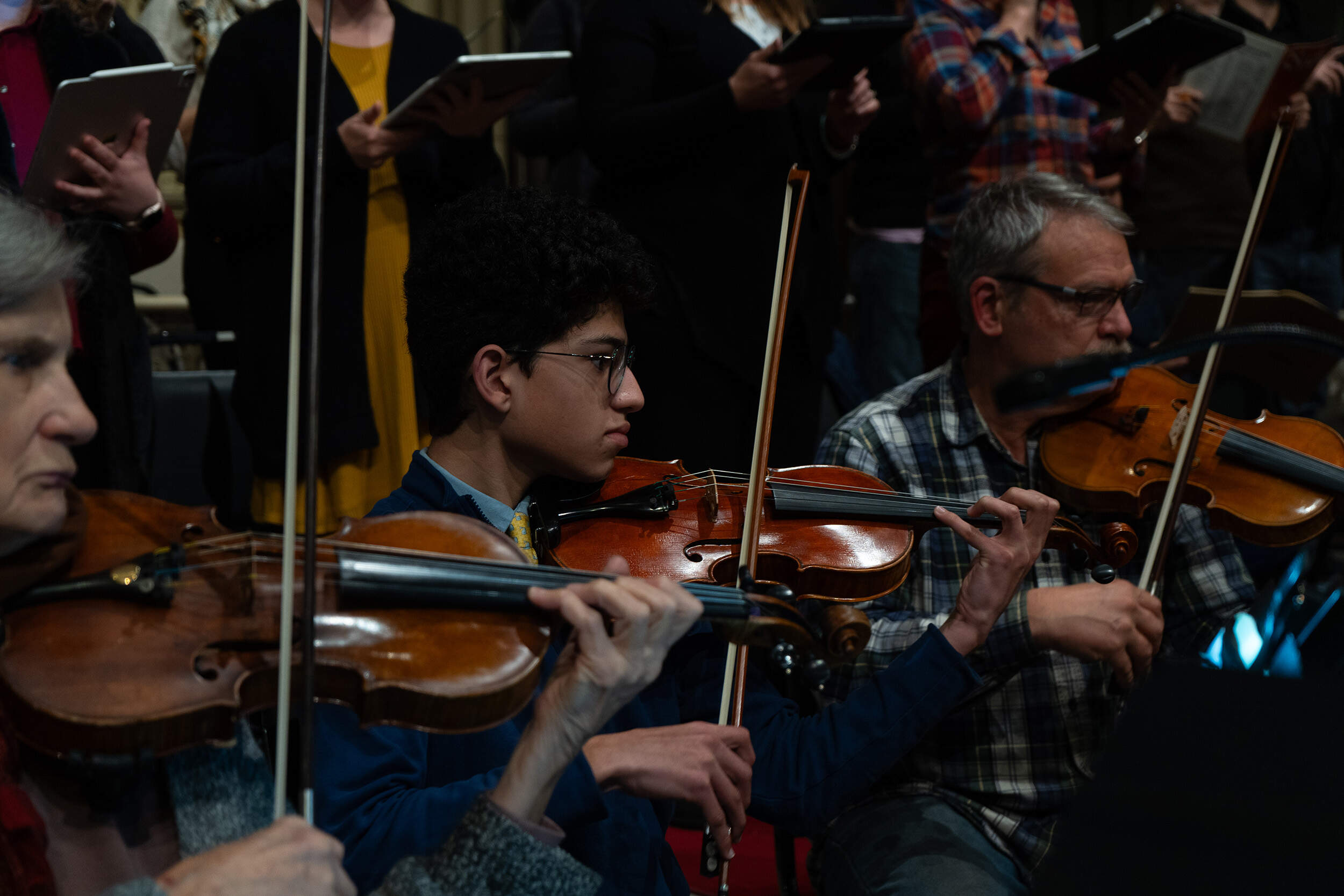
Caleb Casiano, a 13-year-old from Boston, has been in the program since he was in kindergarten.
"There's never really been a time in my life where I can't remember having exposure to music or even playing the violin," he said. "It's just, like, become an integral part of myself."
The STEP students learn from and perform with professional classical musicians from the area. This Sunday, Dec. 15, Casiano and two other students from the program will perform with Emmanuel Music in its Christmas concert at Emmanuel Church in Boston. (Emmanuel is a professional orchestra and chorus that specializes in the music of Johann Sebastian Bach.)
Casiano has been building up to performances like this for a long time. His brother, who's several years older, also went through Project STEP and was a big influence.
"As long as I could remember, it was just, like, an aspiration that I had to be able to play violin just like my brother could," he said.
Project STEP's artistic director, Ian Saunders, said it’s important for youth of color coming up in classical music to have role models; it isn't enough to point to the relatively small number of Black and brown people playing in professional orchestras and ensembles.
"Too often, we'll say, 'Well, look at this one person here.' And the student will go, 'Well, I don't know how they got there, because I can't see that path,' " Saunders said. "But when you can see other students along that way, then you can kind of clearly see a path for you, as opposed to someone seeming almost like Superman. You just don't know how they got to that point."
Project STEP leaders say all of their graduates attend college or a conservatory. And 60% then work in music as a profession.
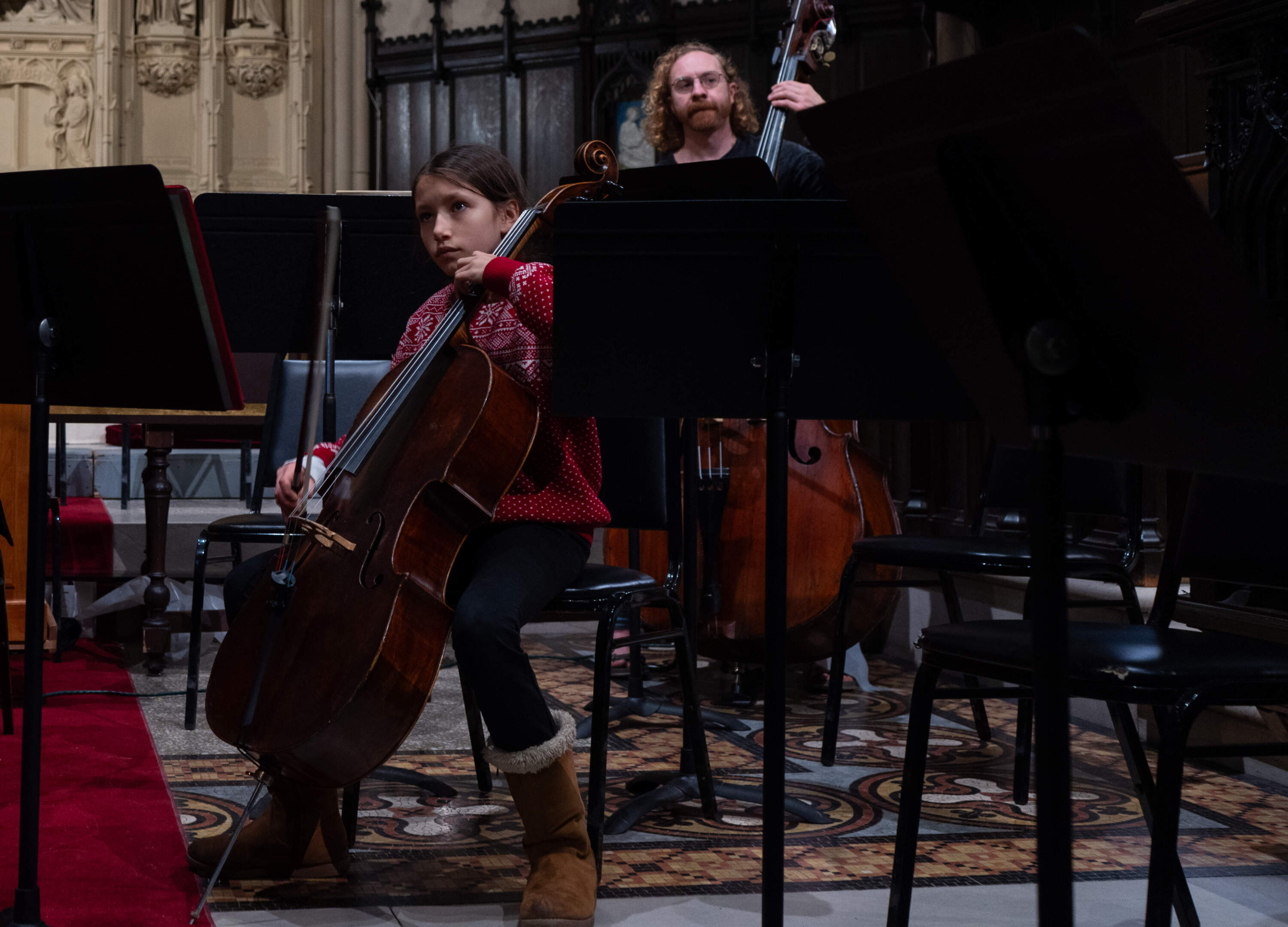
The students go to Symphony Hall every Saturday, for hours of lessons, workshops and rehearsals. Right now there are 56 students, ranging from elementary school-aged to teenagers, in the main program. It costs them just $350 per year, and financial assistance is available.
"[I have] an immense sense of gratitude for those people who make it possible for me to learn about music ... and who make it possible for everyone at this program to be able to learn about music," Casiano said.
And those who collaborate with Project STEP say their ensembles and audiences get a lot out of it, too.
Pamela Dellal, a professional classical singer who directs the Bach Institute at Emmanuel Music, said she welcomes what Project STEP is doing to bring up Black and Latino children in orchestral training.
"It's heartbreaking that music that has this power to communicate sort of deep inside the soul ... that there have been entire communities who have felt — and have sometimes literally been excluded ... because of things that are extraneous to the music," she said.
Dellal is thrilled Emmanuel gets to collaborate on two Bach Christmas cantatas with the young students. She said she hopes the crowd will look at them and think, "There’s the future."
"This idea that this music that we love, that speaks so powerfully and deeply to our audiences as well as to us musicians, is also speaking to them — and that we can give it into their hands," she said. "It's inspiring to see young generations falling in love with this great art and wanting to put the time in so that they have the skill to then discover their own voices."
Editor's note: The original post mistakenly included the wrong date for the concert. The post has been updated. We regret the error.
This article was originally published on December 12, 2024.
This segment aired on December 12, 2024.