Support WBUR
Mass. Latino divisions on Trump: Some see threats, others promise, in his presidency
Inside an old mill building in Leominster, Ignacio Viana waves his hands before a line of singers, directing their full-throated harmonies and signaling a pair of percussionists to join in.
He’s leading an ensemble in murga — a Uruguayan musical style steeped in politics and comedy. Murga typically involves the ruthless skewering of those in power in Uruguay. Days before Donald Trump’s inauguration, Viana said, it’s even more important for Uruguayans here to uphold the tradition.
“A guy who wants to change the name of the Gulf of Mexico; who wants to annex Canada; who wants to take Greenland,” Viana said in Spanish. “A guy who wants to do all that … this is Napoleon.”
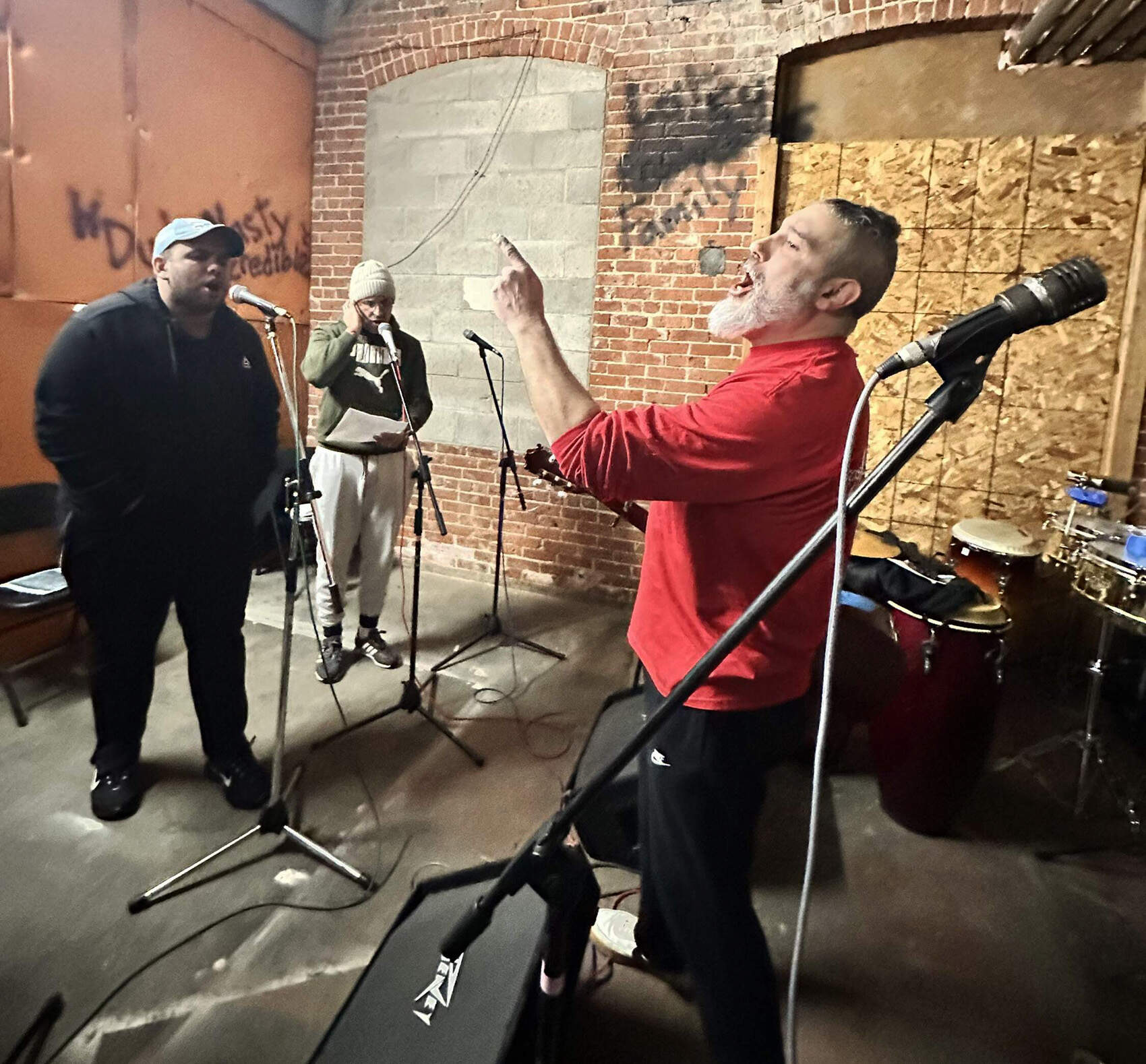
A carpenter by day, Viana directs the murga musicians at night. Despite a major rightward shift among Latino voters in the U.S., Viana said he doesn’t know any Uruguayans who support Trump. Most are too skeptical to buy into promises from politicians, he said.
“We distrust everything,” he said with a grin.
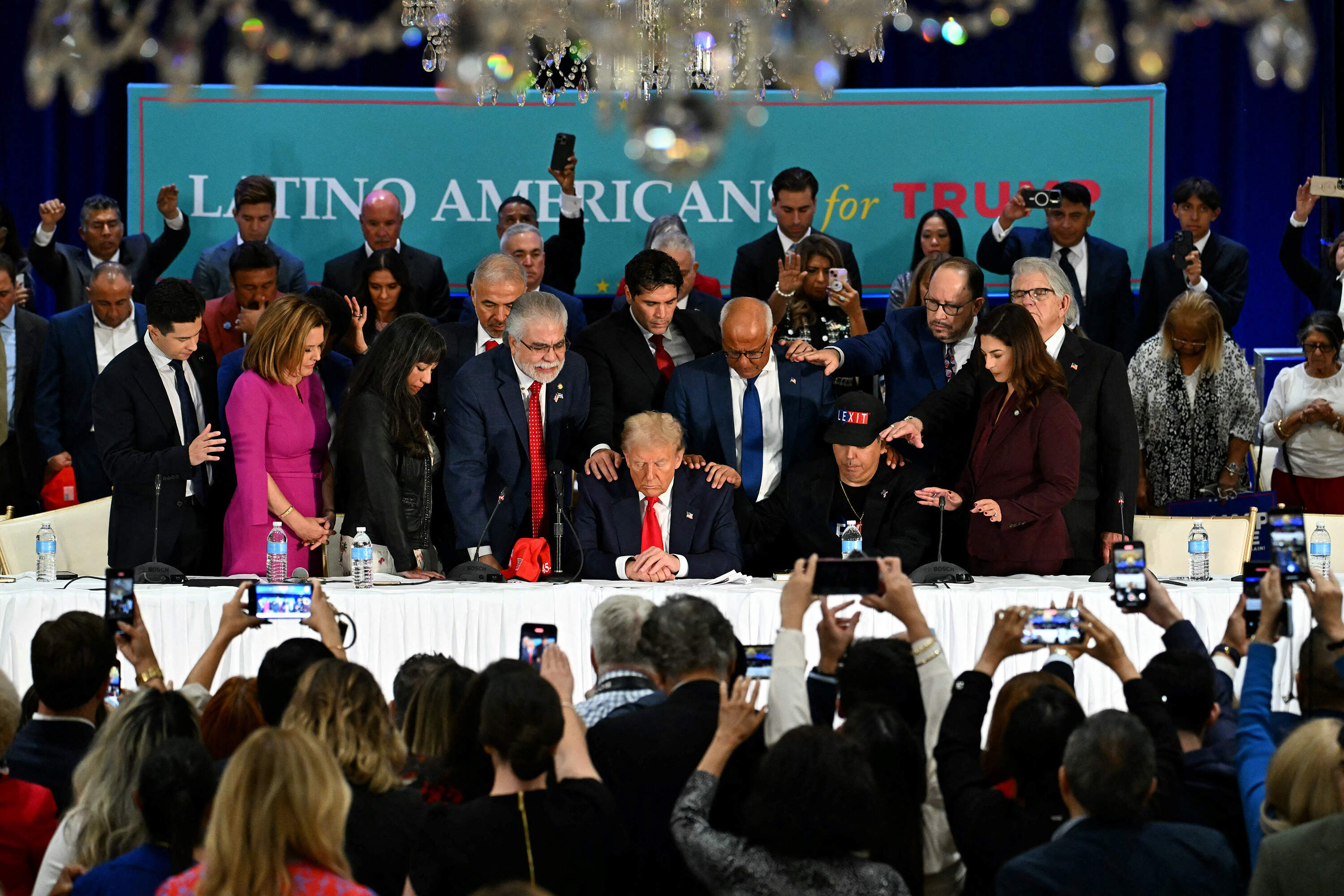
While most Latino voters continue to support Democrats, that’s changing. Across the country, Latinos were pivotal in securing the presidency for Trump.
Polling shows the economy was the number one issue for Latinos, as it was for all registered voters. Viana said he's aware many Latinos in the U.S. believe Trump will usher in a better economy, even if his own community doesn't buy it.
After Florida, Massachusetts has the second-largest Brazilian population in the country, and many of them call Framingham home. At a mechanic's shop in the city, sympathy for Trump is unanimous among the workers.
“Yes, I support Trump,” owner Joel DaSilva said in Portuguese. “As far as I can see, he is a president who really works in honesty, looking out for the country's best interest.”
DaSilva sees in Trump a defender of Christian values. DaSilva said he owns a house, a rental property and two businesses; he’s raising a family here and pays taxes. He doesn’t have legal status in the U.S. and cannot vote here — but that doesn’t drive his political conclusions.
DaSilva believes Trump’s deportation efforts will target criminals — and he supports that. After living in America for 17 years, he said he doesn’t think Trump's enforcements efforts will target people like him.
“I don't see why they would deport me,” DaSilva said.
"It's a mixed bag of people that are anxious when they shouldn't be, and people that are not looking at the potential risks of their situation."
Julio Henriquez, a Boston attorney
But some immigration attorneys warn not to count on that kind of leniency.
“What we saw during the first Trump administration is that a lack of criminal record, and many years in the country, and good standing, are not going to protect many people,” said Boston lawyer Julio Henríquez.
Some clients are overconfident they’ll be safe under Trump, he added, while others are overly fearful of deportations. For example, Henríquez said people could have less to worry about if they have green cards, permanent residency or are close to being granted asylum.
“It's a mixed bag of people that are anxious when they shouldn't be, and people that are not looking at the potential risks of their situation,” he said.
The fears — warranted or not — are often on display at the nonprofit Brazilian-American Center in Framingham.
“Most of the people who are here don't have [immigration] documents,” Executive Director Liliane Costa said in Portuguese. “They are afraid, they are worried, because no one knows what will happen Monday.”
She recalls people refusing to leave their homes under the first Trump presidency, and she’s starting to hear the same thing happening ahead of Monday's inauguration. News reports over the weekend raised the specter of immigration raids in Chicago, which incoming Trump officials then knocked down, saying they'd be "arresting people across the country."
Costa said a few people are flying back to Brazil instead of risking problems with immigration police. And more are getting their passports and birth certificates in order just in case.
Regardless of what the new administration actually does, Costa said, the threat of immigration enforcement has proven to be far more powerful than the enforcement itself.
“These families trapped themselves inside their homes, afraid of everything, and this led to various problems in the area of mental health,” Costa said.
She said the first Trump years also brought an uptick in domestic violence among local Brazilians. Many were afraid reporting abuse to police could spiral into involvement from immigration officials.
“It's not that the Biden administration didn't deport, the Obama administration didn't deport,” she said. “All governments deport people, all the time.”
But now, Costa said, the constant drumbeat of mass deportations “leaves everyone terrified.”