Support WBUR
Boston's Morning Newsletter
When will salary ranges be required on job postings? Here's what's next for the Mass. wage transparency law
Editor's Note: This is an excerpt from WBUR's daily morning newsletter, WBUR Today. If you like what you read and want it in your inbox, sign up here.
It’s the anniversary of the infamous Blizzard of ’78 — and appropriately, we’re getting some snow. Dozens of school districts have called snow days today, including Brookline, Brockton, Lynn, Medford and Worcester. NBC 10 has a running list of school closures here.
The National Weather Service forecasts anywhere between 1 and 4 inches of snow in Massachusetts, before the storm flips to freezing rain in the afternoon. So, be careful on the roads. (And don’t forget about the storm this weekend, which is likely to be bigger.)
But first, the news:
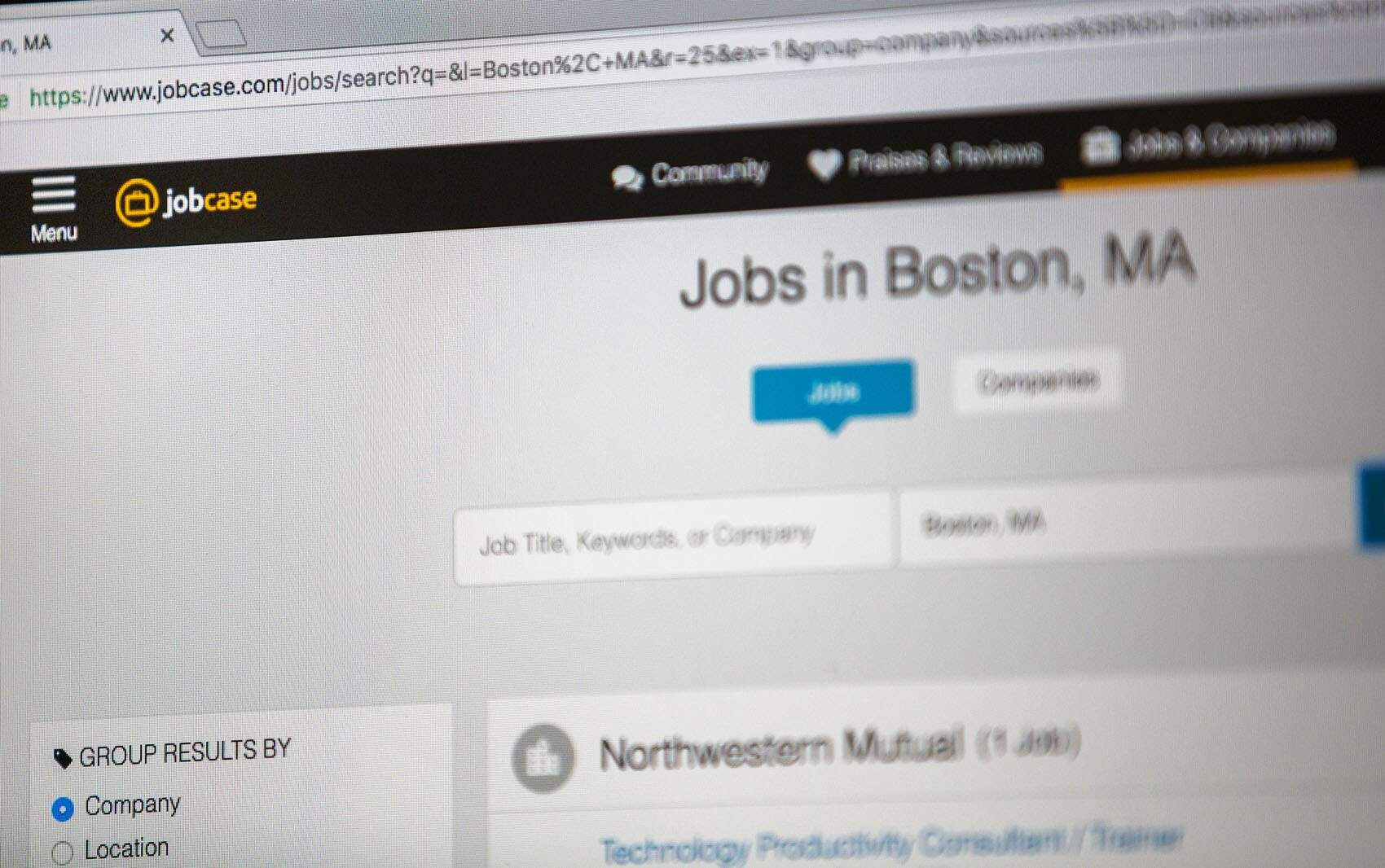
Show me the money: The first requirement of Massachusetts’ new wage transparency law took effect this week. As WBUR’s Amanda Beland reports, this past Monday was the deadline for employers with at least 100 employees to report anonymous demographic data on what their workers earn to the state. You probably didn’t notice the change. And honestly, it likely wasn’t a big deal for your boss; employers already report that data once a year to the federal government. However, some industry groups are urging business leaders to start preparing now for the second part of the law.
- What does the second part do? Starting this Halloween, employers with 25 or more workers will be required to track salary ranges and publish them in job postings. It also gives workers the right to request their current job’s salary range, and requires employers to share that info when someone is promoted or transferred.
- What does that mean for companies? For some, it will mean building an official wage structure from scratch, according to Kyle Pardo, a HR expert for Associated Industries of Massachusetts. “First, they’ll need to take stock of how much they pay their employees and how it compares with other similar-sized companies,” Pardo told Amanda. “The second part is looking at internal equity — ensuring that you’re paying people in comparable positions a comparable rate, [and] the third part is developing those salary ranges then based off of that data.” Pardo said some companies are awaiting more state guidance on what a “reasonable” salary range is and how specific it needs to be. But she’s advising leaders to start the work now.
- What does that mean for workers? The hope, at least, is that the law will reduce the number of instances where two people are paid drastically different salaries for the same job. Supporters say the law will also equip jobseekers with more information and help them get better salary offers.
- What’s next: State officials plan to publish the first wage data report — broken down by sector — by June 1.
On Beacon Hill: The House is planning to pass a slightly tweaked version of Gov. Maura Healey’s proposal to tighten the eligibility rules for the state’s emergency shelter system. Similar to Healey’s plan, the bill includes a more restrictive residency requirement and would end the policy of “presumptive eligibility,” which has allowed individuals into the shelter system while officials verify their eligibility. It would also generally limit stays at six months, as Healey proposed.
- One big difference: The House bill would cap the number of families allowed in the system at 4,000 for 2026. That’s way down from the current 7,500-family cap. As of last week, state records showed there were 6,012 families enrolled in the system.
Mark your calendar: Boston Mayor Michelle Wu has accepted an invitation from Republicans in Congress to testify next month. Wu is one of four mayors called to appear at the March 5 hearing about so-called “sanctuary city” policies. Boston’s Trust Act — which dates back to 2014 — bans local police from assisting federal deportation efforts unless serious criminal activity is suspected.
- What she’s saying: In a statement, Wu made note of Boston’s historically low murder rate and said she looks forward to highlighting the police department’s “hard work and successes.”
Meanwhile at City Hall: The Boston City Council voted to ban the use of non-disclosure agreements (aka NDAs) as a condition of employment for staff members. The internal policy change was approved yesterday in the wake of the arrest of Councilor Tania Fernandes Anderson, who required staffers to sign NDAs.
P.S.— Valentine’s Day is almost a week away — and you can save on flowers and support independent journalism if you order through WBUR. Click here to explore our options and schedule a delivery of Winston Flowers to almost anywhere in New England. Plus, if you order now (or anytime by Monday night), you’ll save 10%.