Support WBUR
Field Guide to Boston
Why your heating bills are so expensive this winter in Mass.
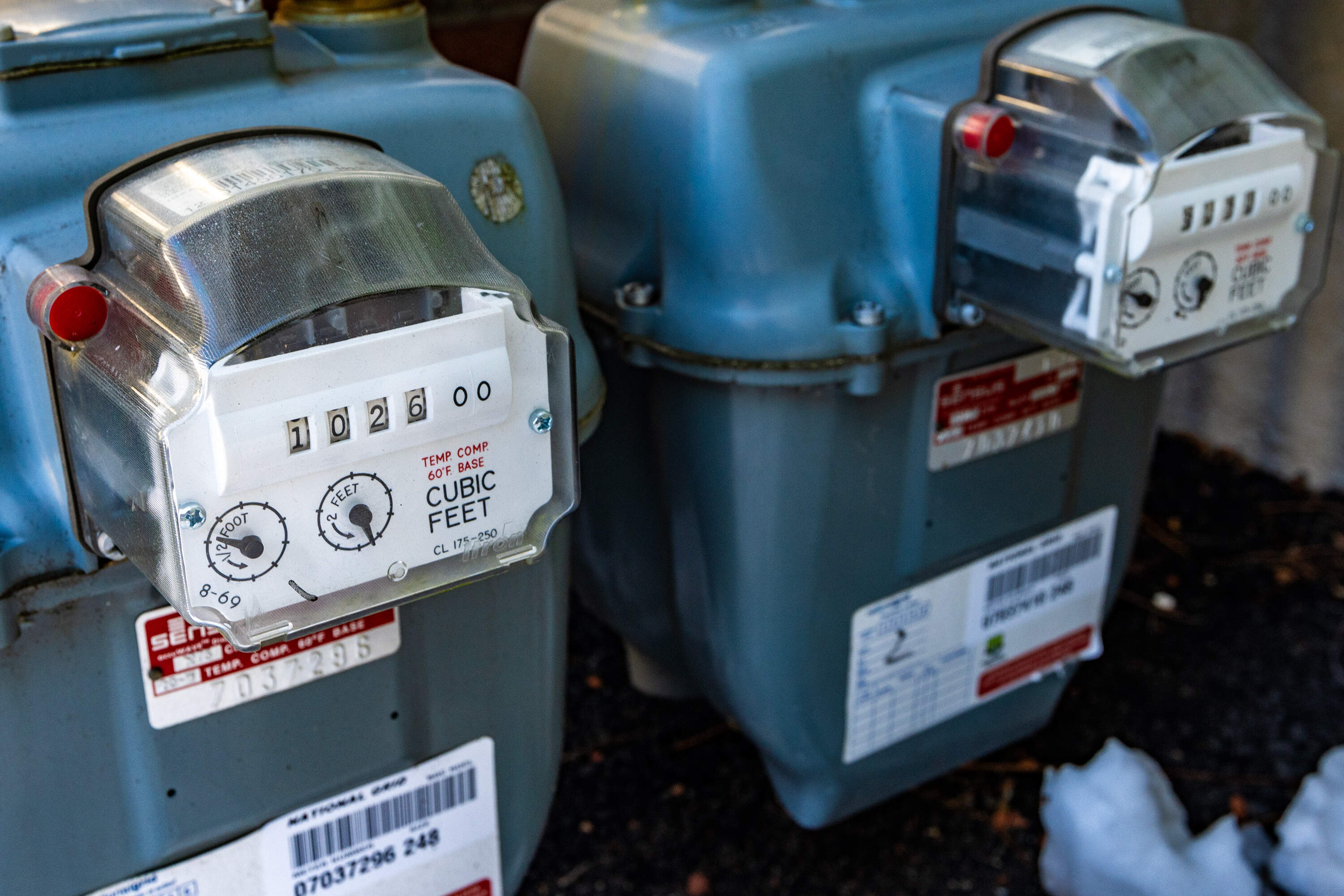
“Holy cow.” “Outrageous.” “Absolutely insane.”
These are just some of the terms Massachusetts residents are using on social media to describe their most recent heating bills.
The state has notoriously high energy prices, but for a lot of residents — especially those who heat with natural gas — this winter has brought some shocking costs. Facebook and Reddit are filled with complaints and images of gas bills in the $800 or $900 range. Several residents said their bill nearly doubled from December to January.
So what gives? The single biggest factor is the weather. But energy prices are complicated. Here’s what you need to know:
It’s been really, really cold
December and January were colder than average, according to WBUR meteorologist Danielle Noyes. Daily high temperatures didn't rise above freezing for nearly half the days in January. And nights were even colder — mostly in the teens and 20s.
In other words, “your heating system was working on overdrive,” Noyes said.
Even if you always keep your thermostat set to the same level, you almost certainly used more natural gas, electricity or oil to maintain that temperature in the past months’ cold weather — the average Eversource customer, for instance, used about 19% more gas this January than last January.
And so far, February is gearing up to be pretty chilly as well.
If you heat your home with natural gas
On your gas bill, you’ll see two main charges: supply and delivery.
Supply refers to the actual cost of the gas you use. Like with electric rates, your utility charges what it pays for gas on the open market and does not make a profit.
In Massachusetts, supply rates usually change twice a year: On Nov. 1 and May 1. In general, gas has been more expensive this fall and winter than last — though prices remain cheaper than two winters ago, when Russia’s invasion of Ukraine caused global prices to skyrocket.
To give an example, if you live in National Grid gas territory, you paid $0.81 per therm last winter. The current price is $0.85 per therm.
One caveat: While supply rates generally change twice a year, the state requires gas utilities to adjust rates if the market price of gas changes by 5% or more, so as not to over or undercharge residents. This winter, the state’s Department of Public Utilities approved supply rate increases for three gas companies beginning Feb. 1:
- Eversource Gas Company of Massachusetts, EGMA (former Columbia Gas territory): increase from $0.79/therm to $0.94/therm
- NSTAR (Eversource): increase from $0.76/therm to about $0.93/therm
- Unitil: increase from $0.69/therm to $0.80/therm
The big takeaway: Higher supply rates plus greater usage due to cold weather, equals higher overall bills.
But that’s not the end of the story.
The other part of your gas bill is the delivery charge. This rate, which also changes twice a year, includes the cost of many things, like operating and maintaining the system’s infrastructure, funding the state’s energy efficiency program, known as Mass Save, and subsidizing discounted energy rates for low-income customers.
Like with the supply charge, the more gas you use, the more expensive this portion of your bill will be. And this winter, a combination of higher energy use and higher delivery rates, also caused bills to be more expensive.
The size of your increase, however, depends on where you live.
Find your gas utility using this Department of Public Utilities map:
Massachusetts’ two largest gas utilities, National Grid and Eversource hiked delivery rates in several territories this past November. Here are the details:
Eversource
For people who live in Eversource's NSTAR territory, much of the delivery rate spike comes from growing demand for the Mass Save program. Funded by ratepayers, Mass Save helps residents pay for weatherization projects, like better windows and insulation, and provides rebates on energy efficient electric appliances, like heat pumps.
"Ultimately, greater participation in these programs is a positive thing," said Eversource spokesman William Hinkle. "Not only are they helping customers use less energy, they're improving air quality and providing other benefits to the state as a whole."
While in the short-term, a big push for energy efficiency is causing delivery fees to go up, in the long-term, it should help save everyone in the state money because cutting energy use means the region needs to build less expensive infrastructure like transmission lines and substations. (Energy efficiency is also critical to Massachusetts' climate goals.)
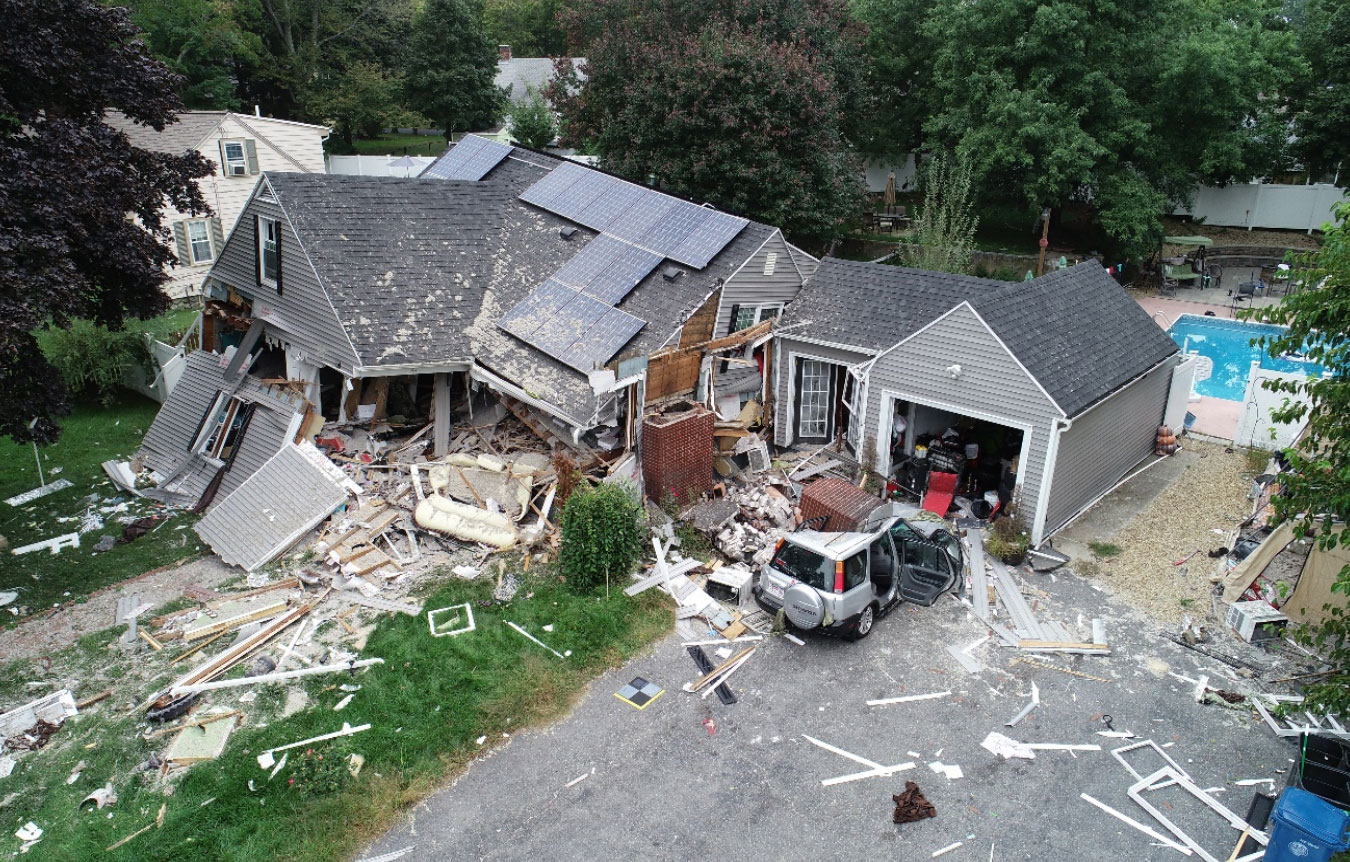
For customers who get their gas from the Eversource Gas Company of Massachusetts — formerly Columbia Gas — supporting Mass Save is only part of the story. Delivery fees also spiked in this territory to help fund costly infrastructure and safety upgrades following the the 2018 gas explosion in Lawrence that killed one person and injured many more. When Eversource bought Columbia Gas two years after the explosion, it agreed to take on these upgrades.
"There's been significant work that has been needed to go into the system to bring it up to standard and make it more safe and reliable for customers," Hinkle said.
National Grid
For customers in National Grid territory, the Mass Save program is the main driver of higher delivery fees. In fact, there was so much interest in weatherization and heat pumps that the company unexpectedly ran out of money for its low-income energy efficiency program last year. The state gave the utility permission to recover those costs from future ratepayers. Now, the bill is coming due.
If you heat your home with electricity
Electric rates this winter aren’t much different than last winter. In some cases, there have been delivery rate increases, though they are much smaller than those for gas. If you heat with electricity and your bills are significantly higher than last winter, the cause is almost certainly greater electricity use.
On the bright side, lower electric supply rates went into effect this month for customers of all four electric utilities in the state who are on the basic service rate.
If you heat your home with oil, propane or kerosene
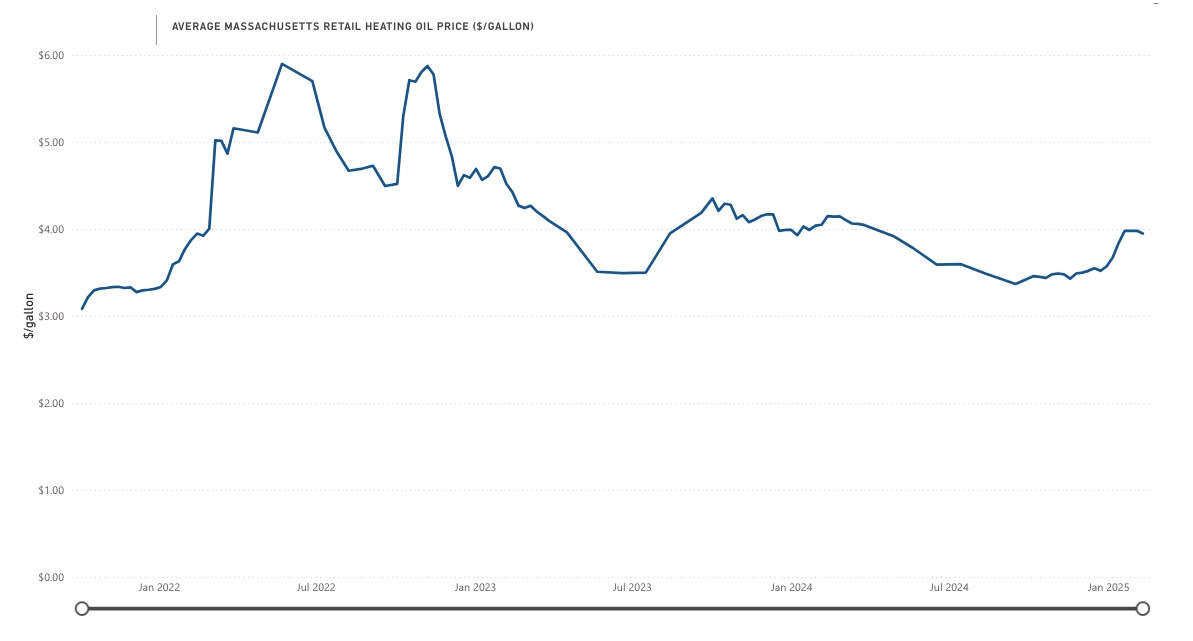
For households that rely on delivered fuels like heating oil, the average cost of filling your tank is about the same as it was last year. But the cold weather almost certainly means you’re using up that fuel more quickly.
Is there relief in sight?
On the weather-front, not immediately. Given the cold temperatures so far this February, bills for this month could also be quite high. (Unfortunately, Punxsutawney Phil — and the state's own groundhog Mrs. G — saw their shadows earlier this month, so if you believe in groundhog lore, spring is still several weeks away.)
The state's elected officials are noticing the high bills and trying to take action. Over the weekend, a group of lawmakers and Gov. Maura Healey sent letters to the Department of Public Utilities asking it to “provide relief” to customers.
"Winter isn’t over. The DPU and the gas utilities must act now to provide relief from these high rates and make the changes necessary to ensure that this does not happen again next winter,” Healey said in a statement.
DPU spokeswoman Alanna Kelly wrote in an email that the department is reviewing the letters and plans to provide a response soon.
“We will be working directly with the gas companies over the coming days to pursue revisions to their delivery rates to provide relief as soon as possible for their customers,” Kelly wrote.
On Monday, gas utilities proposed plans for a 10% reduction in March and April bills by deferring costs until the summer. The DPU is expected to issue a decision on Friday.
Financial assistance is available
If you or someone you know is worried about being able to pay their heating bills this winter, you can learn more about assistance, and see what you're eligible for, here. Massachusetts is one of the most generous states when it comes to utility assistance. Read our explainer for more information.
This article was originally published on February 19, 2025.
This segment aired on February 25, 2025.