Support WBUR
For Mass. environmental groups, federal funding is now 'a gamble'
Weeks after a federal funding freeze — and after multiple judges ordered the Trump administration to unfreeze those accounts — some Massachusetts nonprofit groups still can't access grant money they were promised. Others say they can access the funds but worry the cash will disappear again as they try to pay for a variety of environmental projects.
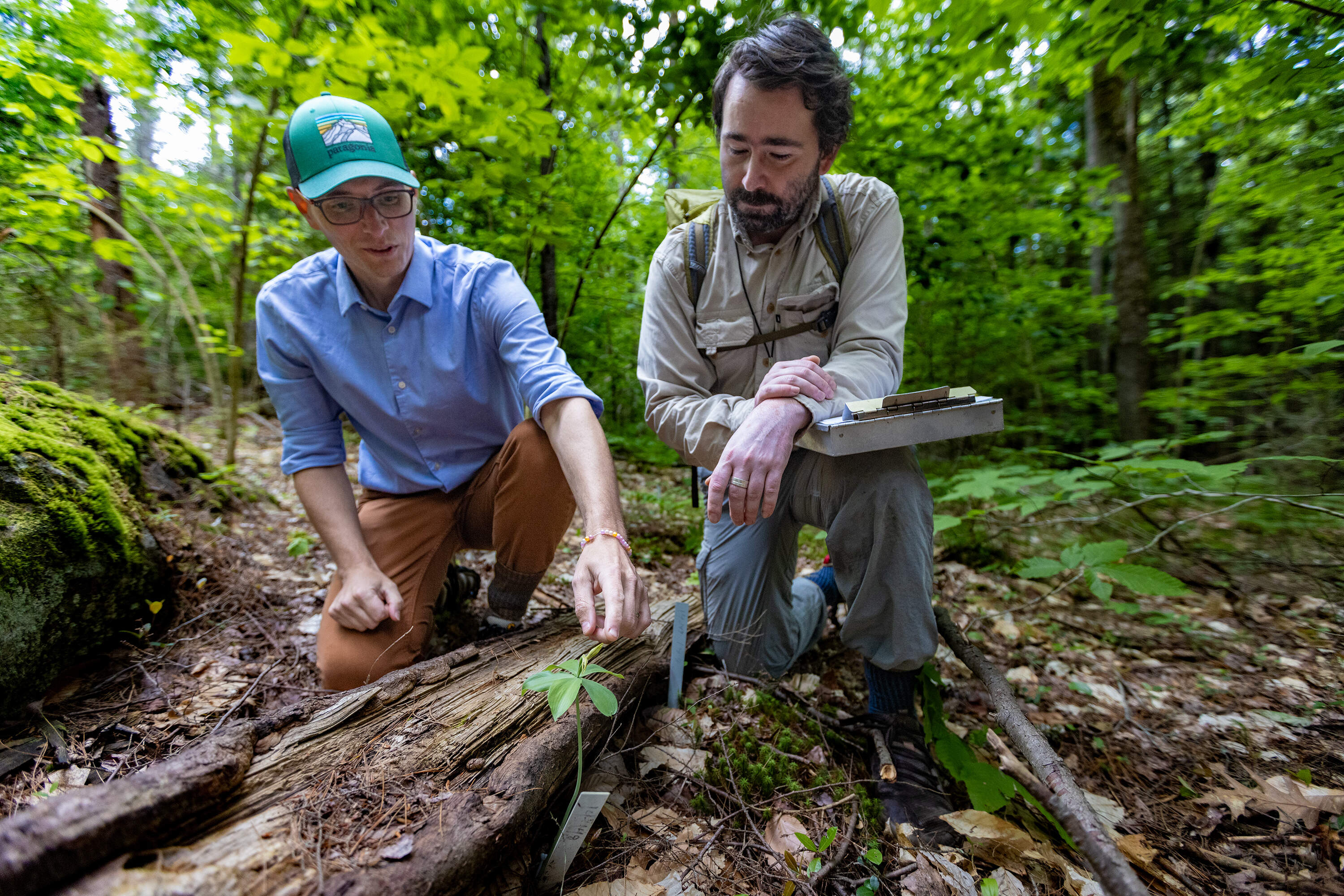
At the Wayland-based Native Plant Trust, staffers still can't access a grant for seed banking from the U.S. Fish and Wildlife Service.
“We're navigating a lawlessness,” said CEO Tim Johnson. He said his organization is currently owed about $50,000 for expenses already incurred. Unsure if the federal reimbursement will come, he and his staff are now deciding how to move forward with the work.
“If the federal government isn't honoring the rules that they've put in place, then we can't plan for every scenario,” Johnson said, adding that working with the U.S. government has now become “a gamble.”
The uncertainty began on President Trump’s first day in office, when he signed several executive orders targeting diversity and equity programs, and halting federal support for climate change initiatives.
One order, titled “Unleashing American Energy,” called for an immediate pause on hundreds of billions of dollars promised to groups for environmental and infrastructure projects. Despite court orders to release the funding, leaders of Massachusetts nonprofits report continued delays and confusion.
GreenRoots in Chelsea still can’t access a $60,000 grant from the U.S. Department of Agriculture to expand a community garden that serves 40 families. The staff was about to start ordering materials when the funds were paused, said John Walkey, the group’s director of climate justice and waterfront initiatives.
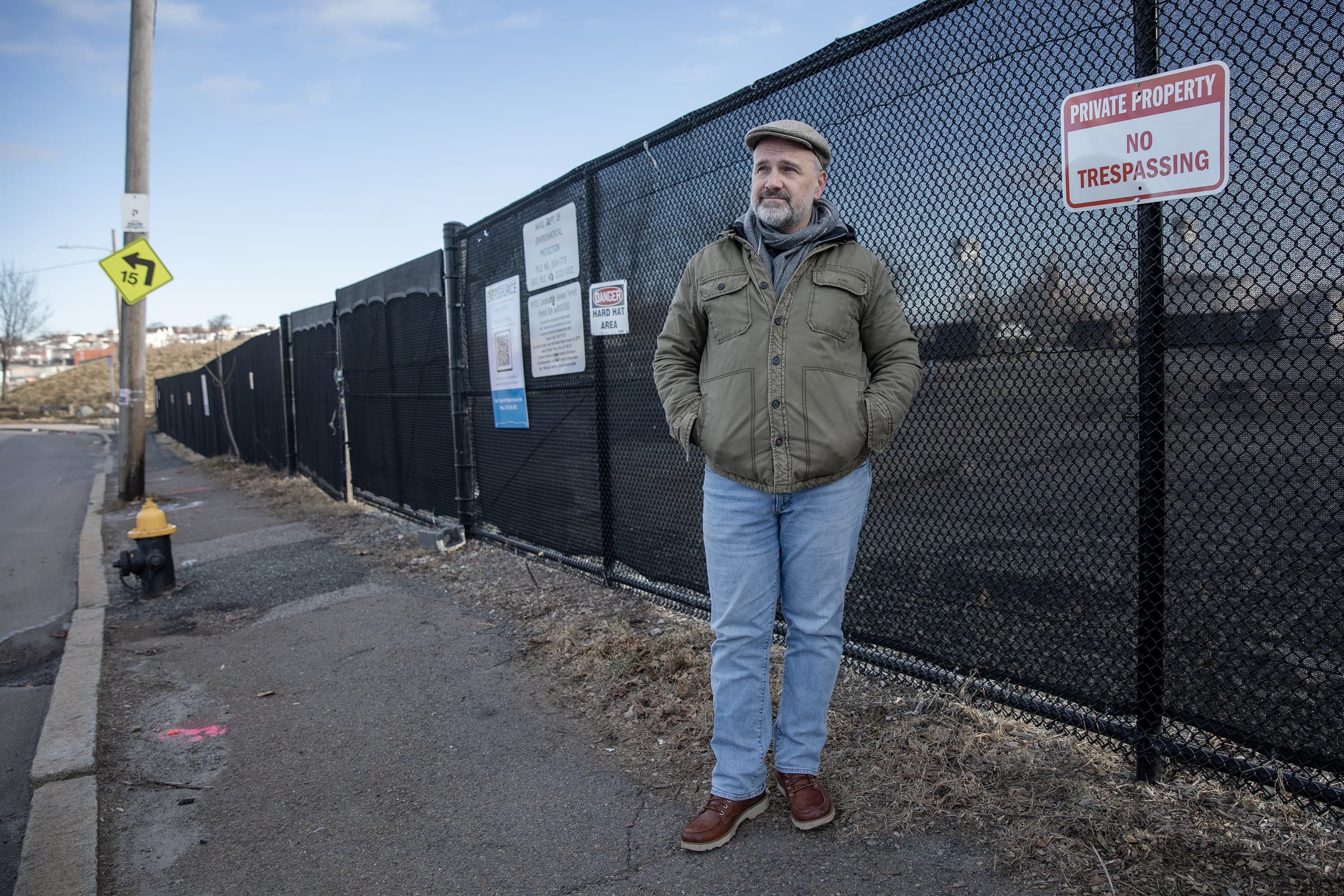
If that money doesn’t come through, Walkey said, GreenRoots will continue the project. But they'll have to delay future projects and pay some expenses with other grants.
“ The rug has sort of been pulled out from under you,” he said.
Brad Campbell, president of the Conservation Law Foundation, said nonprofits contacting his organization are “really in a quandary,” and there’s confusion about why some funding remains frozen.
“ They are not given access to the funds, or any assurance that if they incur expenses under the grant that they will be reimbursed,” Campbell said.
Trump administration officials have offered various reasons for the funding freeze. First they said they were working to align federal spending with the president's agenda. More recently, they focused on certain programs for review, or said they were canceling contracts to cut costs.
"Stopping kind of means you’re admitting that you’ve lost, and I don’t think any of us are ready to do that."
Billy Spitzer
Some Massachusetts nonprofits said their funds are flowing again, for now. But they’re concerned the federal government could re-freeze money without warning, so they're moving forward with projects cautiously.
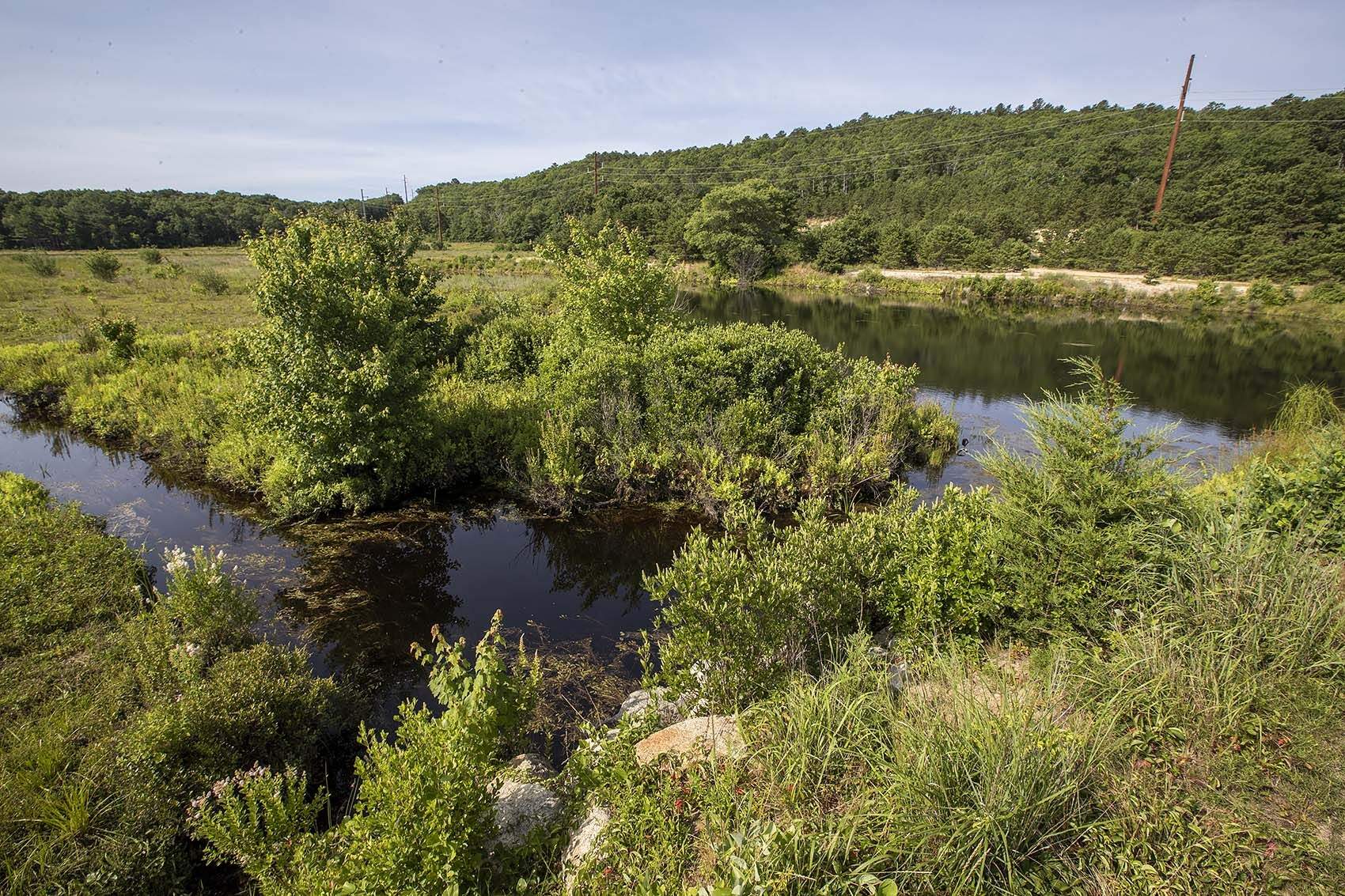
The Association to Preserve Cape Cod won $17.5 million in grants from the National Oceanic and Atmospheric Administration in 2024 and early 2025 for wetland and habitat restoration. After several weeks of frozen funds, the group can now access its grant money.
Executive Director Andrew Gottlieb said the staff is tiptoeing forward with small expenses, but has delayed construction on the first wetland restoration project. He said they'll wait until Congress finalizes the federal budget. Beyond that, they plan to break up contracts into small pieces to manage the risk, and ask for frequent reimbursements in case the money freezes again.
"It is extraordinarily inefficient,” Gottlieb said. “We are spending, with our partners, more time talking about how to move these projects than actually having the ability to work on the projects.”
Gottlieb pointed out another potential pitfall: His organization's grants, like many federal funds, have a time limit. Extended delays may force them to violate the terms of the contract.
" I certainly don't expect any extension," Gottlieb said.
The Hitchcock Center for the Environment in Amherst received a $500,000 grant from the Environmental Protection Agency last year for air pollution monitors in rural communities, plus efforts to teach residents how to use them.
Director Billy Spitzer said his group can now access the money, but the uncertainty of the last few weeks created “an emotional rollercoaster” for staff.
"You expect your federal government to honor its commitment," he said.
Spitzer said the organization is avoiding large expenditures in case there's another freeze. But until they’re told to stop, the work will continue.
“Stopping kind of means you’re admitting that you’ve lost, and I don’t think any of us are ready to do that,” he said.
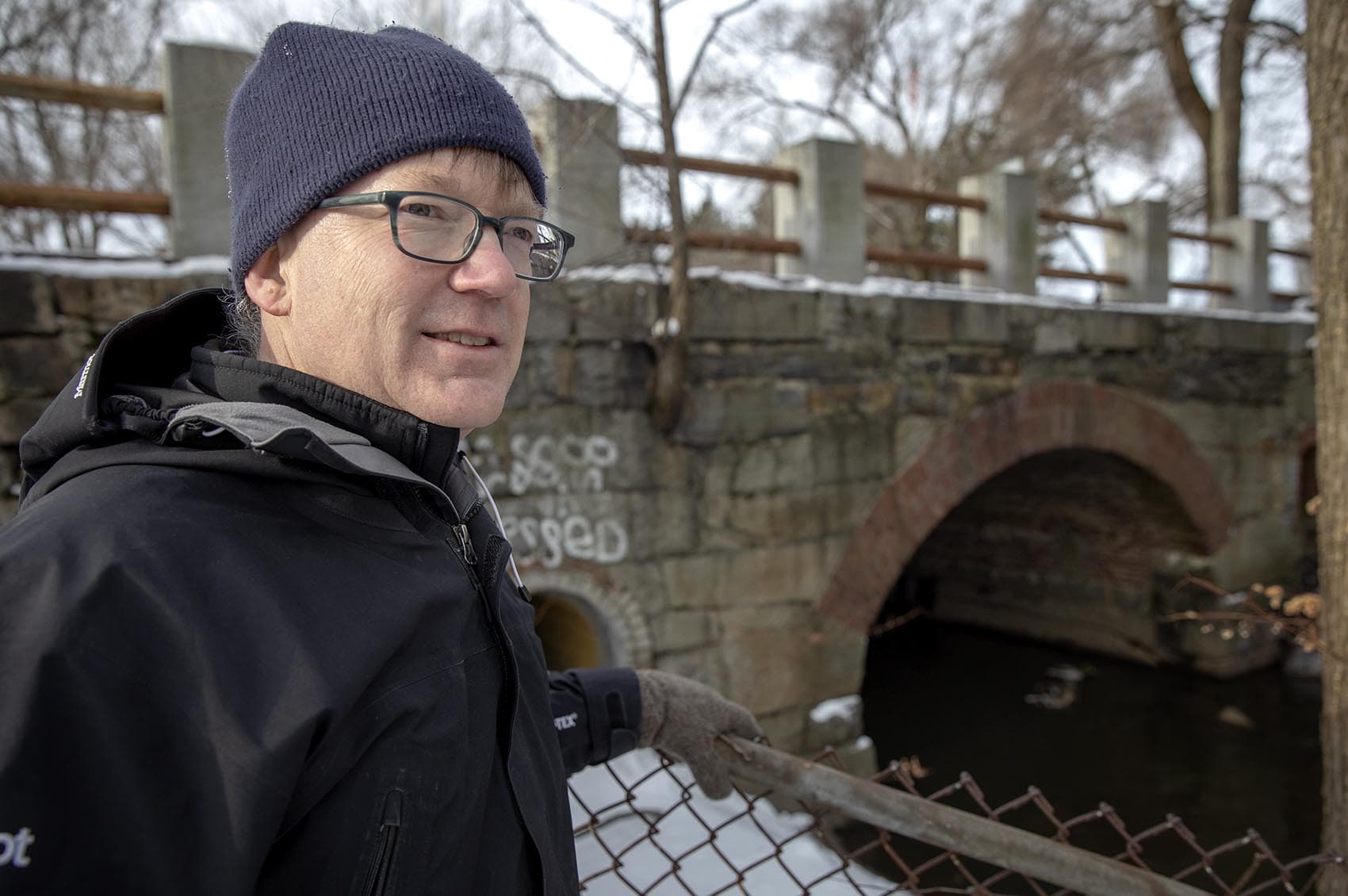
The Mystic River Watershed Association is taking a different approach. It's moving quickly on a $500,000 grant from the EPA that was also unfrozen last week. The funding was awarded to study cooling strategies for hot neighborhoods in Chelsea, Everett and Malden.
“ Given that we can’t predict what will happen three months or six months or a year from now, I think we’re doing what we can to further the goals of the project on a more rapid timeline,” said Executive Director Patrick Herron.