Support WBUR
Healey announces $50 credit on electric bills, other energy affordability initiatives
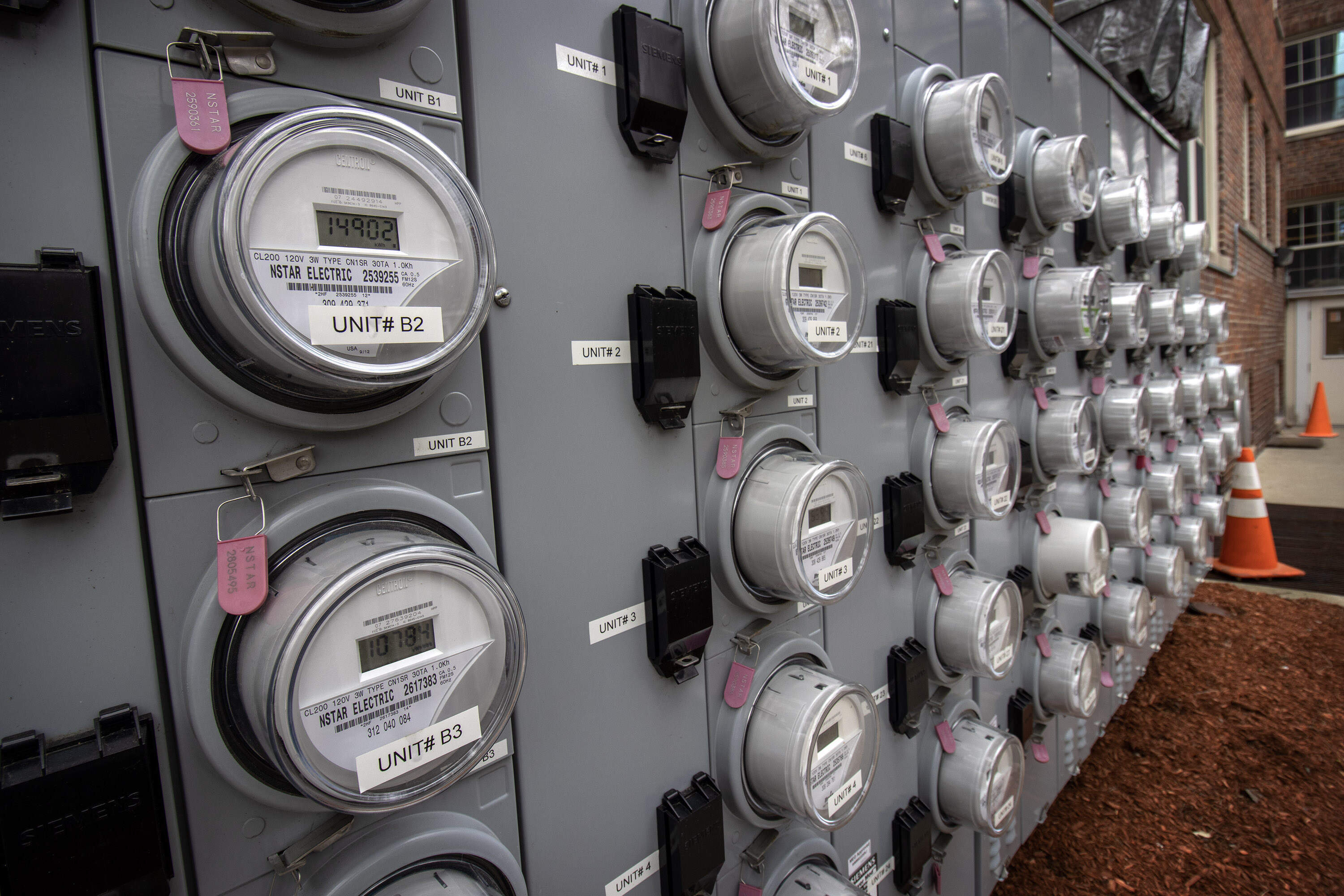
Following public outcry over high energy costs this winter, Gov. Maura Healey announced a new statewide “energy affordability agenda” that she said would help lower bills for Massachusetts residents.
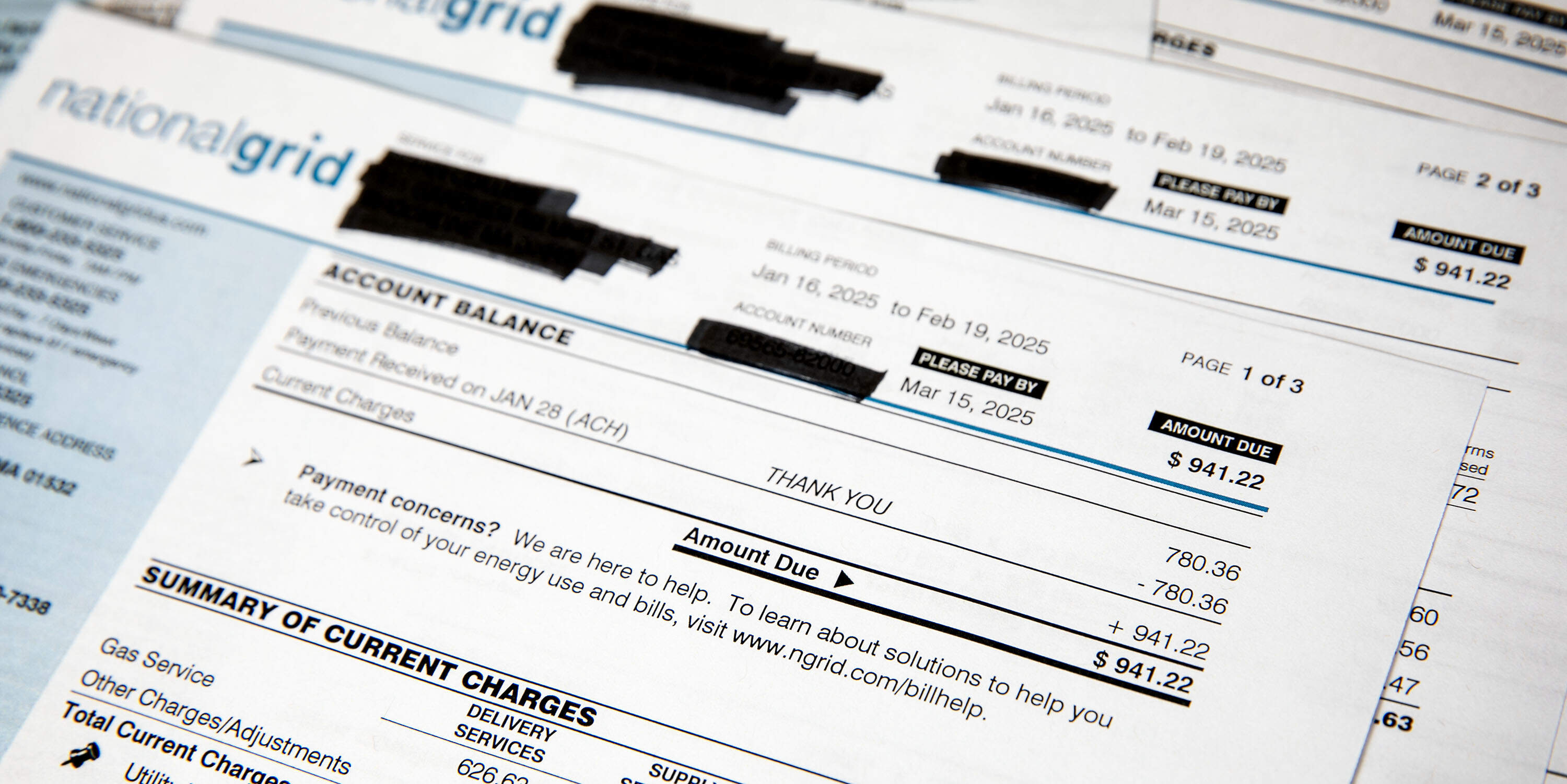
“People, especially in the last month or two, were absolutely flabbergasted by [the energy bills] they got in the mail,” Healey said Monday at an event in Lowell. “I’m proud to be here today to tell you that we’re taking action as a state.”
Healey’s plan aims to reduce costs in the coming months — and years. It includes a $50 credit on electricity bills that many residents will see within weeks. The governor also announced an expansion of electricity savings for people who use heat pumps, and a review of the extra charges that appear on customers’ bills.
Many advocates hailed the plan to bring down costs, with some applauding the administration for not abandoning the state’s clean energy goals.
“Governor Healey’s Energy Affordability Agenda effectively ties together environmental issues and the challenges faced by low- and middle-income families struggling with high energy costs,” said Mary Wambui, of the nonprofit Affordable Housing Planning Office for Urban Affairs, in a statement. “The proposed solutions reflect a deep understanding of the urgent needs of both the planet and those who are financially burdened.”
Spokespeople for the state’s two biggest gas and electric utilities, Eversource and National Grid, said they support efforts to bring down customers’ bills and will continue to work with the administration on making energy more affordable.
Short-term solutions
Healey’s $50 credit on electricity bills will apply to most households in the state. Those eligible for the credit, which will be applied to April bills, include customers of Eversource, National Grid and Unitil. Households that get power from municipally-owned electric companies are not eligible.
“I know that’s not a ton of money compared to what people have been paying, but it’s something,” Healey said. “And every dollar counts.”
The new credit comes alongside the state’s Department of Public Utilities' decision to temporarily reduce gas bills by about 10% in March and April. Together, these initiatives are expected to save residential customers $220 million this spring, according to an analysis by the state.
Medium-term proposals
Healey laid out several potential regulatory and rate changes her administration plans to pursue over the next year. Some of these initiatives are in the works already, like finding better ways to automatically enroll qualified low-income customers in discounted energy rates, and offering tiered discount rates for all moderate-income residents.
The state is also working to expand cheaper winter electricity rates for residents with heat pumps. Currently a program offering savings — up to $500 per household annually — is only available to Unitil customers. Beginning in September, National Grid customers also will be eligible. Healey said the Department of Public Utilities is working to add Eversource customers and increase the maximum benefit to $1,000.
The special electric rate could bolster the state’s climate goals. A key effort to encourage more residents to swap out natural gas and oil heating systems for more efficient electric heat pumps has proven challenging, in part because Massachusetts has some of the highest electricity prices in the country. By implementing this new rate, the state hopes to make heat pumps more attractive and save residents about $865 million over the next five years.
Longer-term efforts
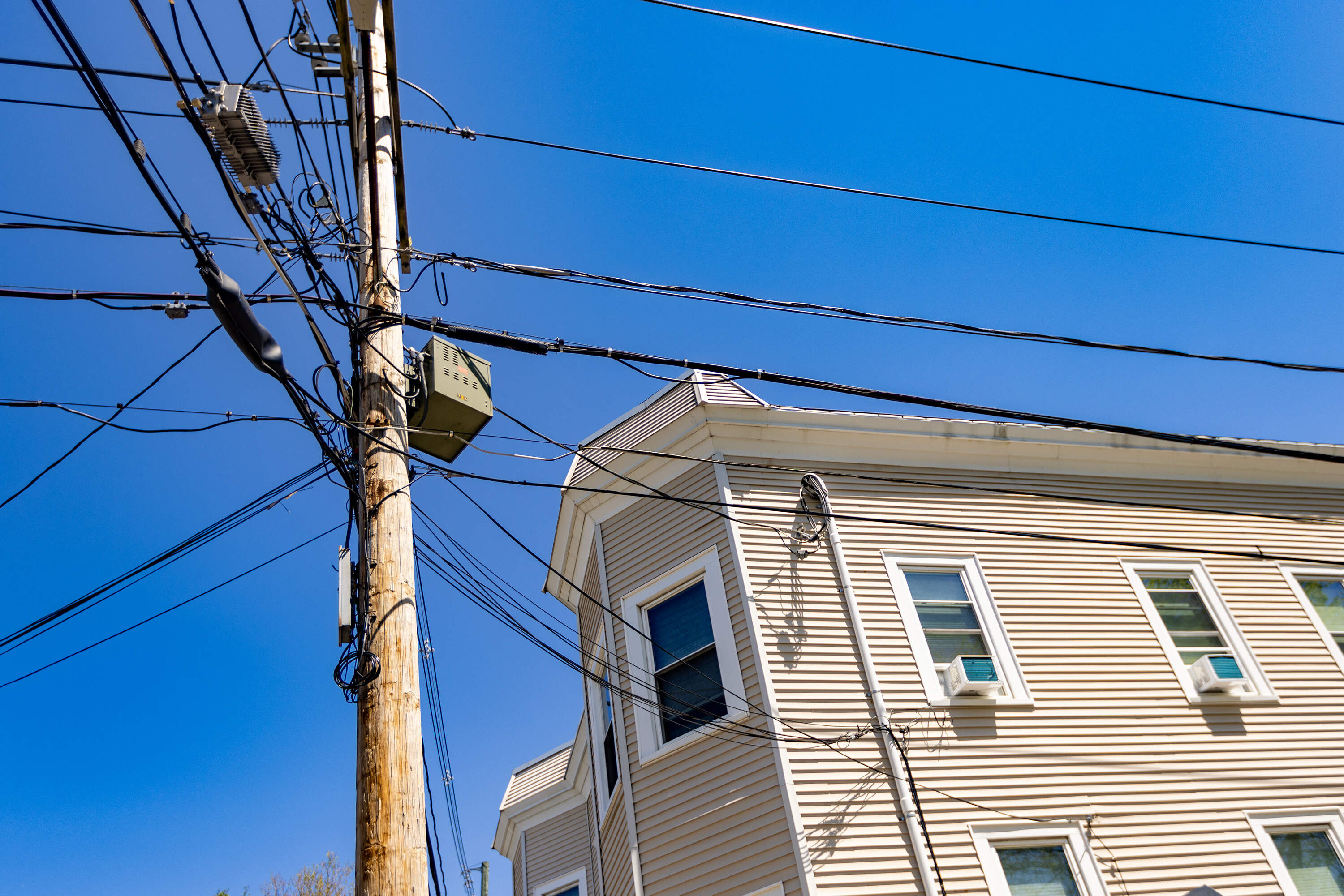
In the longer term, Healey vowed to scrutinize gas and electric bills with an eye toward eliminating some charges.
“You know, you get that bill and it’s got all these different line items,” Healey said. “These charges have been added over the years for different reasons to cover the cost of building out the grid and different infrastructure, but we’re taking a close look at them and we’re getting the utilities to remove any that just aren’t absolutely necessarily.”
The state was already planning to remove two charges related to solar development that could cut bills $15-$20 a month by 2027.
Energy and Environmental Affairs Secretary Rebecca Tepper said her team is working “to find innovative ways to finance important programs without putting it on the bill.”
This could mean shifting the burden of paying for initiatives like Mass Save, the state’s energy efficiency program, to taxpayers or eliminating some programs.
Tepper also said her office is looking at ways to reduce price volatility, so residents are better able to plan their budgets. “We can’t control the weather,” she said, “but we can think about other ways that we might be able to save money.”
One possible solution Tepper mentioned: reducing Massachusetts’ reliance on fossil fuels, like natural gas and oil. Prices for those fuels go up and down depending on global markets.
“What we need is energy independence to allow us to be producing our own energy here to stabilize the prices,” she said, noting that a new electric transmission line bringing hydropower from Canada to the commonwealth is set to go online next year.
Known as the New England Clean Energy Connect, the transmission line is expected to provide about 20% of the state’s electricity needs and reduce ratepayer bills by about $50 million annually, according to state estimates.
Building more renewable energy projects like solar and wind farms, and telling utilities to enter into more long-term, fixed-price contracts could also help stabilize and lower prices, according to Healey's agenda.
Another aspect of the plan calls for working with lawmakers to rein in third-party electricity companies that are not subject to the same level of state oversight as utilities. Opponents of the industry, like Healey and state Attorney General Andrea Campbell, have long argued these companies overcharge customers and prey on lower-income residents, older adults and non-native English speakers.
A report this year from the attorney general’s office found residents with competitive electric suppliers paid nearly $74 million more than they would have under basic utility service rates. Campbell has said she’ll file legislation this session to eliminate the industry. Similar bills have failed in the last two sessions.
Caitlin Peale Sloan of the Conservation Law Foundation said she appreciated Healey's focus on reducing dependence on fossil fuels.
“That ultimately is going to be what can stabilize cost in the long-term for us,” Peale Sloan said.
But she noted two items that weren't on the governor’s agenda: utility profits and executive pay.
“This is a really complex topic and ultimately there’s a regulatory compact with our utilities — they spend money to maintain our system and we pay them back through rates,” Peale Sloan said. “We just really need the regulators to focus on making sure every dollar counts and there’s less surplus customer money going to shareholders and executives of utility companies.”