Support WBUR
In Dorchester, Vietnamese-Americans mark 50 years after the fall of Saigon
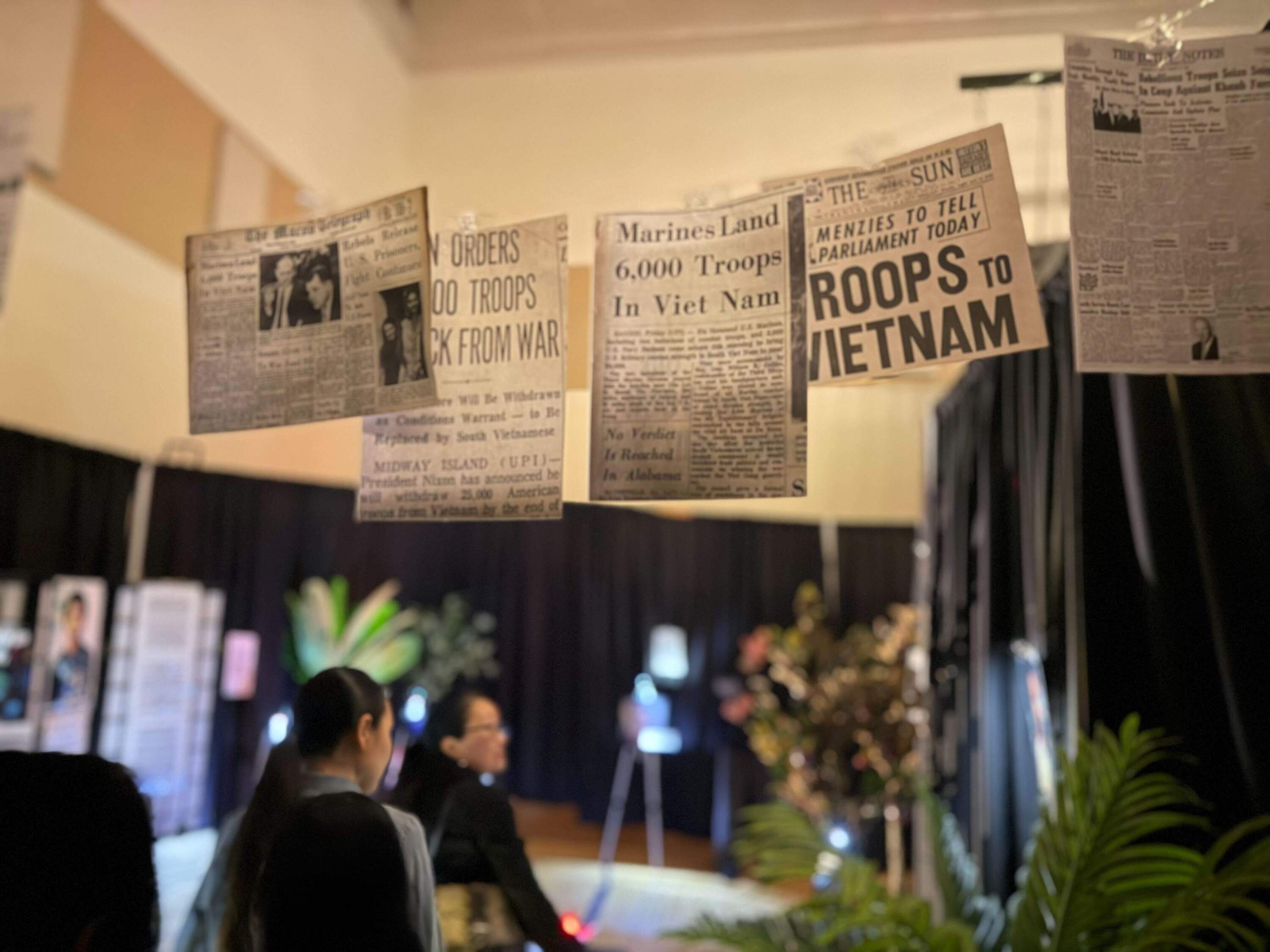
Pieces of a community’s collective memory filled a high school in Dorchester on a recent afternoon. Specifically, stories of war, trauma and resilience of Vietnamese refugees following the Vietnam War, which ended 50 years ago. Built as a makeshift gallery space, each corridor offered a place to reflect on the legacy of the diaspora.
Five entered at a time. The line snaked down the hall.
Dorchester resident Thanh Nguyen’s memories of Vietnam are vivid. Everywhere she looked in the display space created at Boston College High School were reminders of the life she left behind. Lanterns she used to study. Soldiers’ uniforms hung alongside workers’ uniforms. A bamboo shoulder pole used to carry 60 pound sacks of grain. The sounds of the last radio broadcast as Saigon fell.
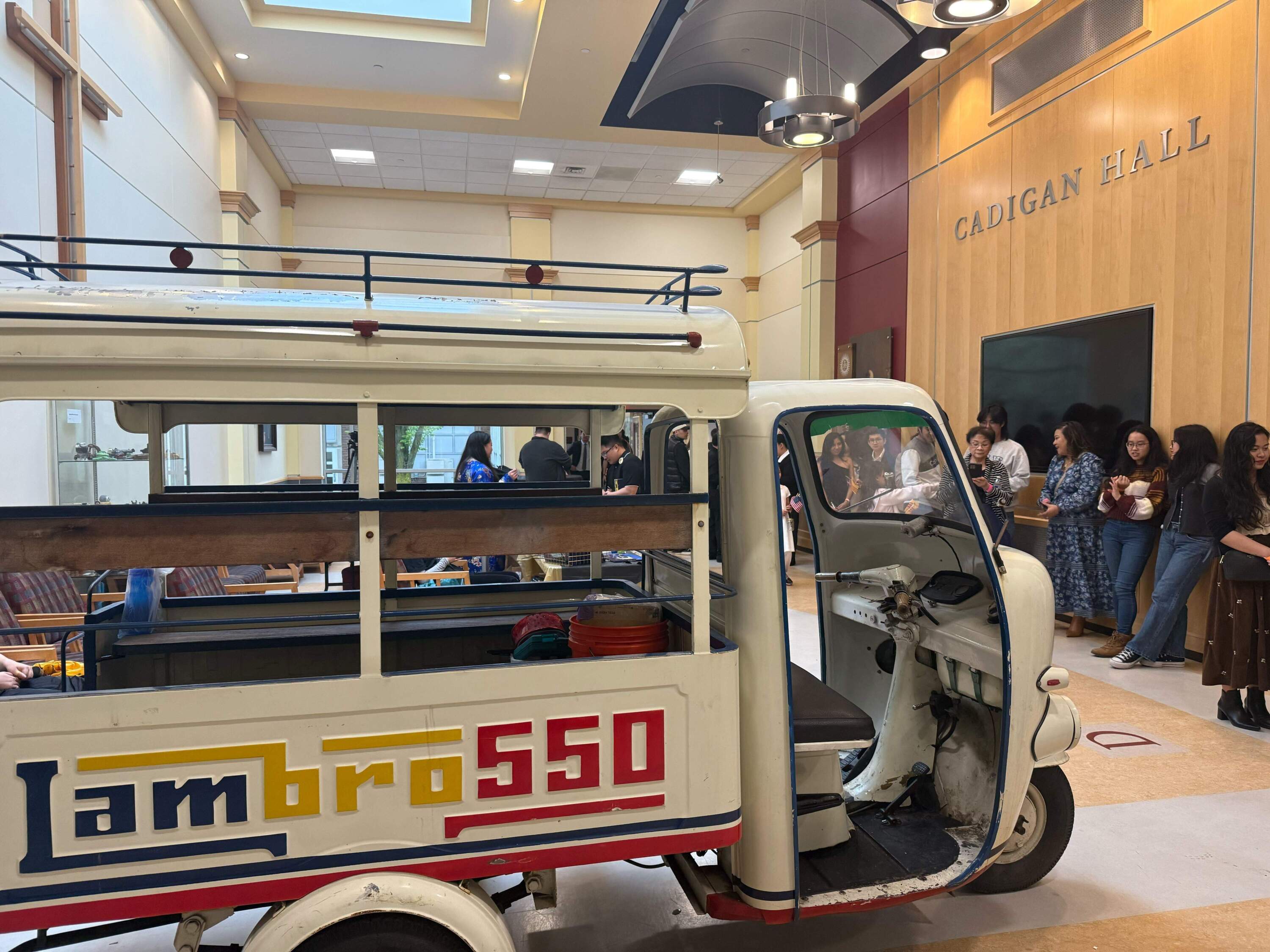
Half a century ago, the fall of Saigon prompted Vietnamese refugees to seek safety across the globe. Dorchester is home to three-quarters of Massachusetts' Vietnamese-American population. Hundreds gathered to mark the anniversary of the end of the Vietnam war with food, song and an immersive installation.
The artifacts, photographs, and stories displayed were curated by Linh-Phương Vũ, project director of the oral history project called 1975: Vietnamese Diaspora Oral Stories. Vu worked in collaboration with the students enrolled in an Asian American seminar course at UMass Boston.
Nguyen’s daughter-in-law, Vy Vu and two granddaughters listened as their grandmother told them about her life in Vietnam, sparked by the exhibition. It’s a history many struggle to discuss, said Vy Vu.
“ I think it just brings up a lot of emotions for any of us attending the event because you know, just a lot of pain, a lot of grief, and the legacy from that. I think it's still with our community, obviously,” Vu said.
Visitors connected red strings on a giant map to show all the places Vietnamese refugees restarted their lives and the courage, toll, and scale of displacement. Vu translated as Nguyen, who is 65, talked about living in poverty.
“She said that she doesn't think that she can ever be healed,” Vu said. It’s very hard because when the war ended, she was 15 years old and it was hard for her and her family, without food, without shelter, or like the basic necessity of life.”
Both Nguyen and Vu made it to the U.S. in the 1990s. Today, Vu’s sister, Ngoc-Tran Vu, is a prominent Boston-based artist and cultural organizer. Tran Vu is at the forefront of working to create a community-led memorial for the Vietnamese diaspora in Dorchester.
“ And especially seeing so many of our elders transitioning and passing on, my own parents', family included, everyone is getting older,” Tran Vu said. “And yet their memories, their experience of the war, you know, coming into new land, coming to the US what does that mean? And, I always think about like, I am who I am and where I am because of the war.”
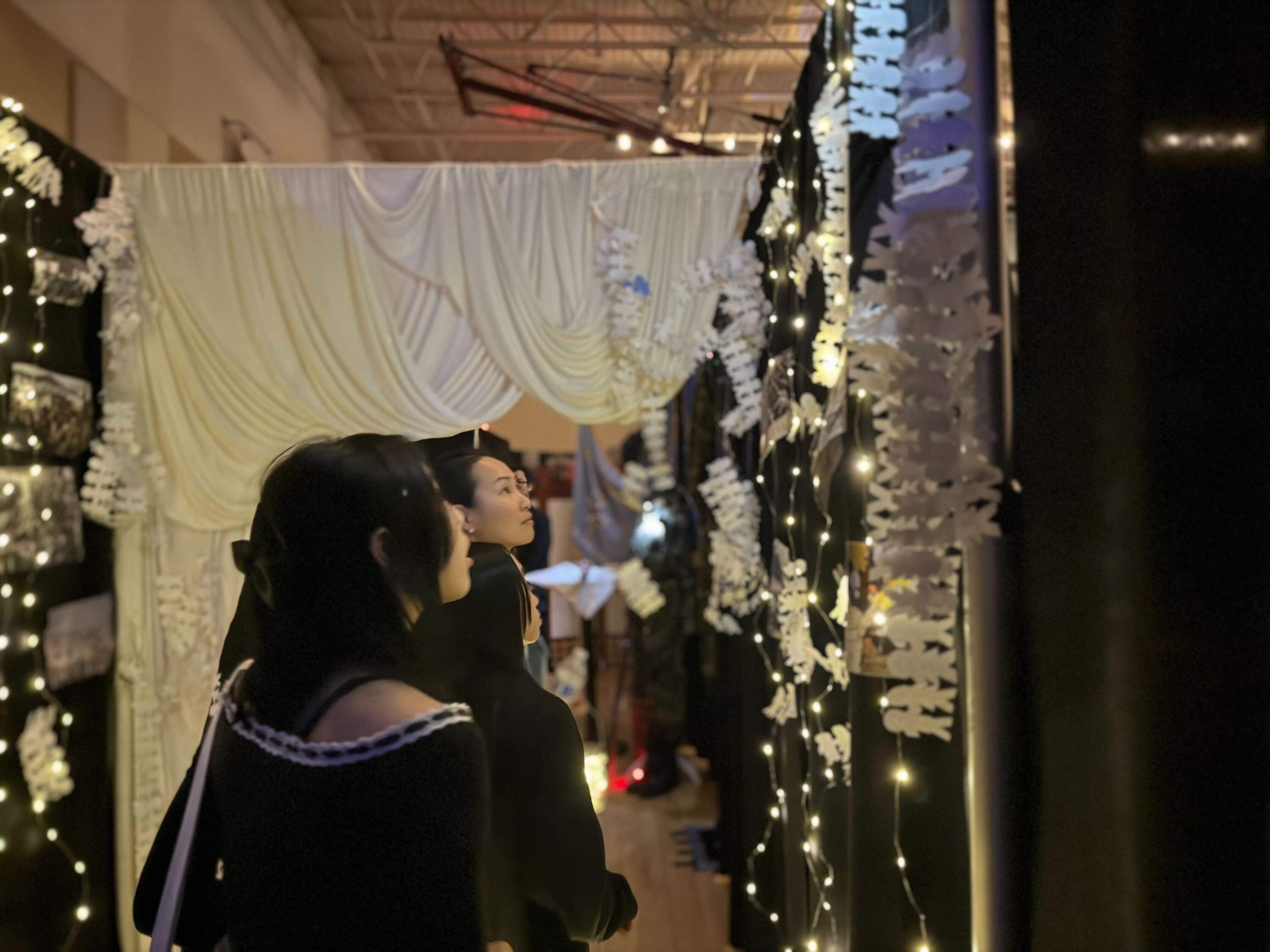
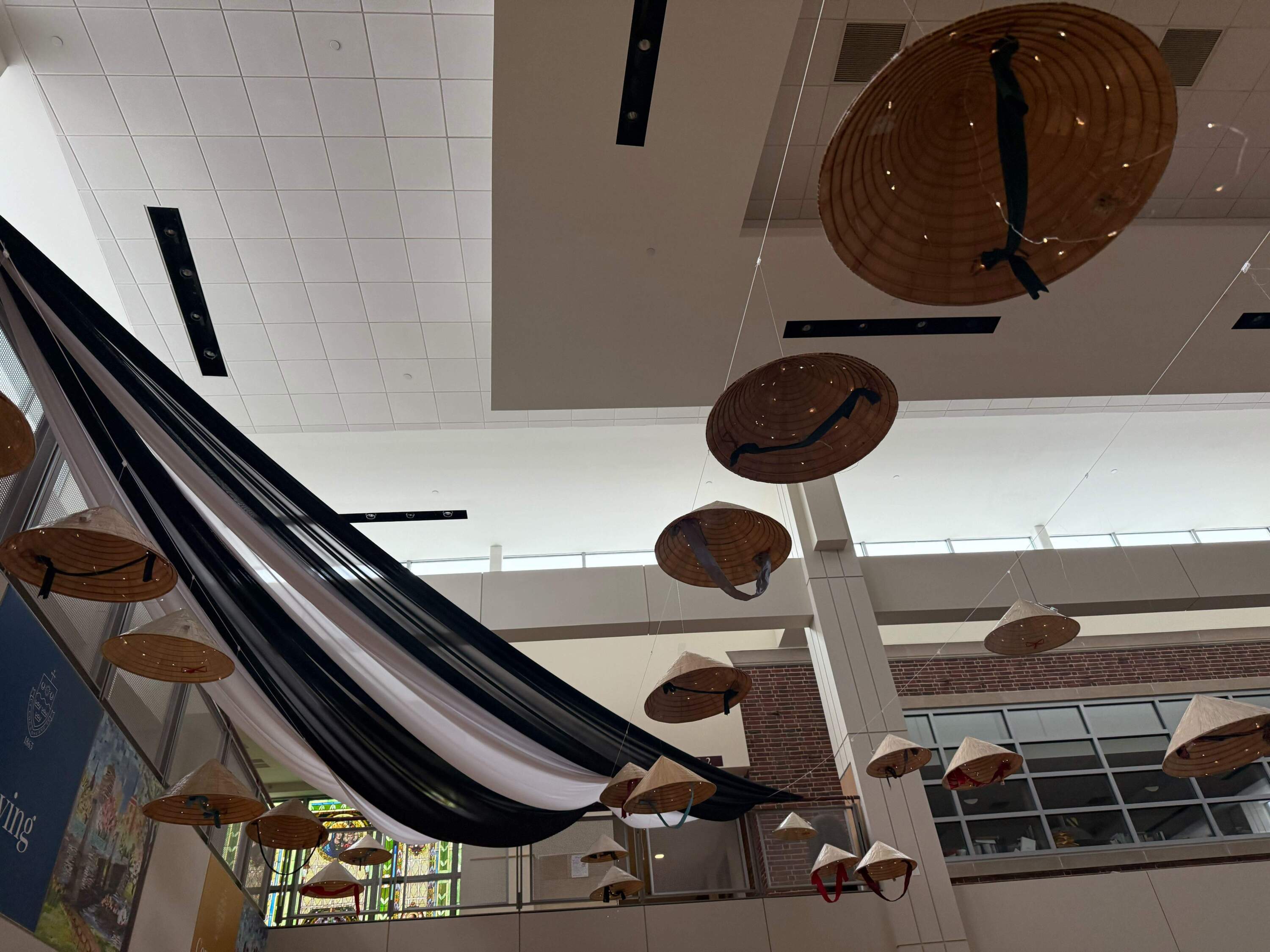
Tran Vu sources some of her own artistic materials and cultural wares from her local grocery store in Little Saigon. She created the altar for the event using Vietnamese conical hats, incense and candles. In Vietnam, this time of year is celebrated as a day of liberation. Outside the communist nation it’s called Black April by Vietnamese refugees.
“ I continue to really work off this idea of how do we define ourselves and amidst the complexity of our society, our culture,” Tran Vu said. “And what we want the stories to be thinking of past, present, and, and future.”
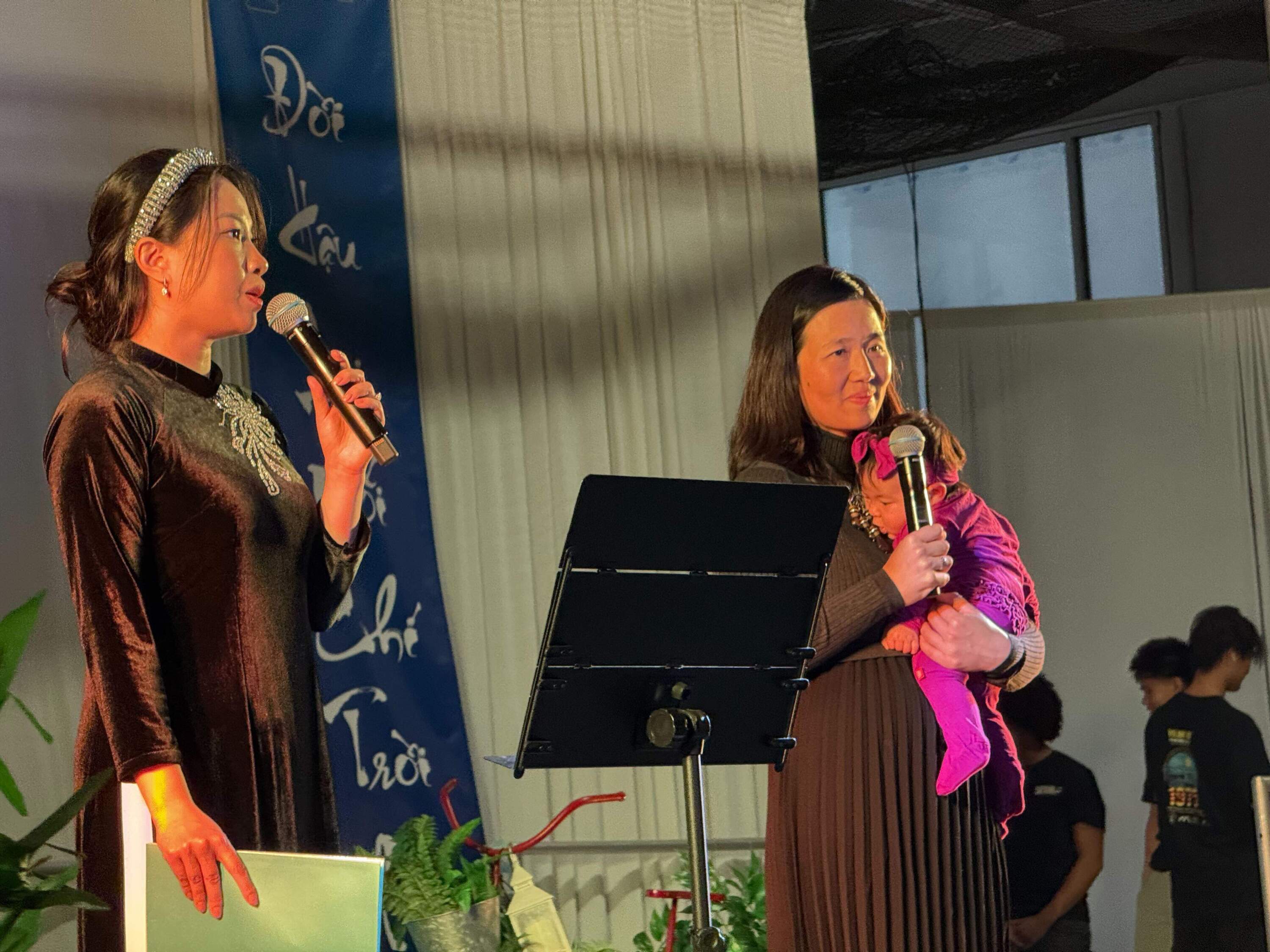
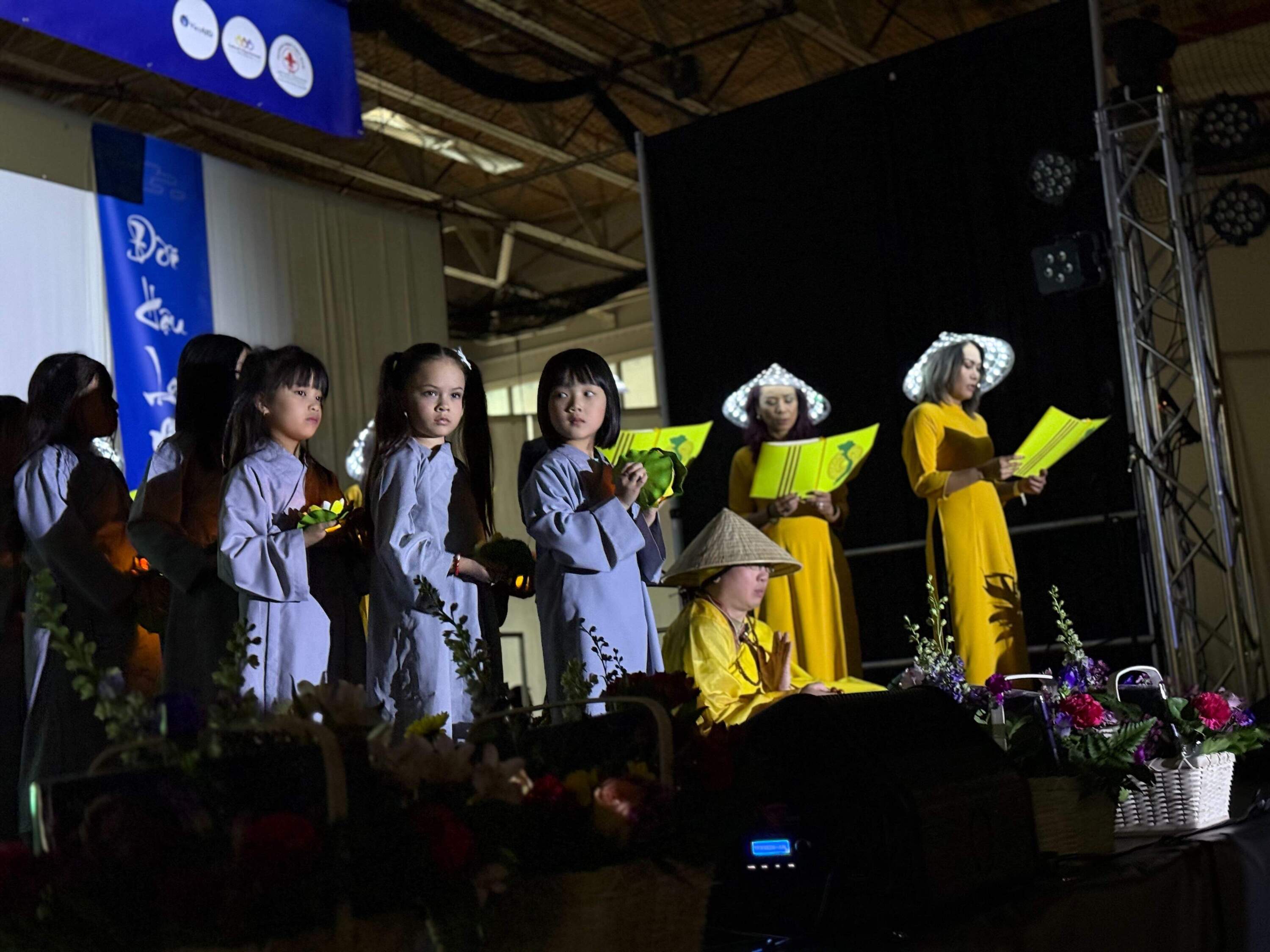
The community processed grief in ceremony and song. Many aspects of the commemoration are intergenerational, led by youth. Inside the program were resources for therapy and support in case anyone needed help managing triggers. Mayor Michelle Wu attended the event and spoke to the crowd while holding her daughter.
“ We know that those roots from Saigon, that have to be ripped up and taken halfway around the world, were still, in many ways,running deep family to family,” Wu said. “And that as that elder generation came to Dorchester, came to Boston, opened businesses, built organizations, made it possible to come together for the next generation and the one after that to grow and to enjoy a life in Boston.”
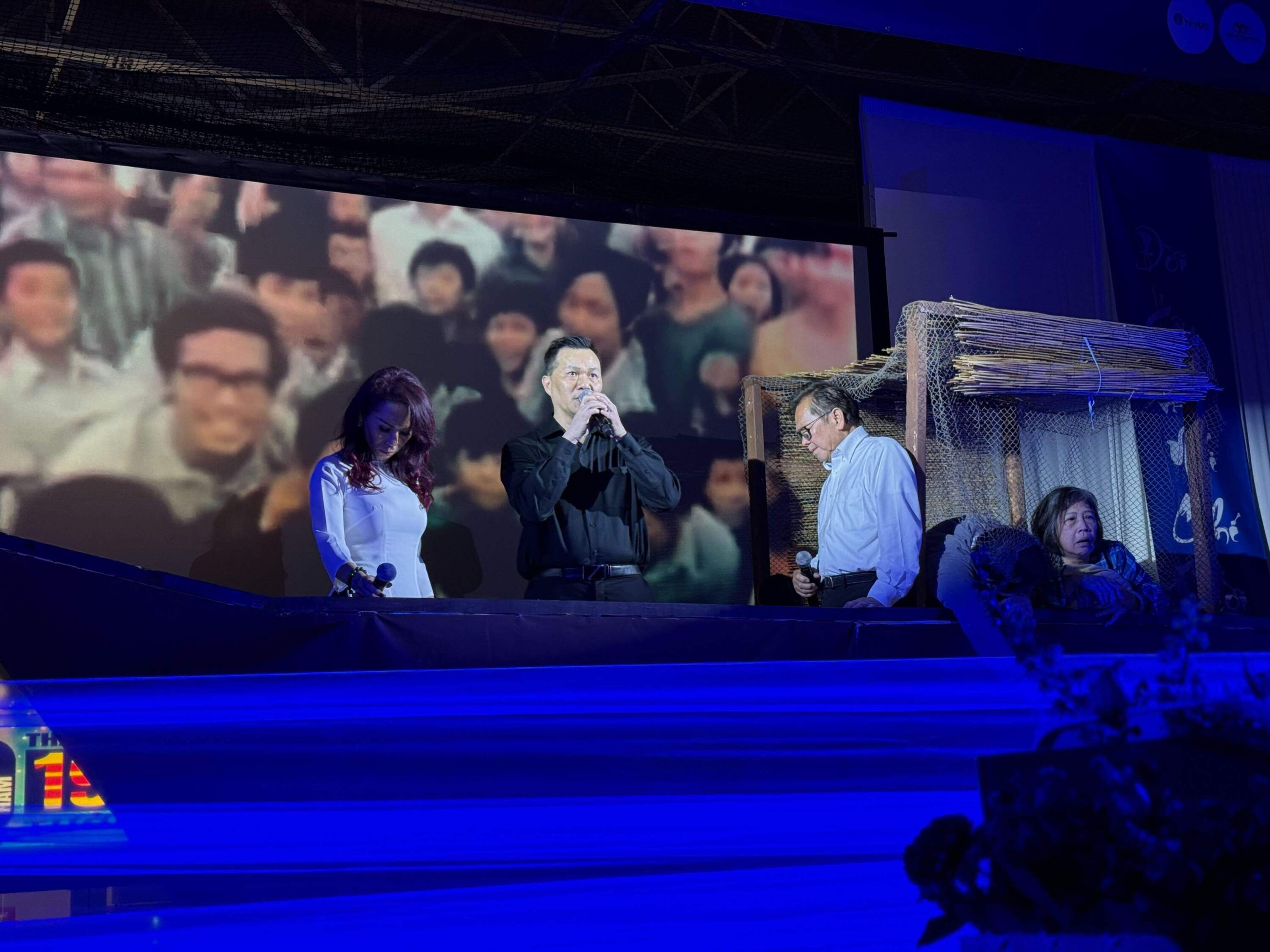
In one poignant moment, singers paid their respects to boat refugees who escaped Vietnam by sea. Khang Nguyen is vice president of the Vietnamese-American Community of Massachusetts. He survived a seven-day boat trip to Thailand at age 14, leaving his family behind. His mother wanted him safe.
The boat was full of children and adults. Nguyen said they almost didn’t make it. He learned to cook, to wash and the community took care of each other. He was there for two and a half years.
Nguyen’s father got him to the United States and they began a tradition. His dad studied electrical engineering at Northeastern and Nguyen followed in his footsteps. He became a software engineer. His son would study bioengineering also at Northeastern. Though he said he never dreamed that he would see his mother again, he prayed about it every night for years. Eventually, he got her to Boston too.
“My generation [is] okay, but my son, my kid didn't know,” Nguyen said. “I want to tell them the history, the price that their parents have paid.”
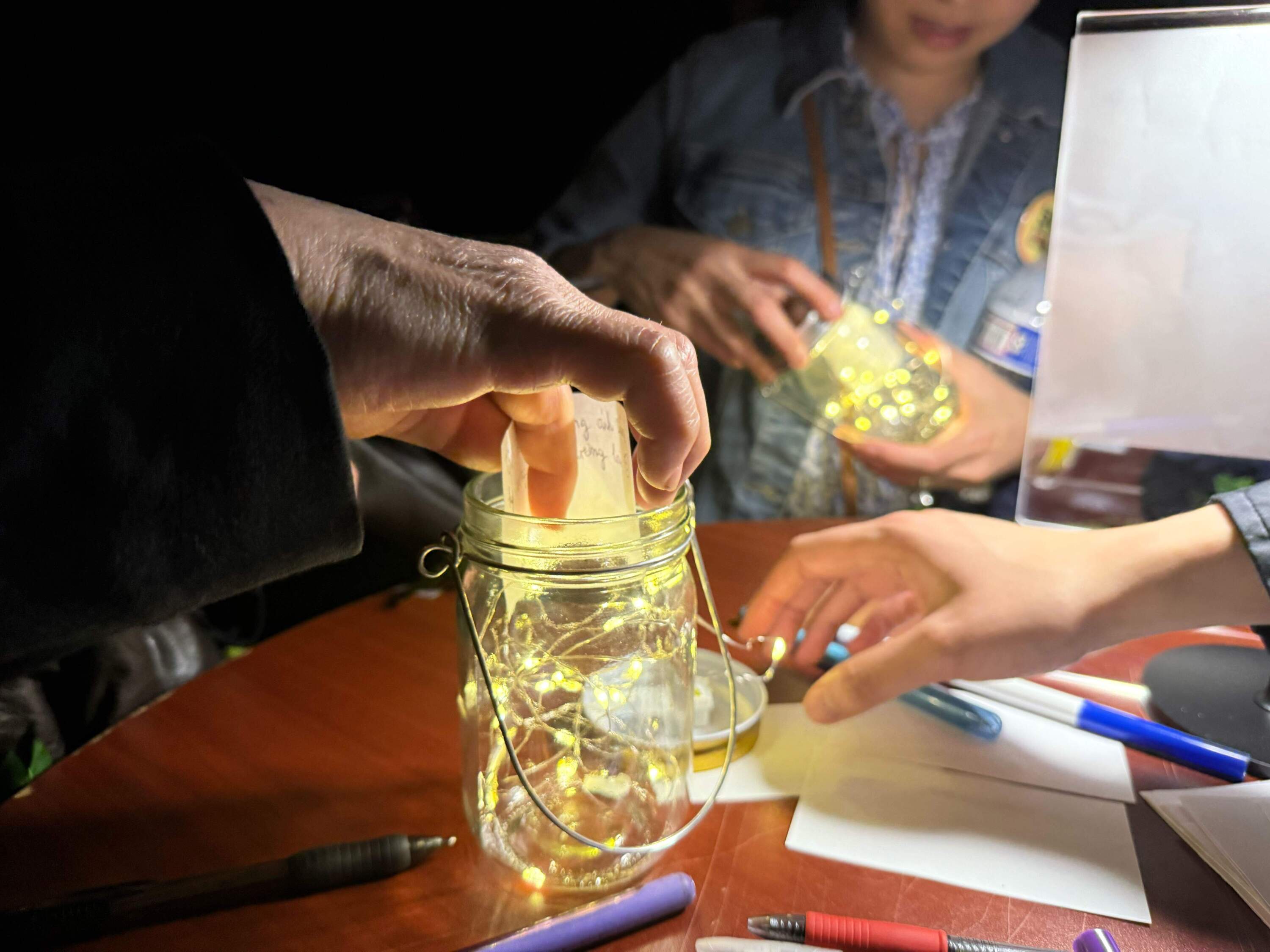
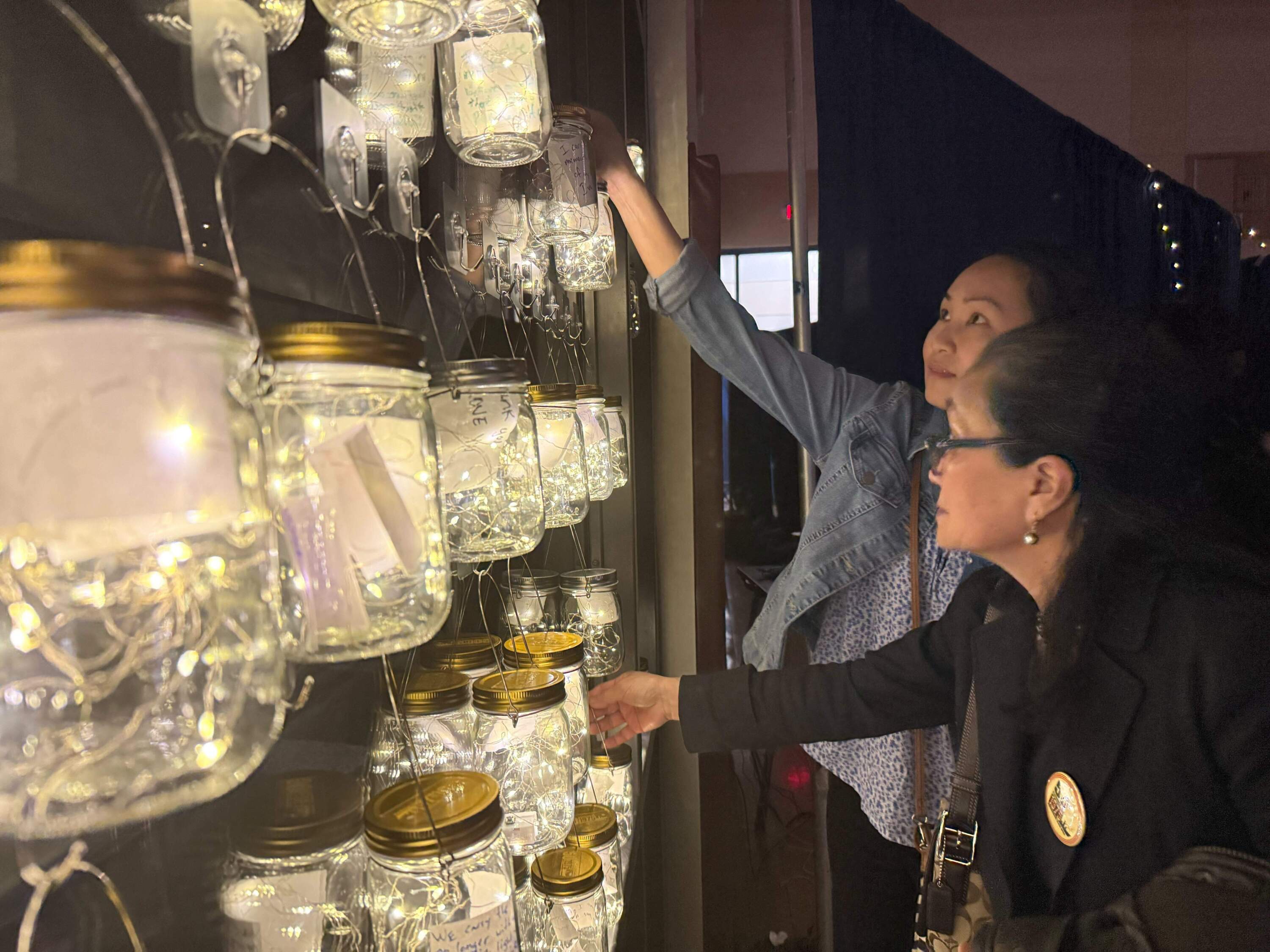
At the end of the exhibit, Vy Vu holds a mason jar with little lights symbolizing the firefly. She writes a note and places it inside the jar and beside theother glowing jars on a wall.
“ There have been dark days, but you know, we are here and we're thriving as a community and we wanna keep moving forward,” Vu said.
Thanh Nguyen has friends she gathers with to talk about what they lived through in Vietnam. They cry together. She points to her right leg. Her knee remains perpetually bent due to carrying so much weight as a girl. After all this time, her body still remembers.
This segment aired on May 2, 2025.