Support WBUR
'Chemical warfare' may stop Maine's degraded kelp forests from recovering, study shows
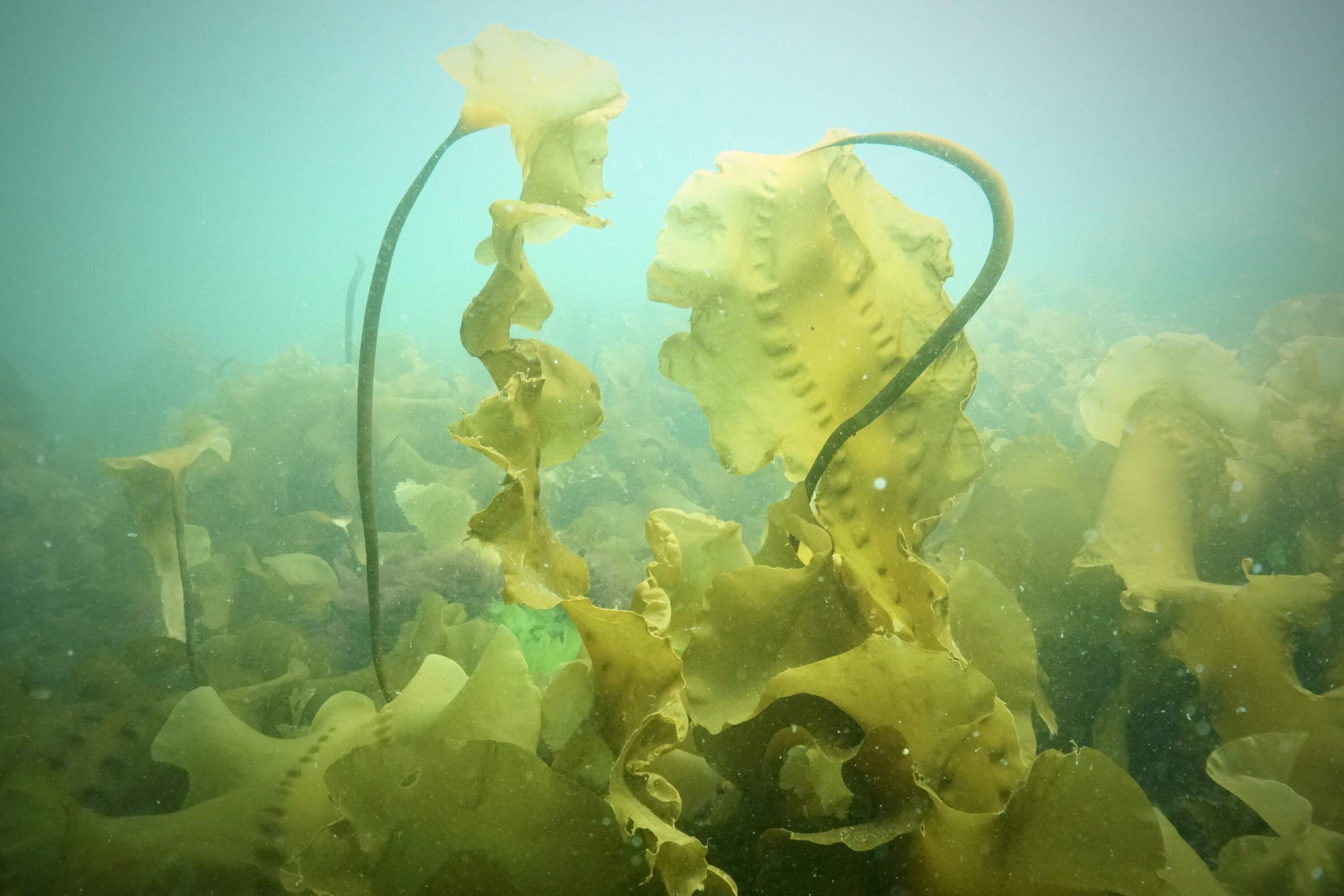
Chemicals released by red algae may be preventing collapsed kelp forests along Maine's southern coast from recovering, a new study finds.
"Once kelp forests are lost, it's really hard to get them back, because of the chemical warfare that we've identified," said study author Douglas Rasher, a senior research scientist at the Bigelow Laboratory for Ocean Sciences in Maine.
Rasher said he hopes the study's findings can assist recovery efforts and motivate conservation of healthy kelp forests, which have been decimated by warming ocean waters caused by climate change. The research was published Thursday in the journal Science.
Kelp forests are a vital ocean ecosystem, offering food and shelter to fish, and absorbing climate-changing carbon dioxide. One study estimated that kelp forests provide billions of dollars in benefits each year globally. That's due to their contributions to fishery health and ecotourism, among other things.
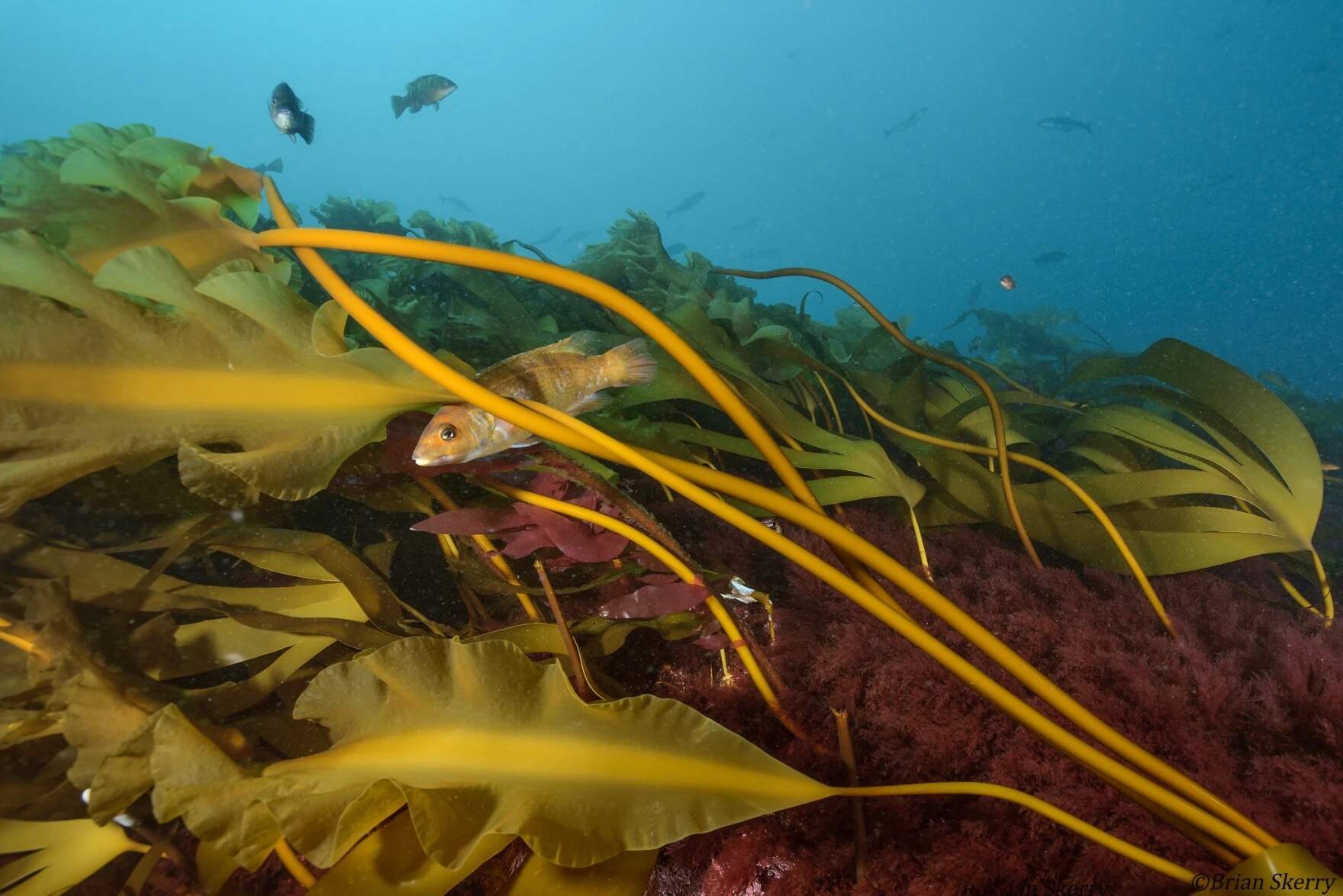
Maine's vast kelp forests lie just off its rocky coast, and once stretched from the state's southern border with New Hampshire up to Canada. But the forests have suffered in recent decades.
In the late 20th century, the population collapse of Atlantic cod and other fish caused a boom of sea urchins, which devoured much of the kelp along the coast. Commercial fishing for sea urchins brought down population numbers, and kelp forests recovered in a few years.
But kelp forests in southern Maine are now declining again, this time in response to a new threat: rapidly rising water temperatures driven by climate change. Previous work by Rasher’s research group confirmed that ocean warming is now the primary cause of kelp forest decline in the Gulf of Maine.
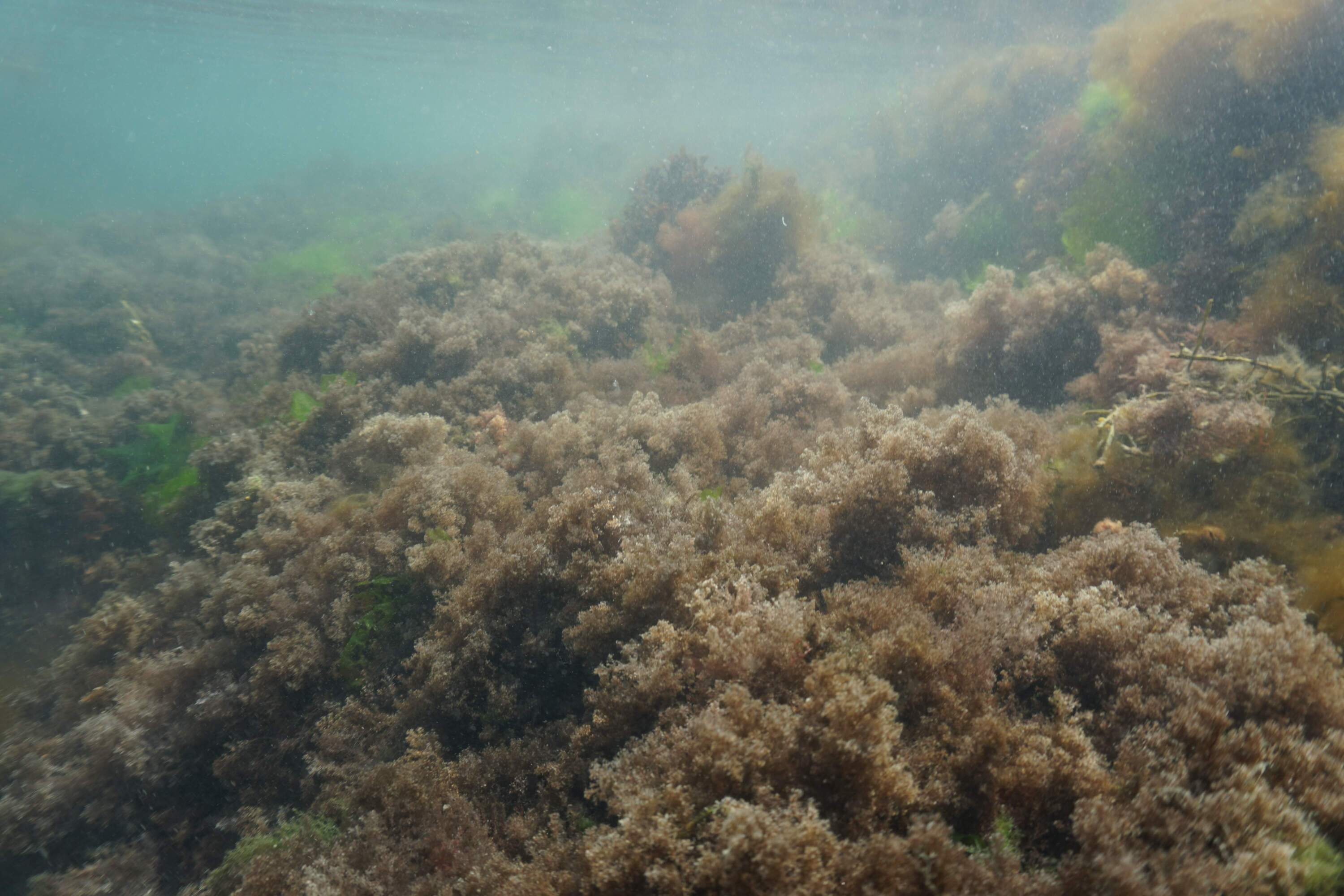
But even during cool spells, kelp forests have failed to recover, often leaving the ecosystem dominated by red "turf algae" that offers little food or shelter to ocean creatures.
In tropical ecosystems, like rainforests and coral reefs, scientists have found that changes in the chemical environment can slow or prevent recovery of desirable species. Rasher's team wondered whether that kind of chemical change could be inhibiting the recovery of Maine's kelp forests, but nobody had studied it before.
"This shift from kelp to turf is relatively new," said Shane Farrell, a graduate student at the University of Maine and lead author on the new study. "We're still beginning to answer a lot of these foundational questions that have been asked and answered in, say, the coral reef ecosystem."
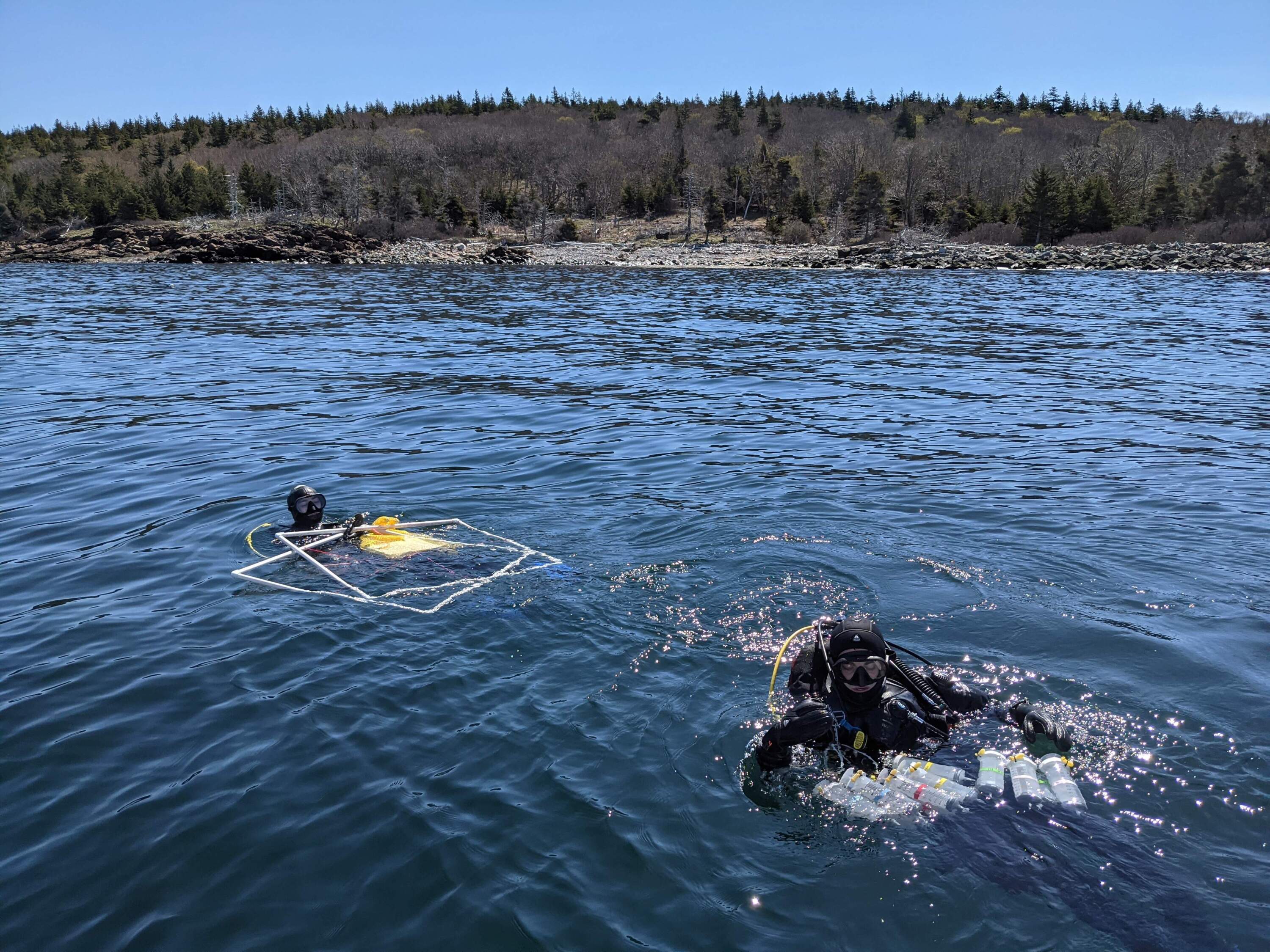
Farrell and his colleagues surveyed kelp across the Gulf of Maine, documenting a pattern of new kelp struggling to survive in southern Maine where forests had collapsed. During those surveys, the team collected water and seaweed samples for chemical analysis.
In the lab, researchers identified the chemicals released by the five most abundant species of turf algae, then tested the chemicals' effects on gametophytes, an early life stage of kelp. The experiments showed that the chemicals dramatically decreased gametophyte survival — up to 500% in some cases.
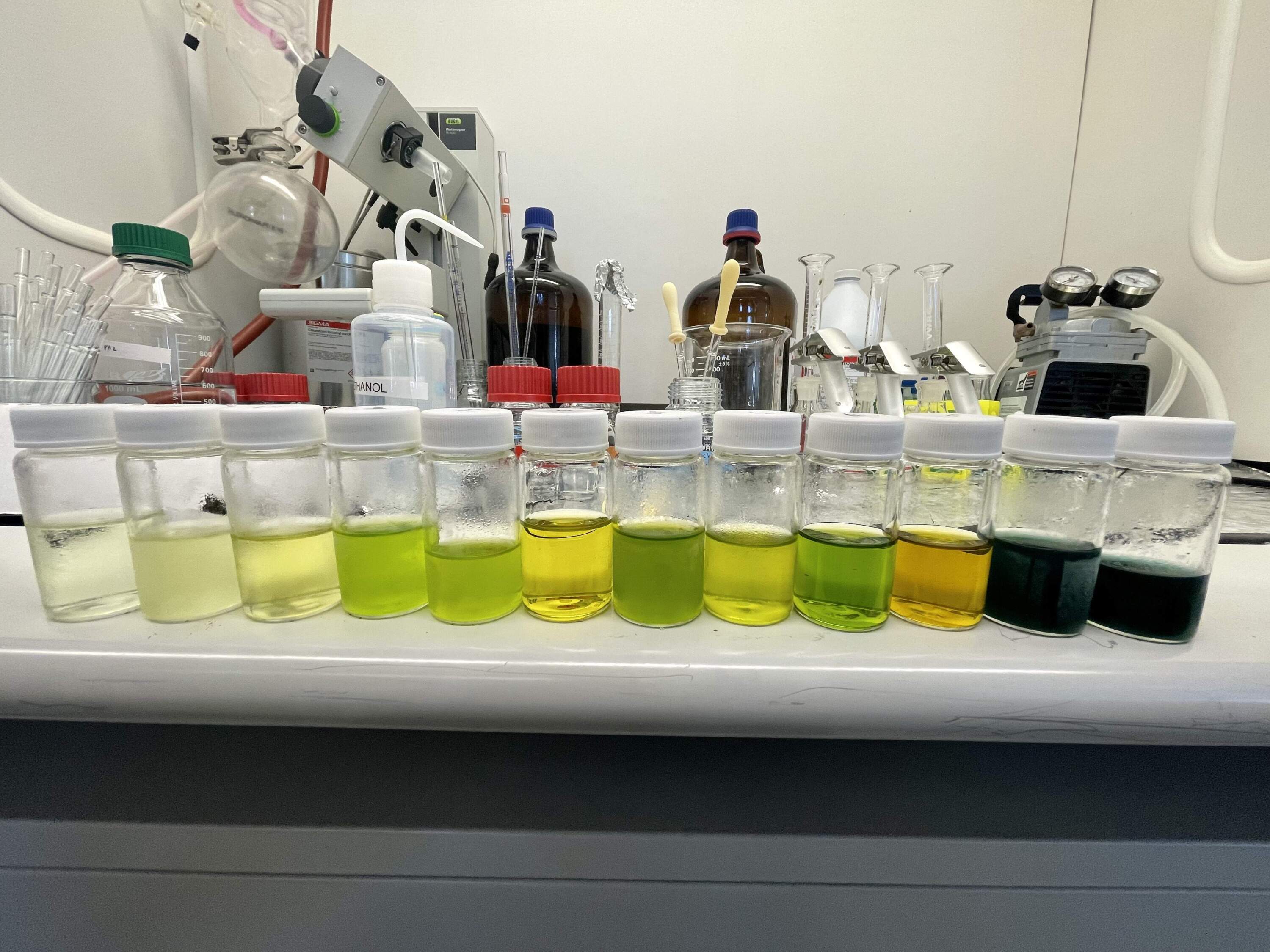
"It's really a one-two punch with these warming waters causing the collapse of kelp and the proliferation of these red algae," Farrell said. "Once these red algae take over through this chemical warfare, that limits their recovery and the resilience of the reef."
The findings suggest that helping kelp recover may be more challenging than previously thought, Rasher said. Not only do humans have to curb carbon emissions to slow or reverse ocean warming, scientists will also have to find ways to curb these chemical interactions.
Randall Hughes, a marine biologist at Northeastern University who was not involved in the research, said the study "makes a compelling case" that these chemicals may be adding to the challenge of kelp recovery.
" There's a lot of concern about the loss of kelp forest, not just in this region, but worldwide," Randall said. She added that some areas, like California, have ambitious plans to restore kelp forests.
"This study, and the mechanisms that it shows, could be important to those restoration efforts," she said, "because if they don't work, then something like this may be playing a role."
On a hopeful note, the research helps provide "a roadmap to restoration and recovery when the timing is right," Rasher said.
And "the glass-half-full perspective is that we still do have kelp forests throughout the northern half of our state," he added. "So this study should also be motivation to manage and conserve the remaining kelp forest that we do have."