Support WBUR
Showing pride as a queer immigrant in Boston
Editor's note: This story is an excerpt from WBUR's weekly arts and culture newsletter, The ARTery. If you like what you read and want it in your inbox, sign up here.
For some queer immigrants, a life in the United States is an opportunity to live openly. That reality is much more fraught with the current administration. To be queer and an immigrant is to navigate a battle on two fronts.
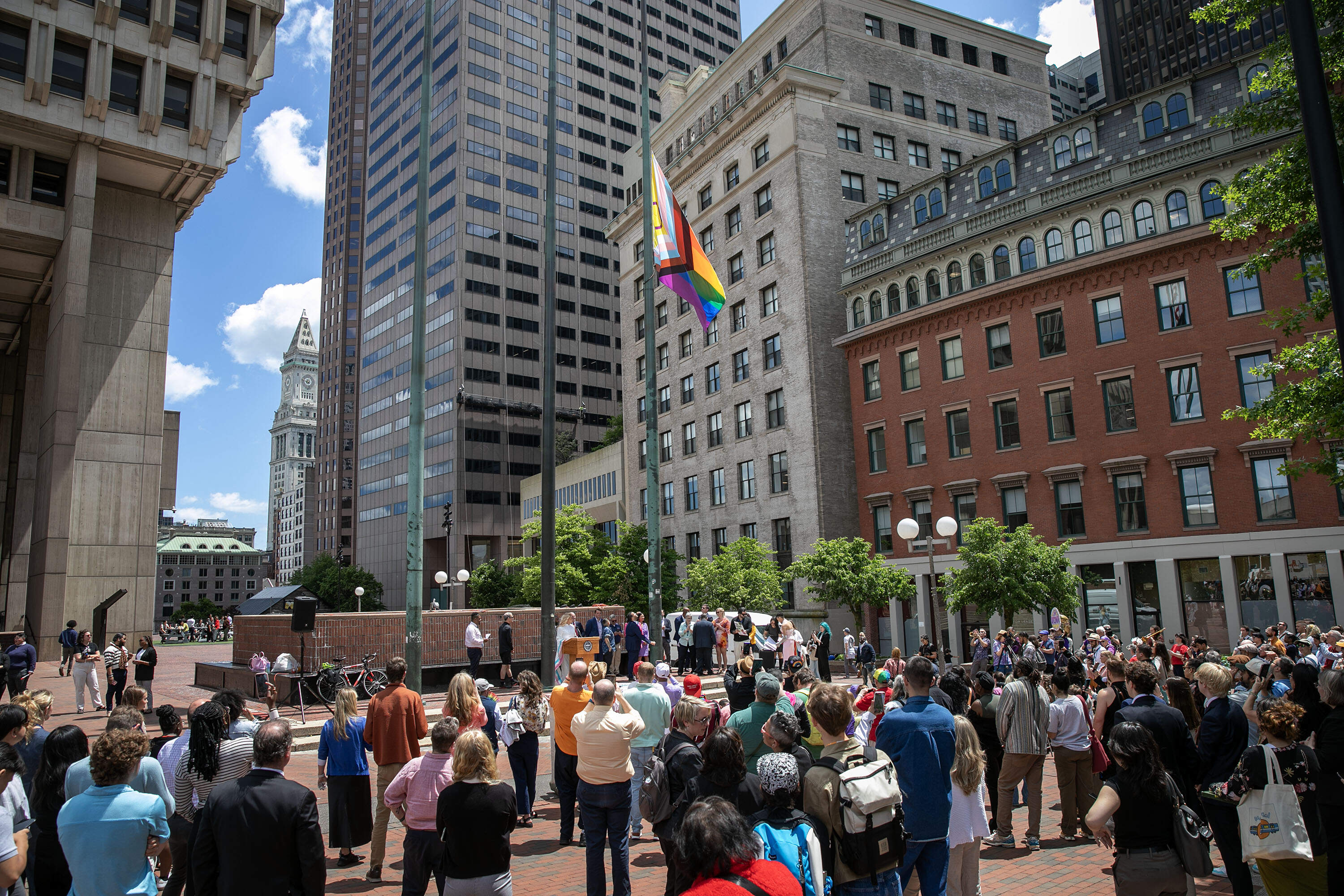
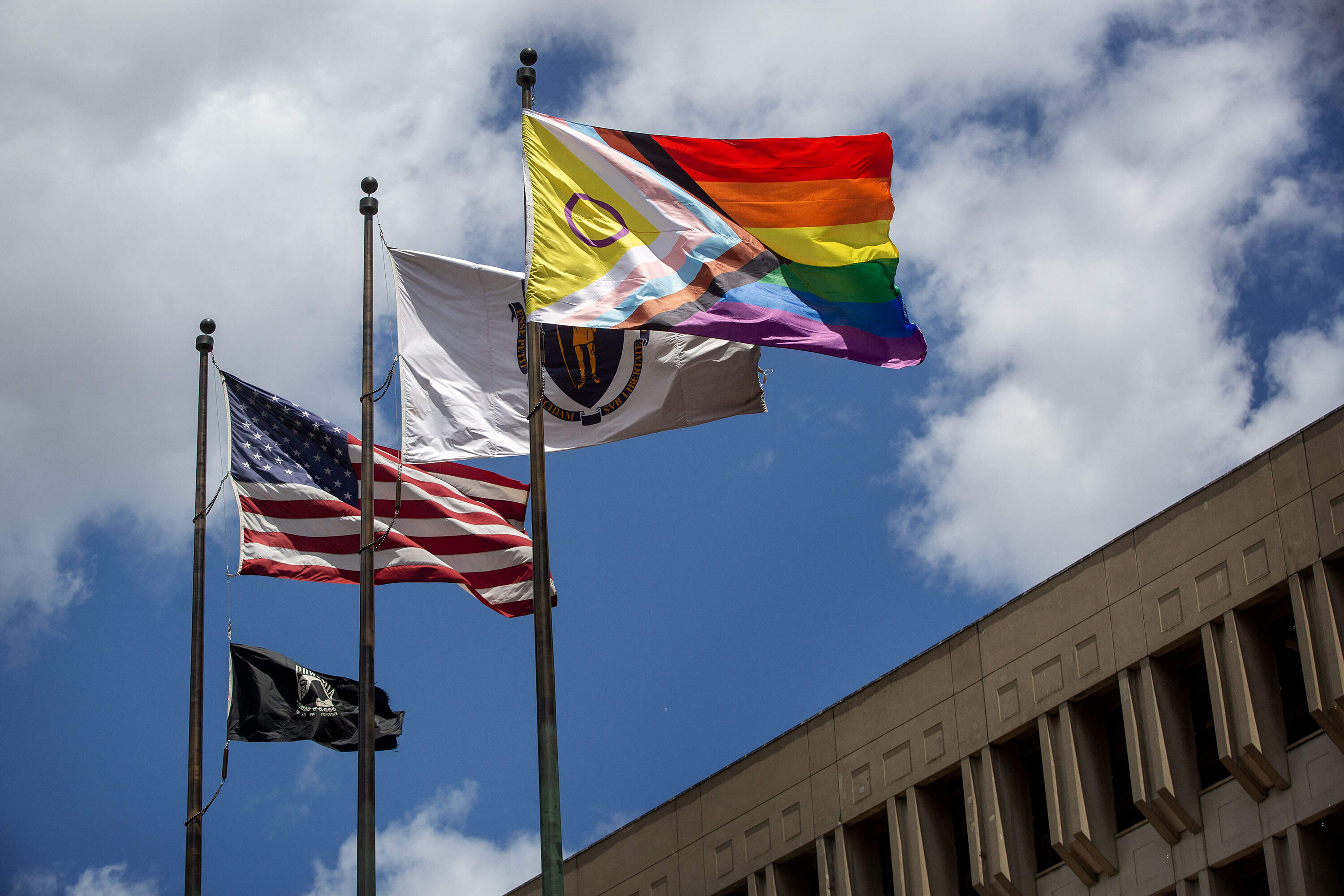
In early June, Boston kicked off Pride month with its annual flag-raising ceremony at City Hall Plaza. Drag performers and queer activists celebrated the moment.
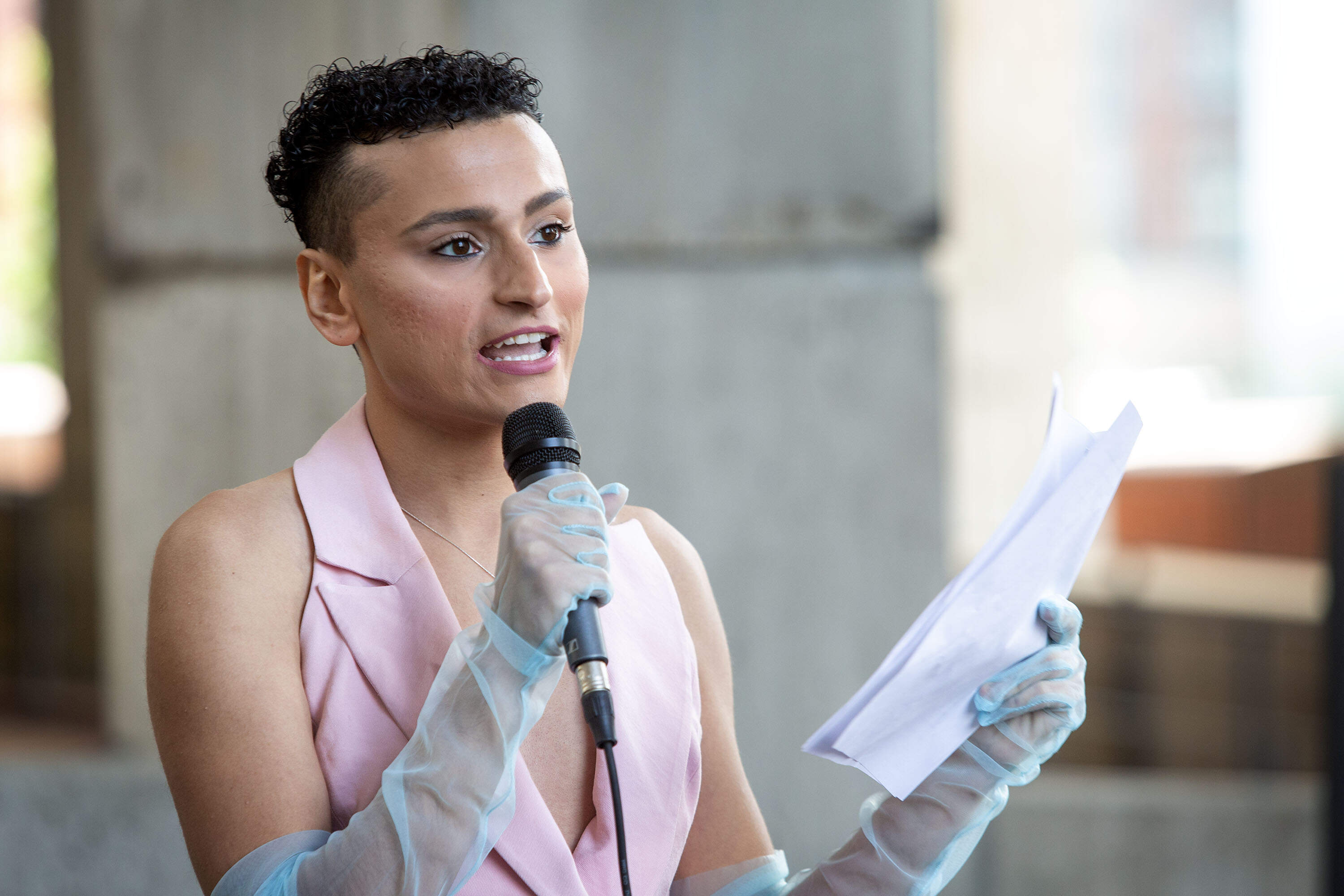
Among them was activist Muhammad Burhan, wearing a soft pink dress with sheer blue gloves, the colors of the transgender flag. They were invited to speak at the event and delivered their message with urgency. Like their life in the U.S., and their safety, depended on it.
“ They told me if I crossed oceans, if I excelled, if I spoke softly enough and fought loudly enough, I could finally rest,” they said. “Instead, they handed me a ticking clock, a visa that could vanish any day and called it opportunity.”
The sole provider for their family in Pakistan, Burhan arrived in the U.S. in 2017 with a full-ride to Dickinson College in Pennsylvania and completed eight internships in that time. But during the pandemic, they realized two things: they were absolutely exhausted and living a lie.
“All I ever wanted was to live, to breathe without apology, to live without borders, to wear my black rhinestones sari, my silver jewelry, my six-inch heels, and simply exist in the full fire of who I am without the cost of my dreams and my career,” they said.
Pride in Boston is special for Burhan. It was their first Pride celebration, a place they could embody their full self as a nonbinary and Pakistani person. They began sharing this coming out journey, dressing in fabulous outfits and cultivating a massive following on social media. When Burhan came out, their parents back home in Pakistan were spit on in the street.
“ There were people on my dad's side of the family that told me if I stepped foot into that village, because I've defamed the whole family, I deserve to die,” they said. “That my father is not a man because my father hasn't killed me.”
Their parents eventually came around, doing their best to support their child from afar. Burhan found solidarity with other queer immigrants, activists, and entrepreneurs in Boston. They’ve become a community leader, currently serving as the director of DEI at Stonewall Sports Boston and on the Mass Humanities board of directors. They were previously a member of the city’s 2024 Immigrants Lead Boston program.
After hiding for so long, Burhan is determined to create a better world. This political moment fomented a special kind of connection among queer immigrants — an understanding forged from feeling like, despite all of their contributions, they could still be deported without a second thought. And that threat weighs heavily on Dara Shakhanava, who immigrated from Belarus five years ago.
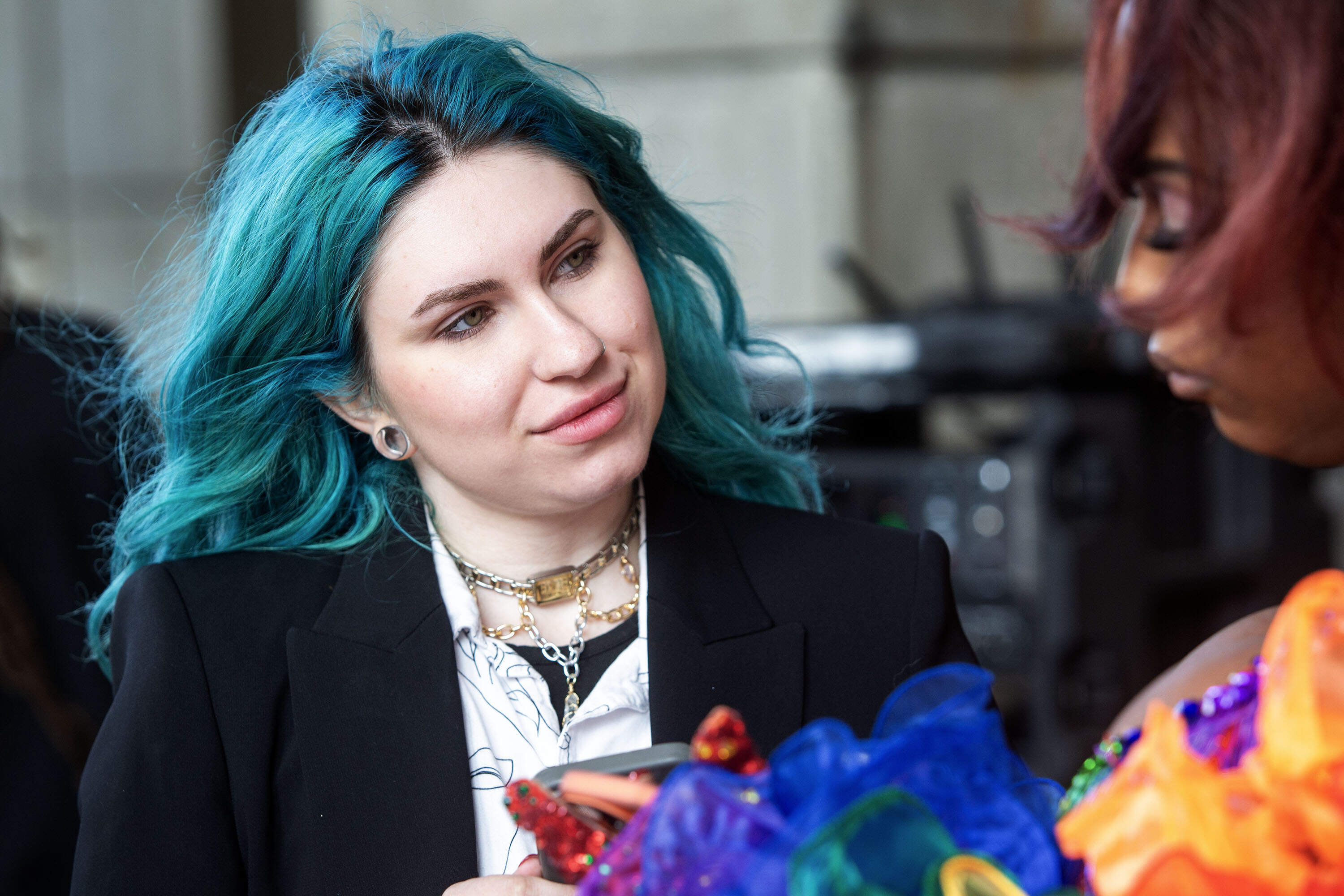
“Unfortunately, lately, I don't feel as comfortable or as free because I'm an immigrant,” she said. “I have to take steps and actions like giving my friends copies of my green card anytime I travel or go somewhere where there could be ICE.”
Shakhanava and her friends in Belarus used to call the U.S. a “queer wonderland.” She doesn’t say that anymore. At least, she can hold her girlfriend’s hand without fear of being attacked. But lately, she feels some of the same fear creeping back with news of more federal immigration raids. It reminds her of the police raids of LGBTQ+ spaces back home.
“They want us to hide, and I'm not doing that,” she said. “I did that back home. I was in the closet. I had to text people when there's a queer party and check if it was the police coming in and deal with raids and all of that. And I'm not doing that anymore.”
In several instances, immigration officials have arrested and detained people with legal documents as well as folks who are undocumented and without criminal records, like 18-year-old Milford high school student Marcelo Gomes da Silva, and Tufts University student Rümeysa Öztürk, both recently released.
Andry José Hernández Romero, a gay, Venezuelan make-up artist, was among those deported to a mega-prison in El Salvador. He was seeking asylum in the U.S. after facing persecution for his sexual orientation.
The theme of Boston Pride 4 the People is “Here to Stay.” It coincides with the launch of Boston’s “City of Belonging” campaign.
“ I think it's really important that we come together to break the isolation,” said Monique Tú Nguyen, executive director of the Mayor’s Office for Immigrant Advancement of the LGBTQ+ and immigrant community. “See that we're not alone in this, and that we have shared potential for power to resist the forces that make us want us to be invisibilized.”
Joan Ilacqua, executive director of The History Project, said there is a long history of intersectional queer immigrant groups creating their own spaces, like Lesbianas Latinas, or Lesbian Latinas, which formed in Boston in the late 1980s. This social group of women celebrated their culture and their queer identity.
“ Pride is a commemoration of a riot against police, against authority trying to legislate the lived experiences of people. We're seeing that now happening all over the country,” she said. “We have an opportunity to do more than celebrate.”
For Obbi Fenix, this means community organizing. In 2013, they had 24 hours to flee El Salvador after being threatened by local gangs. Since settling in Boston, Fenix created a collective of queer immigrants from Latin America. Many attended their first Pride parade last year. But this year is harder, with some telling Fenix they’re too afraid to march.
“ Y pues aquí estoy, aquí estoy. Nunca pensé estar siendo una persona que la gente puede confiar,” Fenix said.
In English: “And well, here I am. I never thought I’d be someone that people could confide in.”
Fenix said they will once again shepherd their collective and march in Saturday’s pride parade. No fancy floats or sponsorships. But they will show up, to send the message they’re here, and they’re fighting to stay.
This article was originally published on June 12, 2025.
This segment aired on June 13, 2025.