Support WBUR
REVIEW
'Spinal Tap II' turns down the volume
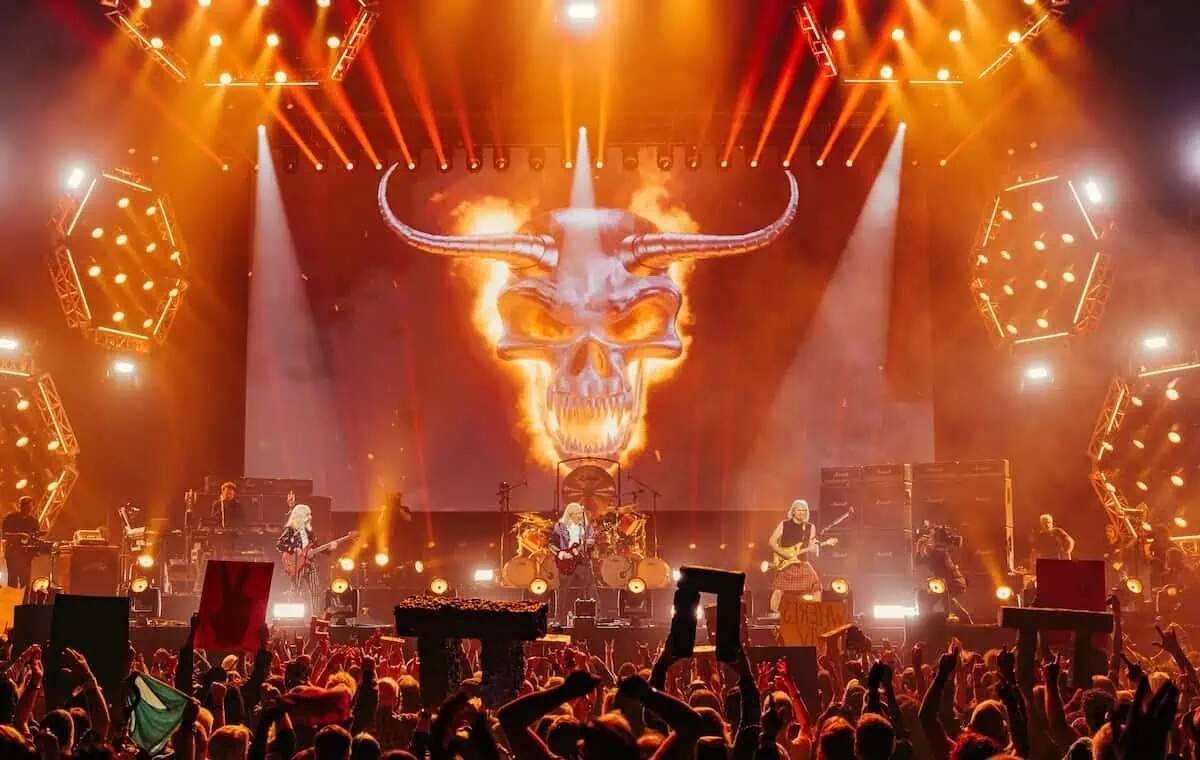
The dire, decades-later sequel “Spinal Tap II: The End Continues” calls to mind a throwaway gag from the original mockumentary, “This is Spinal Tap,” citing a critic’s two-word review of the fictional band’s underwhelming album, “Shark Sandwich.” Said joke is unprintable here, but like most lines in Rob Reiner’s 1984 masterpiece, it’s burned into the memories of rock fans and comedy nerds who revere the film as a sacred text. One of the most quotable movies ever made, “Spinal Tap” chronicled the disastrous final tour of a dim-bulb heavy metal band slipping into obscurity, downsizing from arenas to air force bases and theme parks where they’re second-billed to puppet shows. The film was so brutally accurate about the indignities of the music industry and tensions of life on the road, Aerosmith’s Steven Tyler famously didn’t realize he was watching a comedy.
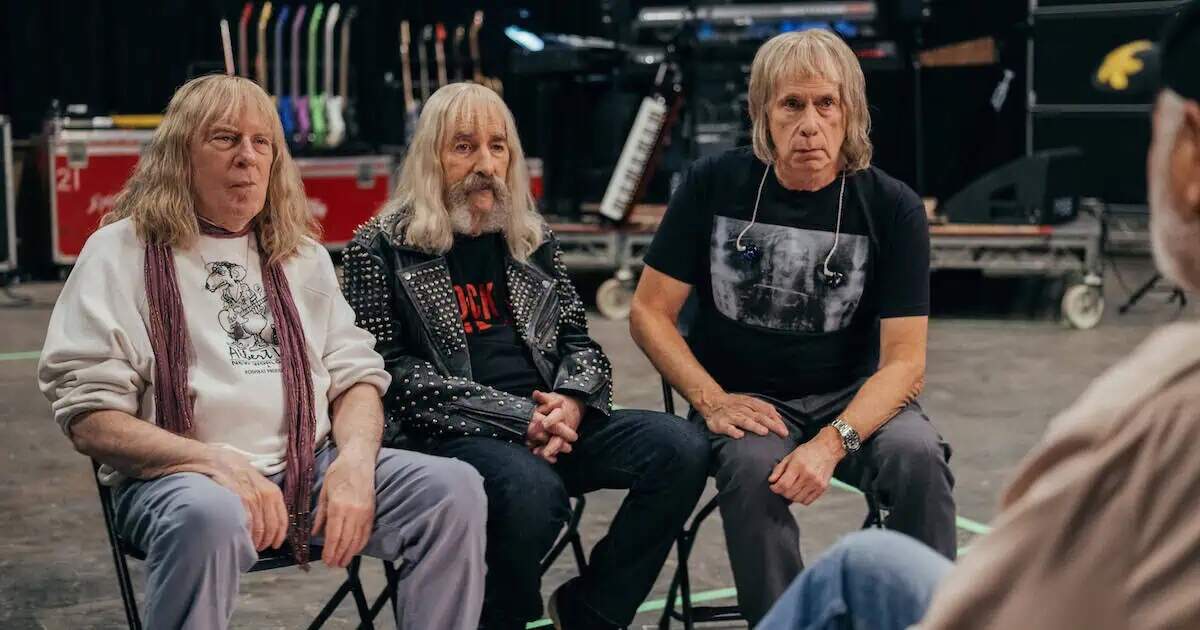
No matter that the movie is a cult classic canonized by the Criterion Collection and required viewing on musicians’ tour buses to this day, Reiner and his co-writers/co-stars Christopher Guest, Michael McKean and Harry Shearer claim they never made any money from the picture. Shearer has spent the past several years in court wrestling ownership of the property back to its creators. This might explain why “Spinal Tap II: The End Continues” wheezes onscreen with such a slack, valedictory aura; it’s a movie made not because anybody involved had anything new or urgent to say, but merely because they could make it. Steven Tyler might not realize this one’s a comedy because it isn’t very funny.
Lord knows, there’s plenty of material to be mined from the rock n’ roll gerontocracy. (Last month, The Who brought their most recent farewell tour to Fenway Park. Their first was in 1982.) But despite a semi-amusing new composition by Shearer’s bassist Derek Smalls called “Rockin’ in the Urn,” this lazy sequel is content to play the hits, literally. A huge amount of the 83-minute running time is the band bickering in a New Orleans rehearsal space, running through songs from the first film’s soundtrack and their significantly less humorous, though brilliantly titled, 1992 reunion album, “Break Like the Wind.”
The wisp of a plotline finds the feuding rockers forced to reunite for a contractually obligated reunion concert, despite the fact that they haven’t spoken in 15 years. The reason for their breakup is an especially unsatisfying secret that’s dragged out for most of the movie and then waved away as soon as it’s revealed. The whole setup is just a flimsy excuse to bring in rock royalty cameos from the likes of Paul McCartney and Elton John, both being good sports while playing themselves as Spinal Tap superfans. This might sound clever in theory, but it makes no sense within the comic universe that the first picture so carefully constructed.
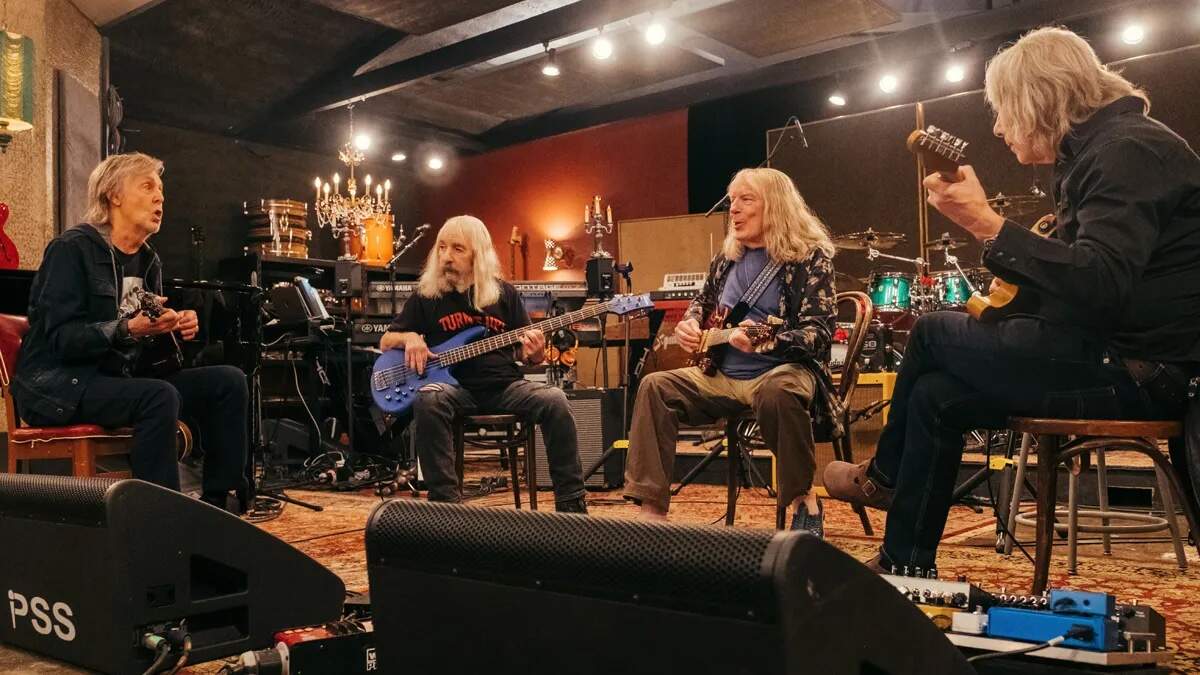
McCartney waxing rhapsodic about the lyrics to “Big Bottom,” citing the brilliance of the “flesh tuxedo” and “pink torpedo” metaphors is good for a cheap chuckle. (He isn’t entirely wrong: “Big Bottom” was my go-to song back whenever I was drunk enough to do karaoke, and I still have vague memories of a blurry night at Kings when an angry bachelorette party thought I was singing it about the bride-to-be.) But a Beatle praising these nitwits as musical geniuses undoes all the verisimilitude that made the first film so special. It’s just being silly with celebrity guest stars. What made “This is Spinal Tap” achingly hilarious was the gap between the band’s grandiose posturing and their increasingly low-rent circumstances. You can’t pull off that joke when Sir Elton is fawning all over you.
The original film was a model of storytelling concision, ruthlessly whittled by Reiner and his editors from an improv-heavy, four-hour assembly edit down to a diamond-hard 82 minutes. “The End Continues” feels like a filmed brainstorming session, flabby and full of undeveloped false starts like the band’s young lesbian drummer (Valerie Franco) and a contemptuous publicist (Chris Addison) who thinks it could help ticket sales if one of the members croaks onstage. Addison has strong timing and might have made a good antagonist if the film had any interest in engaging with the realities of today’s music business. But instead he abruptly exits the movie as if the actor suddenly remembered he had somewhere else to be that afternoon.
“Spinal Tap II” was not screened in advance for local critics, and the distributor spent weeks refusing to acknowledge my inquiries about the film. I wound up paying to see it at a largely unattended “fan event” screening in a cavernous IMAX theater where the jokes echoed across the rows of empty seats, recalling one of the most brutally funny scenes from the first film. All they needed was a “Puppet Show and Spinal Tap” sign on the marquee.
“Spinal Tap II: The End Continues” is now in theaters.