Support WBUR
Ben Shattuck on 'The History of Sound,' his first film and folk music
Editor's note: This story is an excerpt from WBUR's weekly arts and culture newsletter, The ARTery. If you like what you read and want it in your inbox, sign up here.
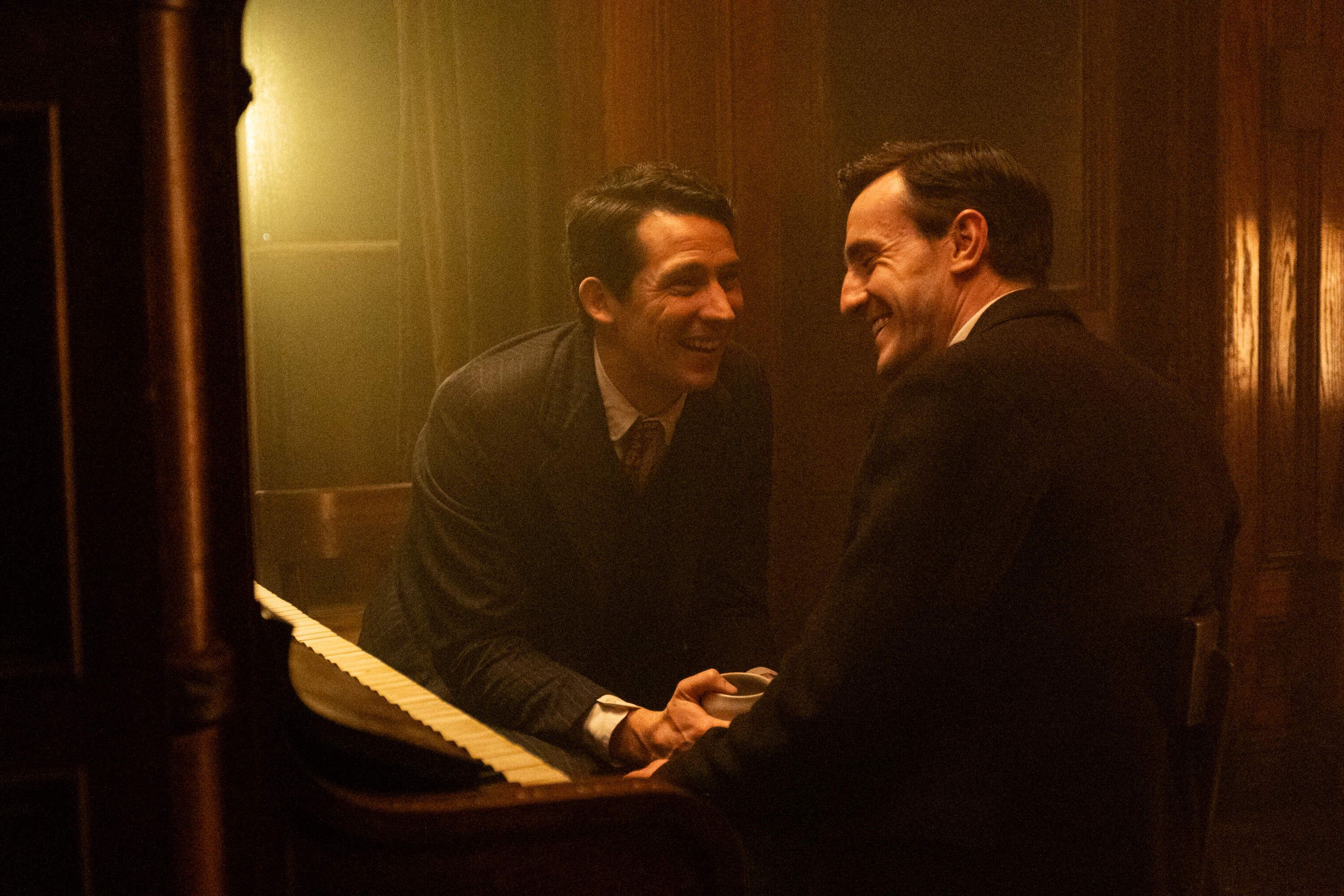
A queer romance film starring Paul Mescal and Josh O’Connor releases in theaters this Friday. “The History of Sound” is adapted from South Dartmouth, Massachusetts native Ben Shattuck’s title story in his short story collection of the same name.
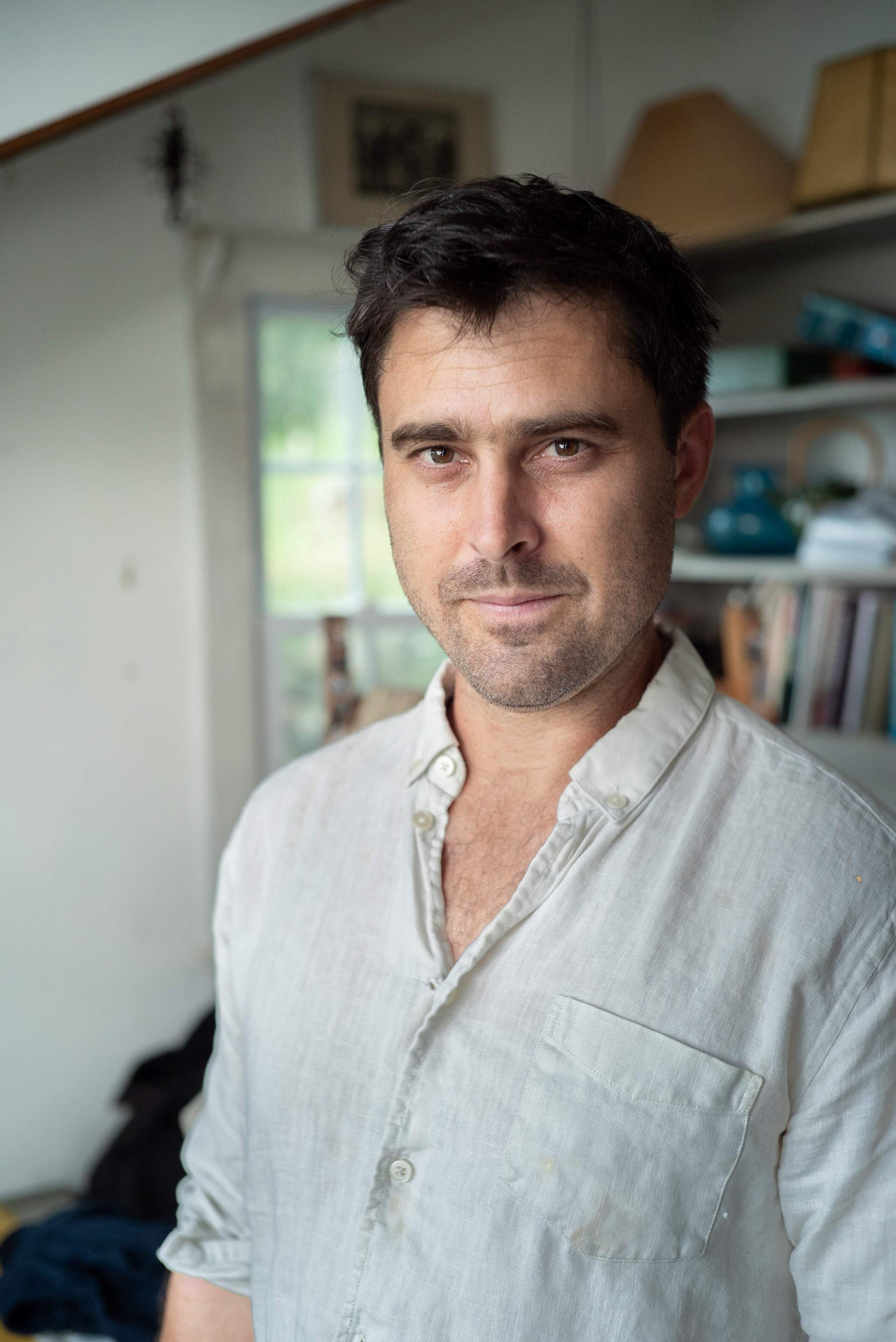
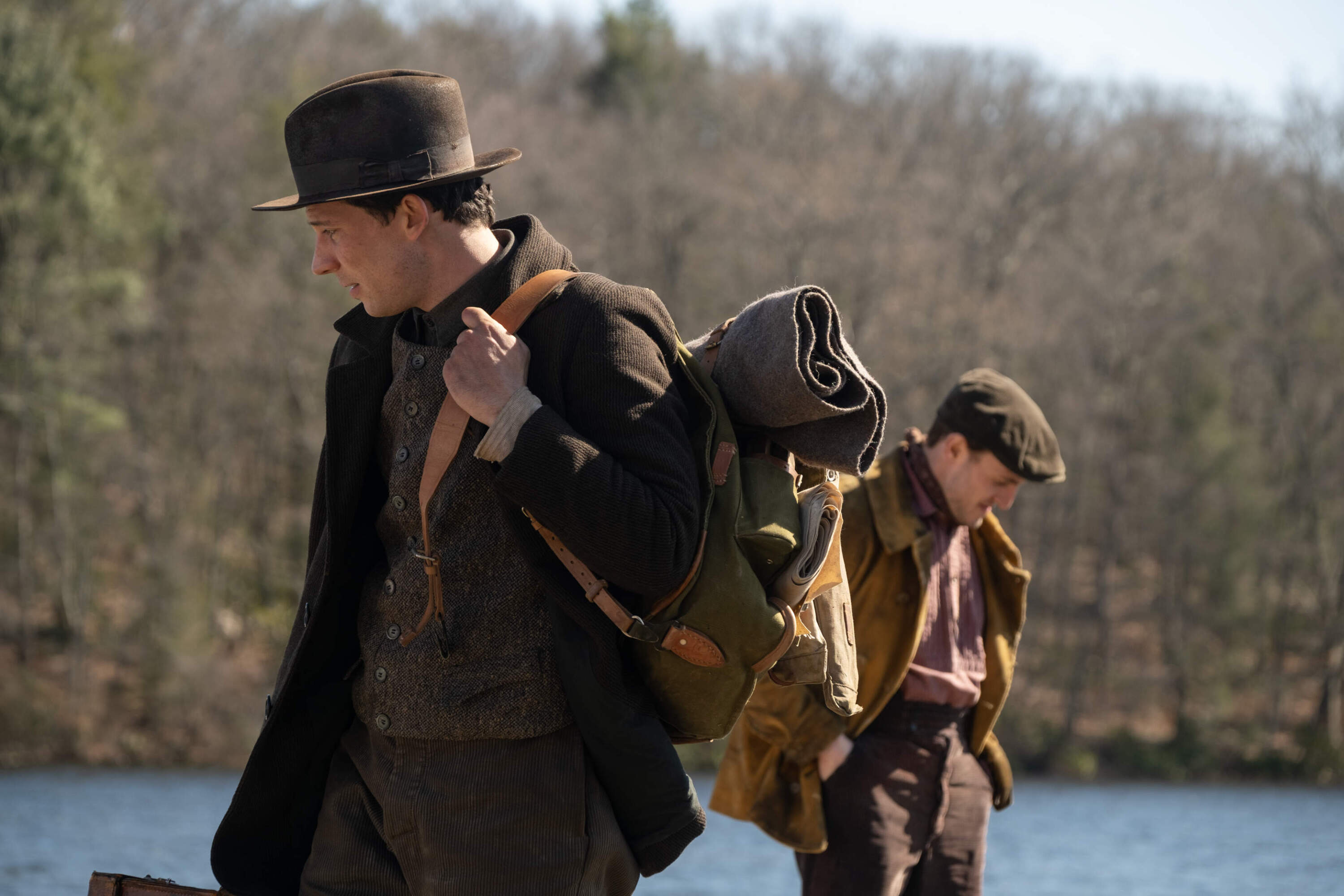
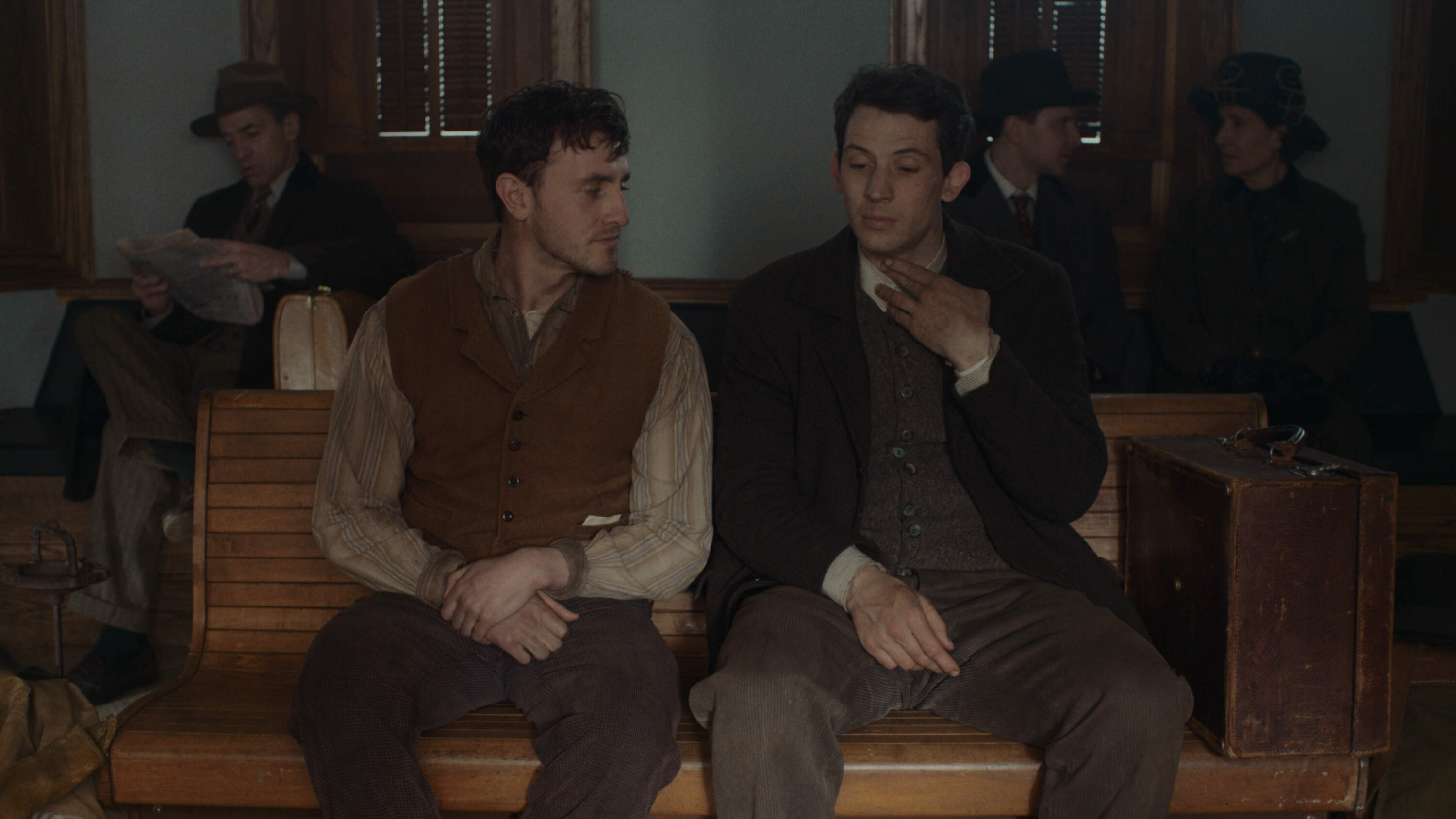
Shattuck wrote the screenplay for the film, which is set in the early 1900s and follows Boston music students Lionel (Mescal) and David (O’Connor) as they begin a relationship and eventually traverse Maine to record folk songs. Their romance is short-lived, however, and the film recounts Lionel’s life in the aftermath of such a powerful period.
The story was first published in an Amherst College literary magazine in 2018, and Shattuck was approached the following year by a film producer about an adaptation. His main demand? “I want to write the screenplay.”
The film premiered at Cannes this year, where it also became the subject of “Brokeback Mountain” comparisons, which Mescal called “lazy.” To that, Shattuck said, “I don't think that's meant to be cruel to the question or anything. It's a prismatic answer… I think what he was saying is that maybe there aren't enough queer stories.”
Shattuck spoke to WBUR about the process of adapting his story, incorporating folk music, and his thoughts on Mescal and O’Connor’s performances.
This interview was edited and condensed for length and clarity.
Abigail Lee: Upon hearing that the producer was interested in making this into a film, did you see the short story through a cinematic lens?
Ben Shattuck: No, I didn't. The producer had read some of my other stories and said, “Are you interested in adapting any of them?” And “The History of Sound” just felt really cinematic, not because of the plot points, like when you're adapting something, you can just add plot points or throw in other scenes or create more dialogue. Those are expandable. But in an adaptation, what you really need is a central beating heart of the story. You need something that's big enough for two hours, and “History of Sound” felt like a large enough emotional question.
How would you explain what the emotional question is?
What if you really only do get one chance at deep, true, real love? And that happens when you’re in your early 20s and then for whatever circumstances in your life, you turn away from that. You move to another city, you decide to not make the one gesture that makes the person stay. And it's only much later in life that you realize all your other relationships have been mindful and satisfying, but nothing like that first hit of love. The sub question is: what happens if you realize you should have been regretting something for decades, that you didn't know you should have been regretting?
As you and director Oliver Hermanus were expanding the story, what were your priorities as you were deciding what to add?
The screenplay is a foundation for the film, but they do diverge a little bit in how they deal with this question. My goal and Oliver's goal was to try to make the audience also forget about David in some way. So the scenes after the initial love story had to show a vibrancy in [Lionel’s] life, like living in Rome, going to the Lake District, having a life in England. I was trying to choose scenes…that made Lionel's life seem both exciting and satisfying and big, but also give the audience a sense that he was distracted.
The short story doesn't linger on repression or shame, and the film doesn't either. I'm curious about your intention in making Lionel a character who says he doesn't worry about their relationship and your decision not to focus on the societal aspect of it all.
Because that seems like a worse short story. It just seemed like the narrative elements of that are so well trodden, and it seemed so kind of clear and obvious. And it would pull focus from the primary question and the primary intricate personhood of Lionel, if it only focused on that question, which we've seen again and again.
I'm always just trying to find the most empathetic and accurate way to filter the story through the protagonist, narrator, the main character, and the characters around them. And the more I dive into primary sources or read journals from the 1800s or whatever it is, the weirder history actually seems, and it feels like we're trying to tie up some narrative about what the past was like, and it's actually far stranger, far more secretive, and far more specific than the stories that were used to hearing about the past.
How did you choose which folk songs would be featured in the film?
That was one of the most exciting and fun parts because that music was straight from my Spotify playlist. Some of those I had really personal experiences with, like “Silver Dagger,” which is the song that Paul sings right at the beginning, that's a pretty famous song in the folk world. But I first heard that song when I was traveling with friends in the Aran Islands in the west coast of Ireland…and we were laying in the fields. One of my friends, who's a singer, started singing “Silver Dagger,” and it's just so beautiful… So a lot of these songs in the movie have personal connections, and it's the music that I was just drawn to over my life. I played banjo and guitar and I love contra dancing and it's just the music that always felt the most exciting to me.
What did you think about how Paul Mescal and Josh O’ Connor brought their characters to life?
They are connected to something so deep, and they're able to read a character on the page and translate them perfectly. This project has been blessed by so much luck, and two of those factors are like, “Oh, we got two actors who are able to reach so far inside a script and a character and read and pull out the most essential parts of that character and display them on film.” I could not be happier. I'm mesmerized by their performances.