Support WBUR
Review
'Sentimental Value' follows a family's slow surrender to reconciliation
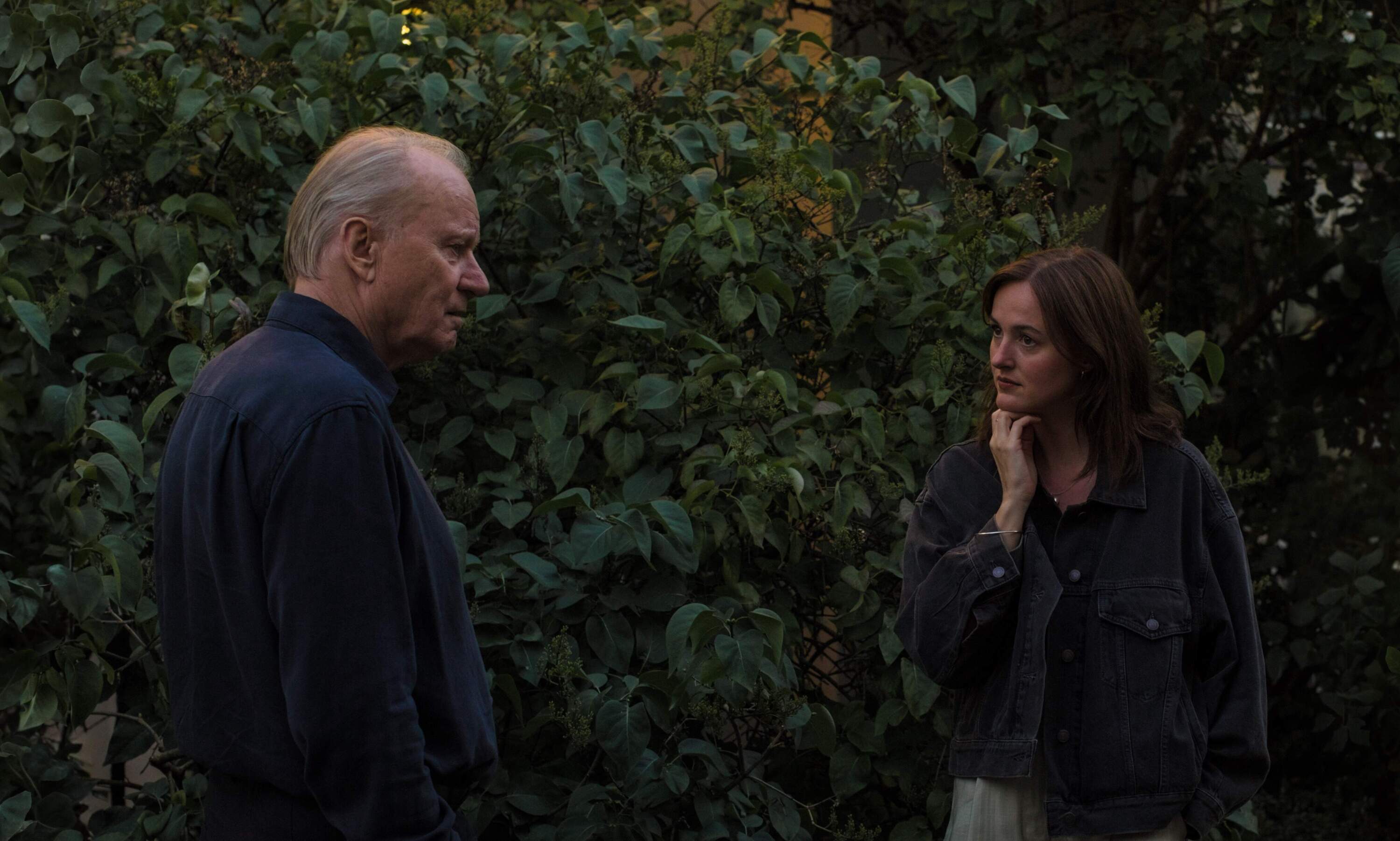
Gustav Borg, the fictional filmmaker played by Stellan Skarsgård in director Joachim Trier’s “Sentimental Value,” is at a stage in his career where he spends most of his time collecting lifetime achievement awards and attending retrospectives of his work. From what we can see, Borg appears to have been at the forefront of the then-fashionable prestige European cinema that dominated arthouses in the 1980s and early ‘90s before the U.S. indie scene blew up, presumably a peer to the likes of Lasse Hallström and Agnieszka Holland. Most folks are too polite to ask if he’s been working on anything lately, but if you bring it up, he’ll mention a documentary he directed that’s been “doing well,” whatever that means these days.
Borg has a new script, though. He’s been keeping it quiet because it’s his most personal work, a movie about his mother’s suicide when he was a little boy. Gustav wrote the lead role for his daughter Nora (Renate Reinsve), a powerhouse stage actress and emotional basket case who was also the star of a massively popular television series. She’s perfect for the part, not to mention famous enough to secure financing for a filmmaker most consider a has-been. There’s only one catch: the two haven’t spoken for years. Nora hates her father and can’t stand to be in a room with him. It’s been that way ever since Gustav walked out on his wife, abandoning Nora and her kid sister Agnes (Inga Ibsdotter Lilleaas) when they were children.
Now here he is, strolling back into their lives at their mother’s funeral, full of warm condolences and ulterior motives. He’s hoping to shoot the project in the old family house, where Agnes now lives with her husband and son. (Gustav still technically owns it.) Anchored by a playful, career-topping turn from Skarsgård as a father amusingly oblivious to his own shortcomings, the touching and often very funny “Sentimental Value” follows the Borg family’s slow surrender to reconciliation. It’s a movie about how holding grudges will eat you alive and sometimes it’s healthier to just forgive people for being who they are, even when you know they’re going to let you down.
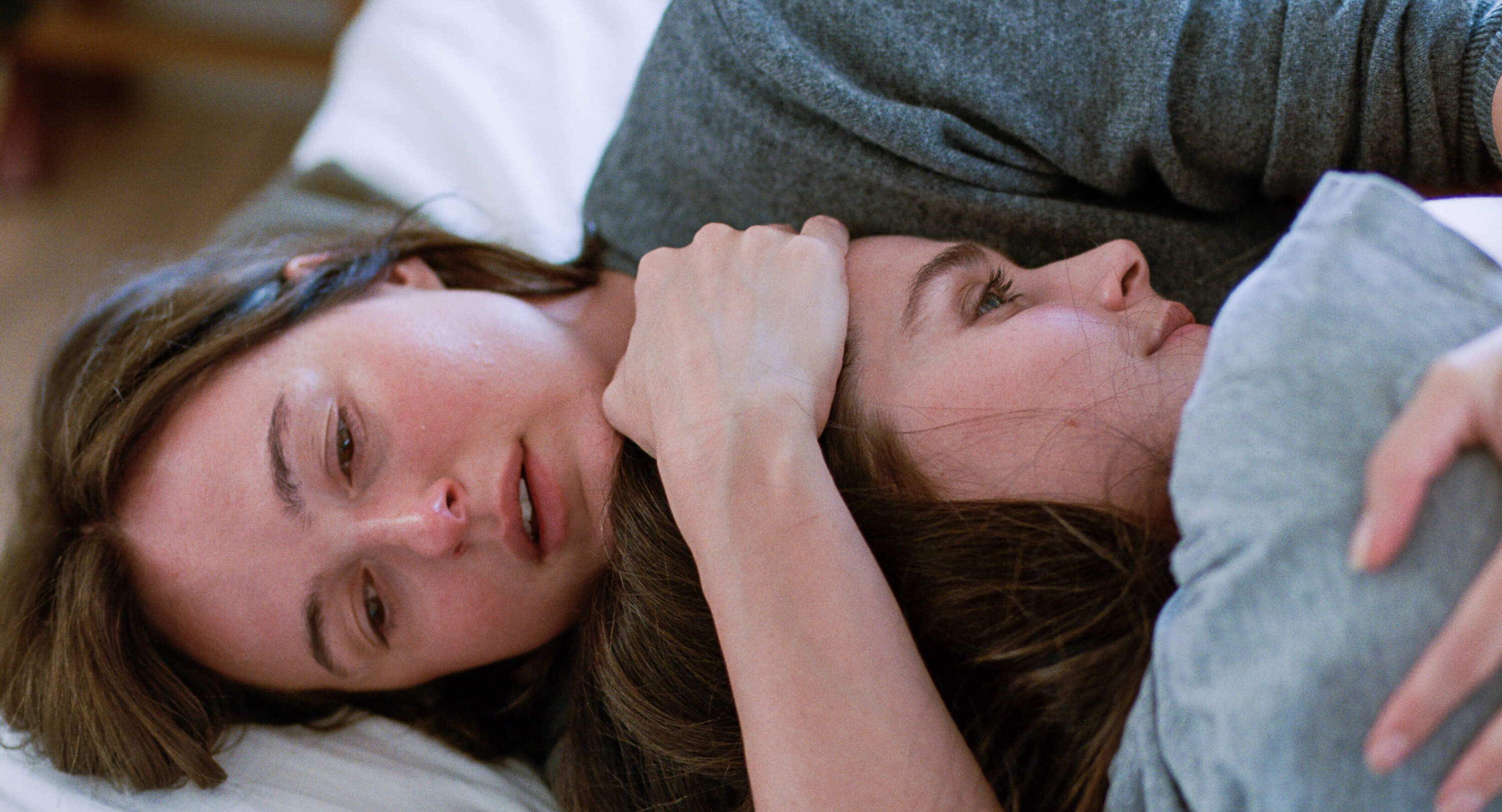
Trier and his regular writing partner, Eskil Vogt, pen wryly funny, novelistic screenplays about artists and intellectuals. (They often feel like Norwegian Woody Allen films, which is probably why I like them so much.) Trier’s previous picture, “The Worst Person in the World,” rocketed Reinsve to international stardom as a young woman trying on partners and professions while fumbling about for who she wanted to be. In “Sentimental Value,” we first meet her in the midst of a meltdown before opening night of a new play, tearing off pieces of her costume while a long-suffering support staff patiently tapes them back on and coaxes her onto the stage. These tantrums are nothing new.
At first, Nora rejects the role her father wrote for her, refusing to even read it. Then at a festival repertory screening, one of Borg’s decades-old films impresses Rachel Kemp, an absurdly famous American starlet played by Elle Fanning. She sees in him a way to finally be taken seriously as an actress. He sees her as a way of getting his movie made. Rachel might be all wrong for the role, but Gustav’s a great director so surely they can figure something out between them. The American actress in over her head is the kind of character who would typically be presented as a figure of fun, or maybe even a threat like Chloë Grace Moretz in Olivier Assayas’ similarly themed “Clouds of Sils Maria.” But Trier is too compassionate a filmmaker for that and Fanning is too generous a performer, playing Rachel not as a superficial ditz, but as a deeply sincere person coming to realize that she doesn’t have what it takes.
It's a gentle movie in that way. Trier never scores points off the characters, even when they’re asking for it. “Sentimental Value” is in the same key as Skarsgård’s breezy, seemingly effortless performance, which feels like a re-introduction to someone we’ve known for decades. The 74-year-old Swede has long been an ace Hollywood utility player, the go-to guy whenever a movie needs a sweaty, nefarious European. (Skarsgård’s casting alone in “The Girl With the Dragon Tattoo” constituted a spoiler.) But from the beginning, I always felt like he never got enough credit for the droll vanity he brought to the otherwise rote math professor role in “Good Will Hunting,” flirting with young coeds in those silly scarves, the lord of his little MIT fiefdom.
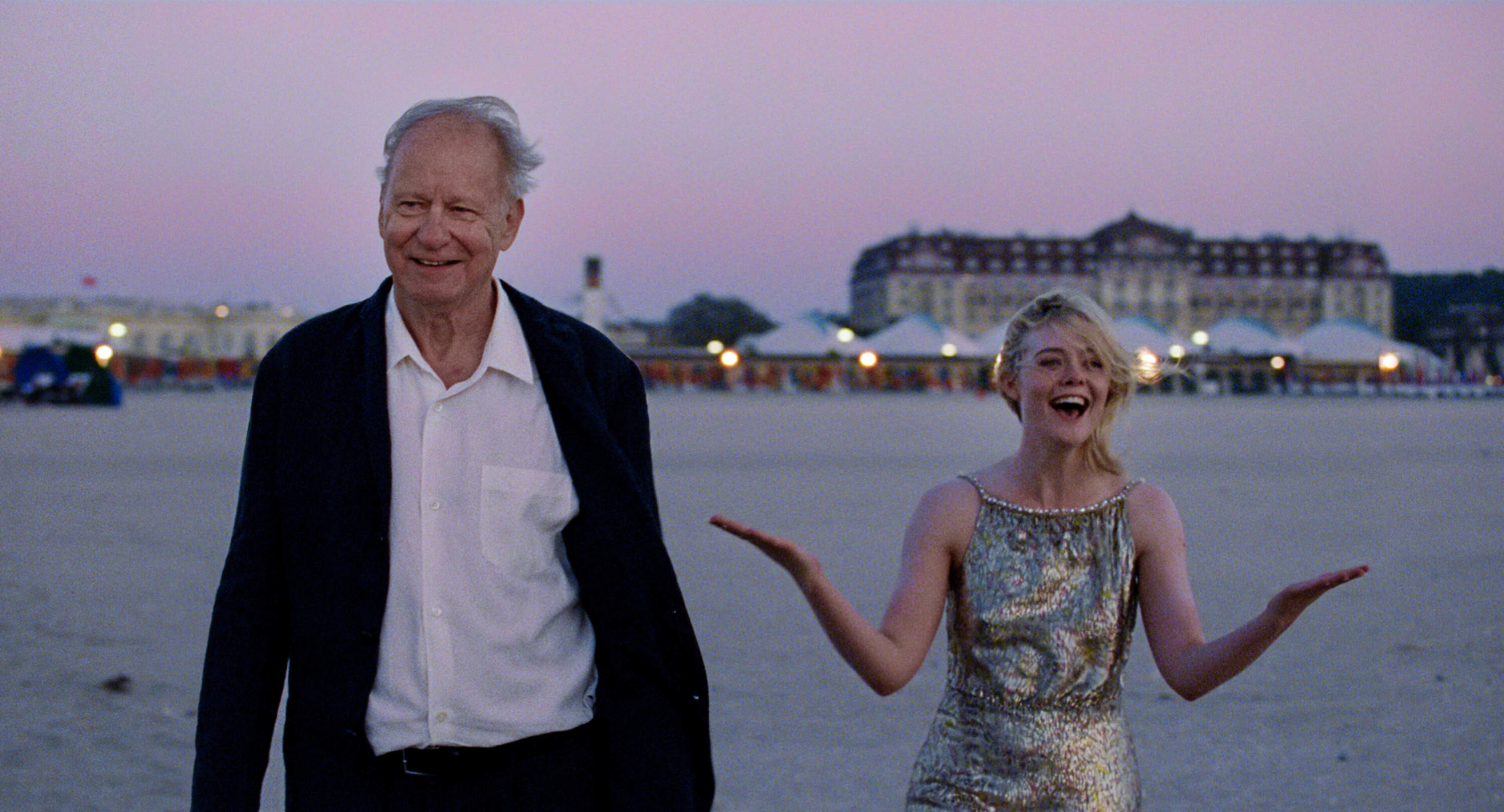
Skarsgård can be charmingly light on his feet, which is essential for a character like Gustav, who can’t seem to help hurting people close to him even if the intention of doing so never crosses his mind. He’s as myopic and solipsistic as a lot of great artists, and the most his daughters can do is figure out how upset they’re willing to get about it when he abruptly re-enters their lives. (There’s a great running gag that he’s constantly calling his son-in-law by the wrong name, and everyone just sort of goes along with it.) For Gustav, it’s always been about the work, which leads to some very funny bits like him giving his 6-year-old grandson DVDs of Gaspar Noé’s “Irreversible” and Michael Haneke’s “The Piano Teacher,” or an IKEA gag that provides the movie’s most morbid laugh.
A cranky Gen Xer friend of mine has a pet peeve about what he calls “millennial wish-fulfillment movies” in which chastened parents end up apologizing to their kids for not raising them correctly. It’s driven him up the wall in everything from “Everything Everywhere All at Once” to that terrible new Springsteen biopic. “Sentimental Value” is something like an answer to that trend, a literate, sophisticated comedy about accepting the flawed people in our lives and meeting them where they are. Besides, Nora and Gustav aren’t as different as she’d like to pretend, both pouring everything of themselves into their art until there’s nothing left for anyone else. By the end of the movie, there’s a lot they still can’t say to each other. But they don’t really need to. That’s what the art is for.
“Sentimental Value” is now in theaters.