Support WBUR
Review
Dazzling film 'Peter Hujar's Day' is about everything and nothing all at once
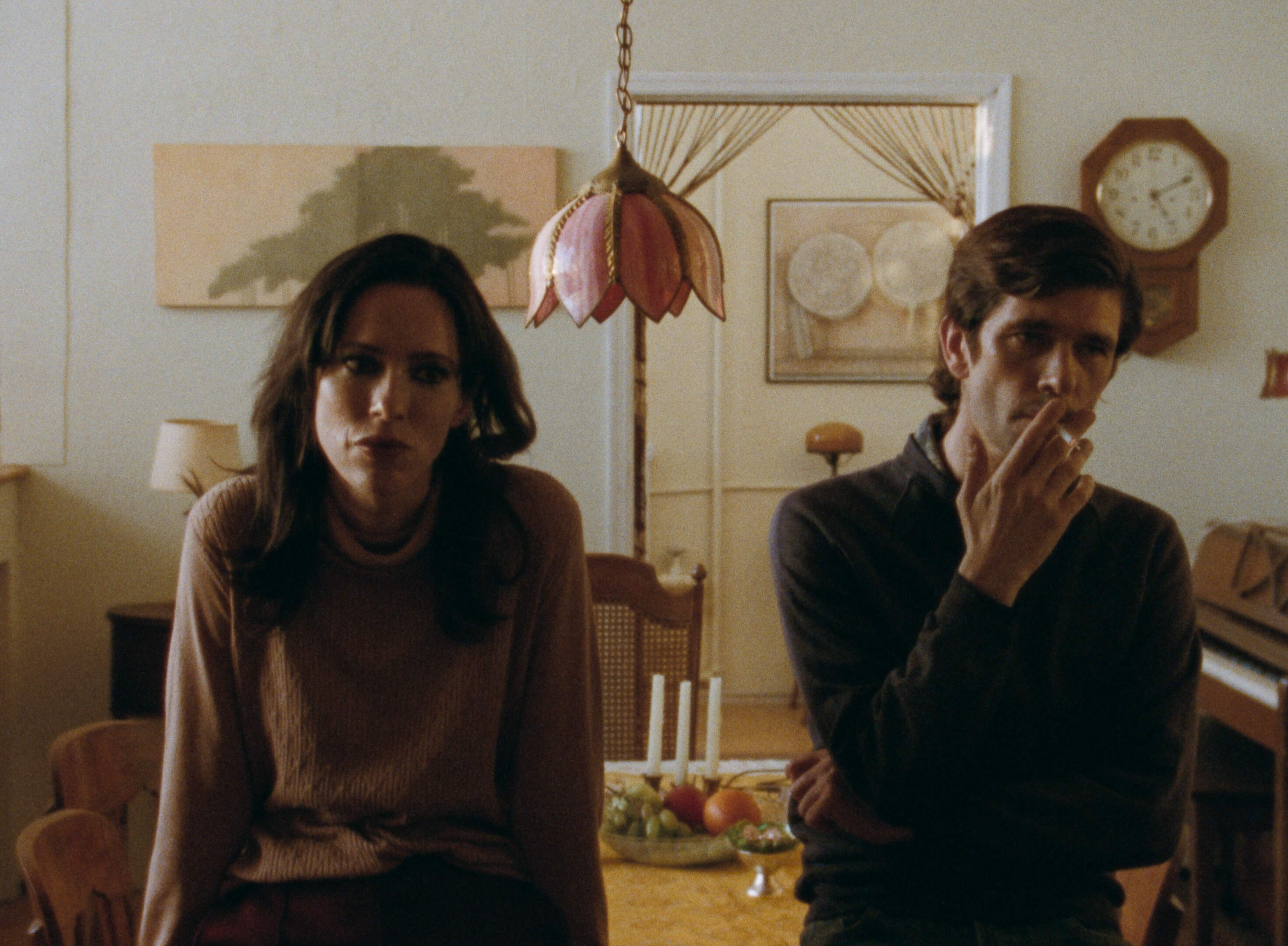
Movies don’t get much smaller than “Peter Hujar’s Day.” Director Ira Sachs’ self-described “art project” features only two actors in a single New York City apartment. It runs a scant 76 minutes and was shot on 16mm, so even the film gauge is small. Yet this odd, beguiling picture — with its intense focus on the mundane details of an average day in the life of an extraordinary man — seems to expand in the viewer’s mind, unfurling an entire universe of possibilities and interpretations. By the end, you feel like you’ve witnessed something dazzling, even cosmic. It contains multitudes.
“Peter Hujar’s Day” is a movie about friendship and the pursuit of excellence in your chosen field. It’s about annoying errands and sleeping late. It’s about how difficult it can be to make a sustainable living from your art. It’s about returning phone calls when you don’t want to. It’s about the price of cigarettes, the impossibility of perfection and the unreliability of ballpoint pens. It’s about how time seems to slip away without us noticing until it’s already gone. The movie is about everything and nothing all at once.
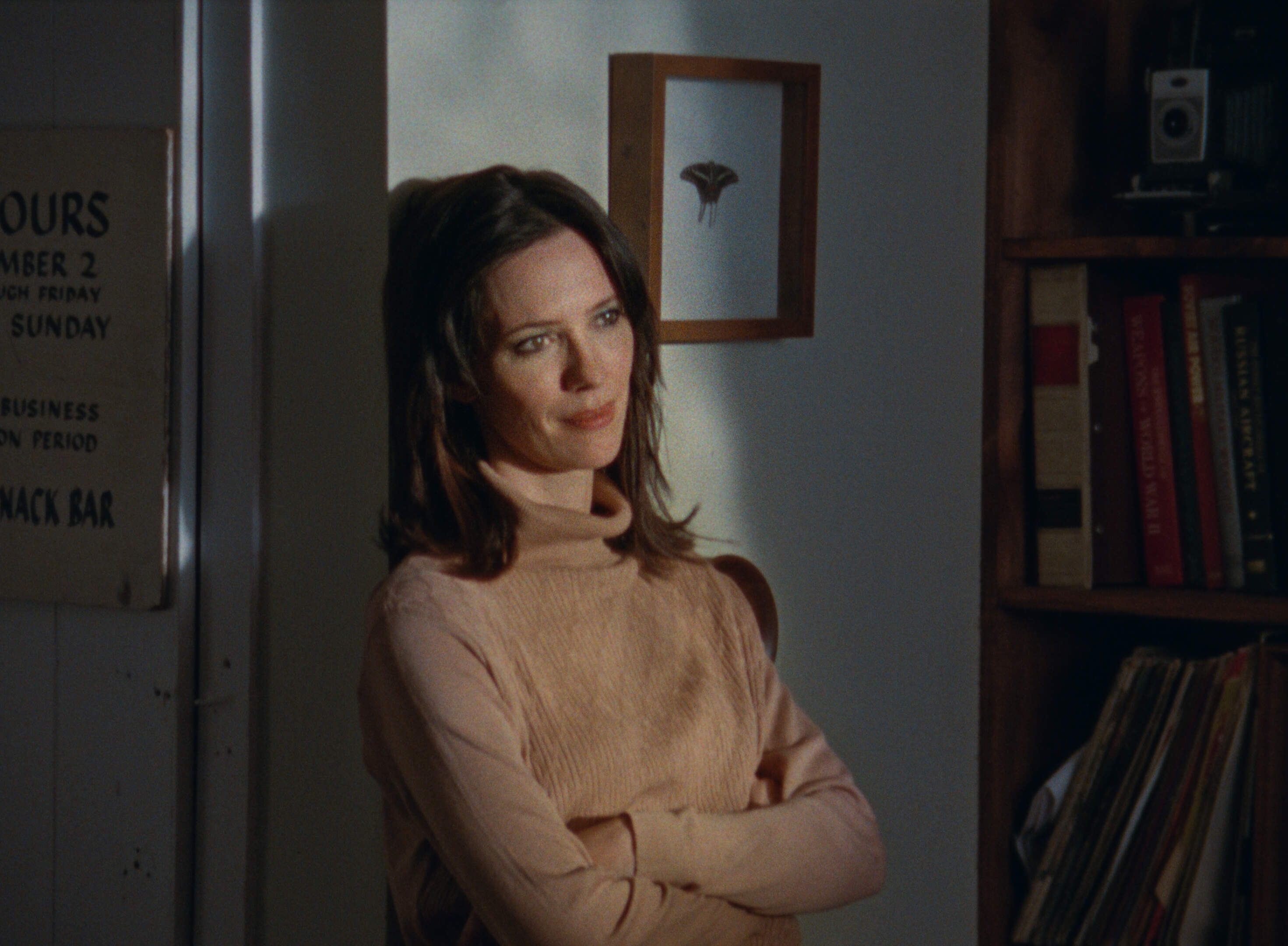
I’ll try to explain. In 1974, New York writer Linda Rosenkrantz had an idea for a book. She went around with a tape recorder asking her friends to recount the events of their previous 24 hours in minute detail, hoping to create a mosaic of ordinary days in the lives of artists in the city. The book never came together and the tapes were long ago lost, but a transcript of her interview with photographer Peter Hujar was discovered in 2019. A lightly edited version of the conversation was published in book form two years later, and now Sachs has enlisted actors Ben Whishaw and Rebecca Hall to perform the transcript.
Renowned for his stark, black-and-white portraits, Hujar was an unsung hero of the downtown New York art scene in the late 1970s and early ‘80s, beloved mentor to more famous proteges like David Wojnarovicz and Robert Mapplethorpe. He died of AIDS-related pneumonia in 1987. Wojnarovicz’s haunting, unflinching photographs of Hujar’s passing became a rallying cry for AIDS activists of the era, a fitting farewell for an artist whose 1976 book “Portraits in Life and Death” would soon be rediscovered and become a posthumous phenomenon.
None of this is addressed in the film, as so much was so far in the future when Hujar sat down with Rosenkrantz to recall the events of an ordinary day. He’s not yet an art world icon but a working stiff, grinding out freelance gigs for Vogue and the New York Times, kvetching to his friend Linda about unpaid invoices. He tells her he’s trying to be a businessman about such things, yet we can see it’s difficult for him. Hujar has taken Rosenkrantz’s assignment seriously, pausing throughout the previous day to take copious notes. He’s got an eye for evocative details and a flair for the dramatic. Even though these stories never really add up to much, he’s awfully entertaining to listen to.
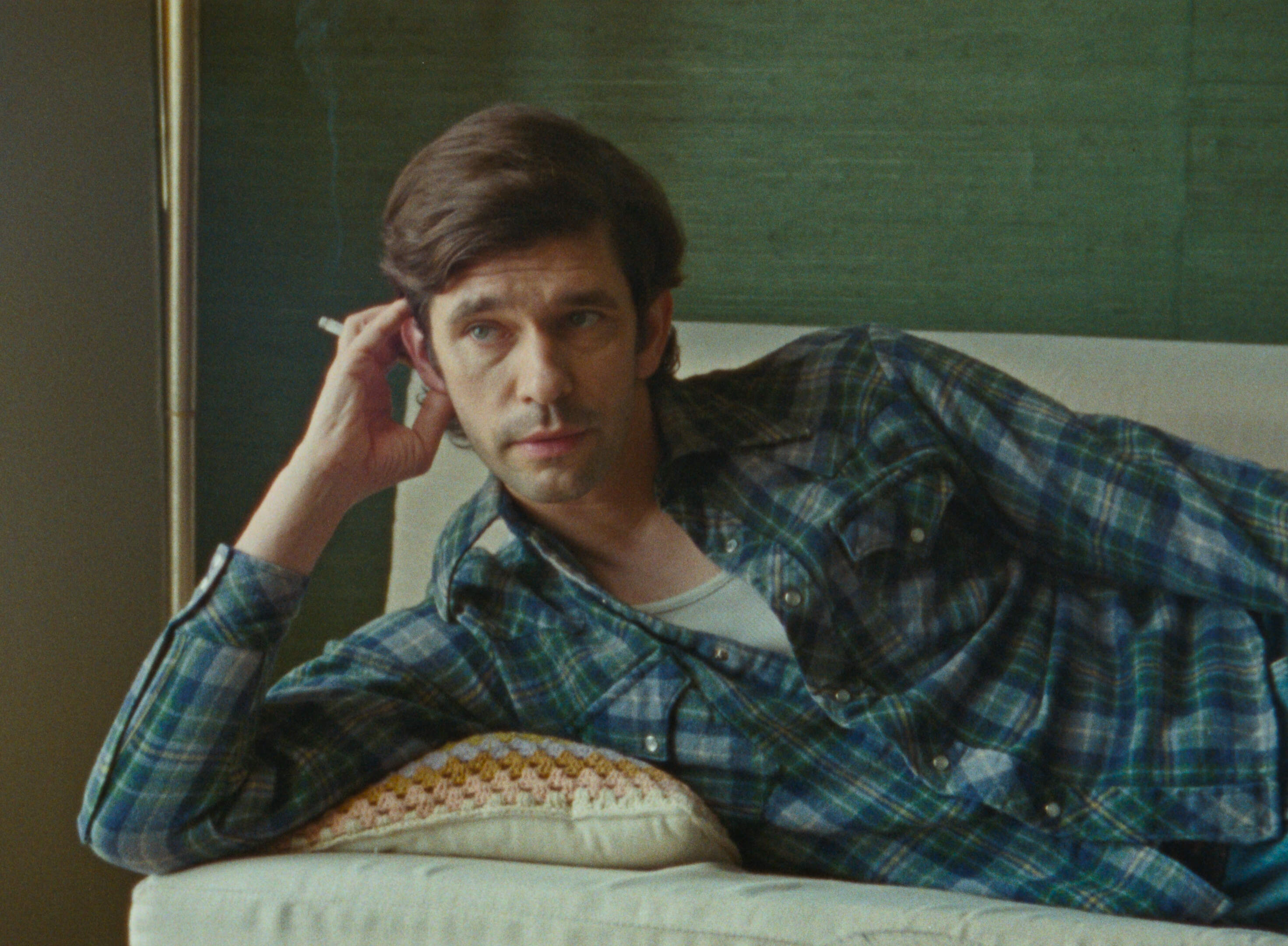
“Peter Hujar’s Day” is akin to classic theater of the mind films like “My Dinner with Andre,” “Swimming to Cambodia” and Jean Eustache’s “A Dirty Story.” Whishaw is so captivating a speaker that we can see the images he’s describing in our heads — an alternate movie in our imaginations conjured by Hujar’s vivid descriptions of sad men lurking in Chinese restaurants, or the crummy tenement furniture in Allen Ginsberg’s apartment. The conversation is full of references to folks like Ginsberg, Susan Sontag, Fran Lebowitz, “Bill” Burroughs and lots of other names I didn’t recognize. Here’s where the film being taken from a transcript makes it unique, as Hujar and Rosenkrantz never explain anything the other already knows for the sake of the audience, the way they would if a screenwriter wrote a movie about them. Their own words leave us a little at sea sometimes, like you would be if you were eavesdropping.
Sachs starts with a shot of the slate and clapper as he calls “Action!” and he’s hell-bent on reminding us throughout that we’re watching a cinematic reenactment, not a documentary. As the film wears on, the blocking of the actors becomes more theatrical and involved, the positioning of their bodies closer and more intimate. They move around the apartment and up onto the roof sometimes mid-sentence, traversing time and space in the blink of an edit. Occasionally, all this talk is interrupted by tableaux, with the artfully arranged actors looking into the lens as Mozart’s “Requiem” roars onto the soundtrack. One time, Hall and Whishaw even stop what they’re saying and dance to a Tennessee Jim song. The interview isn’t happening in real time, but instead stretches from morning into evening as the sunlight slowly bleeds out of the picture timed to Hujar’s recollections. Night falls at the same time he’s telling us about when it did yesterday.
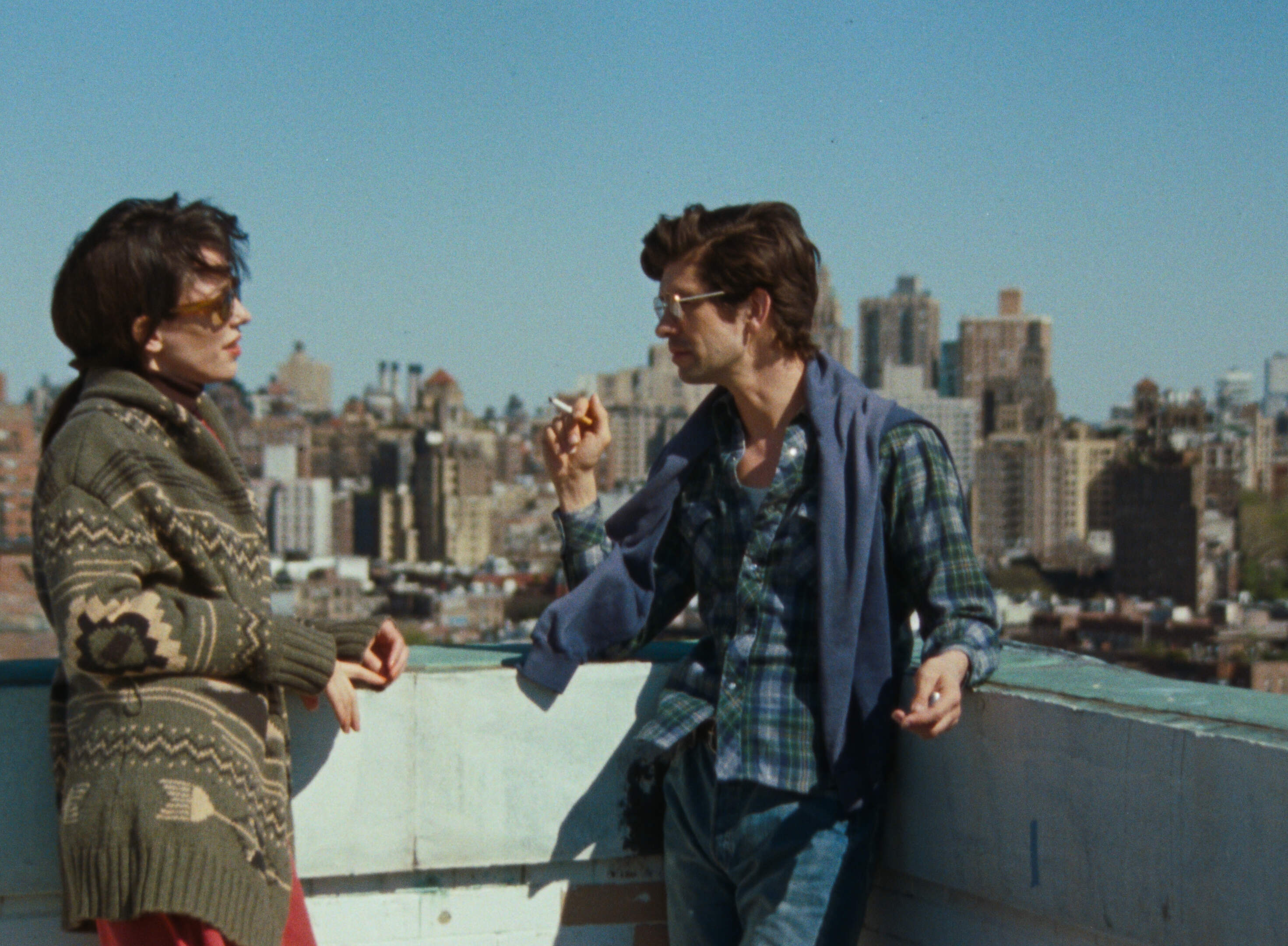
Peter Hujar’s day wasn’t a particularly eventful one, save for an assignment to shoot an aloof and not particularly cooperative Ginsberg for the Times. That tale begins with an amusingly catty edge that fizzles out amid the photographer’s disappointment with himself, frustrated by his inability to coax his famous subject into letting his guard down in front of the camera. Hujar’s standards are exacting, especially for his own work, and the question of what constitutes a good or revealing portrait becomes a self-reflexive one in a film that is itself an attempt at portraiture.
As darkness sneaks up on him and us once again, Hujar can’t believe how little he’s accomplished in an entire day, reviewing a restless inventory of time killed, errands run and miscellaneous items purchased. (It’s hilarious to hear Linda groaning in disapproval whenever he tells her how much something costs: 56 cents for a pack of cigarettes, oy vey!) Yet this is where the movie’s strange alchemy takes place, in the mundanity of the grunt work and phone calls — so many phone calls — in the spaces between the books and exhibitions and things we think constitute a brilliant career. That’s where life happens. That’s where the time goes. Days like this and the next day, one after another until there aren’t any more.
“Peter Hujar’s Day” screens on 35mm at the Brattle Theatre from Friday, Nov. 21, through Tuesday, Nov. 25.