Support WBUR
A Massachusetts bank passes a milestone: 10 million rare seeds
The Wayland-based Native Plant Trust runs an unusual bank.
Its shelves and freezers hold tiny gems that some would argue are more precious than diamonds: seeds from rare and endangered New England plants.
The bank, which started in the late 1980s, just surpassed 10 million seeds in its collection, and received an anonymous $1.5 million gift to continue its work.
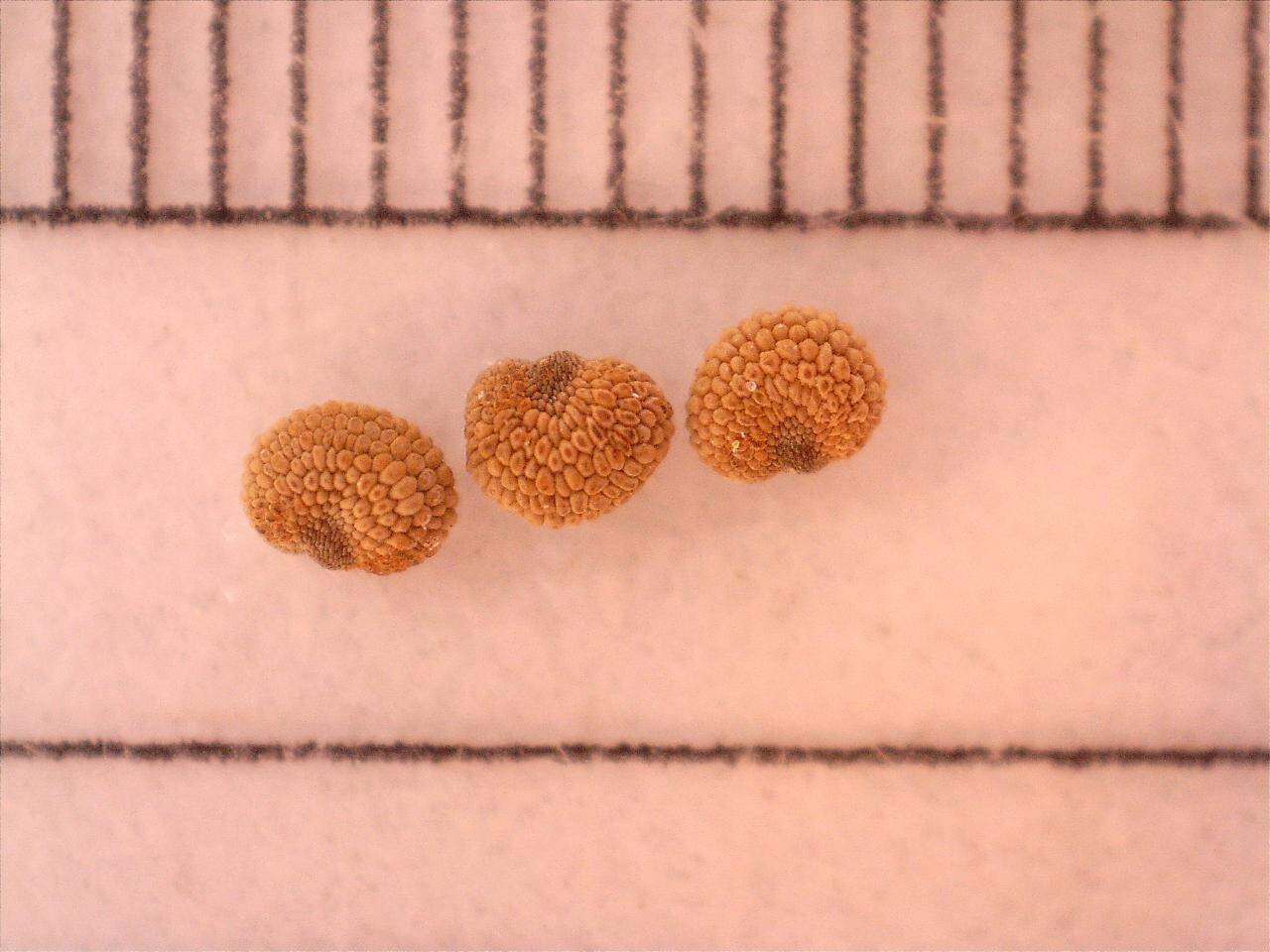
Native Plant Trust CEO Tim Johnson called the seed bank “an insurance policy” for rare plants. From Giant Hyssop to tiny orchids, 17% of the region's native plants are on the brink of extinction, threatened by invasive species, pollution, development, climate change and wildfire.
"If you have a fire that comes through, or if you have a housing development go up, you can lose an entire population," Johnson said. "And if you have a number of those occurrences happen, then you've accidentally caused a species to go extinct."
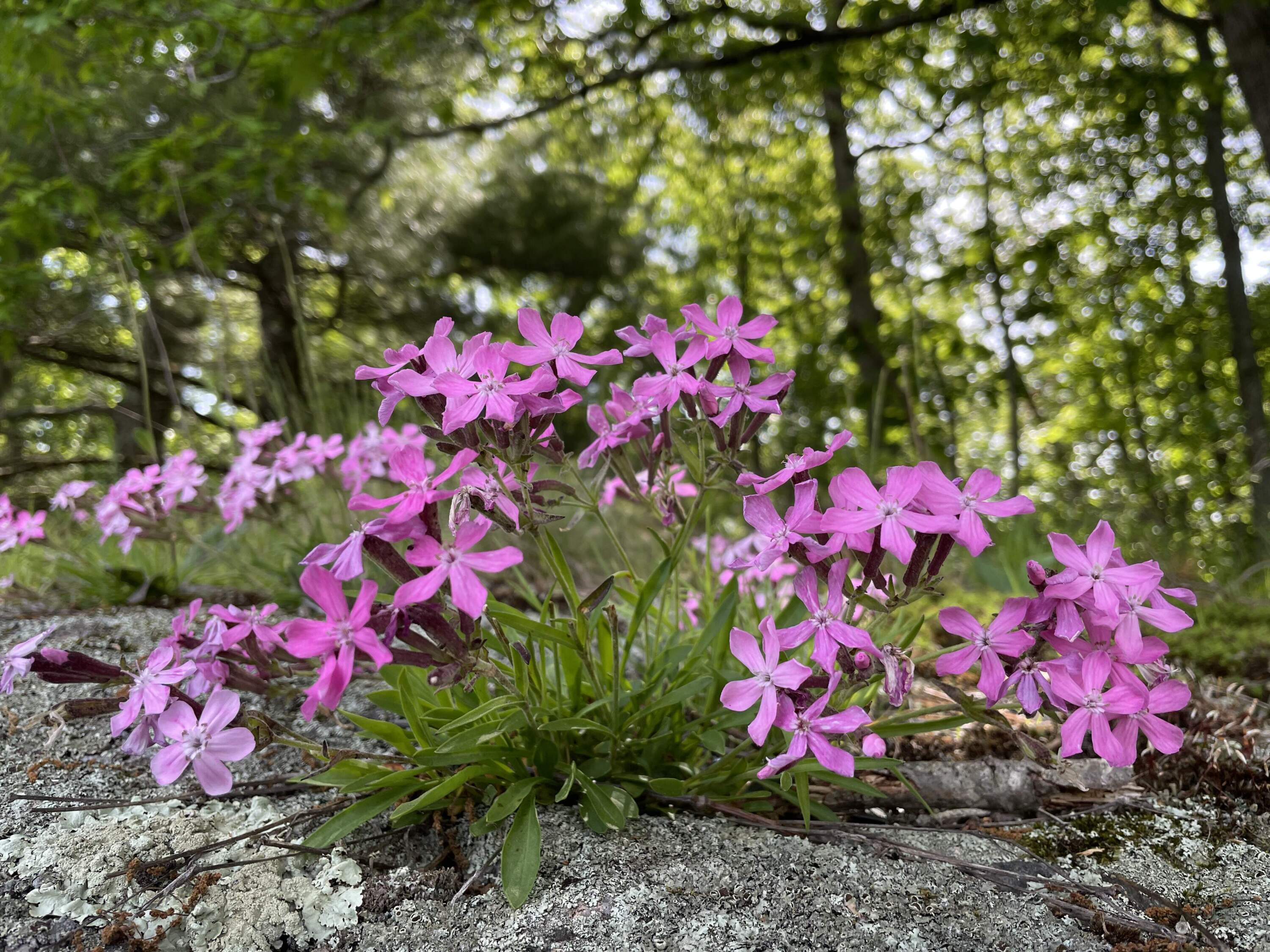
“Each one of these species is an important building block in biodiversity,” he added, “so we can't afford to lose them."
The gift comes as many local environmental groups face uncertainty from federal partners. The Trump administration has cancelled grants, eliminated funding and fired workers involved with a wide swath of ecology and biodiversity projects.
"It's decades of lost experience," Johnson said. "It's going to be hard to fill that gap."
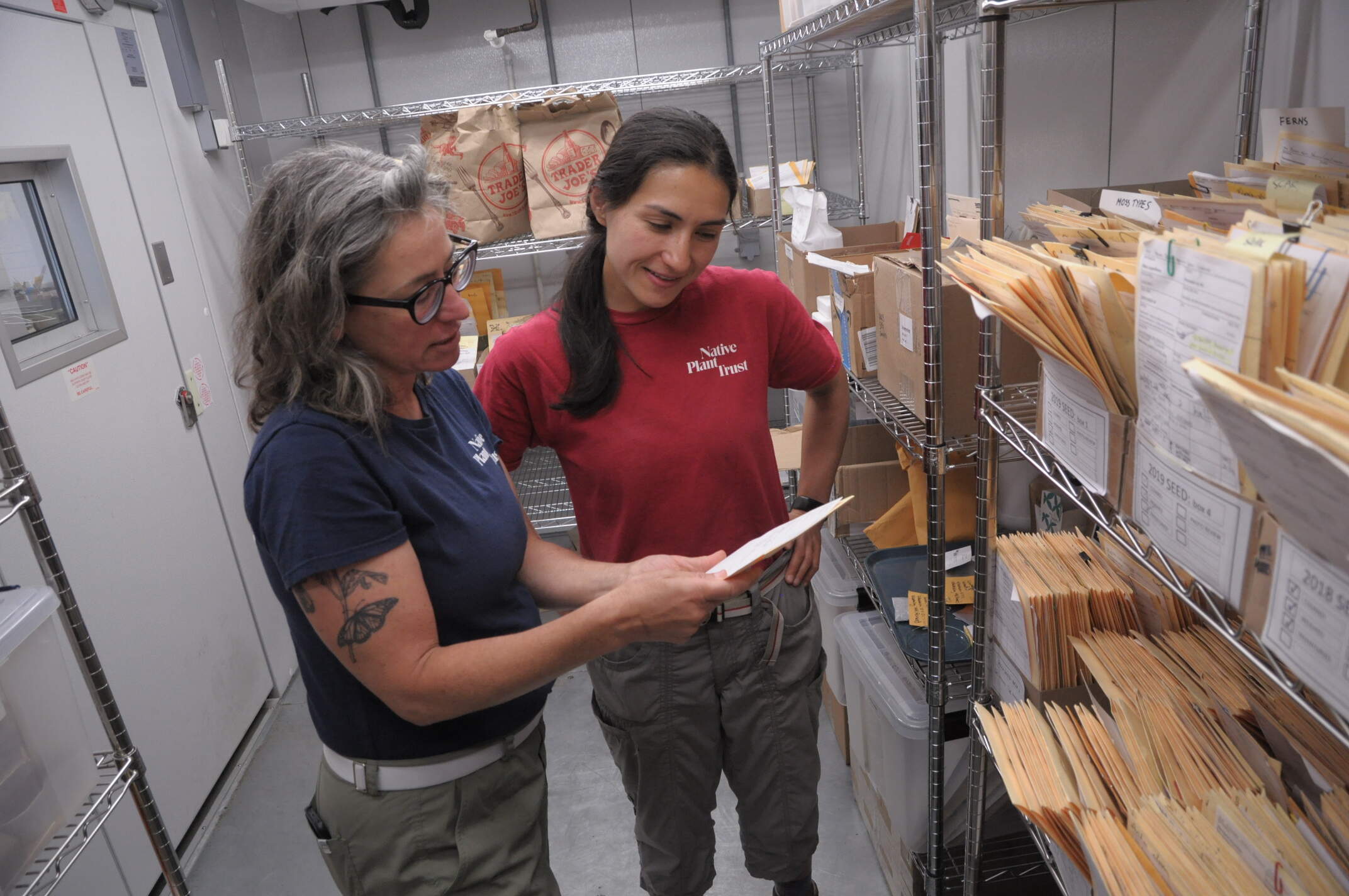
Professional and volunteer collectors gather rare seeds from locations across New England, including meadows, wetlands, college campuses and National Guard training sites. Recent seeds banked include violets, milkweeds and rhododendrons.
When a plant species is in decline, seeds can be withdrawn from the bank, grown and re-planted. This happened recently with a specific population of native lupin in Vermont.
"We had seed from that very population collected a couple of decades ago," Johnson said. "The seed all germinated and they were able to put a couple hundred more plants back out into the wild."
The Native Plant Trust has seeds from nearly 500 local plant groups, or taxa. Its goal is to bank samples from every population of rare plants in the Northeast.