Support WBUR
Searching for glimmers of hope in a tough year for the arts
Editor's note: This story is an excerpt from WBUR's weekly arts and culture newsletter, The ARTery. If you like what you read and want it in your inbox, sign up here.
The arts rarely have it easy. Funding and resources are an ever-present need.
But surely, 2025 will go down as one of the toughest.
Starting early in the year, rumors started flying that arts organizations would not receive the federal funding they had been promised. By early May, many local groups had their fears confirmed: expected funds from the National Endowment for the Arts and the National Endowment for the Humanities were canceled.
Programs across the commonwealth were upended. BalletRox, a dance school in Jamaica Plain, lost a $30,000 grant earmarked for scholarships. Boston Center for the Arts had planned to support an incoming cohort of more than 50 artists with a $50,000 NEA grant. The funding was terminated by email.
In April, the government put the entire staff of the Institute of Museum and Library Services on administrative leave, halting their work. Massachusetts museums alone received nearly $4.4 million from IMLS in 2024, and now the institutions were left wondering if they would have the money to care for and research their collections.
In a rare piece of good news, it was announced on Dec. 3 that all IMLS grants previously cut by the Trump administration are being reinstated. But it’s emblematic of the whiplash the arts sector is feeling.
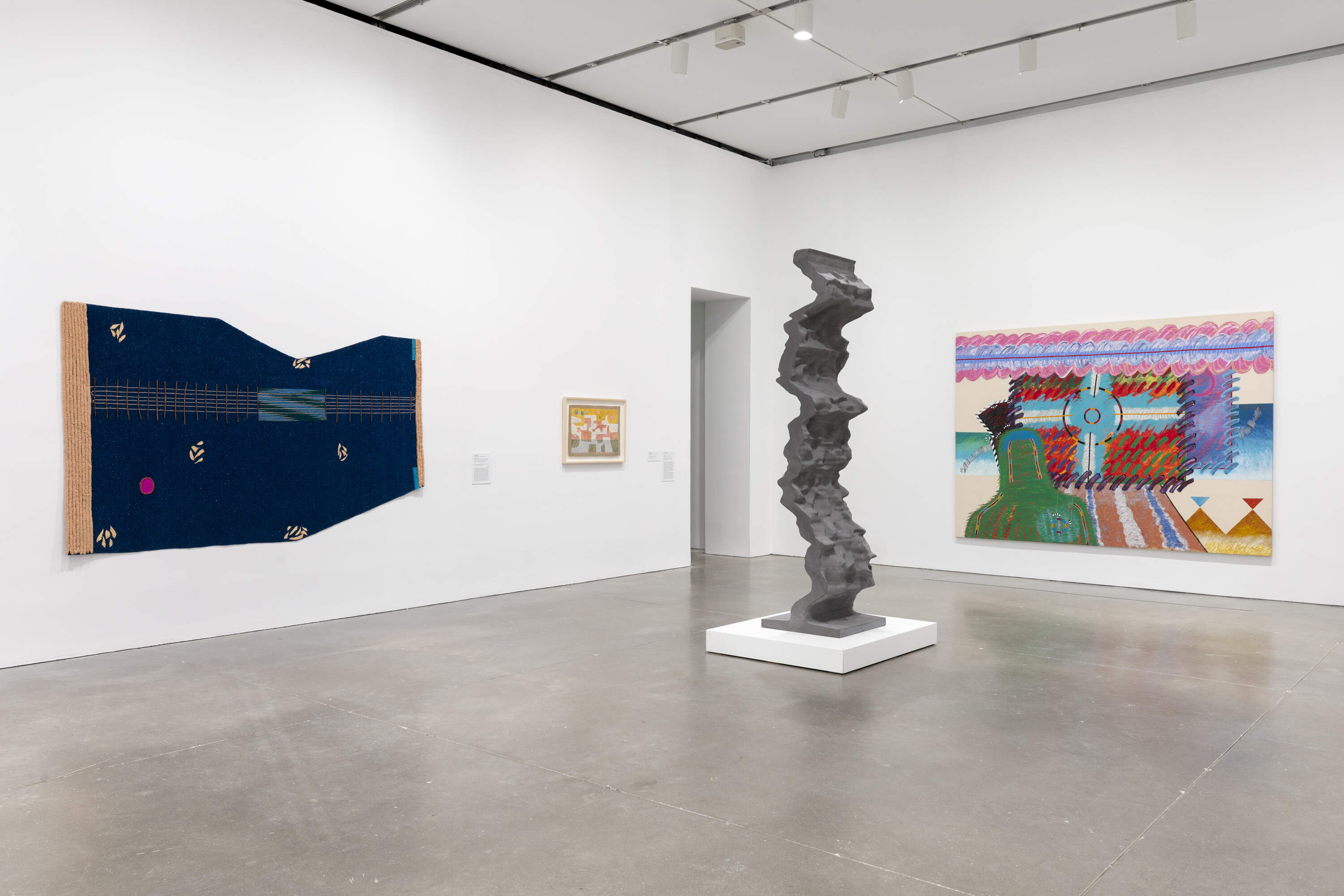
We published a story today, by WBUR arts reporters Amelia Mason and Andrea Shea, about the turbulence museum leaders have faced. Two of the institutions — the Museum of Fine Arts and the Institute of Contemporary Art — made the bold decision to turn down federal funding to avoid any possible scrutiny from the federal government.
There is a precedent for this concern. The White House placed eight of the Smithsonian’s museums under review, including the Smithsonian American Art Museum, the National Portrait Gallery and the Hirshhorn Museum and Sculpture Garden. At its core, the government takes issue with diversity, equity and inclusion initiatives as “illegal and immoral discrimination programs.”
So to keep control of their programming decisions, the Boston museums will have to rely even more heavily on philanthropic giving. Difficult choices remain a hallmark of the arts.
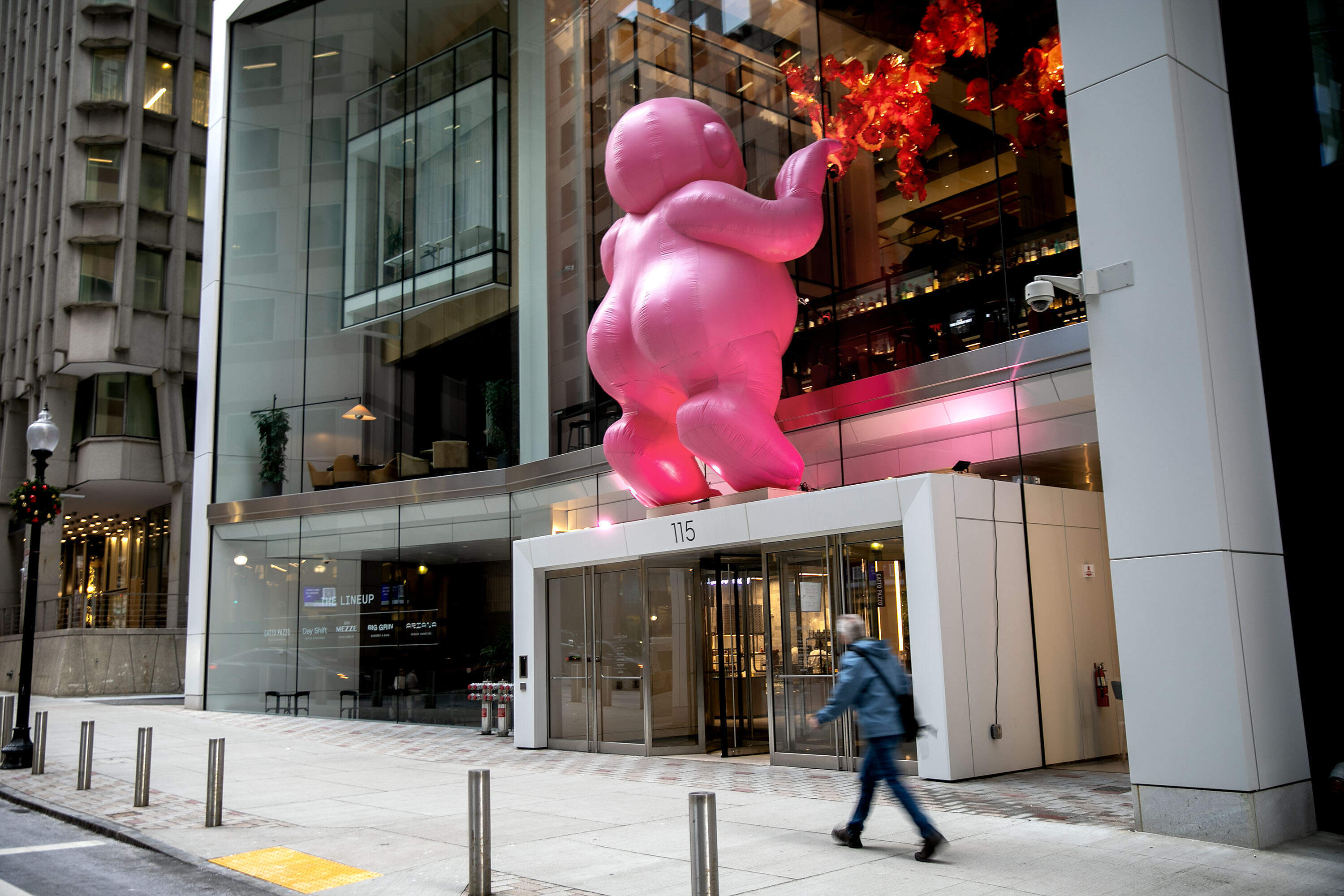
Another hallmark is endurance. Art can, and does, weather the tough times. Even if it’s with pink, naked inflatable figures. I’ll confess to having had some unkind thoughts about those at the start of the year, but now they seem cheerfully appealing. I like the element of surprise, and many projects delivered on that this year.
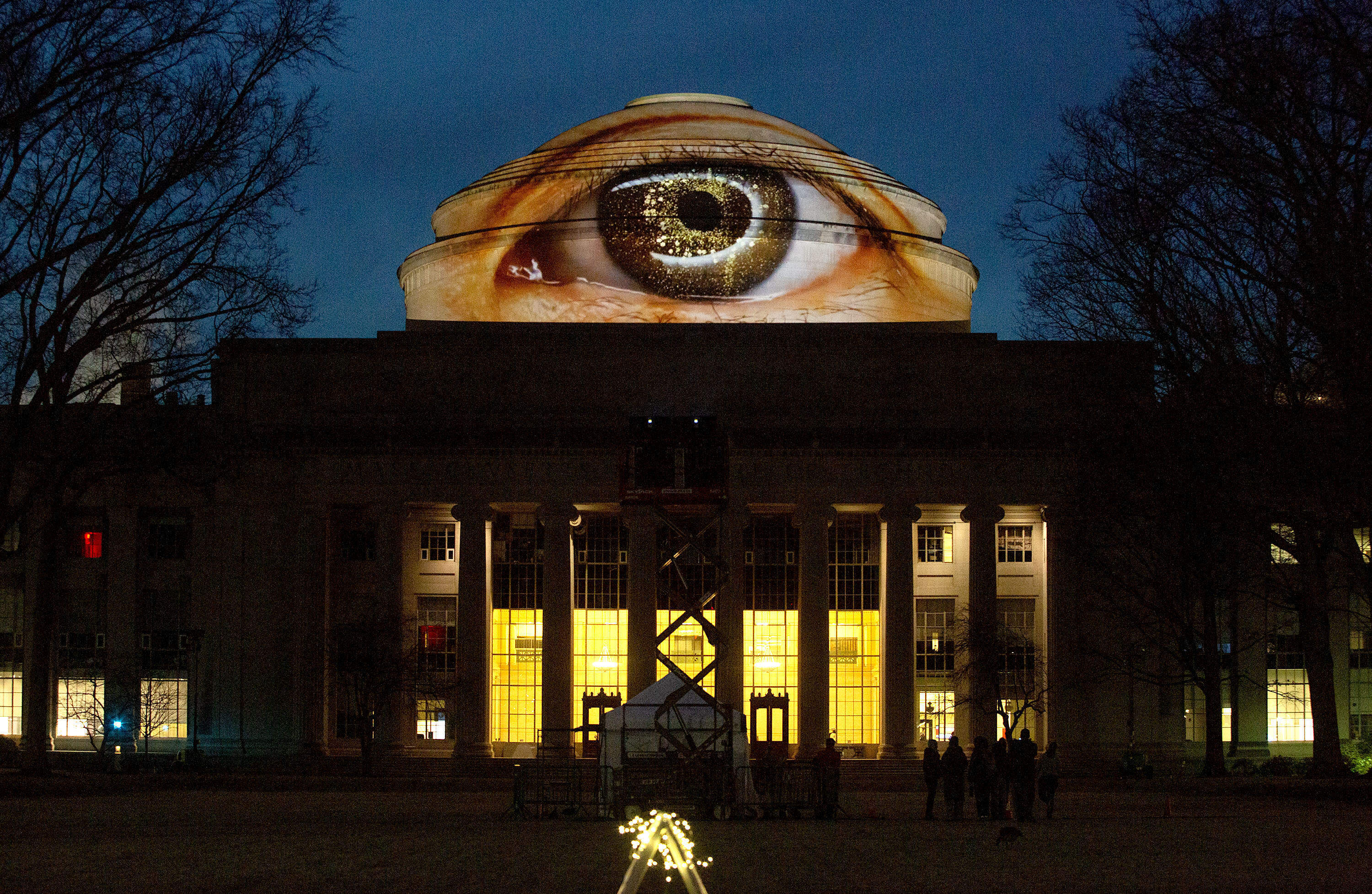
Projects woven throughout MIT’s first-ever Artfinity festival included fleeting projections of massive, blinking eyes that gazed over the Charles River from the MIT Dome. The festival also celebrated the opening of a new concert hall on campus, the Edward and Joyce Linde Music Building, which includes rehearsal and classroom space. The entire building has been carefully engineered to optimize the acoustics. Rapper Lupe Fiasco closed out the festival in the spring with a performance to premiere the music he composed inspired by MIT's public art collection.
Boston’s inaugural Public Art Triennial brought a big dose of surprise to the city: 20 large-scale works were installed across eight neighborhoods. Artists from around the world participated, as did a number of local artists. According to the organization, more than one million people encountered the art, most likely serendipitously.
With our annual Makers project, we hoped to bring you, our listeners and readers, a jolt of inspiration by covering the work that’s being made in our midst. This year, for the first time, we chose a theme to guide our selection of the cohort. We sought artists who, broadly, engage with the environment. They work across various fields and media, and explore issues such as ecological responsibility, climate justice and sustainability.
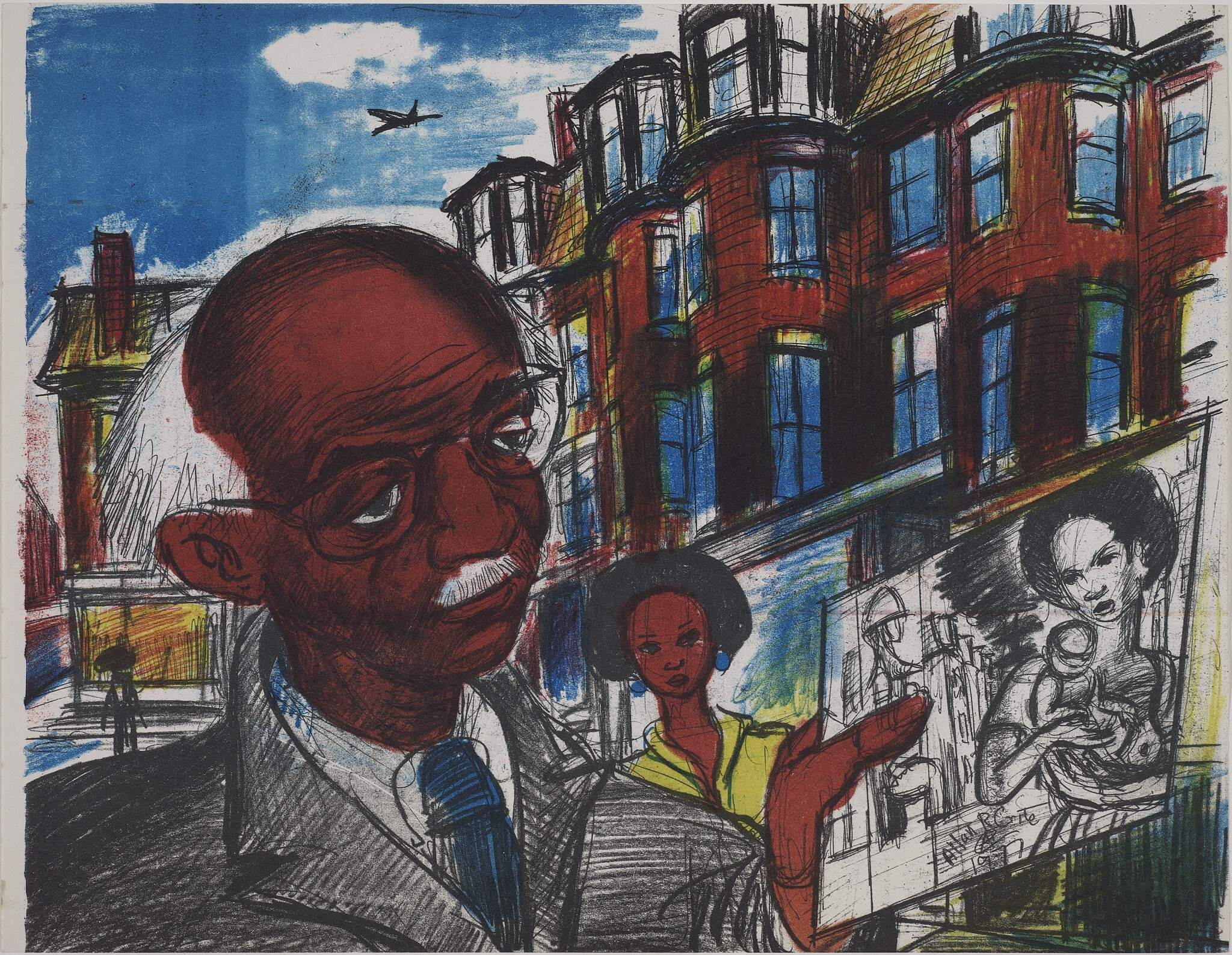
Despite the myriad challenges of 2025, art, of course, is not going away. So often, art is about endurance. The career of the late artist Allan Rohan Crite, the subject of a retrospective at the Isabella Stewart Gardner Museum, is a testament to perseverance. Crite experimented relentlessly. He churned out work on mimeograph machines with the belief that anyone should be able to possess a piece of art. He painted in oils, but also drew with markers, valuing any materials that allowed him to capture his ideas.
Reporter Arielle Gray spent months interviewing the people who knew Crite best and captured his drive and curiosity in a series of stories for WBUR. As she describes, “His paintings and works on paper elevated Black life and spirituality during a period of great social change.” Throughout considerable upheaval in the South End, as low-income residents were being pushed out of the neighborhood, Crite documented Black life in the city in a singular way.
Like Crite, I’m looking for glimmers of beauty around me. It’s been a hard year, with more challenges to come. We need the moments of respite and connection that art, music, theater and literature can give us.